Pregnancy is often described as a season of hope, planning, and anticipation. But in Cuba today, for many families, it has also become a test of endurance. The country’s prolonged fuel crisis has reached deep into daily life, turning ordinary routines into exhausting obstacles. For pregnant women in Cuba, that means a hospital visit can become an all-day ordeal, a balanced meal can feel out of reach, and the simple expectation of safe maternity care can no longer be taken for granted.
What makes this crisis especially painful is how unevenly it is felt. Some women still have access to private transport, supportive relatives abroad, and enough financial cushioning to manage shortages. Others are forced to navigate pregnancy with blackouts, unreliable buses, scarce food, and growing uncertainty. The contrast is stark, and it reveals a deeper truth about maternal care in times of national hardship: when energy systems break down, maternal health is one of the first areas to suffer.
There is a personal dimension to this that is impossible to ignore. Anyone who has accompanied a pregnant partner, sister, or friend to a clinic understands how much reassurance depends on consistency. Regular checkups matter. Reliable transport matters. Access to nutritious food matters. Emotional calm matters. When every one of those pillars weakens at the same time, pregnancy becomes more than a medical condition. It becomes a daily negotiation with risk.
This is why the story of Cuba’s energy crisis cannot be told only through statistics about fuel imports, power cuts, or economic strain. It must also be told through the experiences of expectant mothers, especially those caught between limited resources and rising physical demands. Their reality offers one of the clearest windows into how national shortages translate into intimate, life-altering consequences.
How the Fuel Crisis Changes Pregnancy in Real Time
The impact of the Cuba fuel shortage on pregnant women is not abstract. It shows up in missed medical appointments, longer walks under intense heat, delayed emergency care, and shrinking access to healthy food. In any health system, pregnancy depends on timing. Tests are scheduled around developmental milestones. Blood pressure and fetal growth must be monitored. High-risk conditions like preeclampsia, gestational diabetes, or anemia require quick attention. A transport delay is not merely inconvenient; it can be dangerous.
In cities and rural areas alike, reduced fuel supply has disrupted public transportation. Buses arrive late, routes are cut, and long lines become part of the journey. For a woman in the final trimester, standing for extended periods in crowded conditions is not just uncomfortable. It can worsen swelling, fatigue, dehydration, and stress. For someone with a complicated pregnancy, the consequences can be far more severe.
Then there is the issue of emergency access. One of the most frightening realities in a fuel-starved system is the question every family silently asks: if labor begins early or something goes wrong, how quickly can help arrive? Ambulances depend on fuel. Hospital transfers depend on fuel. Even community-level outreach depends on transport systems that are functioning well enough to move staff and supplies. When fuel is scarce, every step in that chain becomes more fragile.
The crisis also affects healthcare workers themselves. Doctors, nurses, and support staff may struggle to reach clinics and hospitals consistently. That does not erase their commitment, but it does strain the reliability of care. A prenatal system is strongest when it is predictable. In a prolonged shortage, predictability disappears.
The Most Immediate Pressure Points
- Transportation barriers: fewer buses, longer waits, and expensive alternatives make prenatal visits harder to attend.
- Emergency response delays: ambulances and hospital transfers become less dependable when fuel is rationed.
- Food insecurity: shortages make it difficult for pregnant women to maintain iron, protein, and calorie intake.
- Power disruptions: blackouts affect refrigeration, sleep, hydration, and the operation of healthcare facilities.
- Mental stress: uncertainty, fatigue, and isolation intensify anxiety during pregnancy.
Two Pregnancies, Two Very Different Realities
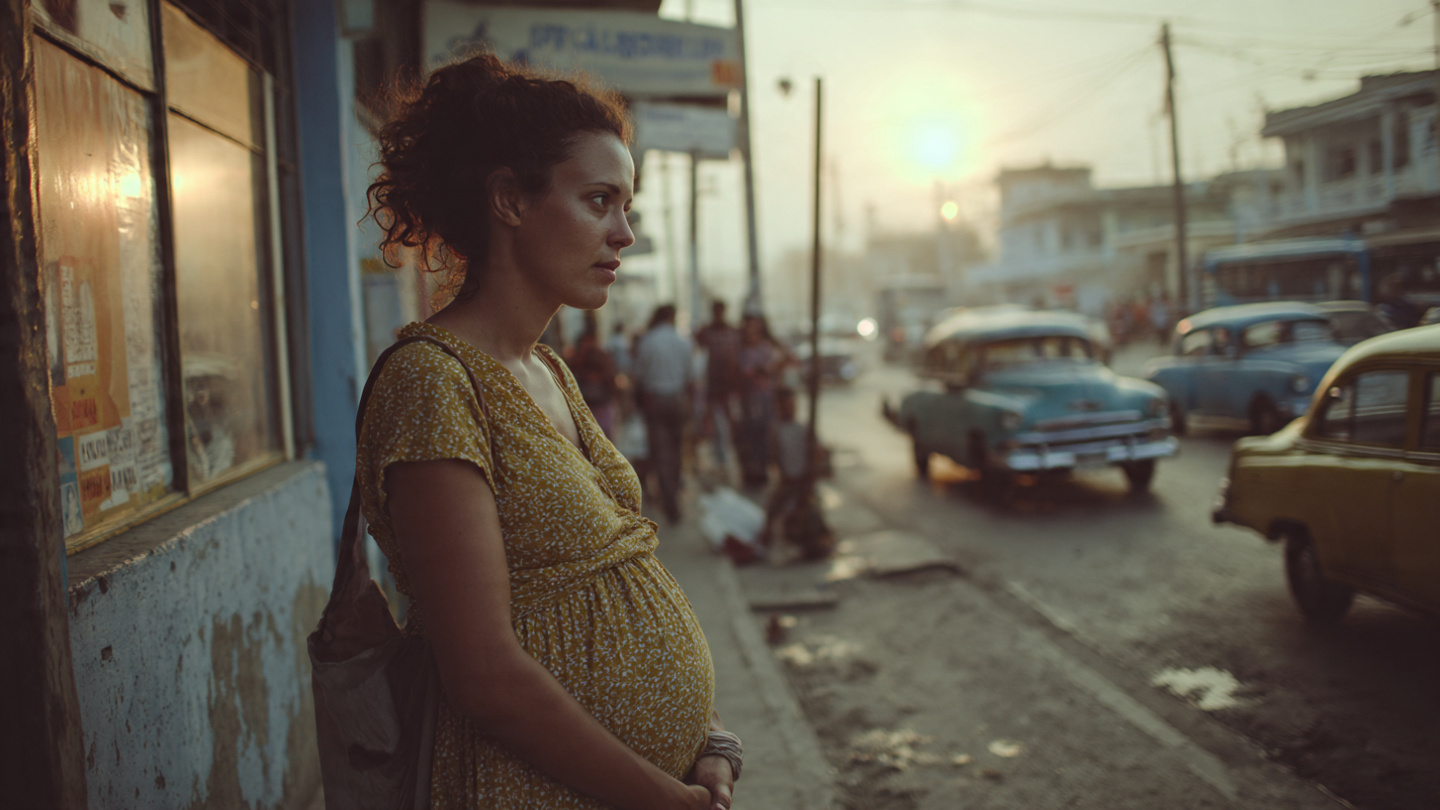
One of the most revealing aspects of the current situation in Cuba is the gap between women who can buffer the crisis and those who cannot. Pregnancy is not experienced equally, and shortages magnify that divide.
Imagine one expectant mother living in Havana with relatives overseas who send money regularly. She may be able to pay for informal transport, secure extra food through private channels, and prepare for delivery with a degree of control. Her pregnancy is still shaped by blackouts and uncertainty, but she has options.
Now imagine another woman in a smaller town or on the outskirts of a city, reliant on public transport and local rationed supplies. She may spend hours trying to reach a clinic, skip certain foods because they simply are not available, and postpone non-urgent appointments because the trip is too physically draining. She may depend on neighbors, chance rides, or overburdened local services. Her pregnancy unfolds in a completely different register of vulnerability.
That contrast matters because it shows that pregnancy during an economic crisis is not just a health story. It is also a story about inequality, mobility, and social resilience. The women with support networks, foreign remittances, or access to private solutions are better positioned to absorb shocks. Those without that support are pushed closer to the edge by every shortage.
In practical terms, this can affect everything from nutrition to birth outcomes. A woman who can access eggs, fruit, dairy, and supplements is more likely to maintain the strength needed for a healthy pregnancy. A woman living on inconsistent staples may face anemia, low energy, or poor weight gain. A woman who can take a car to the hospital at the first sign of trouble has a very different margin of safety than one who must wait for transport that may never come on time.
Why Food and Fuel Are Deeply Connected in Maternal Health
It is easy to think of fuel as a transport issue alone, but the relationship between fuel shortages and prenatal care runs deeper. Fuel affects food production, food distribution, refrigeration, and market access. For pregnant women, that means the energy crisis can quickly become a nutrition crisis.
Healthy pregnancy requires more than calories. It requires consistent intake of iron, folate, protein, calcium, fluids, and a range of micronutrients that support fetal development. When food supply chains weaken, families often fall back on whatever is available rather than what is medically recommended. That can leave expectant mothers eating enough to feel full, yet still lacking the nutrients needed for maternal and fetal health.
Blackouts make the problem worse. Refrigeration becomes unreliable, which affects perishable foods such as milk, meat, yogurt, and fresh produce. Families may buy less food at a time or avoid certain products altogether because they cannot safely store them. In a prolonged crisis, nutrition becomes a moving target rather than a stable routine.
This is where the burden becomes especially unfair. Pregnancy already demands more from the body. Women need more rest, more hydration, and better nourishment, yet the crisis asks them to walk farther, wait longer, and cope with greater stress while giving them less of what their bodies need.
Examples of Everyday Trade-Offs
Consider the kinds of choices a pregnant woman may be forced to make in this environment. Does she spend money on a ride to a checkup or on extra food for the week? Does she stand in line for scarce supplies in the heat, or conserve energy and risk going without? Does she travel to a better-equipped facility, knowing the return journey may be uncertain? These are not theoretical dilemmas. They are the kinds of decisions that can shape health outcomes one day at a time.
From a public health perspective, these trade-offs are warning signs. They tell us that the system is shifting responsibility onto individual women and families to solve problems that are structural in nature. No pregnant woman should have to improvise her own access to safe care under conditions this unstable.
The Hidden Weight of Stress, Fear, and Exhaustion

Physical hardship is only part of the story. The impact of Cuba’s energy crisis on pregnancy also includes the invisible toll of chronic stress. Worry about transport, food, blackouts, and emergency access can create a constant state of tension. That emotional pressure matters. Pregnancy is not only biological; it is deeply psychological.
Many women try to remain calm for the sake of the baby, but calm is hard to maintain when systems feel unreliable. The body notices uncertainty. Sleep may become fragmented, particularly during hot nights without power. Appetite can fluctuate under stress. Relationships may strain under financial pressure. Partners and relatives may want to help but feel powerless. All of this shapes the emotional environment in which a pregnancy unfolds.
There is also the issue of isolation. When transport is difficult, women may see less of their support network. They may miss prenatal classes, community check-ins, or casual visits that otherwise provide reassurance. In difficult pregnancies, emotional support is not a luxury. It is a protective factor.
From a personal perspective, this may be the most heartbreaking element. Pregnancy should not feel like survival logistics. It should not require a woman to calculate whether she can physically endure the journey to receive the care she has already been told is essential.
Healthcare Systems Under Pressure
Cuba has long been recognized for prioritizing public health, especially preventive care and community medicine. That legacy still matters, and many medical professionals continue to provide care with remarkable dedication. But even the strongest health culture can be undermined by material shortages. A health system does not function on commitment alone. It also needs electricity, transport, supplies, and enough operational stability to maintain continuity.
When fuel is scarce, hospitals and clinics face a chain reaction of constraints. Staff attendance becomes less predictable. Equipment may be affected by power interruptions. Supply deliveries can slow. Patients arrive late or not at all. Referral pathways lose efficiency. For pregnant women, this means a system built around close observation and early intervention becomes harder to rely on.
That does not mean care disappears. It means care becomes harder to access consistently, and consistency is exactly what prenatal health depends on. A woman may receive excellent treatment once she reaches a facility, yet still face unacceptable risk in getting there.
What Stronger Support Could Look Like
- Priority transport access for pregnant women attending prenatal appointments or seeking emergency care.
- Mobile maternal care units to reduce travel burdens in underserved communities.
- Nutritional support packages tailored specifically to pregnancy needs.
- Backup power planning for maternity wards, clinics, and diagnostic services.
- Community outreach systems that identify high-risk pregnancies early and maintain local follow-up.
What This Crisis Teaches Us About Maternal Vulnerability
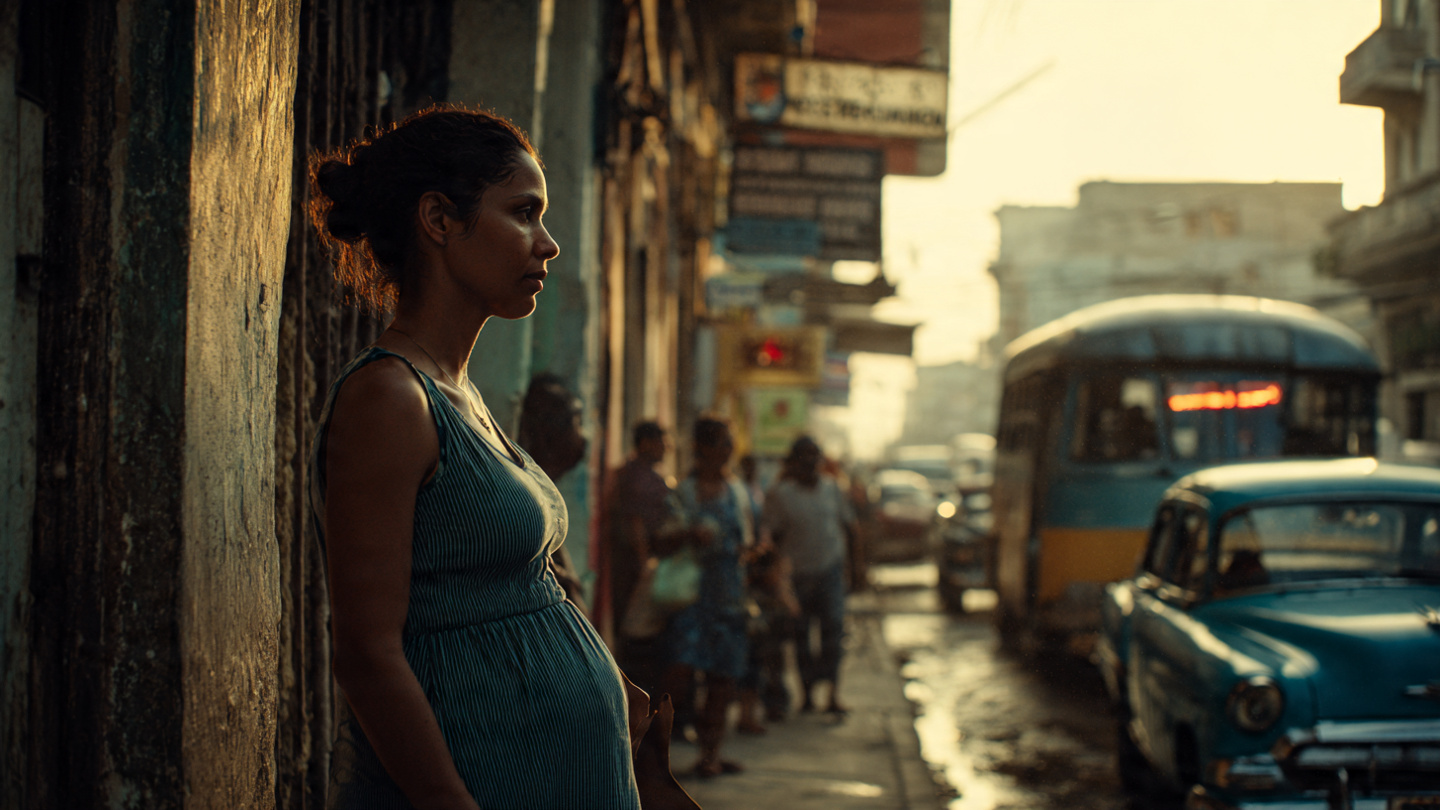
The situation facing expectant mothers in Cuba is a reminder of something global health experts have long understood: maternal well-being is one of the clearest indicators of a society under strain. When pregnant women cannot travel safely, eat adequately, rest properly, or trust emergency care to function, the warning signs extend far beyond maternity.
This lesson reaches beyond Cuba. Around the world, fuel shocks, inflation, infrastructure failures, and political restrictions often hit pregnant women disproportionately. The reason is simple. Pregnancy increases dependence on systems working well. When those systems falter, women carry the consequences in real time and in their own bodies.
There is also a moral dimension here. A society can be judged by how it treats those at their most vulnerable, and pregnancy is a period of profound vulnerability mixed with profound possibility. Protecting maternal health is not just about reducing statistics. It is about defending dignity, safety, and the right to bring new life into the world without preventable hardship.
Readers sometimes ask what practical empathy looks like in a crisis this complex. It starts with refusing to reduce women’s experiences to headlines about shortages. It means recognizing that behind every mention of disrupted transport is someone carrying a child while waiting in the heat. Behind every report of energy scarcity is a woman wondering whether the lights will stay on if labor begins tonight.
Conclusion: Pregnancy Should Never Depend on Luck
The Cuba fuel crisis has exposed how quickly pregnancy can become precarious when transport, electricity, nutrition, and healthcare reliability begin to fray at the same time. For pregnant women, the consequences are immediate and deeply human: missed care, rising stress, poorer nutrition, delayed emergency response, and a growing sense that safe motherhood depends too much on chance.
At the same time, the crisis highlights the resilience of women, families, and healthcare workers who continue to adapt under extraordinary pressure. But resilience should never be confused with sufficiency. The ability to endure a broken system does not mean that system is acceptable.
If there is one takeaway that deserves attention, it is this: maternal health must be treated as an urgent priority during any energy or economic emergency. Protecting pregnant women protects newborns, families, and communities. It also sends a clear signal about what a society values most when resources are stretched.
The conversation should not end with sympathy. It should move toward action, visibility, and sustained support for policies that keep prenatal care, emergency transport, and maternal nutrition functioning even in times of severe disruption. If this issue matters to you, keep it in public view, support organizations focused on women’s health, and advocate for crisis responses that put mothers and babies near the front of the line rather than at the margins. Pregnancy should require courage, yes, but it should never require luck.

