If you have ever finished a workout feeling crushed, only to realize later that you trained far harder than planned, you already understand why heart rate data matters. A good monitor does more than flash numbers on a screen. It helps you pace a long run, stay honest during interval sessions, avoid overtraining, and spot recovery trends before fatigue turns into burnout. The best heart rate monitors turn guesswork into actionable feedback.
I have always found that athletes improve faster when they stop relying only on effort and start pairing feel with data. On easy days, a heart rate monitor can keep you from drifting into moderate intensity. On hard days, it can confirm whether you are truly hitting the target zone. And if you are training for a race, building endurance, or simply trying to get healthier, that consistency compounds over time.
Today’s market includes chest straps, smartwatches, and performance-focused wearables from brands like Garmin, Polar, and Coros. Each has strengths, and the right choice depends on how you train, what metrics you care about, and how much comfort you are willing to trade for precision. This guide explains what to look for, which features actually matter, and how to choose a device that fits your goals.
Why Heart Rate Monitoring Still Matters
For all the excitement around sleep scores, readiness ratings, and AI-powered coaching, heart rate monitoring remains one of the most useful tools in fitness. It offers a real-time look at how your body responds to effort. That information can help beginners avoid going too hard too soon and help experienced athletes dial in performance with far greater accuracy.
Heart rate training is especially valuable because it works across different sports. Whether you are running, cycling, rowing, hiking, or doing high-intensity circuits, your heart rate reveals how stressful the session really is. Pace and power matter too, but those numbers do not always tell the whole story on hot days, hilly routes, or when fatigue is building.
- For endurance athletes: It helps control pacing and maintain aerobic efficiency.
- For strength and conditioning: It shows how quickly you recover between sets and circuits.
- For general fitness: It keeps workouts aligned with fat-burning, cardio, or interval goals.
- For recovery: Resting heart rate and heart rate variability can reveal stress and readiness trends.
In practical terms, this means fewer junk miles, smarter hard sessions, and a better understanding of when to push and when to back off.
Chest Strap vs Watch: Which Type Is Best?
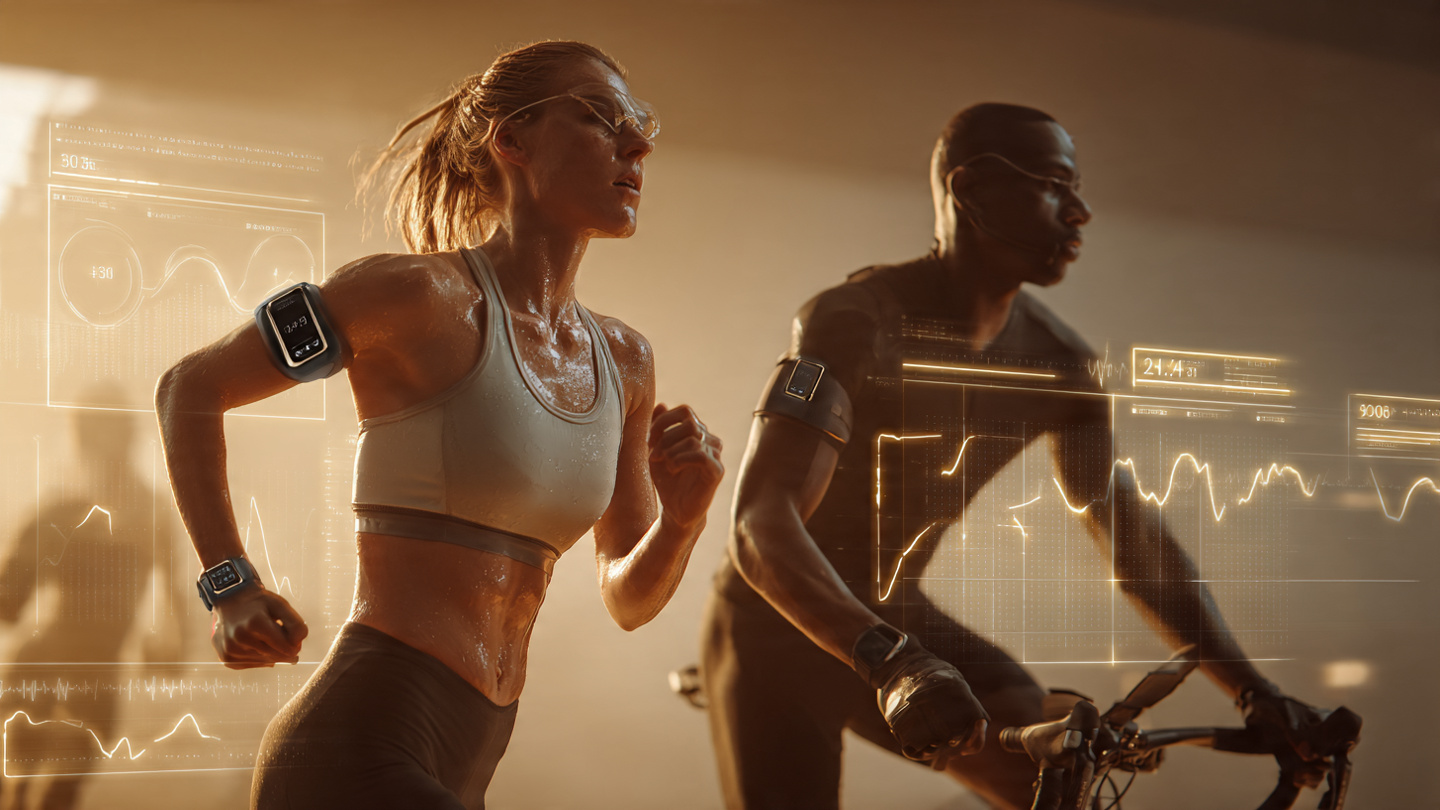
Most people choosing between the best fitness trackers with heart rate monitoring face a simple question: should you buy a chest strap or a wrist-based watch? The answer depends on whether you value precision, convenience, or a blend of both.
Chest Strap Heart Rate Monitors
Chest straps remain the gold standard for accuracy. They measure the electrical signals generated by your heartbeat, much like a simplified ECG. Because of that, they are typically faster to respond during sprints, intervals, and rapid pace changes than optical wrist sensors.
If you care about exact heart rate data for structured workouts, a chest strap heart rate monitor is usually the best option. This is especially true for runners doing tempo work, cyclists training by power and heart rate, and anyone following zone-based plans.
- Best for high-intensity intervals and precise zone training
- Usually more reliable during cold weather or sweaty sessions
- Often lighter and less distracting than a watch during competition
- Can pair with watches, bike computers, treadmills, and training apps
Wrist-Based Heart Rate Watches
A heart rate monitor watch is more convenient for everyday wear. It tracks workouts, sleep, recovery, stress, and often GPS location in one device. Modern optical sensors have improved dramatically, especially during steady-state exercise, but they can still struggle during weightlifting, hard intervals, and activities with a lot of wrist movement.
For many people, the all-in-one convenience outweighs the accuracy trade-off. If you want one wearable that handles training and daily health tracking, a watch is often the smartest buy.
- Best for all-day tracking, sleep, and recovery insights
- More comfortable for casual users and beginners
- Useful if you want notifications, maps, and smart features
- Ideal for people who do not want to wear a chest strap
What to Look for in the Best Heart Rate Monitors
Not every device marketed as a premium tracker is worth the price. The strongest products combine dependable data with comfort and software that makes sense. Before buying, focus on the features that directly affect your training.
Accuracy and Signal Stability
Accuracy should be your first filter. If a monitor spikes randomly or lags badly during intensity changes, the rest of its features become far less valuable. Chest straps generally win here, but higher-end watches from Garmin, Polar, and Coros can perform very well during steady aerobic sessions.
Comfort During Long Workouts
A strap that chafes or a watch that feels bulky will eventually end up in a drawer. Comfort matters more than many buyers expect, especially if you train in heat, sweat heavily, or wear the device for hours at a time. A good monitor should feel secure without becoming distracting.
Battery Life
Battery life is not just a convenience issue. If you are training for marathons, long rides, or multi-day adventures, frequent charging becomes a real problem. The best sports watches usually offer better endurance than smartwatch-style alternatives, while many chest straps can run for months on a coin cell battery.
Connectivity and Ecosystem
Look for Bluetooth and ANT+ support if you want to pair your device with multiple platforms. Compatibility with apps such as Strava, TrainingPeaks, Zwift, and indoor gym equipment can make a major difference. A strong ecosystem often adds more long-term value than an extra hardware feature.
Advanced Metrics
Some athletes need more than real-time pulse readings. Metrics like heart rate variability, recovery status, training load, VO2 max estimates, and resting heart rate trends can help you see the bigger picture. These features are most useful when they are presented clearly and consistently, not buried in flashy dashboards.
Top Brands Leading the Category

Three brands dominate the conversation around the best heart rate monitors for serious training: Polar, Coros, and Garmin. Each has built a loyal following, but they appeal to slightly different users.
Polar
Polar has a long-standing reputation for heart rate accuracy and athlete-focused metrics. The brand is especially respected for chest straps and recovery analysis. If your priority is reliable cardiovascular data first and lifestyle extras second, Polar remains a strong contender.
In my experience, Polar devices often appeal to people who want a no-nonsense training tool. They may not always chase the flashiest smartwatch features, but they tend to stay focused on the metrics that actually improve endurance performance.
Coros
Coros has earned attention by offering excellent battery life, clean software, and performance-minded features at competitive prices. The brand is popular with runners, ultra athletes, and cyclists who want serious tools without unnecessary clutter.
Coros devices often shine when you want long battery life and a straightforward training environment. If you dislike bloated menus and endless app distractions, this brand has a lot of appeal.
Garmin
Garmin remains one of the most versatile players in the market. It offers everything from dedicated chest straps to premium multisport watches loaded with training insights, maps, smart notifications, and health tracking. For many users, Garmin is the most complete ecosystem available.
The trade-off is complexity. Garmin can be incredibly powerful, but it may feel overwhelming if you just want simple heart rate data. That said, for runners, triathletes, cyclists, and outdoor athletes who want room to grow, Garmin is often the safest premium choice.
Best Heart Rate Monitor by Use Case
The smartest way to shop is to match the device to your training style rather than chasing the most expensive option.
Best for Running
Runners benefit from responsive data, lightweight design, and strong integration with interval workouts and recovery metrics. A chest strap is ideal for structured speed sessions, while a GPS watch with reliable optical sensing works well for easy runs and long aerobic efforts. If you are building mileage, watch how your heart rate behaves at familiar paces. Rising heart rate at the same speed can be an early warning sign of fatigue, heat stress, or poor recovery.
Best for Cycling
Cyclists usually get the most value from a chest strap because it pairs well with bike computers and power meters. During climbs and interval blocks, a fast and stable signal matters. If you train indoors on platforms like Zwift, strong connectivity becomes even more important.
Best for Strength Training and HIIT
Wrist sensors can struggle during lifting because gripping weights and flexing the wrist can distort optical readings. For circuits, CrossFit-style sessions, and high-intensity interval training, a chest strap is generally better. It will track spikes and recovery drops more accurately, which matters when you are using heart rate to guide work-rest ratios.
Best for General Wellness
If your goals include better sleep, more daily activity, and broad health awareness, a watch makes more sense. The best models track all-day heart rate, resting trends, stress, and sleep alongside workouts. For many busy people, convenience is the deciding factor. The monitor you actually wear every day is usually more useful than the perfect one you leave at home.
How to Use Heart Rate Data More Effectively

Buying the right device is only half the equation. To get real value from a heart rate monitor for fitness, you need to apply the data intelligently.
Learn Your Training Zones
Many athletes rely on default age-based estimates, but personalized zones are far more useful. If your device supports guided testing or lactate threshold estimation, take advantage of it. Better zones lead to better pacing and better recovery decisions.
Compare Heart Rate With Effort
One of the best habits is to compare your heart rate with how the session feels. If an easy pace suddenly produces a much higher-than-normal heart rate, your body may be under more stress than you realize. On the other hand, if hard efforts fail to raise your heart rate as expected, you may be carrying fatigue.
Watch Trends, Not Single Readings
A single strange number is rarely meaningful. Look for patterns over time instead. Resting heart rate, sleep quality, and heart rate variability become more useful when tracked across weeks rather than judged day by day.
- Use easy days to stay truly easy
- Use hard days to confirm training intensity
- Monitor recovery trends after travel, poor sleep, or illness
- Adjust effort in heat, humidity, and high altitude
Common Buying Mistakes to Avoid
Even good devices disappoint when expectations do not match reality. A few common mistakes show up again and again.
Paying for Features You Will Never Use
If you do not need onboard maps, music storage, and smartwatch apps, you may be better served by a simpler training watch or a chest strap paired with your phone.
Ignoring Fit and Comfort
A brilliant sensor is not helpful if it irritates your skin or slides around during workouts. Comfort directly affects compliance, and compliance drives results.
Assuming Every Optical Sensor Performs the Same
They do not. Sensor quality, placement, algorithms, and skin contact all matter. Two watches with similar specs can behave very differently during exercise.
Using Data Without Context
Heart rate is powerful, but it is not magic. Caffeine, dehydration, stress, temperature, and lack of sleep can all affect readings. The best decisions come from combining numbers with common sense.
Final Verdict: Which Type Should You Choose?
If your top priority is accuracy, especially for intervals, racing, or structured training, choose a chest strap from a trusted brand like Polar or Garmin. If you want an all-day wearable that handles workouts, recovery tracking, and broader health insights, a quality watch from Garmin, Coros, or Polar will serve you better.
For most serious athletes, the ideal setup is surprisingly simple: a sports watch for daily use and GPS tracking, paired with a chest strap for key sessions. That combination gives you convenience when it matters and precision when it counts.
The bottom line is that the best heart rate monitor is the one that fits your routine, supports your goals, and gives you data you will actually use. Choose carefully, learn your zones, and let the numbers guide you rather than control you. If you are ready to train smarter, recover better, and understand your body on a deeper level, now is the perfect time to upgrade your setup and put heart rate tracking to work.
Take the next step: define your priority first, whether that is accuracy, recovery, convenience, or value, and choose a monitor that matches it. Once you do, your workouts stop being random exercise and start becoming intentional training.

