Noise is one of the most underestimated threats to long-term wellness. It sneaks into everyday life through packed subway cars, late-night city traffic, snoring partners, open-plan offices, and live music that feels thrilling in the moment but leaves your ears ringing afterward. If you have ever struggled to sleep through a party next door or walked out of a concert with muffled hearing, you already know how quickly sound can go from enjoyable to exhausting.
The good news is that the best earplugs for hearing protection can make an immediate difference. A great pair helps reduce harmful noise without making you feel isolated, uncomfortable, or unable to function. Some are designed for deep sleep, some for concerts and festivals, and others for travel, work, or studying. The real key is understanding that not all earplugs work the same way, and the right choice depends on how and where you plan to use them.
I have become much more careful about protecting hearing over the years, especially after realizing how common temporary ringing and sound fatigue had become after loud events. Once you start paying attention, it becomes obvious: hearing protection is not just for factory floors or airports. It belongs in daily life. Choosing the right earplugs is one of the simplest, smartest upgrades you can make for comfort, focus, and long-term hearing health.
Why Hearing Protection Matters More Than Most People Think
Your ears do not get a reset button. Repeated exposure to loud environments can gradually damage the delicate structures responsible for how you hear. That damage may show up as temporary ringing, trouble understanding speech in noisy rooms, or lasting sensitivity to sound. In many cases, people do not notice the effects until the strain has already built up over time.
That is why hearing protection should be viewed as preventive care rather than an emergency response. Earplugs are not only for extreme noise. They are useful whenever your environment is loud enough to interrupt sleep, concentration, comfort, or recovery.
- For sleep: Earplugs can reduce disruptions from snoring, traffic, neighbors, and household noise.
- For concerts: Music earplugs help lower volume while preserving more clarity than basic foam plugs.
- For travel: They can soften engine noise, crying babies, and general cabin disturbance.
- For work and study: They help create a calmer environment when focus matters.
- For daily wellness: They reduce auditory overload and support better rest.
One of the biggest misconceptions is that earplugs ruin the experience. High-quality options do the opposite. They reduce the harshness, lower the risk, and make loud environments far more manageable.
What Makes the Best Earplugs in 2026?
The market for best earplugs has evolved dramatically. Today’s options are more specialized, more comfortable, and better designed than the generic plugs many people remember. Instead of one-size-fits-all solutions, 2026 brings smarter choices built around specific needs.
Comfort and Fit
If earplugs hurt, fall out, or create pressure, you will not wear them consistently. Comfort should come first. Soft silicone, low-pressure foam, and well-contoured flanges are usually best for long sessions, especially overnight use.
Noise Reduction Rating and Real-World Performance
Many shoppers focus only on the Noise Reduction Rating, often abbreviated as NRR. While that number matters, it is not the entire story. Foam earplugs may offer high overall reduction, but they can also block too much or feel impractical in social settings. Music earplugs often provide lower NRR on paper while delivering better sound quality and more balanced listening.
Purpose-Built Design
The best earplugs for sleeping are usually different from the best earplugs for concerts. Sleep models prioritize softness, side-sleeper comfort, and sustained wear. Concert models focus on lowering harmful volume without muddying vocals and instruments.
Reusable vs. Disposable
Disposable foam earplugs remain affordable and effective, especially for sleep or occasional travel. Reusable earplugs are often more durable, more eco-conscious, and more visually discreet. Many people end up keeping both on hand.
Best Earplugs for Sleep
When sleep is the goal, comfort is non-negotiable. The ideal pair should reduce disruptive noise enough to help you relax without causing soreness after several hours. For side sleepers, bulkier designs can become a problem quickly, so slimmer profiles tend to perform better.
Foam earplugs remain a top choice for many people because they are inexpensive, widely available, and excellent at blocking broad-spectrum noise. When inserted correctly, they can significantly reduce environmental sound. They are especially useful if your biggest sleep disruptors are snoring, street noise, or loud neighbors.
That said, not everyone loves foam. Some find it too occlusive or slightly uncomfortable over long periods. In those cases, soft silicone or moldable wax-style options can be more pleasant, especially for people with sensitive ear canals.
Who Should Choose Sleep Earplugs?
- Light sleepers who wake up easily from sudden sounds
- People sharing a room with a snoring partner
- Shift workers sleeping during daytime hours
- Travelers staying in hotels or unfamiliar environments
- Urban residents dealing with recurring nighttime noise
From personal experience, the biggest benefit is not just blocking sound. It is reducing the anticipation of noise. Once you stop waiting for the next interruption, your body relaxes faster, and sleep tends to come more naturally.
Best Earplugs for Concerts and Live Events
Concerts are where many people first realize they need better earplugs for concerts. Standard foam plugs can certainly reduce volume, but they often dull the experience. Music-specific earplugs use acoustic filters that aim to lower decibel levels more evenly across frequencies, which helps preserve vocals, instruments, and overall balance.
If you attend live music regularly, this is usually the category worth investing in. A good filtered earplug can make loud shows more enjoyable while helping you avoid post-concert ringing and fatigue. The sound feels cleaner, less sharp, and easier to tolerate for longer periods.
What to Look for in Music Earplugs
- Filtered attenuation: Reduces sound more naturally than solid-block designs
- Discreet fit: Sits securely without being obvious in social settings
- Reusable construction: Ideal for festivals, clubs, and repeated use
- Carrying case: Makes it easier to keep them on your keychain or in a pocket
- Multiple tip sizes: Improves comfort and seal for different ears
There is also a practical advantage many people overlook: you can often hear conversation more clearly with quality music earplugs than with poorly fitted foam plugs. That makes them more versatile for crowded venues, rehearsals, and nightlife.
Best Earplugs for Travel, Focus, and Everyday Noise
Not all noise challenges involve sleep or loud entertainment. Sometimes the goal is simply to create a calmer personal environment. On planes, trains, and buses, earplugs can reduce the draining background noise that makes travel feel more tiring than it should. In open offices or shared spaces, they can support focus without fully disconnecting you from the world.
This is where versatility matters. Some people prefer a moderate-reduction reusable plug that softens the environment while keeping them aware of announcements or nearby conversation. Others prefer maximum isolation, especially during long-haul flights or intense study sessions.
The best approach is to match the plug to the task. If you want to sleep on a plane, soft high-reduction plugs may work best. If you want to read, write, or concentrate at a cafe, a reusable low-profile option may feel more natural.
How to Choose the Right Earplugs for Your Needs
Shopping for earplugs becomes much easier when you start with context instead of brand names. Think about when you will use them, how long you will wear them, and whether sound quality matters.
Choose Based on Use Case
- Sleep: Prioritize softness, pressure relief, and high noise blocking
- Concerts: Prioritize filtered sound and reusable design
- Travel: Balance comfort, portability, and moderate to high reduction
- Studying: Look for stable fit and reduced distraction without total isolation
- Workplace noise: Choose based on safety needs and duration of wear
Know Your Ear Shape and Sensitivity
Ear canals vary more than most people expect. A product that feels perfect for one person may feel intrusive for another. If you have smaller ears, look for products with size options. If your ears are sensitive, softer materials and lower-profile shapes are usually safer choices.
Decide Whether Reusability Matters
Reusable earplugs are convenient and cost-effective over time, but they require cleaning and storage. Disposable earplugs offer simplicity and hygiene, though they generate more waste and may not always deliver the most refined user experience.
Common Mistakes People Make With Earplugs
Even the best earplugs for hearing protection will disappoint if used incorrectly. Many comfort complaints and performance issues come down to fit, insertion, and unrealistic expectations.
- Poor insertion: Foam earplugs must be compressed and inserted properly to seal well.
- Wrong category: Sleep plugs and music plugs are built for different jobs.
- Ignoring discomfort: Pain is a sign the size, shape, or material may be wrong.
- Skipping cleaning: Reusable plugs need regular maintenance for hygiene and longevity.
- Assuming louder is safe: Earplugs reduce risk, but they do not make extreme noise harmless.
One of the most valuable habits is testing earplugs before you really need them. Do not wait until boarding a red-eye flight or entering a loud venue. Try them at home first, check the fit, and make sure you know how to insert them correctly.
Earplug Materials and Design Differences Explained
The material affects nearly everything: comfort, seal, durability, and sound profile.
Foam
Foam earplugs expand inside the ear canal to create a strong seal. They are excellent for noise blocking and are often the best budget option for sleep and travel. Their main downsides are limited reuse and less refined sound for music.
Silicone
Silicone earplugs are often reusable, easy to clean, and available in multiple shapes. Some have flanged designs for a secure fit, while moldable versions sit more at the ear opening. They are popular for sleeping, swimming, and daily carry.
Filtered Acoustic Designs
These are the preferred choice for concerts, nightlife, and musicians. Instead of simply blocking sound, they aim to reduce volume more evenly across frequencies. That helps preserve detail while still supporting hearing protection.
When You Should Consider Upgrading to Custom Earplugs
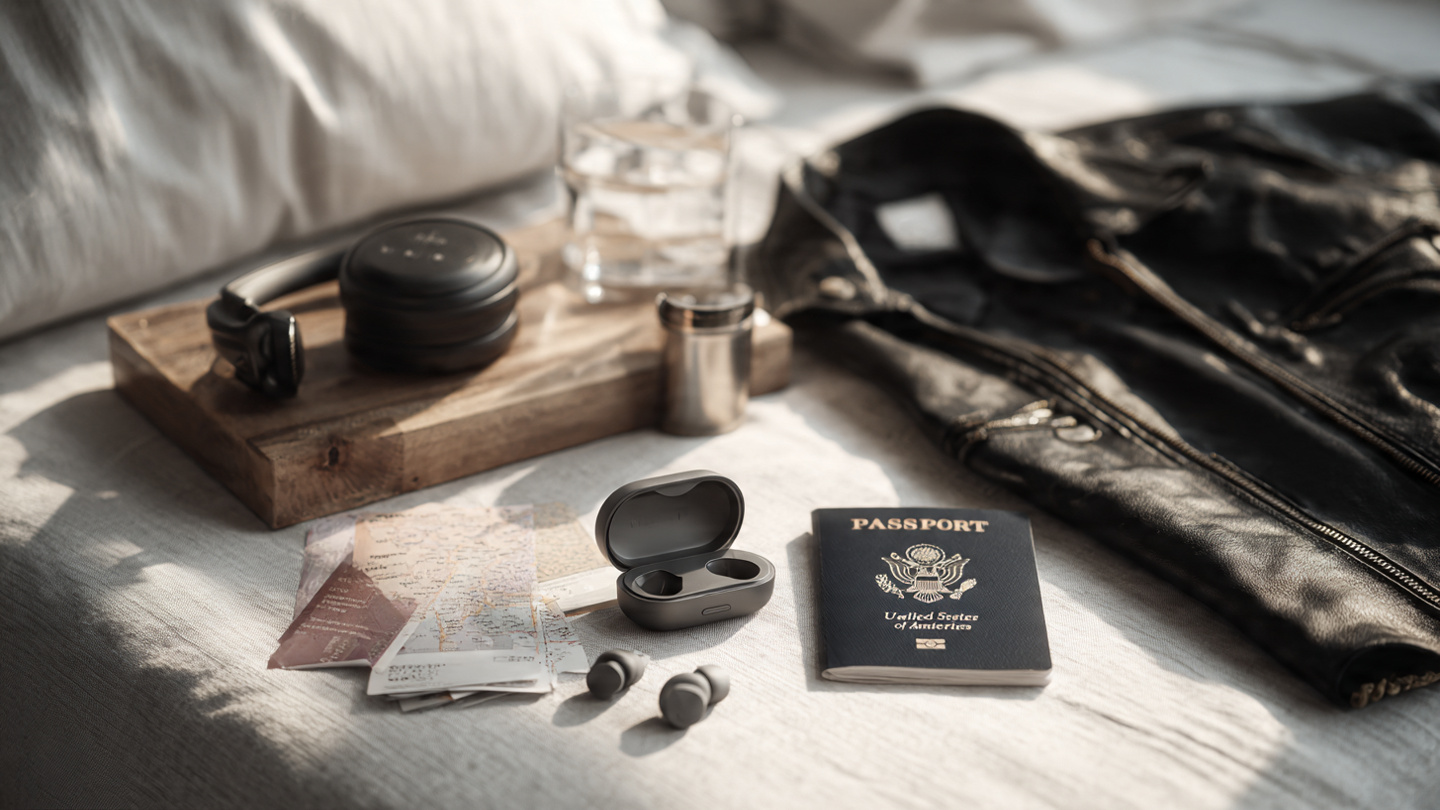
If you wear earplugs often, struggle with standard fits, or regularly attend loud events, custom-molded earplugs may be worth considering. They are more expensive, but the payoff can be substantial in comfort, seal, and consistency. Musicians, frequent concertgoers, motorcyclists, and people working in noisy environments often find custom options easier to wear for long periods.
For most readers, however, high-quality universal-fit earplugs are more than enough. The important step is simply moving beyond the idea that any random pair will do. Thoughtful selection changes the experience completely.
How Earplugs Fit Into a Smarter Hearing Health Routine
Earplugs are not a standalone fix. They work best as part of a broader hearing-conscious lifestyle. That includes turning down headphone volume, taking listening breaks, stepping away from speakers at events, and paying attention to warning signs like ringing or muffled hearing after exposure.
If you already notice persistent ringing, sound sensitivity, or difficulty understanding speech, it may be time to speak with a hearing professional. Preventive action is always easier than trying to manage permanent changes later.
A simple rule helps: if an environment feels uncomfortably loud or leaves your ears tired afterward, it is probably time to use hearing protection.
Conclusion
The best earplugs are the ones you will actually wear consistently. For some people, that means soft foam plugs by the bed. For others, it means reusable filtered earplugs clipped to a keychain before every concert. The category matters, the fit matters, and comfort matters more than most buyers realize.
What makes earplugs so valuable is their everyday practicality. They can improve sleep quality, reduce stress during travel, protect your ears at live events, and help preserve one of your most important senses over the long term. That is a small habit with a very real payoff.
If you are ready to protect your hearing more seriously, start by choosing earplugs for the situation you face most often. Build from there, test what feels best, and make them part of your routine. Your future self will thank you for every loud moment you handled a little more wisely.
Take the next step: choose one pair for sleep, one pair for concerts or travel, and begin treating hearing protection as an essential part of daily health, not an afterthought.

