Calcium is often treated as a dairy-only nutrient, but that idea leaves out an entire world of foods that can help you meet your daily needs. If you do not drink milk, avoid cheese, follow a plant-based diet, or simply want more variety on your plate, there are plenty of smart options. In fact, some non-dairy calcium foods deliver impressive amounts of this mineral while also offering fiber, protein, healthy fats, and important vitamins.
I have found that many people assume their calcium intake must suffer the moment dairy is reduced. In real life, that is rarely true when meals are built intentionally. A breakfast with fortified soy milk, a lunch featuring kale or white beans, and a snack of almonds or tahini can add up quickly. The real goal is not to copy dairy exactly. It is to create a pattern of eating that supports bone health, muscle function, nerve signaling, and healthy aging.
This guide breaks down 11 of the best calcium-rich foods without dairy, explains why they matter, and shows how to use them in everyday meals. Whether you are lactose intolerant, vegan, or just looking for better nutrition, these foods can help you boost your intake with confidence.
Why Calcium Matters Beyond Bone Health
Most people connect calcium with bones, and that is absolutely important. The body stores the vast majority of its calcium in bones and teeth, helping maintain strength and structure over time. But calcium does more than protect your skeleton. It also plays a role in muscle contraction, blood clotting, heart rhythm, and communication between nerves.
That is why low calcium intake over months or years can create problems that are bigger than many people realize. When dietary intake is too low, the body may pull calcium from bones to keep essential systems working. Over time, that can increase the risk of weaker bones and fractures.
For adults, daily calcium needs typically land around 1,000 to 1,200 milligrams, depending on age and sex. The exact number varies, but the broader point remains the same: consistent intake matters. Getting calcium from food is often ideal because whole foods deliver a nutritional package, not just a single isolated nutrient.
- Calcium supports bones, teeth, muscles, nerves, and heart function.
- Needs vary by age, sex, and life stage, especially during adolescence and older adulthood.
- Food sources matter because they often include magnesium, vitamin K, protein, and other helpful nutrients.
- Non-dairy options can fit vegan, lactose-free, and flexitarian eating styles.
11 Non-Dairy Calcium-Rich Foods to Add to Your Diet
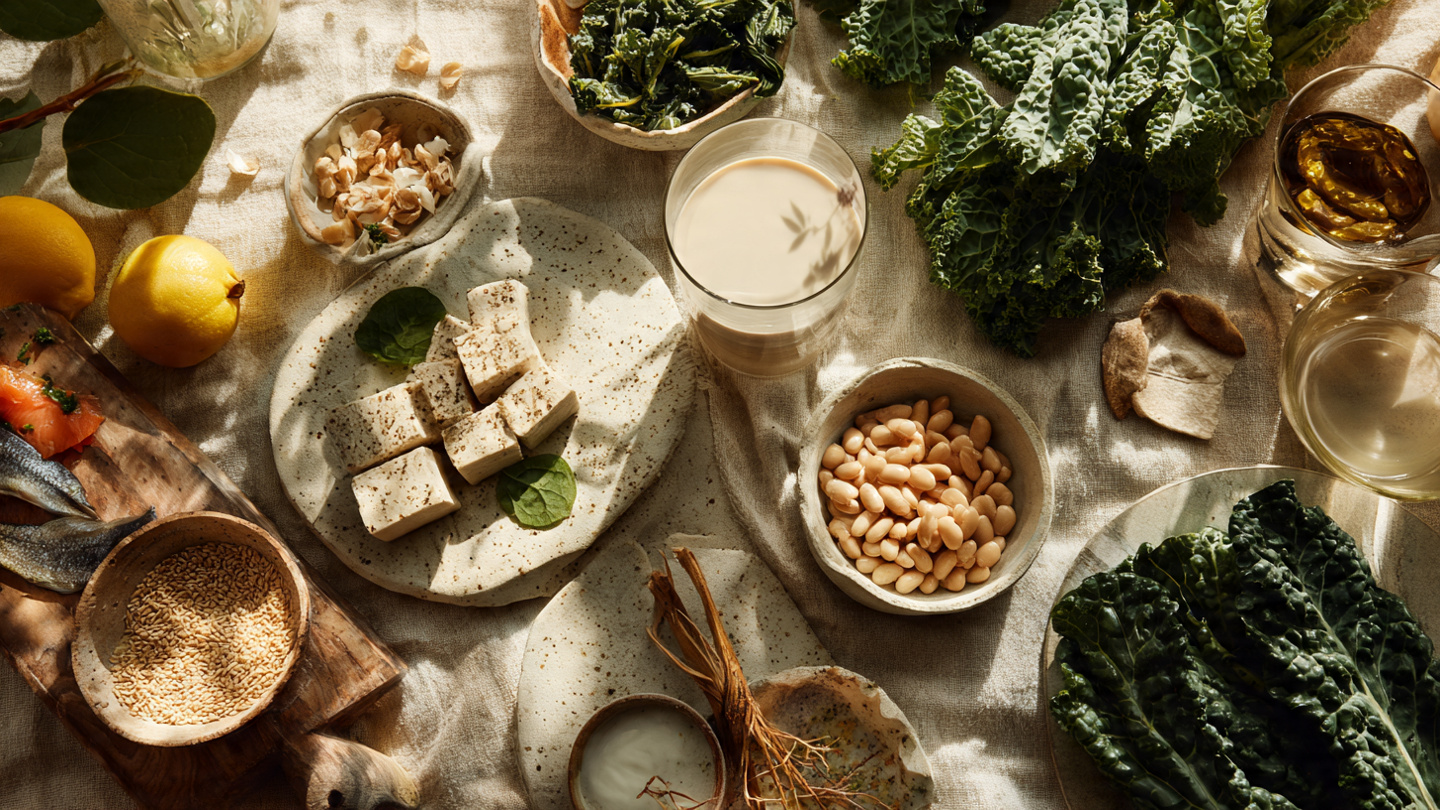
1. Fortified Soy Milk
If there is one non-dairy option that deserves the spotlight, it is fortified soy milk. Many brands provide calcium levels similar to cow's milk, and some contain over half the daily recommendation in a single serving. It is also one of the best plant-based choices for protein, making it especially useful for people who want a practical dairy substitute.
The key word here is fortified. Naturally, soybeans contain some calcium, but fortified soy milk is designed to deliver much more. Shake the carton before pouring, since added calcium can settle at the bottom. I often recommend soy milk for smoothies, oatmeal, soups, and coffee because it is versatile and easy to use daily.
2. Tofu Made With Calcium Sulfate
Tofu can be a calcium powerhouse, but the amount depends on how it is made. When tofu is set with calcium sulfate, it can provide a substantial dose per serving. This makes it one of the most efficient vegan calcium sources available.
Tofu also earns extra points for flexibility. It works in stir-fries, grain bowls, curries, scrambles, and even blended sauces. For anyone trying to eat more plant protein and more calcium at the same time, tofu solves both problems elegantly.
3. Sardines With Bones
Sardines are one of the most underrated foods in nutrition. Because the soft edible bones are included, they are naturally rich in calcium. They also provide omega-3 fatty acids, vitamin D, and protein, all of which support overall health and can complement a bone-friendly diet.
If the idea sounds intimidating, start simple. Mash sardines onto whole-grain toast with lemon and herbs, or add them to a salad with tomatoes and olives. They are budget-friendly, shelf-stable, and incredibly nutrient-dense.
4. Canned Salmon With Bones
Like sardines, canned salmon with bones is a highly effective way to increase calcium intake without relying on dairy. The bones are soft enough to eat and blend easily into salmon patties, salads, or sandwich fillings.
This is one of those foods people overlook because they think of fresh salmon first. Nutritionally, canned salmon can be a smart pantry staple, especially when you want both calcium and vitamin D in one meal.
5. Collard Greens
Leafy greens deserve a permanent place in any conversation about foods high in calcium. Collard greens stand out because they contain a meaningful amount of calcium and are easy to cook in large portions. Unlike spinach, which contains oxalates that reduce calcium absorption, collards are generally considered a more efficient choice for actually using the calcium they provide.
Saute them with garlic and olive oil, stir them into beans, or braise them with onions and vegetable broth. Their hearty texture makes them satisfying even for people who do not usually love greens.
6. Kale
Kale has earned its reputation for a reason. It offers calcium along with vitamin K, vitamin C, and a range of antioxidants. It is one of the best leafy greens for people who want to support bone health through food.
Personally, I think kale becomes much more approachable when prepared correctly. Massage it for salads, roast it into chips, blend it into soups, or add it to pasta and grain bowls. It does not need to be trendy to be useful; it simply works.
7. White Beans
White beans are affordable, filling, and quietly rich in minerals, including calcium. They also contribute fiber and plant protein, which makes them ideal for people trying to build balanced meals that keep them full.
Add white beans to minestrone, mash them into toast toppings, or toss them with olive oil, lemon, and herbs for a simple side dish. They are a practical example of how boosting calcium does not have to mean chasing expensive specialty products.
8. Almonds
Almonds are a convenient snack that contributes calcium in a portable form. While they may not match fortified foods or canned fish serving for serving, they are still valuable because they are easy to eat consistently. They also supply healthy fats, magnesium, and vitamin E.
A handful of almonds, sliced almonds over oatmeal, or almond butter spread on fruit can all support your daily intake. The bigger lesson is that calcium often comes from accumulation across the day, not a single perfect meal.
9. Tahini
Tahini, the creamy paste made from sesame seeds, is another smart addition to a non-dairy eating pattern. Sesame seeds contain calcium, and tahini makes them easier to use in generous amounts. It adds richness to dressings, sauces, dips, and grain bowls while quietly improving nutrient density.
One of my favorite practical strategies is whisking tahini with lemon juice, garlic, and water for a quick sauce. It turns simple roasted vegetables or chickpea bowls into something craveable, which is often the difference between a healthy plan and a sustainable one.
10. Chia Seeds
Chia seeds may be tiny, but they pack an impressive nutritional punch. They contain calcium, fiber, and omega-3 fats, making them a useful staple in smoothies, yogurt alternatives, puddings, and overnight oats.
Because they absorb liquid and create a gel-like texture, they can also improve texture and satiety in meals. A tablespoon or two here and there will not cover your full needs, but it is an easy way to build your intake over time.
11. Fortified Orange Juice
Fortified orange juice can be another effective source of calcium, especially for people who struggle to fit traditional calcium-rich foods into their meals. Some varieties deliver calcium levels comparable to milk, though it is still important to choose options thoughtfully and watch portion sizes due to natural sugar content.
This is best treated as one helpful tool rather than the foundation of your nutrition plan. Pair it with a protein-rich breakfast or use it strategically when your overall calcium intake is low.
How to Improve Calcium Absorption
Getting enough calcium is important, but so is helping your body use it well. A few nutritional factors can make a meaningful difference. Vitamin D is one of the most important because it helps the body absorb calcium efficiently. That means sunlight exposure, fortified foods, fatty fish, or supplements may all play a role depending on your circumstances.
It is also useful to know that not all plant foods behave the same way. Spinach, beet greens, and Swiss chard contain calcium, but they are also high in compounds called oxalates, which reduce absorption. Foods like kale, bok choy, and collard greens tend to offer calcium that is more available to the body.
Another practical tip is to spread calcium intake across the day. The body generally absorbs moderate amounts more efficiently than very large doses all at once. Instead of trying to force all your calcium into one meal, build it into breakfast, lunch, dinner, and snacks.
- Pair calcium with vitamin D for better absorption.
- Choose low-oxalate greens like kale and collards more often than spinach for calcium purposes.
- Spread intake out across meals and snacks instead of relying on a single large serving.
- Check labels on fortified foods because calcium amounts vary by brand.
Easy Meal Ideas to Increase Calcium Without Dairy
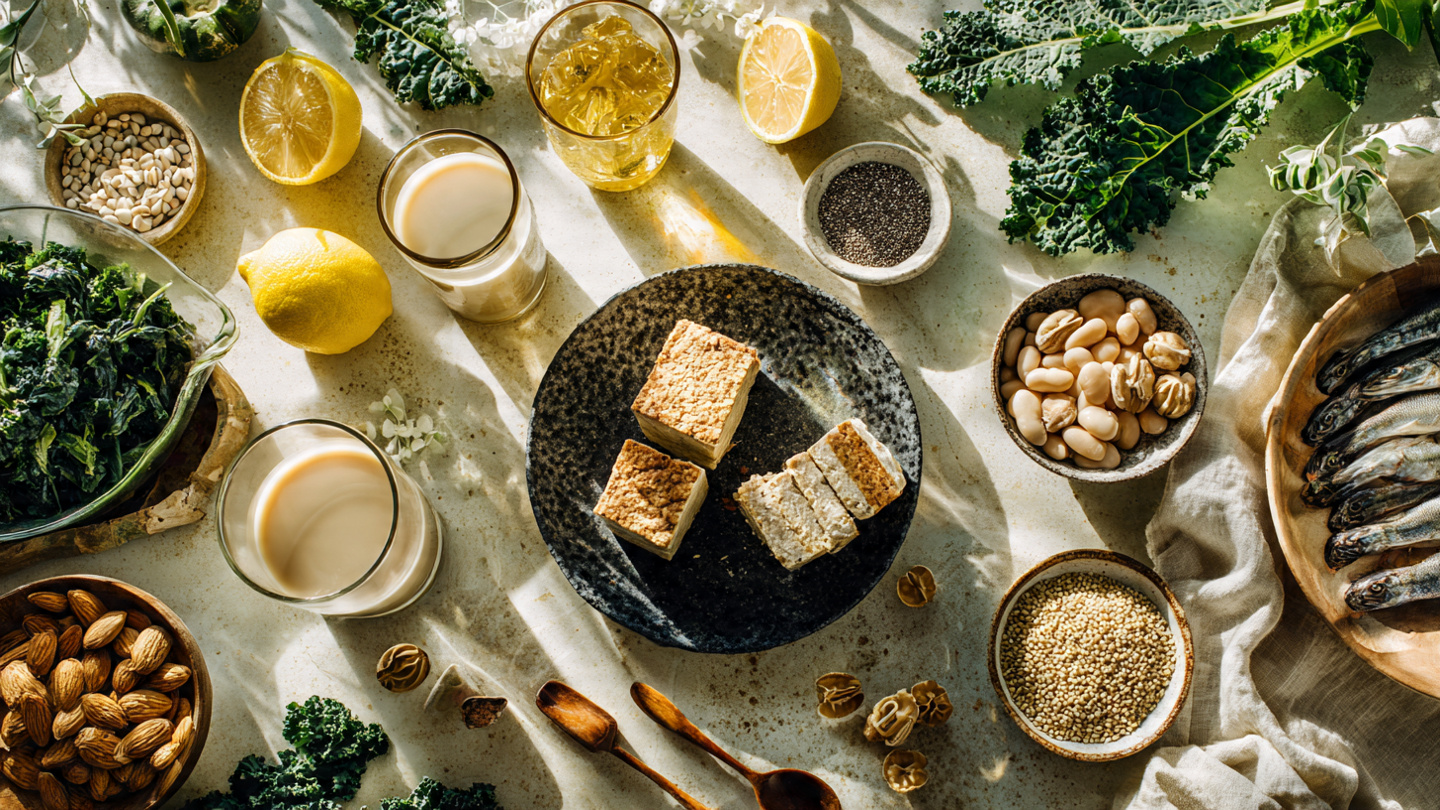
Knowing the foods is helpful, but using them consistently is what changes your nutrition. The easiest approach is to combine multiple non-dairy calcium sources in the same day rather than fixating on one star ingredient.
Breakfast
Blend fortified soy milk, chia seeds, and kale into a smoothie, or make overnight oats with soy milk, almonds, and fruit. If you prefer savory breakfasts, scramble tofu with greens and serve it with whole-grain toast.
Lunch
Build a grain bowl with tofu, collard greens, white beans, and tahini dressing. Another easy option is a kale salad topped with salmon or sardines, pumpkin seeds, and a bright lemon vinaigrette.
Dinner
Try a bean stew with leafy greens, a stir-fry with calcium-set tofu, or salmon patties made with canned salmon. These meals are filling, realistic, and rich in more than just calcium.
Snacks
Snack on almonds, sip a small glass of fortified orange juice with a meal, or use tahini as a dip for vegetables. Little choices done repeatedly often beat dramatic changes that do not last.
Who Should Pay Extra Attention to Calcium Intake?
Almost everyone benefits from paying attention to calcium, but some groups should be especially mindful. Teens need enough calcium to support growth and bone development. Older adults may need more support for maintaining bone density. People who avoid dairy completely, whether for ethical, digestive, or personal reasons, should take a more intentional approach to meal planning. Postmenopausal women also have increased risk of bone loss and may benefit from careful dietary review.
If you have a medical condition that affects nutrient absorption or you suspect your intake is consistently low, it is worth discussing your needs with a registered dietitian or healthcare provider. Food should come first when possible, but some individuals may need supplements depending on their full diet and health history.
Conclusion
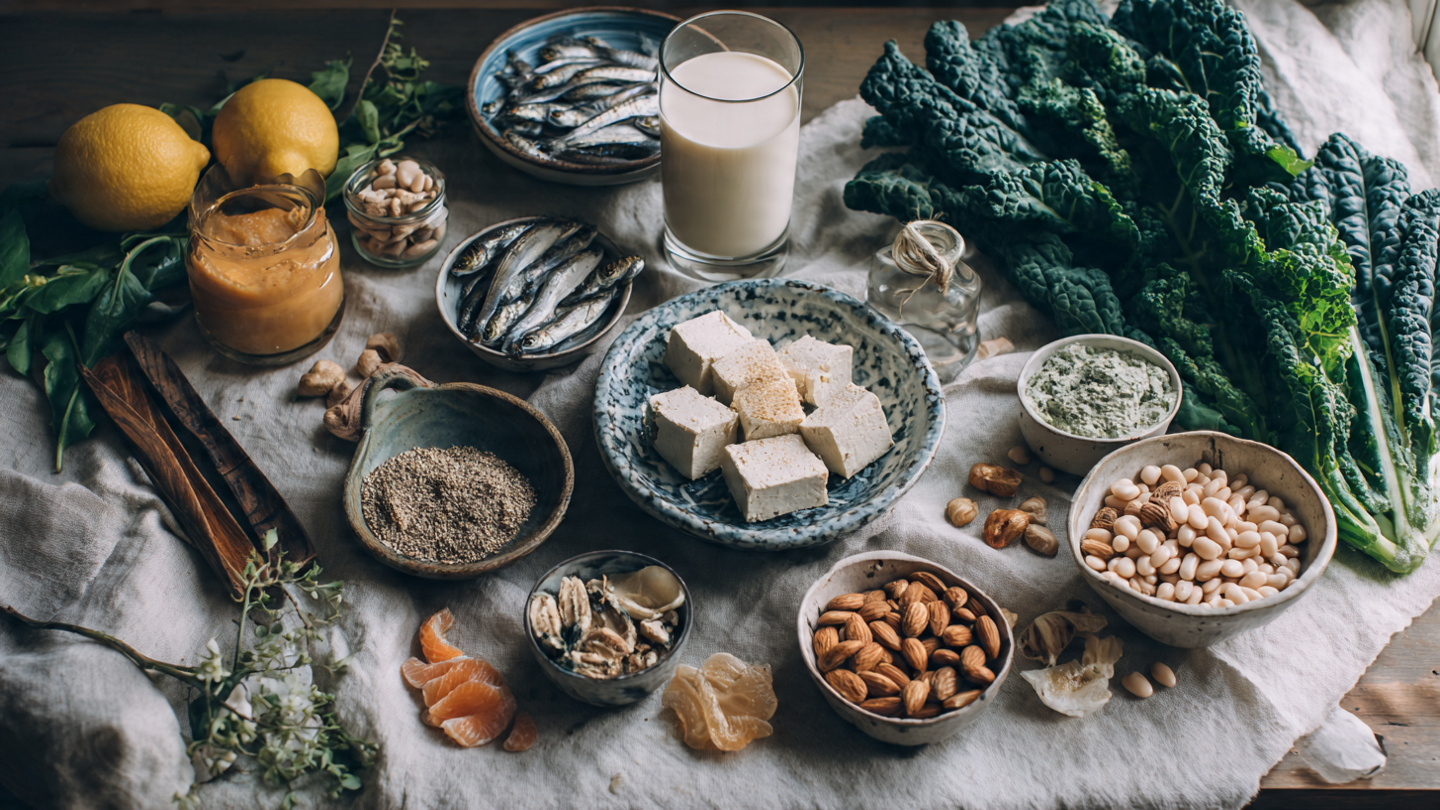
There is no rule that says calcium must come from milk, yogurt, or cheese. A well-planned diet can provide plenty of calcium through fortified soy milk, tofu, leafy greens, beans, fish with edible bones, nuts, seeds, and fortified beverages. The most effective strategy is not perfection. It is consistency.
When you build meals around calcium-rich foods without dairy, you are doing more than protecting bones. You are supporting muscle function, long-term mobility, and overall health in a way that fits modern, flexible eating habits. Start with two or three of the foods on this list, add them to meals you already enjoy, and let those habits build naturally.
If you have been assuming dairy is your only path to strong bones, this is your sign to rethink the menu. Choose one new non-dairy calcium food this week, put it on your shopping list, and turn better nutrition into something practical, satisfying, and sustainable.

