Great skin care often comes down to consistency, but there comes a point when even the most faithful routine can feel like it is only doing so much. Serums can hydrate, exfoliants can brighten, and retinoids can improve texture, yet many people still want more visible support for fine lines, uneven tone, and loss of firmness. That is where at-home anti-aging lasers have started to change the conversation.
These devices promise something compelling: professional-style skin rejuvenation in your own bathroom, without needles, downtime, or the discomfort that keeps many people from booking in-office treatments. For anyone who has looked in the mirror and thought, “I want my skin to look fresher, tighter, and more even, but I do not want a major procedure,” this category makes a lot of sense.
What makes the current generation of devices especially interesting is that the best options do not simply sit on top of the skin like a cream. They are designed to work with the skin’s natural repair mechanisms, encouraging a healthier-looking surface over time. Brands like Lyma Laser and NIRA have become two of the most talked-about names because they target common aging concerns while remaining approachable for home use.
In my view, the appeal is not just convenience. It is control. You can build a realistic routine, track your own progress, and invest in a tool that keeps working long after a single appointment would have ended. The key is understanding what these devices actually do, who they are best for, and whether they are worth the money.
Why At-Home Anti-Aging Lasers Are Getting So Much Attention
The demand for non-invasive skin rejuvenation has exploded for a simple reason: most people want results without the stress of recovery. Traditional in-office laser treatments can be effective, but they often come with redness, peeling, sensitivity, or a high price tag per session. At-home devices step into that gap by offering a gentler, more gradual approach.
The best at-home anti-aging lasers are designed to support improvements in:
- Fine lines and wrinkles, especially around the eyes and mouth
- Skin texture, including roughness and early signs of creasing
- Skin tone, helping the complexion look more even and refreshed
- Elasticity, so skin appears firmer and less tired
- Overall radiance, which often fades as collagen production slows with age
One reason these devices feel especially relevant today is that skin care consumers are more educated than ever. People are not just buying products because they are trendy. They want tools backed by plausible science, practical use cases, and visible progress. An at-home laser fits that mindset perfectly because it promises measurable payoff over time rather than a fleeting cosmetic effect.
There is also a financial argument. While the upfront cost can feel significant, many users compare it to repeated facials, clinic appointments, or a constantly rotating lineup of expensive products. When viewed as a long-term tool rather than a one-time impulse buy, the math starts to look different.
How At-Home Lasers Work for Anti-Aging

At a basic level, at-home laser skin care devices use focused light energy to stimulate the skin beneath the surface. The goal is not to damage the skin in the dramatic way some clinical treatments do, but to encourage natural repair processes that support healthier, younger-looking skin over time.
That often includes helping the skin produce more of what it loses with age, especially collagen, which plays a central role in firmness and resilience. When collagen levels decline, skin can start to look thinner, slacker, and less smooth. By supporting the skin’s renewal response, anti-aging laser devices aim to improve the appearance of lines, tone, and texture gradually.
Many shoppers confuse lasers with LED masks, and while both use light, they are not identical. A laser delivers a more concentrated form of energy, which is one reason Lyma Laser and NIRA laser products are often positioned as more targeted treatment tools rather than general wellness gadgets.
What Benefits Can You Realistically Expect?
The most important word here is consistency. These are not magic wands, and anyone promising overnight transformation is overselling the category. The people who tend to love these devices most are the ones willing to use them regularly and think in terms of months, not days.
With proper use, realistic benefits may include:
- Softer-looking crow’s feet and expression lines
- Smoother skin texture, especially on areas prone to creasing
- A more refined, polished look to the complexion
- Subtle firming that makes the face look more rested
- Improved confidence from having a routine that feels active and purposeful
Personally, I think one of the biggest advantages is psychological as much as cosmetic. When a device is easy to use and painless enough to fit into daily life, it becomes much easier to stay committed. That compliance often matters more than chasing the strongest possible treatment.
Lyma Laser vs NIRA: Which At-Home Laser Is Best?
When people search for the best at-home laser for wrinkles, they usually encounter two names quickly: Lyma and NIRA. Both are premium devices, both focus on anti-aging concerns, and both are marketed as convenient alternatives to more aggressive treatments. Still, they appeal to slightly different users.
Lyma Laser
Lyma Laser has built a reputation as a luxury skin care device with a sleek design and broad anti-aging appeal. It is often associated with full-face treatment and with users who want a high-end, long-term addition to their routine. The brand emphasizes skin rejuvenation without pain or downtime, which makes it especially attractive to people who are nervous about harsher procedures.
Lyma tends to appeal to those who want:
- A premium beauty-tech experience
- A device that feels elegant and easy to incorporate into self-care rituals
- Support for texture, tone, and firmness across larger areas of the face
- A non-invasive option that does not interrupt work or social life
If you are the kind of person who values a polished routine and prefers investing in fewer, better tools, Lyma can make sense. It feels less like a quick gadget and more like a serious commitment to long-term skin quality.
NIRA
NIRA, on the other hand, is often praised for being more targeted, especially for fine lines and wrinkles. It has become popular with people who want to focus on visible aging in high-expression areas such as around the eyes, mouth, and forehead. If your main complaint is etched-in lines rather than general dullness, NIRA may feel more directly aligned with your goals.
NIRA tends to attract users who want:
- A focused treatment for wrinkles and fine lines
- A straightforward device that feels manageable for daily use
- A more targeted strategy for specific facial areas
- Noticeable improvements over time without booking clinical appointments
For many people, the decision comes down to treatment style. If you want a broader luxury-device experience, Lyma often stands out. If you are especially concerned with localized lines and want a more targeted anti-aging tool, NIRA is frequently the better fit.
How to Choose Between Them
Ask yourself three practical questions before buying:
- Are you treating the whole face or mainly stubborn lines?
- Will you actually use the device consistently several times a week?
- Do you want a premium all-around experience or a more focused wrinkle strategy?
I always think the best device is the one you will use long enough to see results. The fanciest option is not automatically the smartest purchase if it ends up living in a drawer.
Are At-Home Lasers Worth the Investment?
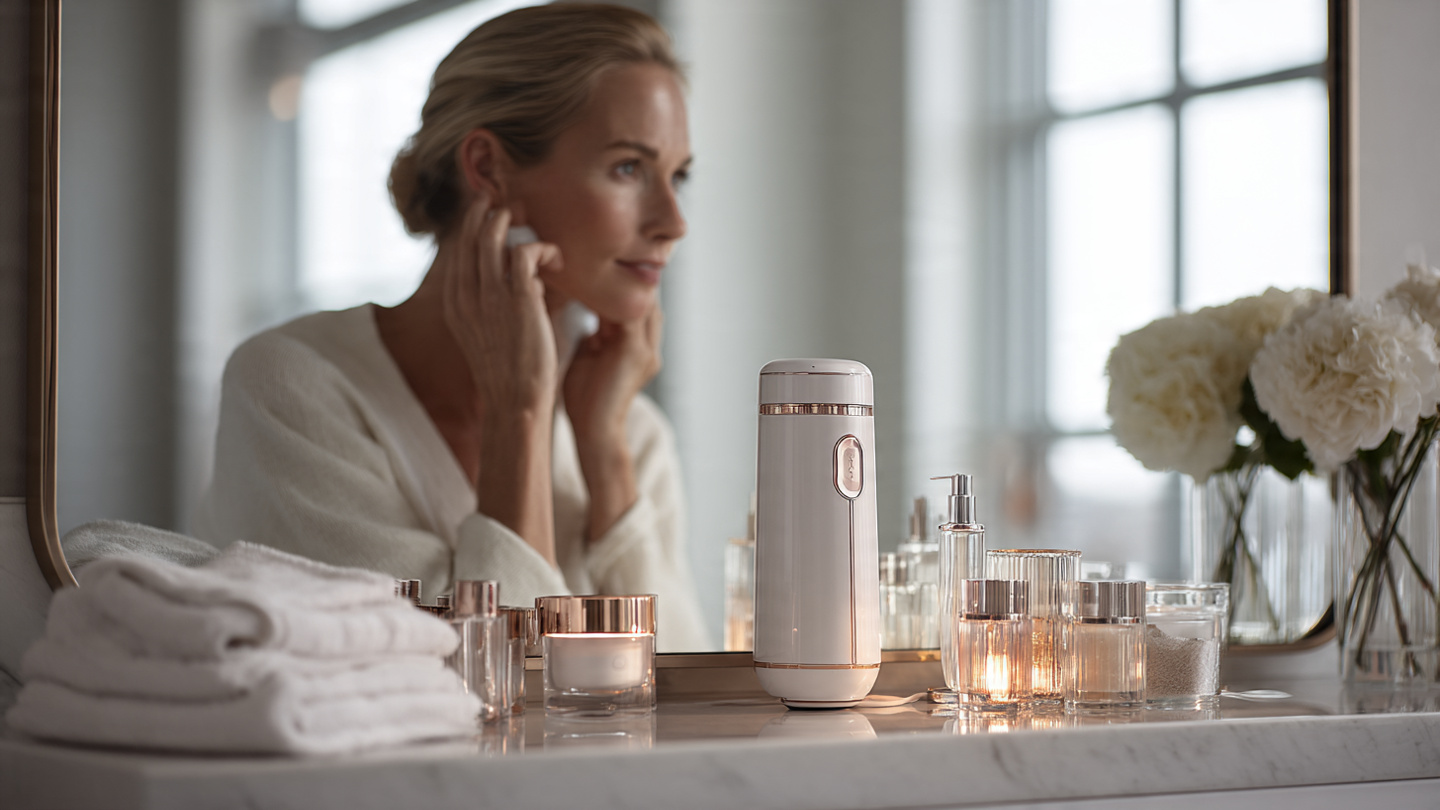
For the right person, yes. The phrase worth the investment matters because these devices are not impulse purchases. They sit in that category of beauty spending where value depends on habits, expectations, and what you would otherwise spend on alternatives.
Here is when an at-home anti-aging laser usually feels worth it:
- You are committed to a regular routine
- You prefer gradual, natural-looking improvements
- You want to avoid downtime from aggressive treatments
- You are already spending heavily on facials or clinic visits
- You understand that maintenance is part of skin aging at every stage
Here is when it may not feel worth it:
- You expect dramatic results in a week or two
- You dislike device-based routines and rarely stick with them
- You want immediate correction of deep wrinkles or significant laxity
- You are not comfortable following directions carefully
In real life, the value often becomes obvious after a few months. Instead of hoping every new cream will transform your face, you have one dedicated tool with a clear purpose. That sense of direction can reduce wasteful spending and make your overall routine more effective.
How to Use an At-Home Laser for Better Results
Good results usually come from a disciplined but simple system. You do not need a ten-step ritual, but you do need consistency and patience.
Best Practices for Use
- Start with clean, dry skin unless your device instructions say otherwise
- Use the device on schedule rather than in random bursts of enthusiasm
- Focus on areas where aging is most visible, such as the eyes, forehead, and smile lines
- Pair treatment with a supportive skin care routine that includes hydration and daily sunscreen
- Track progress with photos every few weeks instead of checking the mirror obsessively
One practical example: someone in their late thirties who notices fine lines around the eyes may use a device consistently several times a week, continue with a gentle retinoid at night, wear sunscreen daily, and compare photos after eight to twelve weeks. That approach is far more reliable than using the device intensely for three days and then forgetting about it.
I also recommend keeping expectations specific. Instead of hoping to look ten years younger, look for meaningful changes such as smoother makeup application, softer-looking expression lines, and a more rested appearance. Those are the kinds of improvements that often matter most in daily life.
Safety, Comfort, and Skin Type Considerations
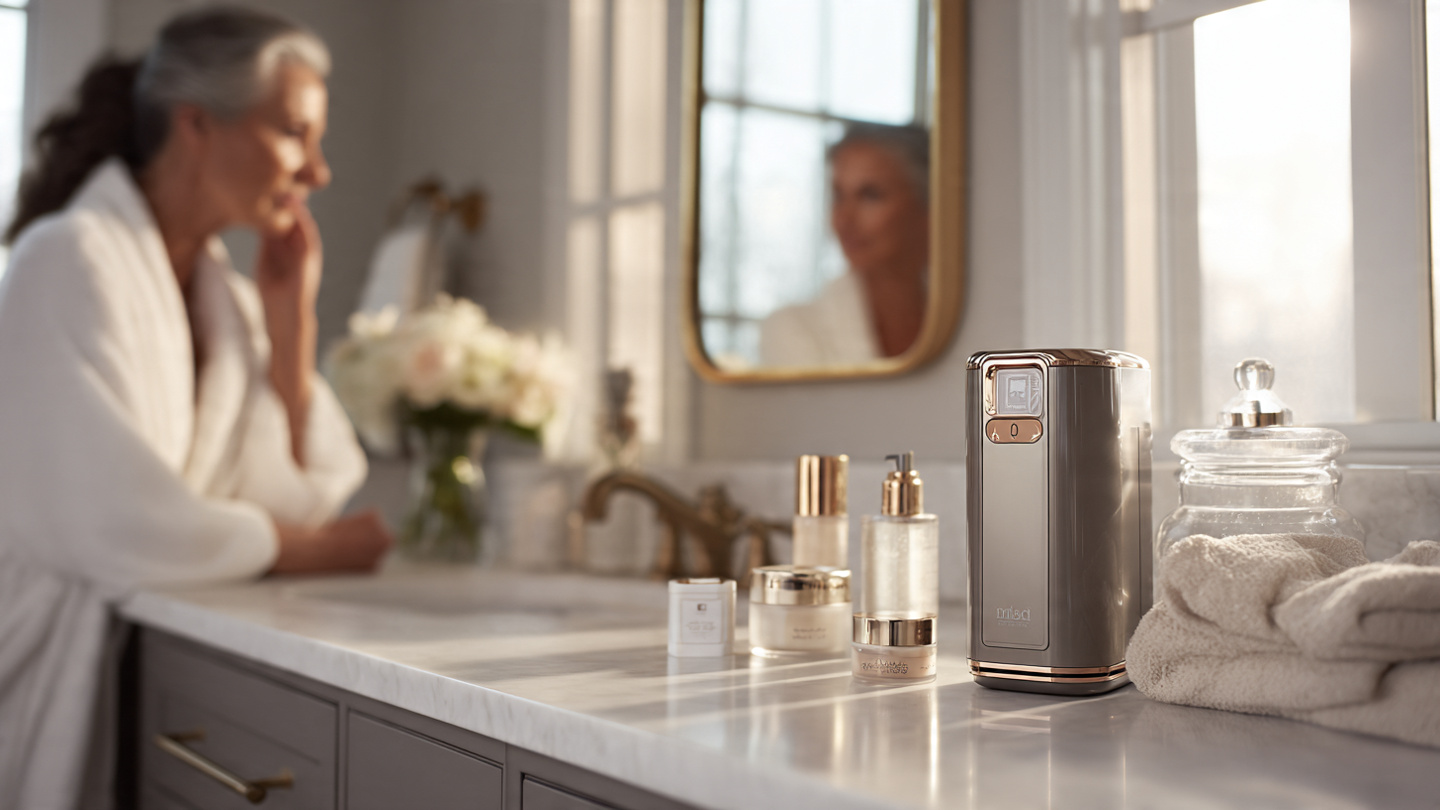
One of the biggest reasons consumers are drawn to at-home anti-aging lasers is that they are typically marketed as non-invasive and generally painless. For many users, that is a huge advantage over treatments that involve redness, flaking, or time away from normal activities.
Still, safe use matters. Even gentle devices should be treated with respect.
Keep These Safety Points in Mind
- Follow the manufacturer’s instructions exactly
- Do not overuse the device in hopes of accelerating results
- Avoid compromised or freshly irritated skin unless specifically approved
- Be cautious if you have a medical skin condition or are using strong actives
- Speak with a dermatologist if you are unsure whether laser treatment fits your skin type
If you have highly reactive skin, it is especially important to introduce any high-tech device thoughtfully. Even when a treatment is gentle, your overall routine matters. Combining too many active ingredients, exfoliants, and tools at once can create confusion and irritation. A calmer, more strategic approach is usually better.
Comfort is another underrated point. A device that feels intimidating or unpleasant can quietly sabotage consistency. That is one reason gentler at-home options have gained traction: they lower the barrier to regular use, and regular use is where progress happens.
What Makes the Best At-Home Anti-Aging Laser Stand Out?
Not all beauty devices deserve your money. The strongest products in this category usually share a few important qualities.
- Ease of use, because complex routines are harder to maintain
- Targeted anti-aging benefits, especially for wrinkles, tone, and texture
- Comfortable treatment experience, with little to no pain
- Credibility and trust, including clear guidance and realistic claims
- Long-term value, where repeated use justifies the upfront cost
That final point matters most. The best at-home laser is not just the one with the flashiest marketing. It is the one that integrates into real life, addresses actual concerns, and rewards patience with visible changes you can appreciate over time.
If your goal is healthier-looking skin that feels firmer, smoother, and more refined, a quality at-home laser can absolutely earn its place in your routine. The improvement may be gradual, but for many people, gradual and sustainable is exactly the point.
Conclusion: A Smarter Way to Support Aging Skin at Home
The best at-home anti-aging lasers offer something modern skin care consumers genuinely want: a middle ground between topical products and in-office procedures. They are practical, non-invasive, and designed to support the skin’s own healing and renewal processes. For concerns like fine lines, uneven texture, and loss of elasticity, that can make them a compelling investment.
Both Lyma Laser and NIRA stand out because they speak to different needs while serving the same broader goal of skin rejuvenation at home. One may suit you better if you want a premium full-face experience, while the other may be ideal if your focus is targeted wrinkle correction. Either way, success depends less on hype and more on regular, thoughtful use.
If you are ready to move beyond wishful skin care shopping and invest in a tool with real staying power, this category is worth serious consideration. Choose the device that matches your goals, commit to the routine, and give your skin time to respond. The payoff is not just better-looking skin. It is the confidence that comes from making a smart, informed decision for your face and your future.
Ready to find the right at-home laser for your skin goals? Compare features, assess your biggest concerns, and choose the device you will actually use consistently. That is the smartest path to firmer, smoother, more radiant skin.

