Stress is not always loud. Sometimes it shows up as restless sleep, stubborn belly fat, brain fog, sugar cravings, irritability, or that tired-but-wired feeling that follows you all day. In many cases, high cortisol is part of the story. Cortisol is your body’s main stress hormone, and while it is essential for survival, too much of it for too long can throw off everything from appetite and energy to mood and hormone balance.
The good news is that your daily meals can either add fuel to the stress response or help calm it. I have seen this again and again: when people start eating more nutrient-dense, anti-inflammatory foods, they often notice better sleep, steadier energy, and fewer emotional crashes. Food is not a magic cure, but it can be one of the most powerful and practical tools for supporting a healthier stress response.
Below are 15 foods that naturally lower cortisol levels, along with why they work and easy ways to add them to your routine.
Why cortisol rises in the first place
Cortisol helps regulate blood sugar, metabolism, inflammation, and your sleep-wake cycle. It should naturally rise in the morning and gradually taper off at night. Problems begin when it stays elevated due to chronic stress, poor sleep, blood sugar swings, overtraining, processed foods, or ongoing inflammation.
When cortisol remains high, you may experience:
- Poor sleep and frequent nighttime waking
- Increased cravings for sugar, salt, or ultra-processed foods
- Low mood, anxiety, or feeling emotionally overwhelmed
- Hormonal imbalance, including cycle disruption and reduced libido
- Weight gain, especially around the midsection
- Digestive symptoms such as bloating or a sensitive stomach
The right foods help by stabilizing blood sugar, lowering inflammation, supporting neurotransmitters, and delivering nutrients like magnesium, vitamin C, omega-3 fats, probiotics, and polyphenols. These compounds play a direct or indirect role in keeping the stress response from staying stuck in overdrive.
15 foods that naturally lower cortisol levels
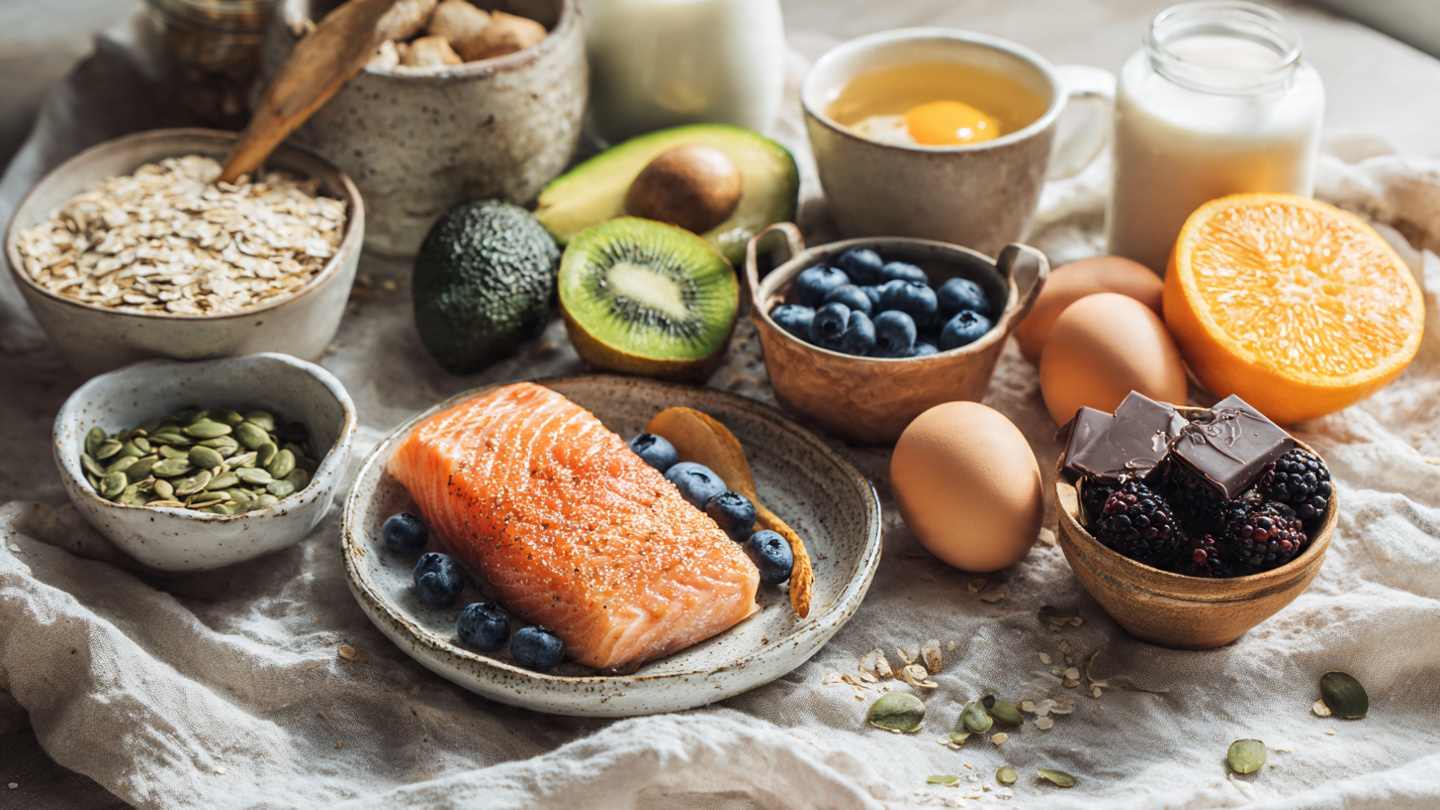
1. Avocados
Avocados are rich in magnesium, potassium, fiber, and healthy monounsaturated fats. Magnesium is especially important for stress regulation because it supports the nervous system and may help reduce the body’s physical response to stress. The fat and fiber in avocado also slow digestion, which helps prevent blood sugar spikes that can trigger cortisol release.
Try adding sliced avocado to eggs, grain bowls, salads, or whole-grain toast. A simple lunch with salmon, greens, and avocado is one of the easiest cortisol-friendly meals you can make.
2. Salmon
Fatty fish like salmon are among the best foods for stress support because they are packed with omega-3 fatty acids. These fats are known to help reduce inflammation and support brain health, both of which matter when cortisol is chronically elevated. Some research also suggests omega-3s may help blunt the cortisol response during stress.
Grilled salmon with roasted vegetables is a strong choice for dinner, especially if your current evening meal tends to be takeout or something high in refined carbs.
3. Sardines
Sardines deserve special mention because they offer many of the same omega-3 benefits as salmon, plus calcium, vitamin D, and protein. They are also convenient, affordable, and shelf-stable, which makes them practical for real life. When people tell me they want to eat better but do not have time, sardines are often one of the most underrated solutions.
Use them in salads, mash them with olive oil and lemon on crackers, or toss them into a grain bowl with herbs.
4. Dark leafy greens
Spinach, Swiss chard, kale, and collard greens provide magnesium, folate, vitamin C, and antioxidant compounds that help protect the body from stress-related damage. If your diet is low in vegetables, increasing leafy greens can have a noticeable impact on energy and resilience.
One practical habit is to add a handful of greens to at least two meals a day. Blend spinach into a smoothie, sauté kale with garlic, or build a salad with a protein source and olive oil.
5. Berries
Blueberries, strawberries, blackberries, and raspberries are loaded with antioxidants, including anthocyanins, which help combat oxidative stress. Chronic stress can increase oxidative damage in the body, and berries help counter that process while also providing fiber for blood sugar balance.
If stress makes you reach for sweets, berries are a smart swap. Pair them with plain Greek yogurt or a handful of nuts for a more balanced snack.
6. Citrus fruits
Oranges, grapefruit, lemons, and mandarins are rich in vitamin C, one of the key nutrients tied to healthy adrenal function. Vitamin C is heavily used by the adrenal glands, and some studies suggest it may help the body recover more effectively from stress.
An orange with breakfast or a kiwi and citrus fruit salad in the afternoon can be a simple way to support lower cortisol naturally without overthinking it.
7. Kiwi
Kiwi is often overlooked, but it is one of the most nutrient-dense fruits for stress support. It contains vitamin C, fiber, and antioxidants, and it may also support sleep quality. Since poor sleep and high cortisol often feed each other, foods that help improve sleep can have a double benefit.
Two kiwis in the evening with a protein-rich snack can be an easy addition if your nights feel restless.
8. Oats
Oats are a complex carbohydrate that helps support stable blood sugar, which is a major factor in cortisol regulation. They also provide beta-glucan fiber, which supports gut health and satiety. Unlike sugary breakfast cereals or pastries, oats deliver slow-burning energy that reduces the chance of a mid-morning crash.
Choose steel-cut or rolled oats and top them with berries, chia seeds, cinnamon, and nut butter for a breakfast that keeps your nervous system on steadier ground.
9. Sweet potatoes
Sweet potatoes offer complex carbohydrates, potassium, and fiber, all of which can help lower the stress load on the body. Carbohydrates are not the enemy when it comes to cortisol. In fact, strategic intake of whole-food carbohydrates can help reduce cortisol by replenishing energy stores and supporting serotonin production.
If you tend to undereat during the day and then feel ravenous at night, sweet potatoes can be a helpful part of a more balanced approach.
10. Pumpkin seeds
Pumpkin seeds are a compact source of magnesium, zinc, iron, and healthy fats. Zinc is especially relevant because it supports immune function and hormone health, while magnesium helps regulate the stress response. They are one of the easiest foods to keep on hand for a cortisol-conscious snack.
Sprinkle them on soup, yogurt, oatmeal, or salads, or eat a small handful with fruit in the afternoon.
11. Yogurt
Plain yogurt, especially varieties with live cultures, provides probiotics that support gut health. The gut and brain are closely connected, and disruptions in the gut microbiome can influence stress, mood, and inflammation. A healthier gut environment may help support a more balanced cortisol response over time.
Choose unsweetened yogurt and add your own fruit, cinnamon, and nuts. This keeps sugar lower while adding fiber and healthy fats.
12. Kefir
Kefir is another probiotic-rich option, often with an even wider variety of beneficial microbes than yogurt. It can be especially useful for people who want an easy breakfast or snack that supports digestion and stress resilience at the same time.
Blend kefir with berries and spinach for a quick smoothie, or drink it plain if you tolerate fermented dairy well.
13. Eggs
Eggs provide high-quality protein, choline, B vitamins, and selenium. Protein helps keep blood sugar stable, which is one of the most important nutritional steps for keeping cortisol from spiking unnecessarily. Starting the day with a protein-rich breakfast is one of the simplest changes that can help people feel calmer and more focused.
If breakfast has been coffee and nothing else, swapping to eggs with avocado and fruit can make a bigger difference than most people expect.
14. Green tea
Green tea contains L-theanine, an amino acid associated with calm focus. It also provides antioxidants called catechins, which support overall health. Unlike strong coffee, green tea tends to offer a gentler energy lift, making it a better option for people who feel jittery or anxious with too much caffeine.
If your stress is already high, replacing one daily coffee with green tea can be a smart, realistic experiment.
15. Dark chocolate
Yes, dark chocolate makes the list. In moderation, dark chocolate with a high cocoa content provides magnesium and polyphenols that may help lower stress markers and support mood. The key is choosing quality over quantity and avoiding highly sugary candy bars marketed as chocolate.
A square or two after dinner can feel satisfying without pushing blood sugar in the wrong direction.
How to build meals that support lower cortisol
Knowing the best foods that lower cortisol is helpful, but what matters most is how they work together throughout the day. In my experience, the biggest wins come from consistency, not perfection. Skipping meals, relying on sugar for energy, and running on caffeine alone can keep the body in a stressed state even if a few healthy foods are added here and there.
A more effective strategy is to build meals around these principles:
- Include protein at every meal to support steady blood sugar
- Add fiber-rich carbohydrates like oats, fruit, beans, or sweet potatoes
- Use healthy fats such as avocado, seeds, olive oil, and fatty fish
- Prioritize colorful produce for antioxidants and vitamin C
- Support the gut with probiotic and prebiotic foods regularly
For example, a cortisol-friendly day might look like this:
- Breakfast: oats with berries, pumpkin seeds, and plain yogurt
- Lunch: salmon salad with leafy greens, avocado, and citrus vinaigrette
- Snack: kiwi and a boiled egg or kefir smoothie
- Dinner: roasted sweet potato, sardines or grilled fish, and sautéed spinach
- Evening: green tea or a small piece of dark chocolate
Habits that can cancel out the benefits of healthy food
Even the best diet has limits if your daily routine keeps your nervous system in constant overdrive. If you want to reduce cortisol naturally, nutrition works best alongside lifestyle support.
Watch for these common cortisol triggers:
- Too much caffeine, especially on an empty stomach
- Undereating or long gaps between meals
- Sleep deprivation and inconsistent bedtimes
- Excess alcohol, which can disrupt sleep and blood sugar
- Overtraining without enough recovery or fuel
- Highly processed foods that increase inflammation and cravings
One of the most practical shifts is to eat breakfast within a reasonable window after waking, include protein early in the day, and avoid using caffeine as your first line of energy. Small changes like these often help people feel more stable within days.
When to seek extra support
If you are dealing with severe fatigue, rapid weight changes, panic symptoms, menstrual irregularities, insomnia, or persistent digestive issues, it may be worth speaking with a qualified healthcare professional. High cortisol symptoms can overlap with thyroid issues, anxiety disorders, blood sugar problems, and other medical concerns.
Food is foundational, but it works best as part of a broader plan that may include stress management, sleep support, movement, hydration, and medical guidance where needed.
Conclusion
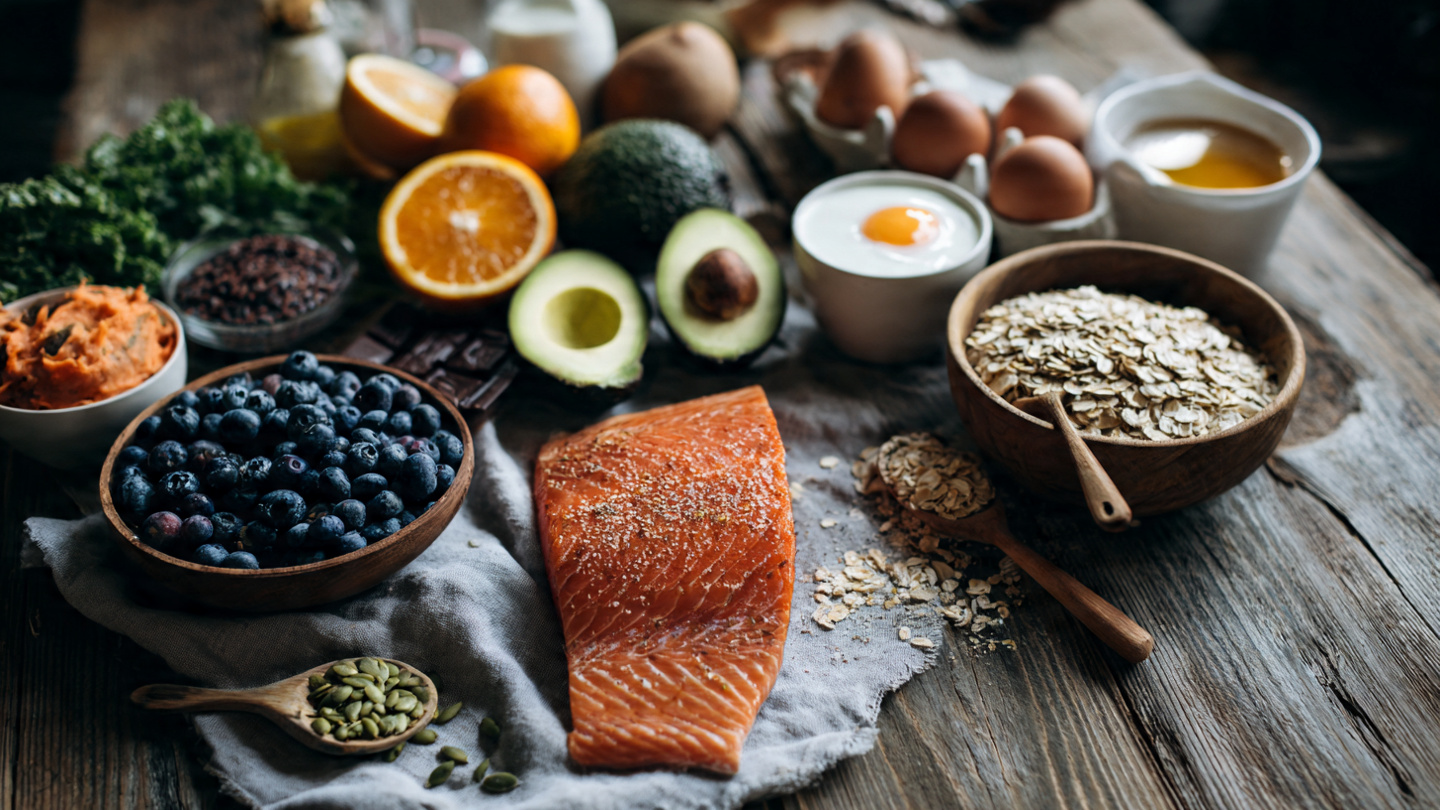
Foods that naturally lower cortisol are not exotic, expensive, or impossible to find. They are the everyday basics your body has likely been asking for all along: fatty fish, leafy greens, berries, citrus, oats, probiotic foods, eggs, seeds, and other whole foods that help you feel nourished instead of depleted.
If stress has been showing up in your sleep, mood, cravings, or energy, start simple. Pick three foods from this list and add them to your week in a consistent way. That may sound small, but those choices can create real momentum. Over time, a calmer body often begins with a better-fed body.
Ready to take the next step? Build your next grocery list around these cortisol-lowering foods, create one balanced meal today, and give your body the support it needs to handle stress with more strength and less struggle.

