The number alone is enough to stop people in their tracks: more than 50,000 U.S. troops in the Middle East. In a region where every deployment sends a message, troop levels are never just about headcount. They reflect threat assessments, deterrence strategy, alliance management, and the constant effort to prevent a crisis from spiraling into a wider war.
What makes this moment especially important is that the increase is not happening in a vacuum. It comes amid heightened regional tension, persistent concerns over maritime security, the risk of proxy attacks, and Washington’s broader effort to reassure partners without triggering uncontrolled escalation. The arrival of additional Marines and sailors reinforces a familiar truth: when instability rises in the Middle East, the United States often responds by strengthening its military posture.
From my perspective, this is one of those developments that deserves more attention than it usually gets. Many readers see troop numbers as a technical defense detail. In reality, they function like a geopolitical pulse check. When the figure climbs well above normal levels, it usually means planners in Washington expect the security environment to remain volatile for longer than anyone would like to admit.
This is why the latest troop presence matters. It affects not only military operations, but also energy markets, commercial shipping routes, regional diplomacy, and public expectations about whether the U.S. is heading toward a deeper entanglement or trying to prevent one.
Why the U.S. Troop Presence in the Middle East Is Rising
The most immediate reason for the elevated presence is strategic caution. The United States has spent years trying to avoid large-scale new conflicts in the region, but it still maintains core interests there. Those interests include protecting American personnel, supporting allies, securing major shipping lanes, deterring hostile actors, and preserving enough force capacity to respond quickly if violence spreads.
When additional Marines and sailors enter the theater, the goal is often twofold. First, it strengthens operational flexibility. Commanders gain more options for force protection, crisis response, and evacuation planning. Second, it sends a visible deterrent signal to adversaries and non-state armed groups that Washington is prepared to defend its interests and its people.
That message matters because U.S. military presence in the Middle East is not just about fighting wars. A significant portion of it is about preventing miscalculation. In tense periods, visible force can shape behavior before shots are fired. It tells allies they are not alone and tells opponents that opportunistic attacks may carry a much higher cost.
In practical terms, the increase also helps sustain operations across a wide geographic area. The Middle East is not a single battlefield. It is a network of bases, air corridors, naval routes, intelligence nodes, and partner relationships stretching from the eastern Mediterranean to the Gulf. Even a modest reinforcement can matter if commanders are trying to maintain readiness across multiple pressure points at the same time.
What 50,000 Troops Actually Means
For many readers, the figure can sound abstract. Fifty thousand is a large number, but its significance becomes clearer when placed in context. The Middle East has long hosted a fluctuating American military footprint, expanding during moments of crisis and shrinking during periods of relative calm. Being roughly 10,000 troops above the usual level signals that this is not routine posture management. It reflects an environment seen as unstable enough to justify sustained reinforcement.
This does not necessarily mean a major invasion is imminent. In fact, the opposite may be true. A larger presence can be intended to stop a broader war by improving deterrence and reaction time. But it does mean planners are preparing for scenarios more severe than normal.
- Force protection: More personnel can help defend bases, ships, and logistics hubs from drone, missile, or militia attacks.
- Rapid response: Additional Marines and sailors provide flexible capabilities for evacuation, crisis support, and contingency missions.
- Regional reassurance: Higher troop numbers reassure partners that the U.S. remains committed during a tense period.
- Deterrence: A larger presence signals that attacks on American assets or allies may face a faster and stronger response.
- Operational endurance: Reinforcements help sustain missions over time without overextending existing units.
Seen this way, the number is not simply symbolic. It is a measure of how seriously the Pentagon is taking the possibility of sustained instability.
The Strategic Value of Marines and Sailors
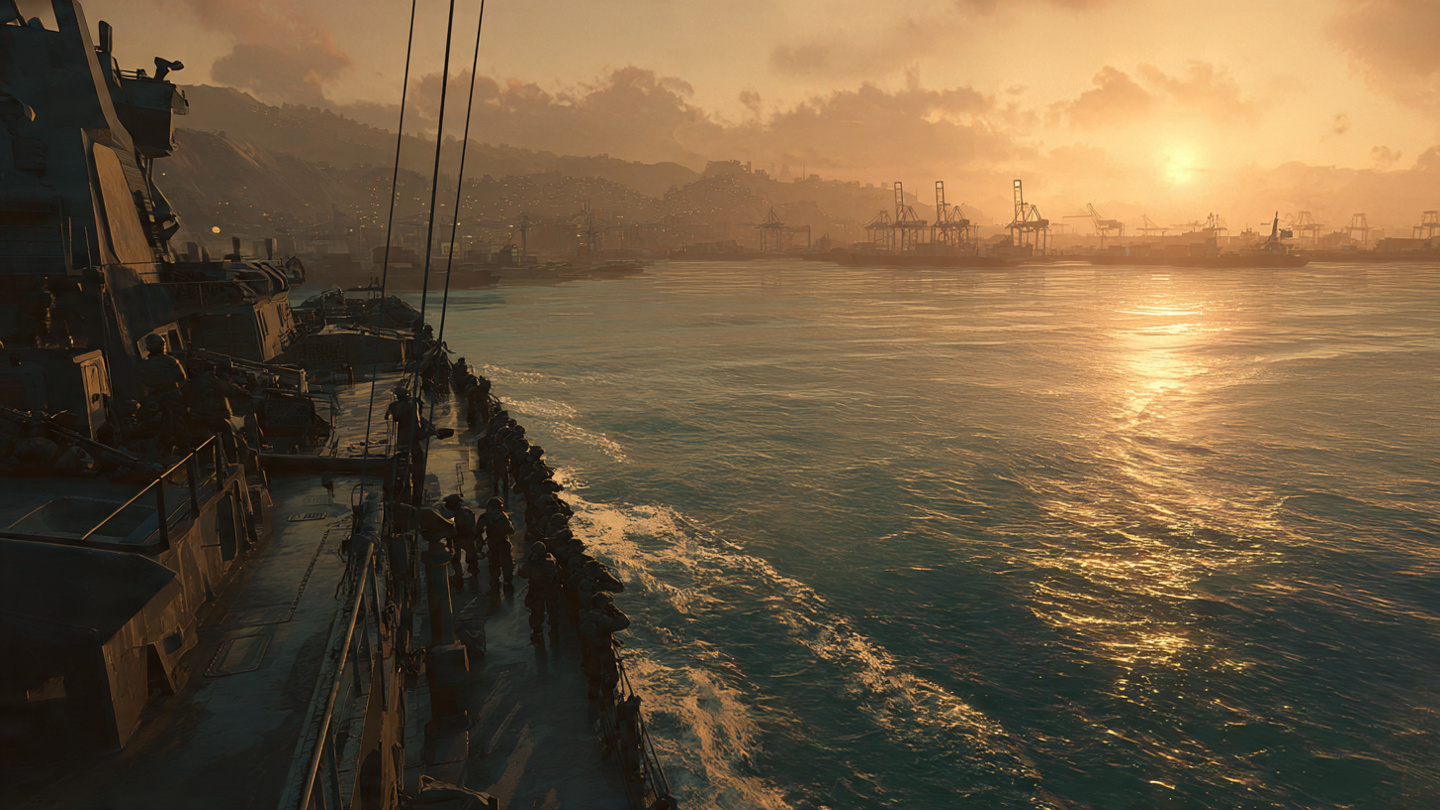
It is worth paying attention to the specific types of forces being added. Marines and sailors bring distinct value to the region because they enhance mobility, sea-based power projection, and flexible crisis response. In an area where coastal geography, chokepoints, and naval access matter enormously, maritime forces are especially relevant.
The Middle East contains some of the world’s most sensitive waterways. Any threat to shipping or naval movement can quickly become an international problem, especially when energy transport and commercial trade are involved. This is one reason why naval deployments carry outsized strategic weight. Ships and embarked Marine units can respond without relying exclusively on large onshore buildups, allowing Washington to project strength while retaining options.
From a practical standpoint, Marines are often used because they can move quickly and operate in uncertain environments. They are not just warfighting assets; they are also useful for embassy support, evacuation operations, and short-notice contingencies. Sailors, meanwhile, are central to sustaining maritime deterrence and freedom of navigation across vital sea lanes.
That mix matters because one of the region’s biggest security challenges is unpredictability. Threats can emerge from state actors, proxy groups, maritime harassment, missile launches, or attacks on infrastructure. A flexible force package is often more valuable than a static one.
How This Affects Regional Security
The presence of U.S. troops in the Middle East shapes the behavior of nearly every major actor in the region. Allies may see the deployment as a stabilizing measure that reduces the risk of abandonment. Rivals may interpret it as a warning. Armed groups may think twice before targeting U.S. facilities if they believe retaliation would be swift and overwhelming.
Still, deterrence is never perfect. One of the biggest risks in moments like this is miscalculation. A militia attack, a drone strike, or a maritime confrontation can trigger a cycle of retaliation that neither side originally wanted. That is why elevated troop levels can simultaneously reduce and increase risk: they improve defense and readiness, but they also raise the stakes of every incident.
This is the paradox at the heart of American strategy in the region. A stronger posture can prevent conflict, yet it can also create the conditions for a sharper showdown if deterrence fails. Policymakers are constantly trying to maintain that balance.
In my view, the public often underestimates how fragile that balance can be. It is easy to assume military presence guarantees control. It does not. It buys time, options, and leverage, but it cannot eliminate uncertainty. Regional security is shaped not just by troop numbers, but by communication, alliance coordination, and the ability of all sides to avoid emotional or politically driven overreactions.
Why Global Markets Are Paying Attention
Troop deployments in the Middle East do not stay confined to defense circles. Investors, shipping companies, energy analysts, and multinational businesses all watch them closely. That is because the region sits near critical trade arteries and energy infrastructure that affect prices worldwide.
Whenever the security environment worsens, concerns rise about disruptions to shipping lanes, insurance costs for commercial vessels, and potential volatility in oil markets. Even if no major disruption occurs, the perception of heightened risk can have immediate economic consequences.
Consider a simple example. If tensions around a key maritime corridor intensify, shipping firms may reroute vessels, insurers may raise premiums, and importers may build in extra delays and costs. Those adjustments eventually ripple into consumer prices, industrial supply chains, and energy planning far beyond the Middle East.
That is why an increased American force presence is often read not only as a military measure, but also as an attempt to keep global commerce from being destabilized by regional conflict. The connection between security and economics is direct. Protecting sea lanes and deterring attacks helps preserve confidence in the systems that keep trade moving.
What This Means for U.S. Foreign Policy
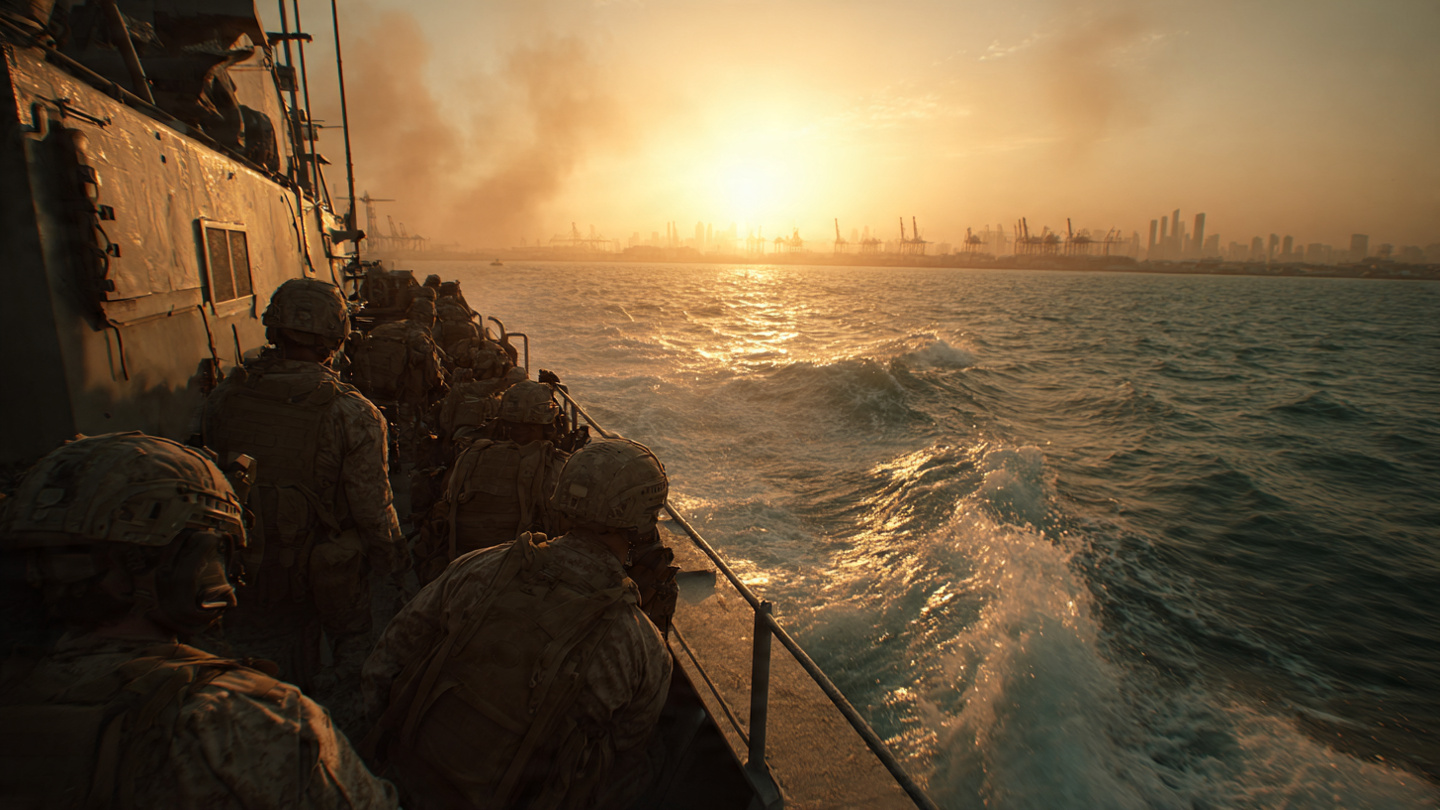
The current force level highlights a deeper tension in American foreign policy. For years, leaders in Washington have talked about reducing military focus on the Middle East and shifting attention toward other strategic priorities. Yet every new regional crisis reveals how difficult it is to step back completely from an area that remains central to energy flows, counterterrorism concerns, partner security, and great-power competition.
In that sense, the troop increase reflects a broader reality: the U.S. may want a lighter footprint, but it still needs a credible presence. The challenge is figuring out how to remain influential without becoming trapped in open-ended escalation.
That balancing act involves several policy goals at once:
- Protecting Americans: Service members, diplomats, and civilians in the region remain potential targets during periods of unrest.
- Supporting allies: Regional partners expect reassurance when threats rise.
- Avoiding major war: Washington wants deterrence strong enough to prevent escalation, not provoke it.
- Maintaining flexibility: A reinforced posture gives decision-makers time to respond without rushing into worst-case choices.
- Preserving credibility: Pulling back too far during a crisis could weaken trust among partners and embolden adversaries.
This is where the debate becomes especially important. Critics may argue that sustained deployments risk mission creep and prolong U.S. entanglement. Supporters may counter that withdrawing too quickly invites aggression and leaves allies exposed. Both concerns are real, which is why troop levels become a proxy for a much larger argument about America’s role in the world.
The Human Dimension Behind the Headlines
Numbers can make deployments sound mechanical, but every additional troop represents a person operating under pressure in a politically sensitive environment. Service members and their families carry the direct burden of these decisions. Extended deployments, abrupt mission changes, and persistent uncertainty are part of the lived reality behind strategic language.
That human dimension matters for another reason too: public understanding. When readers hear that the region now hosts over 50,000 American troops, it should prompt more than a passing reaction. It should raise serious questions about mission scope, duration, and strategic clarity. Are these forces there as a short-term stabilizing measure, or is this becoming the new normal? What benchmarks would justify drawing down? What risks are being accepted to maintain this posture?
These are not abstract policy questions. They shape military readiness, budget priorities, diplomatic strategy, and the long-term burden placed on the force.
Personally, I think one of the healthiest ways to view this issue is through disciplined skepticism. A stronger military posture may be necessary, but necessity should not exempt it from scrutiny. Citizens should be able to support deterrence while still asking hard questions about objectives, timelines, and exit paths.
What to Watch Next
The most important question now is not simply whether troop levels stay high, but what happens around them. Several indicators will reveal whether the current posture is working as intended or whether the region is drifting toward deeper confrontation.
Signals That Suggest Stabilization
- Fewer attacks on U.S. bases and personnel.
- Reduced maritime harassment or disruption near critical shipping lanes.
- More active diplomacy among regional and international stakeholders.
- Clear messaging from Washington that defines limited objectives and thresholds.
Signals That Suggest Escalation Risk
- Repeated drone or missile attacks by proxy groups.
- Expanded naval incidents or threats to commercial vessels.
- Retaliatory strikes that broaden the conflict geographically.
- Long-term force increases without clear strategic explanation.
If the goal is deterrence, the best-case outcome is almost invisible: attacks do not happen, shipping stays secure, and diplomacy gains room to work. If the strategy fails, the signs will emerge quickly through a chain of incidents that become harder to contain.
Conclusion: A Number That Reflects a Much Bigger Story
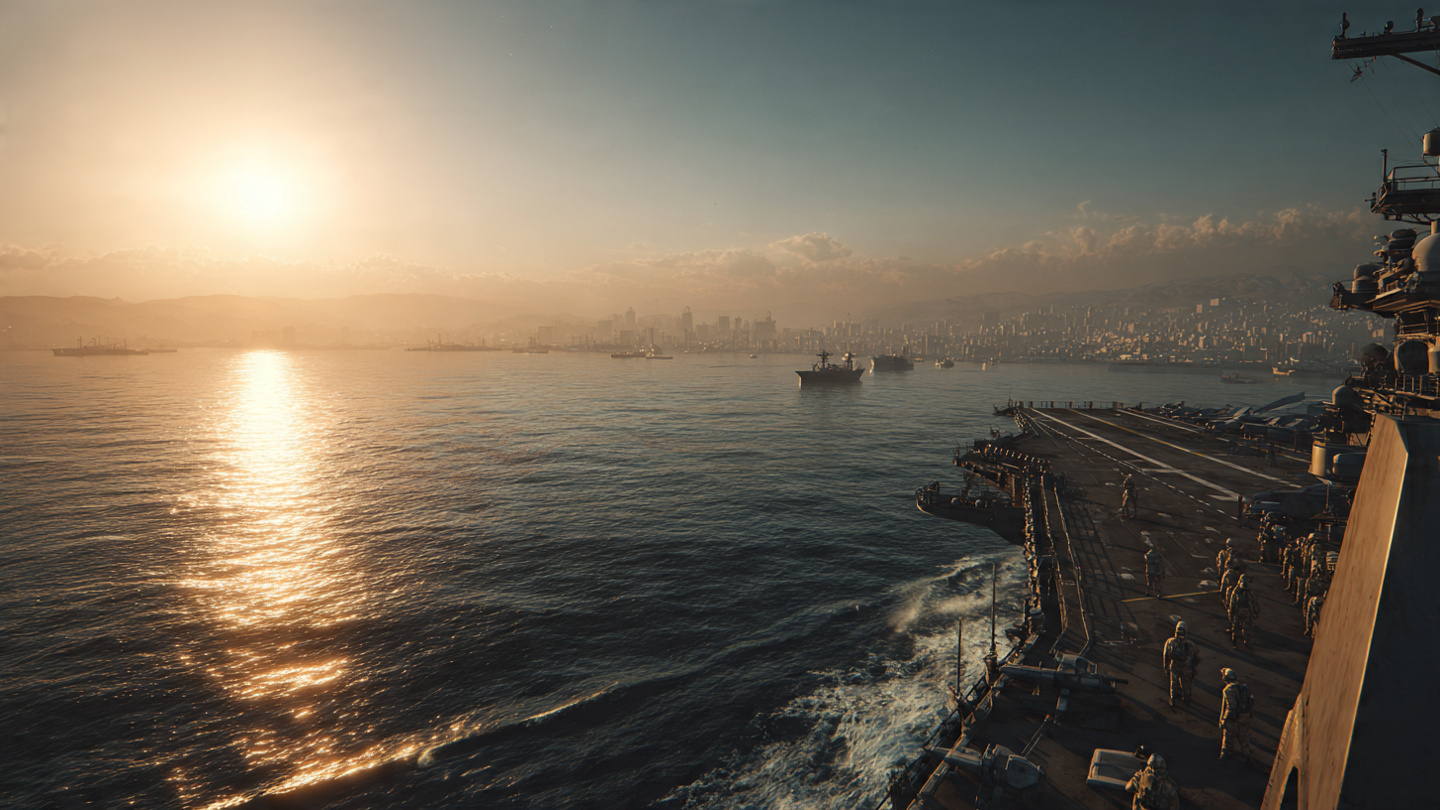
The fact that the United States now has over 50,000 troops in the Middle East is not just a military statistic. It is a signal that the region remains one of the world’s most consequential pressure points. It speaks to the persistence of geopolitical risk, the fragility of deterrence, and the reality that even after years of strategic recalibration, Washington still sees the Middle East as too important to leave to chance.
The added Marines and sailors help explain how the U.S. is trying to manage this moment: with a stronger posture, faster response capability, and a visible reminder that American interests in the region remain active and contested. Whether that approach succeeds will depend on more than force numbers. It will depend on restraint, diplomacy, coordination with allies, and the ability to prevent local shocks from becoming a wider regional conflict.
For readers, the key takeaway is simple: when troop levels rise this far above normal, it usually means officials believe the danger is real, sustained, and strategically significant. That deserves attention not only from defense specialists, but from anyone concerned about global security, economic stability, and the future direction of U.S. foreign policy.
Stay informed, follow the shifts behind the headlines, and watch how military posture, diplomacy, and regional events intersect. In moments like this, understanding the bigger picture is not optional. It is essential.


