In moments of war, funerals often become more than acts of mourning. They become mirrors of public anger, symbols of national pain, and stages for competing claims about truth. That was the atmosphere as hundreds gathered to honor three Lebanese men killed in an Israeli strike, a ceremony marked by grief, defiance, and a deepening dispute over whether the dead were journalists, combatants, or both in the eyes of opposing sides.
The funeral drew a large crowd not only because lives had been lost, but because the deaths touched one of the most sensitive fault lines in any conflict: the safety of the press. When media workers are killed, the incident instantly carries implications far beyond the battlefield. It raises fears about freedom of information, the protection of civilians, and whether the world can trust what it is told about modern war.
What makes this case especially significant is the stark disagreement over identity and intent. Israeli officials said one of those killed was tied to Hezbollah’s military wing and was operating while disguised as a journalist. Lebanese leaders rejected that characterization, insisting all three were journalists and condemning the strike in the strongest terms. Between those two claims lies a broader regional and international debate about press safety in conflict zones, wartime narratives, and accountability.
From a human perspective, the scene is painfully familiar. Families bury loved ones while political leaders argue over labels. Communities ask whether those killed were targeted because of what they did, where they were, or how they were perceived. And the rest of the world is left trying to separate fact from framing in an information environment shaped by speed, emotion, and propaganda.
Why This Funeral Matters Beyond Lebanon
The funeral for the three Lebanese men quickly became a national event because it touched on several explosive issues at once: the ongoing confrontation along the Israel-Lebanon border, the role of Hezbollah in southern Lebanon, and the danger facing reporters covering frontline developments. It was not simply a local burial. It was a public demonstration of collective grief and political meaning.
Large funerals in times of conflict often signal more than sympathy. They can reflect public distrust, social solidarity, and a desire to reclaim dignity after a violent death. In this case, mourners appeared to be expressing all three. The gathering underscored how deeply the incident resonated across Lebanon, especially amid a regional climate already charged by cross-border strikes, displacement, and fears of wider escalation.
There is also a broader reason the event matters internationally. The killing of alleged journalists in a war zone immediately triggers questions from rights advocates, press freedom organizations, diplomats, and news audiences worldwide. Was there credible intelligence? Were the individuals clearly identifiable as media workers? Was the strike lawful under international humanitarian principles? Could the deaths have been avoided?
These are not abstract questions. They shape how future military actions are judged and how journalists decide whether it is even possible to keep reporting from dangerous areas. Once uncertainty surrounds the status of media personnel, the chilling effect can be immediate and severe.
The Core Dispute: Journalist or Militant?
At the center of this story is a sharp and politically consequential disagreement. Israeli authorities said one of the three men was affiliated with Hezbollah’s military structure and was using journalistic cover. Lebanese officials, including the president, said all three were journalists and described the killings as an unacceptable attack.
This kind of dispute is especially difficult for the public to evaluate in real time because each side has powerful incentives to defend its version of events. Military institutions often seek to justify strikes by citing security threats and intelligence assessments. Political leaders on the receiving end often emphasize civilian harm and violations of sovereignty. The truth may depend on evidence that is not immediately available to the public, such as communications data, operational records, employment history, field footage, or intelligence sources that remain classified.
Still, the distinction matters enormously. Under international norms, journalists are generally treated as civilians and are entitled to protection unless they take direct part in hostilities. If a person works in media but is also actively engaged in military operations, the legal and ethical questions become far more complex. That complexity, however, does not erase the need for transparent evidence. In high-stakes cases like this, unsupported allegations can deepen mistrust and inflame tensions across borders.
My own view is that incidents involving media workers demand a higher standard of public explanation, not a lower one. The reason is simple: when a journalist is killed, the casualty is not only an individual life. It can also be the public’s access to independent observation. That is why every claim, whether from a state, an armed group, or a political leader, should be scrutinized carefully and consistently.
What the Funeral Revealed About Public Sentiment
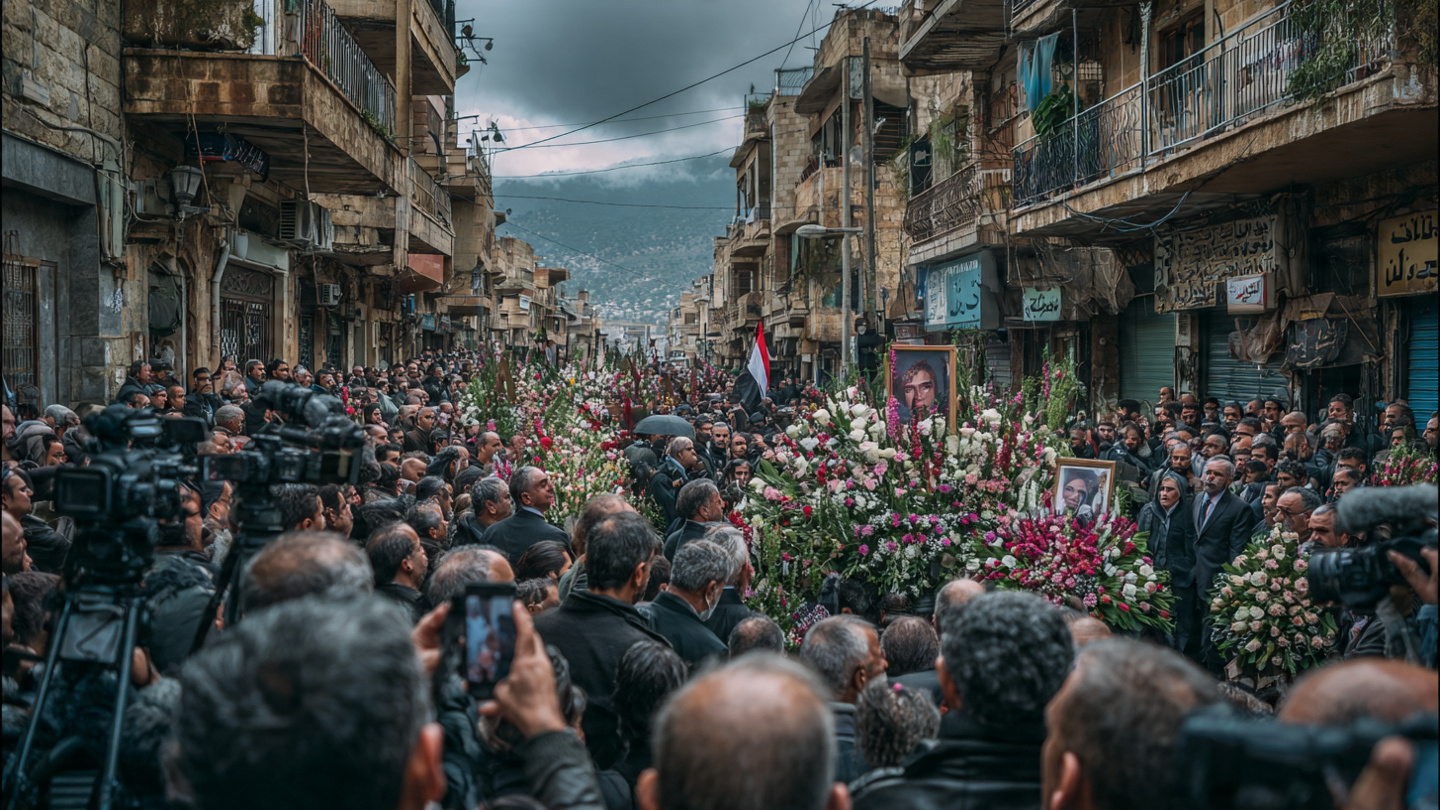
Funerals in politically tense environments often act as emotional barometers. The turnout itself suggested that many in Lebanon saw the deaths as more than an isolated wartime tragedy. The ceremony reflected a belief that the victims represented something larger: the vulnerability of civilians, the sacrifices of local reporters, and the pressure on border communities living under the constant threat of attack.
Several themes likely resonated with mourners and observers alike:
- National grief: the loss of three men whose deaths shocked their community and stirred public sorrow.
- Media solidarity: a visible expression of support for journalists working in high-risk environments.
- Political anger: outrage over what many viewed as an attack demanding international attention.
- Regional anxiety: fear that such incidents could pull Lebanon deeper into a broader conflict.
In many conflicts, funerals become moments where private mourning and public messaging merge. Family members remember the person behind the headlines, while political movements and officials frame the death within a larger national struggle. That dual function can make such events emotionally powerful but also politically charged.
For ordinary readers trying to understand why these scenes matter, a practical comparison may help. Imagine a firefighter, doctor, or aid worker being killed during a disaster response. Even before all facts are known, the public reaction would center on the symbolic role of that profession. Journalists occupy a similar space in conflict. They are not just workers; they are witnesses. When witnesses die, societies worry that truth itself is under threat.
Press Safety in Conflict Zones
The deaths also bring renewed attention to a long-running global issue: the safety of journalists in war zones. Reporters, camera crews, fixers, translators, and local producers often work under conditions that combine military risk, limited protective infrastructure, and intense political suspicion. They may be targeted deliberately, struck incidentally, or caught in environments where armed actors see cameras as threats rather than tools of documentation.
What makes local journalists especially vulnerable is that they cannot simply leave when international attention fades. They often return to the same towns, roads, and neighborhoods where fighting continues. Their names, affiliations, and routines may be better known to armed groups than those of foreign correspondents. In addition, they may face accusations from multiple sides at once: too close to one faction for one audience, too independent for another.
That vulnerability should shape how these deaths are discussed. Even when governments insist they are targeting legitimate security threats, the burden of clarity is immense if the victims are connected to media work. Ambiguity can endanger countless others in the profession by creating a precedent in which visible media identity no longer offers even minimal practical protection.
Why Verification Is So Difficult
In a fast-moving conflict, verification is hard for several reasons. Strike sites may be inaccessible. Witnesses may be traumatized or partisan. Physical evidence can be destroyed or removed. Digital records can be incomplete, manipulated, or context-free. Meanwhile, statements from officials spread globally within minutes, long before investigators or independent observers have a chance to establish a timeline.
For readers and editors, that means caution is essential. The most responsible coverage distinguishes clearly between confirmed facts, official claims, and unanswered questions. It avoids collapsing uncertainty into certainty simply because one version is politically convenient or emotionally compelling.
Lebanon, Israel, and the Risk of Escalation
The strike and its aftermath also unfold against a larger backdrop of cross-border confrontation. Southern Lebanon and northern Israel have experienced repeated exchanges of fire, threats, and targeted operations, creating a volatile environment in which any deadly incident can reverberate quickly. A funeral of this scale can therefore become part of the wider regional story, signaling both public anger and the potential for further polarization.
In practical terms, events like this can influence several layers of the conflict:
- Domestic politics: Lebanese leaders face pressure to respond rhetorically and diplomatically.
- Military messaging: Israel may seek to reinforce deterrence by defending the strike as legitimate.
- International diplomacy: foreign governments and rights groups may call for investigation or restraint.
- Public perception: images from funerals often shape global opinion more powerfully than official statements.
This is one reason funerals are watched so closely by analysts. They reveal not only sorrow but also momentum. They show how communities are interpreting violence and whether a specific event is likely to fade from view or become a rallying point.
The Legal and Ethical Questions
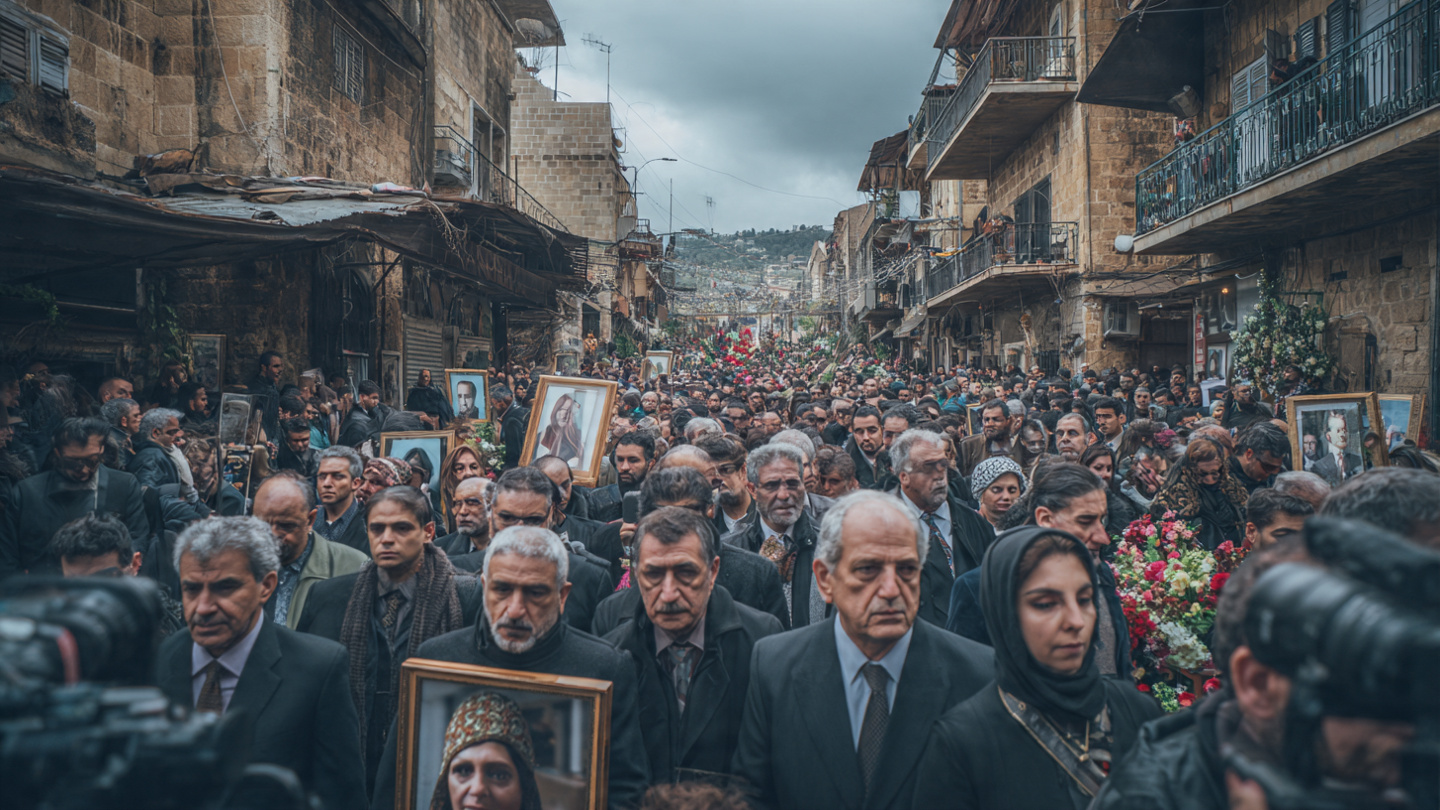
Any case involving a strike that kills people identified as journalists raises serious legal and ethical concerns. International humanitarian law is built around principles such as distinction, proportionality, and precaution. In plain terms, armed actors are expected to distinguish between civilians and combatants, avoid excessive civilian harm relative to military advantage, and take feasible steps to reduce risk.
If one of the dead was indeed operating as part of an armed group, that claim would have major implications. But it would not automatically erase concerns about the other victims, the circumstances of the strike, or whether all feasible precautions were taken. Likewise, if all three were purely engaged in journalism, then the case would demand even stronger scrutiny and likely intensify international condemnation.
The ethical dimension is just as important as the legal one. Modern warfare is not fought only with missiles and intelligence. It is fought through narrative. Who is called a journalist, who is called a militant, and who gets believed are all part of the struggle. That is why language matters. Precision matters. Evidence matters. And accountability matters most when emotions run hottest.
What Responsible Reporting Should Include
For coverage of incidents like this to serve the public well, it should include several essentials:
- Clear attribution: distinguish what officials claim from what is independently verified.
- Context: explain the broader conflict without losing sight of the human story.
- Transparency: identify what remains unknown and why.
- Human detail: show who the victims were, not just how they died.
That approach helps readers avoid the trap of reducing every casualty to a propaganda function. It also respects the intelligence of audiences who understand that truth in wartime is often contested but still worth pursuing rigorously.
The Human Story Behind the Headlines
It is easy, especially online, for a tragedy like this to be flattened into a geopolitical talking point. Yet funerals remind us that every conflict headline contains private devastation. Families lose sons, colleagues lose friends, communities lose familiar faces, and audiences lose voices that helped them understand events on the ground.
That human dimension is why the funeral drew such strong emotion. Whether people arrived out of personal connection, professional solidarity, political conviction, or simple compassion, they were responding to the same basic reality: three lives had ended violently, and the circumstances were already being folded into a larger struggle over legitimacy and memory.
In my experience as a reader of conflict reporting, the most lasting stories are not the ones with the loudest accusations. They are the ones that preserve both urgency and humility. Urgency, because deaths in war demand attention. Humility, because certainty is often claimed before it is earned. This story deserves both.
What Happens Next?
The aftermath of the funeral is likely to unfold across multiple fronts. Lebanese officials may continue to press the case diplomatically and politically. Israeli authorities may stand by their intelligence assessments. Media freedom organizations may seek evidence, testimonies, and calls for an independent review. Newsrooms across the region may revisit security protocols for staff operating near active frontlines.
For the broader public, the next steps should involve careful observation rather than instant conclusion. Watch for whether additional evidence emerges. Watch whether international bodies or watchdog groups weigh in. Watch how major media organizations characterize the dead over time. Those shifts often reveal whether early narratives withstand scrutiny or begin to unravel.
The stakes are high because this case touches on two non-negotiable concerns in any civilized order: the protection of civilian life and the protection of the press. When either is weakened, democratic accountability suffers. When both are in question at once, the consequences spread far beyond a single funeral procession.
Conclusion
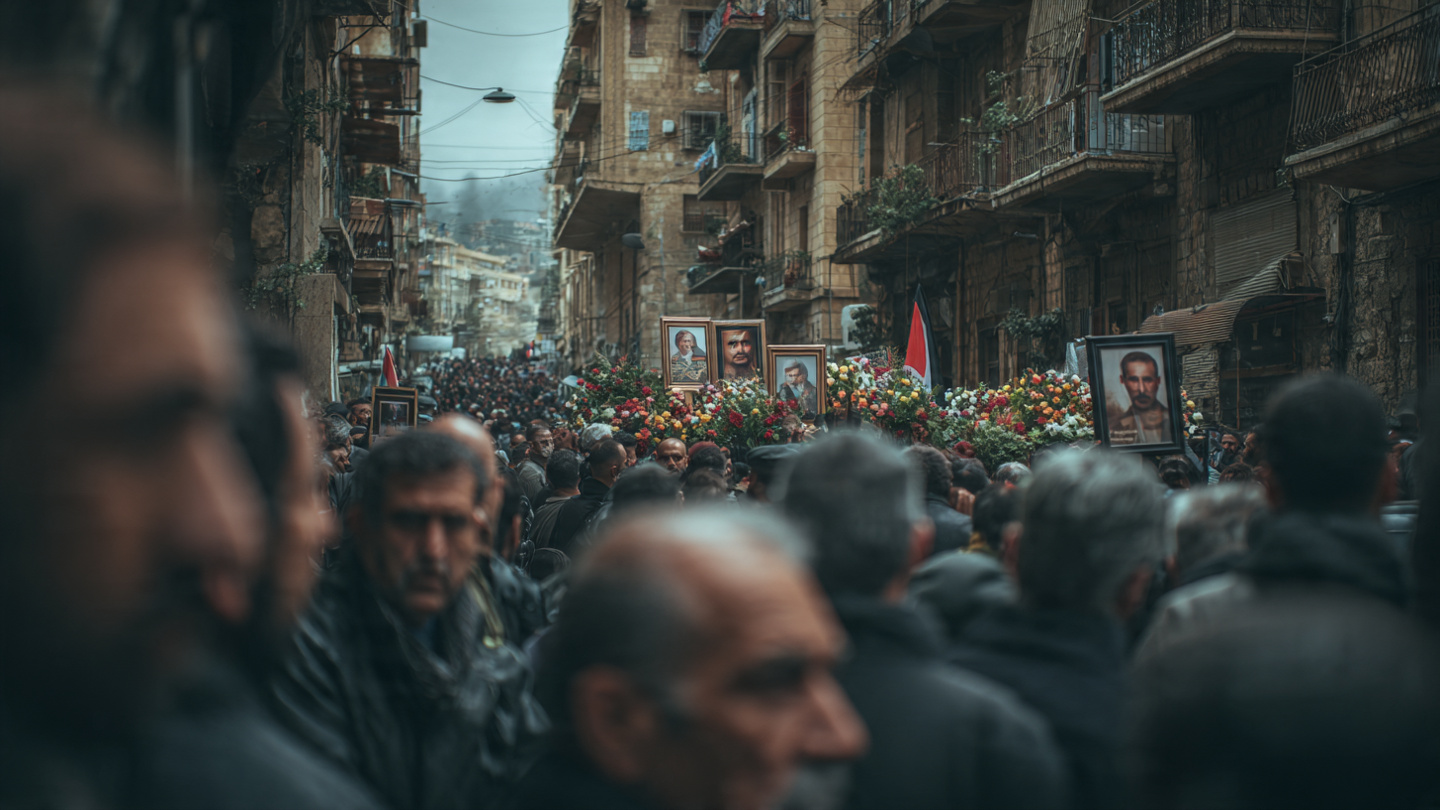
The funeral for the three Lebanese men killed in an Israeli strike was far more than a ceremonial farewell. It became a public expression of grief, a test of credibility, and a flashpoint in the broader debate over journalists killed in conflict, cross-border violence, and the contested narratives that define modern war. The central disagreement over whether the victims were journalists or whether one was operating under journalistic cover is not a minor detail. It is the core issue that will shape how this incident is remembered, investigated, and judged.
For readers around the world, the lesson is clear: in moments like these, empathy and skepticism must coexist. The human cost should never be minimized, and official claims should never be accepted without scrutiny simply because they are repeated loudly. The public deserves facts, families deserve dignity, and journalists in conflict zones deserve protections that are real, not rhetorical.
Call to action: follow developments closely, support credible reporting from the region, and demand transparency whenever media workers are killed in war. In an era flooded with competing narratives, informed attention is not passive. It is one of the few meaningful forms of accountability the public still has.


