Airports are designed to project order. Lines move, announcements repeat, planes depart, and the public is meant to feel that a highly coordinated system is always in control. But during a prolonged government shutdown, that illusion starts to crack. Workers feel it first. Travelers notice it next. And when some federal personnel remain visible while others are stretched thin, unpaid, or absent, frustration can turn into open anger.
That is exactly why the presence of ICE agents at airports became such a charged issue during the shutdown. For many airport workers, the problem was not simply that another federal agency was on site. The problem was what that presence seemed to represent: manpower that did not appear to relieve bottlenecks, reduce lines, or support the people keeping terminals functioning under extraordinary pressure. In an environment where every missing screener, cleaner, controller, and customer service worker mattered, visible enforcement without visible relief felt tone-deaf.
I have always thought airports are one of the clearest tests of government competence because they bring together security, transportation, labor, technology, customer service, and public trust in one place. When that system is under stress, even small decisions become symbols. During the shutdown, airport worker frustration was not about optics alone. It was about fairness, staffing, and whether the federal response matched the real operational needs on the ground.
Why Airports Became a Pressure Point During the Shutdown
A government shutdown at airports does not operate like a normal budget dispute in Washington. Inside a terminal, the impact is immediate. Security officers still report for duty. Air traffic controllers still show up. Customs personnel remain at their posts. But many of them do so without pay, and support systems around them begin to weaken. Over time, that creates an unstable environment where fatigue, resentment, and absenteeism can rise together.
Airports are especially vulnerable because they depend on synchronized staffing. It is not enough to have one critical role fully covered if three adjacent roles are understaffed. A single delay at security can spill into boarding. A staffing shortage at concessions can amplify crowding at gates. A customer service shortfall can turn a missed connection into a terminal-wide backup. When the public asks why the airport feels chaotic, the answer is often that the ecosystem is only as strong as its weakest link.
The Unpaid Labor Problem
One of the most corrosive features of the shutdown was the expectation that many essential workers should continue performing high-stakes jobs without immediate compensation. That arrangement may preserve legal continuity, but it does not preserve morale. Workers still have rent, child care, transportation costs, and medical bills. Asking them to absorb financial uncertainty while maintaining peak performance in a security-sensitive environment is a recipe for exhaustion.
In practical terms, this meant some airport employees arrived at work already carrying enormous personal stress. A TSA officer worried about a late mortgage payment is still expected to maintain vigilance. An air traffic controller with family bills piling up is still expected to focus under pressure. That human reality matters, and it helps explain why workers became sharply critical of any federal presence that seemed disconnected from urgent operational need.
Why ICE Presence Drew Attention
During the shutdown, ICE agents at airports were seen by some workers not as a solution but as a symbol of misaligned priorities. If checkpoints were strained, lines were lengthening, and frontline personnel were working without pay, then visible federal manpower that did not directly improve passenger flow or worker relief naturally became a target of resentment.
This did not mean every worker objected to immigration enforcement as a concept. The more immediate complaint was functional: if the airport was under stress, why were scarce federal resources not being directed toward the most urgent pain points? In a crisis, people judge institutions by usefulness. They ask simple questions. Is this helping? Is this reducing risk? Is this making the operation fairer? If the answer appears to be no, frustration hardens quickly.
- Staffing shortages created visible bottlenecks at checkpoints and service counters.
- Unpaid federal workers faced financial stress while being asked to maintain full performance.
- Airport security delays increased public anxiety and pressure on frontline teams.
- Visible but non-relief federal presence became a lightning rod for worker anger.
- Operational confusion made morale worse across airlines, security, and airport support services.
What Workers Were Seeing on the Ground
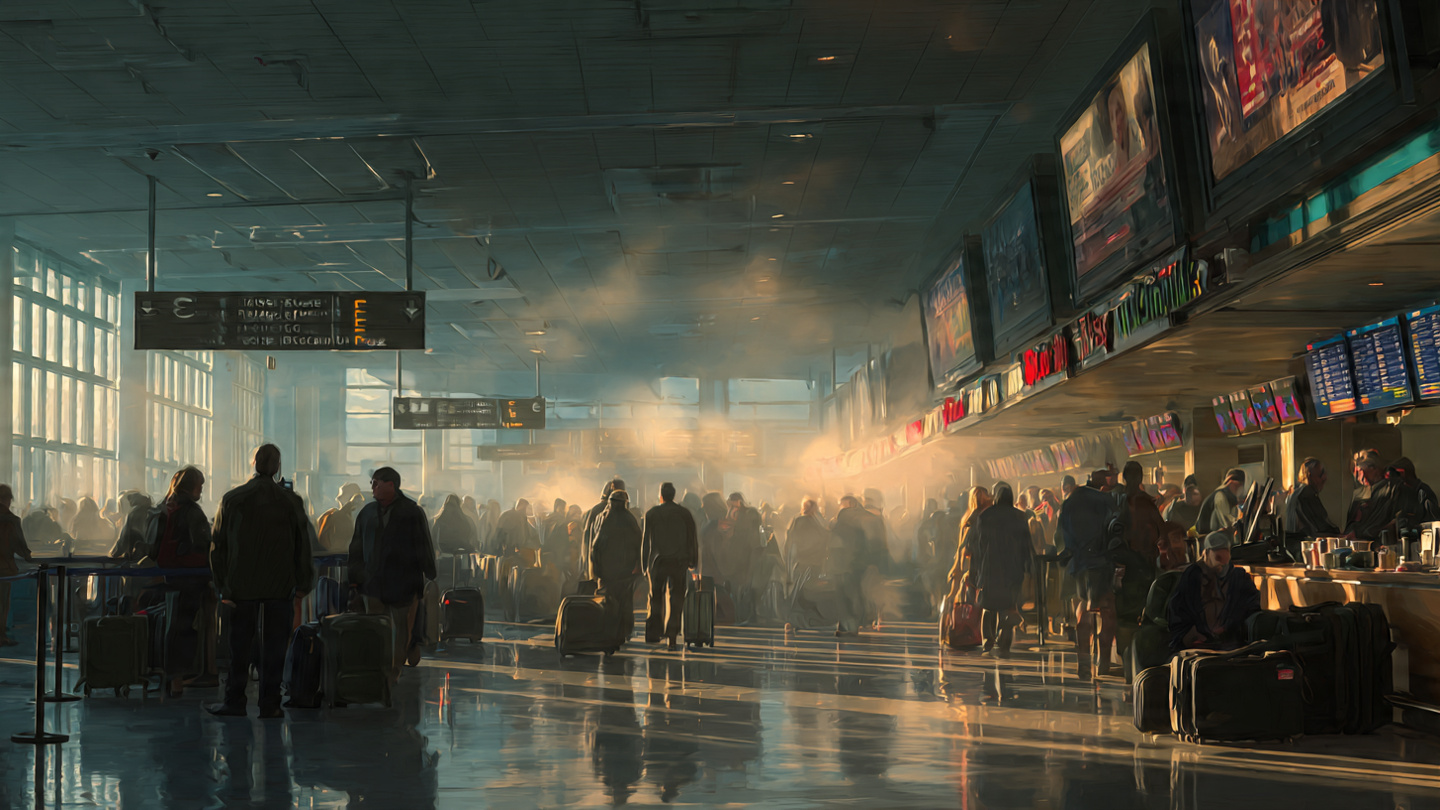
To understand the intensity of the reaction, it helps to picture an airport during a labor and budget crunch. A check-in line grows because an airline is short-staffed. That pushes more passengers toward security at the same time. Security lines lengthen because some screeners call out or because morale has dipped. Travelers grow impatient, miss boarding windows, and flood gate agents with questions. Every worker in sight becomes the face of the problem, whether or not they caused it.
Now place that scene beside a different federal presence that appears active but not directly responsive to those bottlenecks. The result is predictable: workers start to feel that the system is prioritizing surveillance and enforcement optics over operational stability. Even if that interpretation is incomplete, it becomes powerful because it matches what people are living hour by hour.
Morale Was Not an Abstract Issue
Low morale in airports is not merely a cultural concern. It has practical consequences. Workers under sustained stress are more likely to call out, disengage, make mistakes, or leave for other opportunities when they can. During the shutdown, morale became part of the infrastructure problem. It affected pace, patience, coordination, and service quality.
From a traveler perspective, this showed up in obvious ways: shorter tempers at counters, thinner staffing at busy moments, slower problem resolution, and more visible tension across terminals. For workers, it showed up as a deeper emotional strain. They were not only doing their jobs under harder conditions; they were being asked to defend a broken system to angry passengers all day long.
Confusion Over Who Was Helping
Another source of tension was public misunderstanding. Most travelers do not know which agency handles what inside an airport. They see uniforms, badges, screening stations, and patrols, but they do not necessarily understand the division of responsibility between TSA, airport police, airline staff, customs officers, and immigration enforcement personnel. When service degrades, that confusion can feed resentment internally as well.
Workers on the ground often know exactly where the operational pressure sits. They know which checkpoint is short, which corridor is backing up, and which shift is barely holding together. So when they see a visible official presence that does not appear connected to those needs, it can feel like a public display rather than a practical response. In that context, criticism of ICE presence at airports was as much about perceived usefulness as it was about politics.
The Bigger Policy Failure Behind the Conflict
It would be a mistake to treat this controversy as a narrow dispute between airport workers and one federal agency. The deeper issue was a shutdown strategy that placed impossible strain on essential systems while pretending continuity alone was enough. It was not enough. The system kept functioning, but it did so by draining worker goodwill, increasing public tension, and exposing how fragile airport operations can become under prolonged political standoff.
A functioning airport requires more than legal authority. It requires trust, clarity, and proper staffing. When workers believe leadership is ignoring operational pain points, they stop seeing decisions as neutral. Every deployment starts to look political. Every visible choice becomes a statement about whose labor matters and whose stress is considered acceptable.
Essential Does Not Mean Expendable
One of the most important lessons from the shutdown is that labeling workers as essential should trigger stronger protections, not weaker ones. If a job is critical enough that the government demands continued performance during a fiscal crisis, then timely compensation and support should be non-negotiable. Anything less sends a dangerous message: essential service is expected, but essential stability is optional.
That contradiction was everywhere in the airport environment. Workers were told their roles mattered for safety and continuity, yet many felt disposable when it came to pay, staffing relief, and policy responsiveness. It is difficult to sustain institutional credibility under those conditions.
Security Theater vs. Functional Security
Another hard truth emerged during the shutdown: visible security is not always the same as effective security. People feel reassured by uniforms and authority, but airports run best when resources are aligned with the most urgent vulnerabilities. If the real risk is fatigue, understaffing, rushed screening, and overcrowded terminals, then adding a federal presence that does not address those factors may do little to improve real-world resilience.
This is where the worker critique deserves serious attention. They were not simply complaining about discomfort. They were highlighting a classic management failure: overinvesting in what looks tough while underinvesting in what keeps the system stable. In any complex operation, functional security depends on staffing integrity, procedural consistency, and worker focus. Ignore those, and the badge count in the terminal means less than it appears.
- Fair compensation protects attention, retention, and morale.
- Clear agency roles reduce confusion for workers and travelers.
- Operational staffing matters as much as visible enforcement.
- Public trust declines when federal choices appear disconnected from airport realities.
What This Meant for Travelers, Airlines, and Local Economies
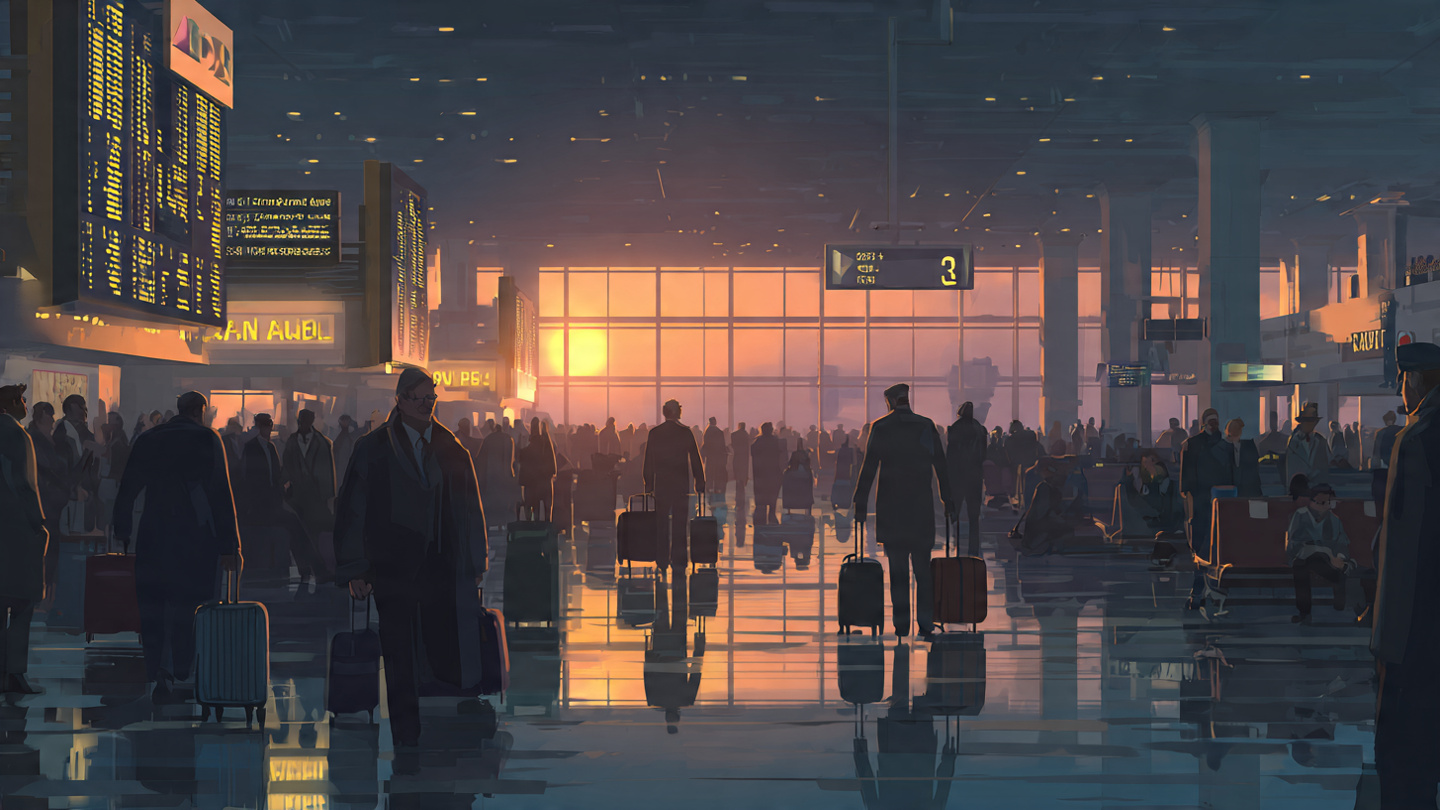
The shutdown was not only a federal labor problem. It was a travel problem, a business problem, and a local economic problem. Airports are commercial hubs. Delays reduce spending, missed flights disrupt meetings, and uncertainty ripples outward into hotels, ground transportation, and tourism. When government shutdown airports dominate headlines, travelers do not always distinguish between agencies. They simply remember stress, delay, and inconsistency.
Airlines faced their own challenges as they tried to reassure customers while depending on a federal system they did not control. Gate agents and customer service teams often absorbed the anger of passengers who were already anxious about missing connections or getting stranded. In many cases, airport workers had to explain problems created far above their pay grade while standing in front of increasingly frustrated crowds.
The Traveler Experience Suffered Quickly
Imagine a family flying for a funeral, a student returning to campus, or a small-business owner racing to make a morning meeting. None of them care much about bureaucratic distinctions when security lines stretch, announcements change, and staff look overwhelmed. They care about predictability. The shutdown weakened that predictability, and the visible mismatch between pressure points and federal presence made the environment feel even more unstable.
That is why this story resonated beyond politics. It touched something familiar and immediate. People understand what it feels like when a system keeps asking for patience but offers little evidence that it is learning or adapting. Airports became the stage where that frustration was easiest to see.
Airports Reflect National Priorities
There is also a broader symbolic point here. Airports are among the most visible public-facing spaces in modern life. The way they are staffed and managed tells citizens what the government values under pressure. If workers feel abandoned while enforcement remains prominent, the public receives a message whether leaders intend it or not.
That message matters because it shapes confidence not just in air travel, but in public institutions more generally. A shutdown may begin as a budget dispute, but at the airport level it becomes a daily referendum on competence. Once trust erodes there, repairing it takes far longer than restarting paychecks.
What Should Change Before the Next Crisis
If there is one takeaway from this episode, it is that airport operations cannot be treated as politically durable simply because they did not fully collapse. The goal should not be survival at the edge of dysfunction. The goal should be resilience built on fair treatment, smart staffing, and transparent priorities.
Policymakers and airport leaders should focus on practical reforms that reduce the chance of the same resentment returning in the next fiscal standoff.
- Guarantee pay continuity for essential aviation and security personnel during shutdowns.
- Publish clearer staffing priorities so workers understand how federal resources are being deployed.
- Improve cross-agency communication to reduce confusion inside terminals.
- Support frontline workers with emergency financial resources, scheduling flexibility, and mental health assistance.
- Measure success operationally, not visually, by focusing on wait times, worker fatigue, and passenger flow.
Conclusion
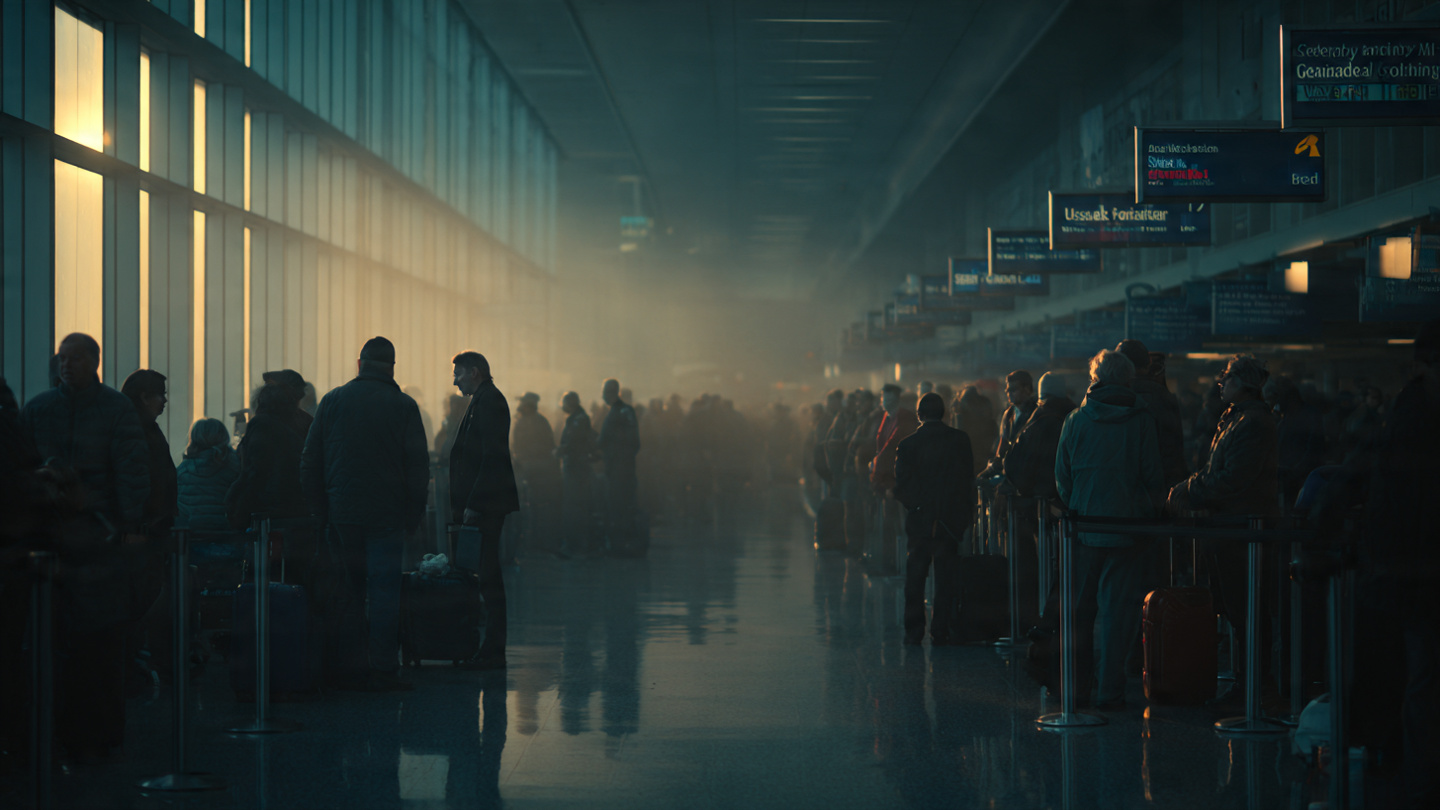
The anger over ICE agents at airports during the shutdown was never just about one agency standing in the wrong place at the wrong time. It reflected a larger breakdown in priorities. Workers saw a system demanding sacrifice from the people doing the hardest jobs while failing to direct visible authority toward the most urgent operational needs. That gap between appearance and usefulness is what made the frustration so intense.
Airports can absorb a surprising amount of pressure, but they should not be forced to prove that resilience through unpaid labor, public confusion, and preventable strain. If leaders want safer, smoother, and more trusted travel systems, they need to start by respecting the workers who make those systems possible. The next time a budget crisis threatens aviation, the question should not be how much stress the workforce can endure. It should be how quickly decision-makers can protect the people and functions that keep the entire network moving.
Call to action: Travelers, labor advocates, and policymakers should push for stronger shutdown protections, clearer airport staffing rules, and accountability for any federal deployment that adds visibility without delivering relief. Public trust in air travel depends on getting those priorities right before the next crisis arrives.