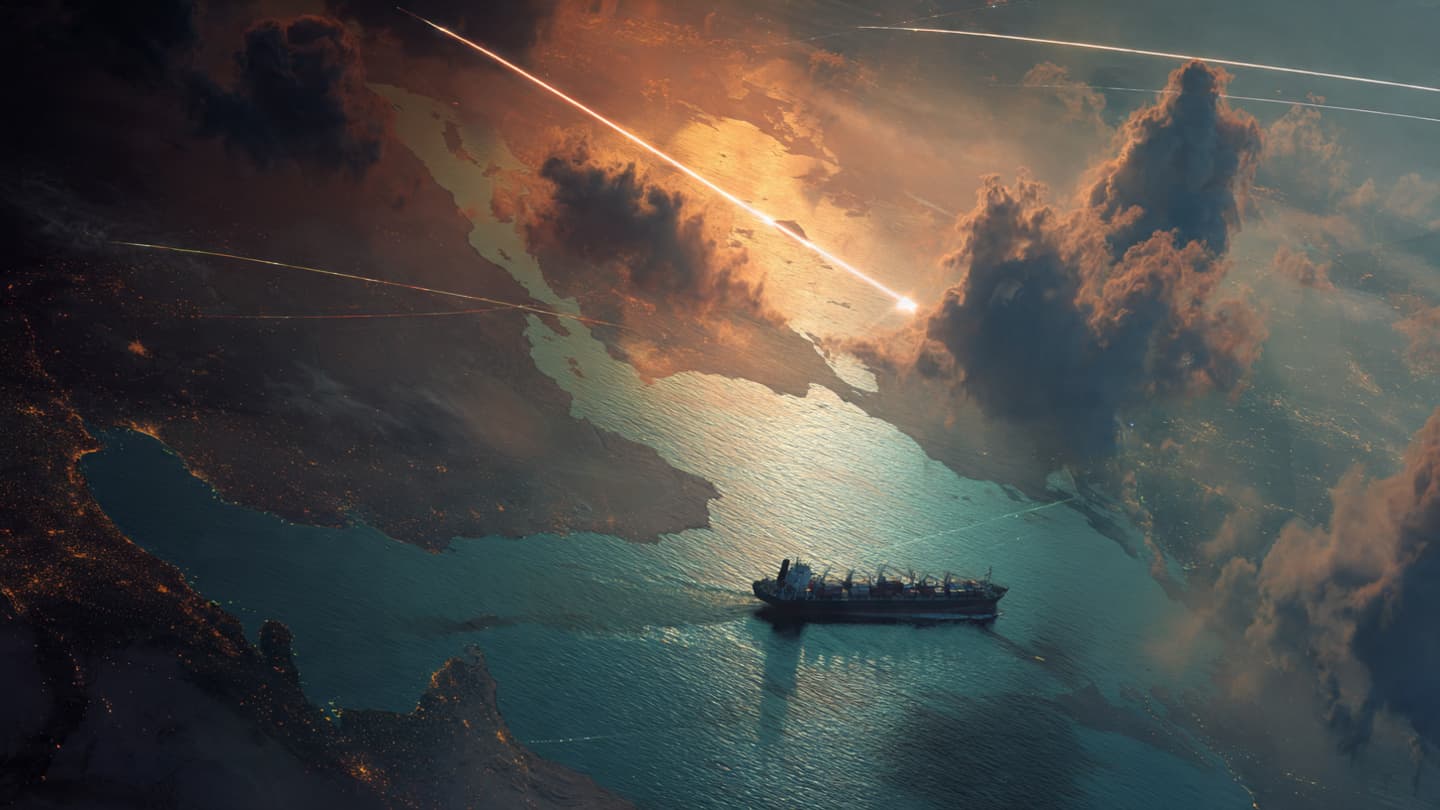
At first glance, the idea can sound deceptively simple: send American forces into Iran, secure nuclear facilities, remove enriched material, and eliminate the threat. In political rhetoric, that kind of plan can be framed as bold, surgical, and final. In reality, it would be none of those things. A U.S. mission to seize Iran nuclear fuel would rank among the most dangerous and complex military operations of the modern era, demanding precision intelligence, overwhelming force protection, long logistical tails, and a tolerance for escalation that few leaders would welcome once the first shots were fired.
From a strategic standpoint, the central problem is not just getting into the country. It is identifying the right targets, reaching them intact, controlling them under fire, handling sensitive nuclear material safely, and then getting out without triggering a broader regional war. Even if every phase went mostly according to plan, success would still be uncertain. Nuclear infrastructure is not a single object sitting in the open. It is a network of sites, supply chains, technical staff, hardened buildings, underground halls, backup systems, and unknown contingencies.
That is why any serious discussion of a U.S. ground operation in Iran has to move beyond slogans and focus on what such a campaign would actually require. Once you examine the military mechanics, the legal implications, the intelligence gaps, and the human cost, the picture becomes far more sobering.
Why Seizing Nuclear Material Is Harder Than Destroying It
There is a major difference between striking a facility from the air and physically taking control of its contents. Air power aims to damage, delay, or destroy. A seizure mission aims to occupy, inspect, secure, catalogue, package, and transport dangerous material while under threat. That is exponentially harder.
Iran's nuclear infrastructure has long been designed with survival in mind. Facilities are dispersed. Some are hardened. Some are buried. Some may be partially known, while others could be concealed or dual-use. The key operational question is not simply, "Where are the sites?" It is, "Where is the material right now, who controls it, and how quickly can it be moved once an attack appears imminent?"
- Known sites may be fortified and defended by layered security.
- Sensitive material could be relocated before troops arrive.
- Underground facilities complicate both access and extraction.
- Incomplete intelligence raises the risk of missing critical stockpiles.
- Technical hazards require specialists, not just combat units.
In practical terms, a force sent to seize nuclear assets would need more than infantry and air cover. It would need engineers, explosive ordnance teams, nuclear experts, secure transport units, translators, cyber support, surveillance assets, and medical evacuation capability. This is not a raid in the Hollywood sense. It is a rolling, multi-domain campaign.
What a U.S. Operation in Iran Would Actually Require
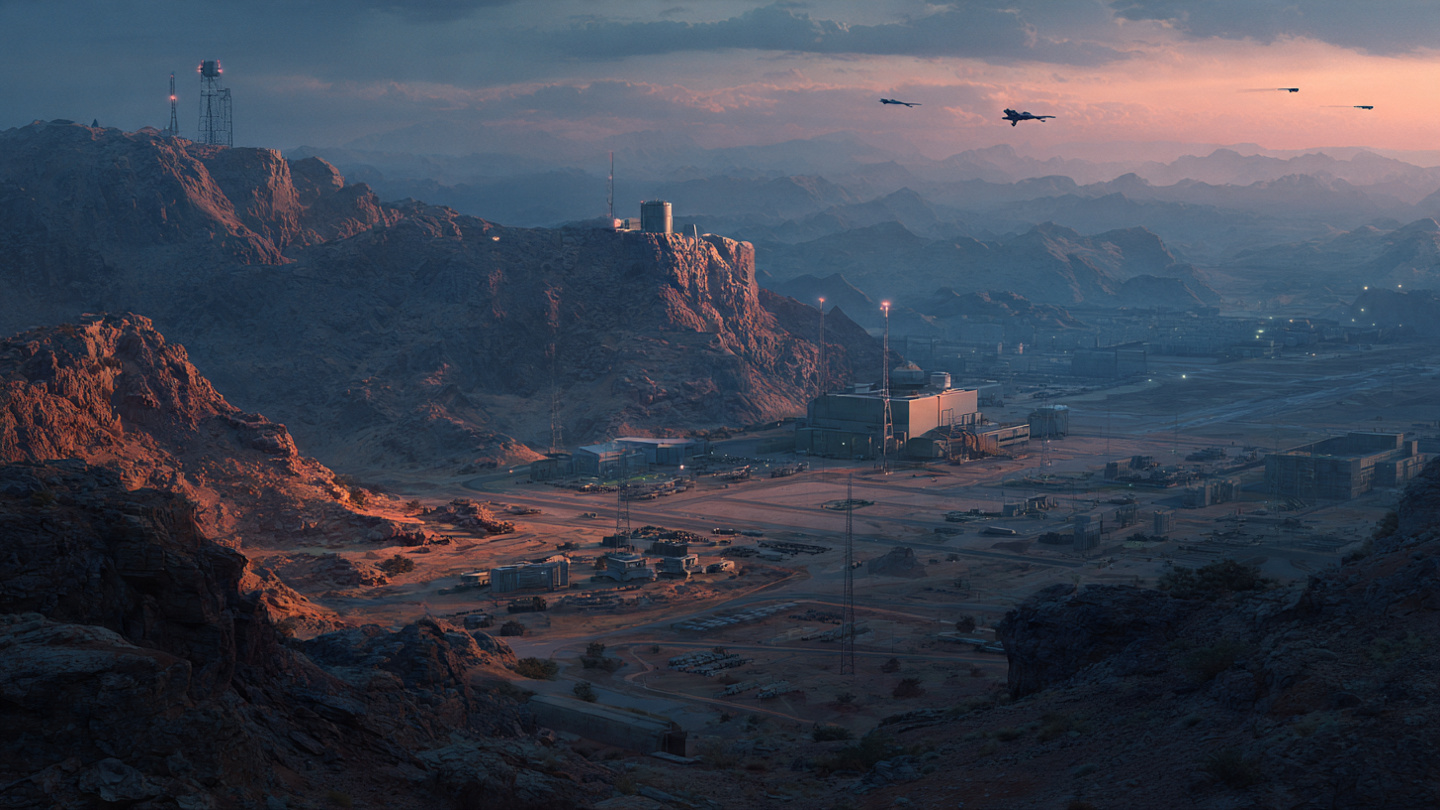
Phase 1: Intelligence Preparation
No military planner would begin with boots on the ground. The first requirement would be a deep intelligence picture built from satellites, signals intelligence, cyber penetration, human sources, and real-time surveillance. Even then, the information could be fragmentary. Iran has had years to anticipate pressure on its nuclear program, which means concealment, deception, and redundancy would likely be part of the operating environment.
The challenge here is brutal: if the intelligence is wrong by even a small margin, troops could seize a site that no longer contains the most important material while other stockpiles are moved elsewhere. That kind of miscalculation would turn an already dangerous operation into an open-ended war with limited strategic payoff.
Phase 2: Suppression of Defenses
Before any insertion, the United States would likely need to suppress Iran's air defenses, missile batteries, radar systems, communications nodes, and command centers. This would not look like a narrow action. It would look like the opening stage of a major war.
Iran would have multiple ways to respond: drone attacks, ballistic missile launches, naval disruption in the Persian Gulf, proxy militia strikes on U.S. positions in Iraq and Syria, and attacks against regional energy infrastructure. In other words, the moment Washington tries to create a corridor for a seizure mission, Tehran gains powerful incentives to widen the battlefield.
Phase 3: Insertion and Site Seizure
Assault forces would need to enter, isolate, and control target areas quickly. That sounds manageable on a briefing slide. On the ground, it could mean penetrating defended terrain, breaching hardened compounds, and fighting in or around industrial environments that are poorly suited for conventional urban combat.
Here is where the human cost becomes impossible to ignore. Even a highly trained force can suffer severe losses when missions depend on speed, surprise, and exact intelligence. If defenders are ready, if access points are collapsed, or if key materials are moved or booby-trapped, troops could be pinned into a mission that is tactically chaotic and politically disastrous.
Phase 4: Identification and Handling of Nuclear Material
Securing a building is not the same as securing its contents. Teams would need to identify enriched uranium or related material, verify what they found, assess contamination risks, and prepare the material for removal. That takes time, expertise, and calm control over a hostile environment.
Anyone who has followed hazardous-material operations knows how small mistakes can become major emergencies. Add combat conditions, damaged infrastructure, limited visibility, possible sabotage, and the urgency of extraction, and the level of risk rises sharply. This is one of the least appreciated aspects of the debate: nuclear fuel seizure is not just a combat mission, it is also a technical and environmental crisis-management exercise.
Phase 5: Extraction and Withdrawal
Even after material is found and secured, the mission would still face one of its hardest phases: getting the material out. Safe transport of radioactive or strategically sensitive cargo requires heavily protected convoys or aircraft, redundant routes, and secure staging points. Every mile of movement creates a fresh opportunity for attack.
If Iranian forces, militia networks, or local responders disrupted the withdrawal, U.S. troops could end up defending fixed positions while waiting for extraction. That is how limited missions become extended occupations. History is full of plans built on confident entry assumptions and weak exit assumptions.
The Biggest Risks Military Planners Would Face
Any operation aimed at seizing Iran's nuclear stockpile would carry risks far beyond the target compounds themselves. The core danger is escalation. The second is uncertainty. The third is the false comfort of believing that tactical excellence can erase strategic instability.
- Troop casualties: Site defenses, ambushes, and missile attacks could inflict heavy losses.
- Mission failure: Key material might be hidden, relocated, or destroyed before capture.
- Regional war: Iran and allied militias could retaliate across multiple fronts.
- Energy shock: Conflict in the Gulf could disrupt shipping and spike global oil prices.
- Diplomatic fallout: Allies might split over legality, timing, and strategic wisdom.
- Nuclear acceleration: A failed or partial raid could harden Iran's resolve to rebuild faster.
One practical example helps illustrate the point. Imagine a force successfully enters a major facility only to discover that the most enriched material was moved 48 hours earlier to a smaller undeclared location. The United States would then face a terrible choice: expand the war to chase a moving target or leave after paying the cost of a large operation without achieving its main objective. Neither outcome looks like a clean success.
Why Intelligence Would Decide Everything
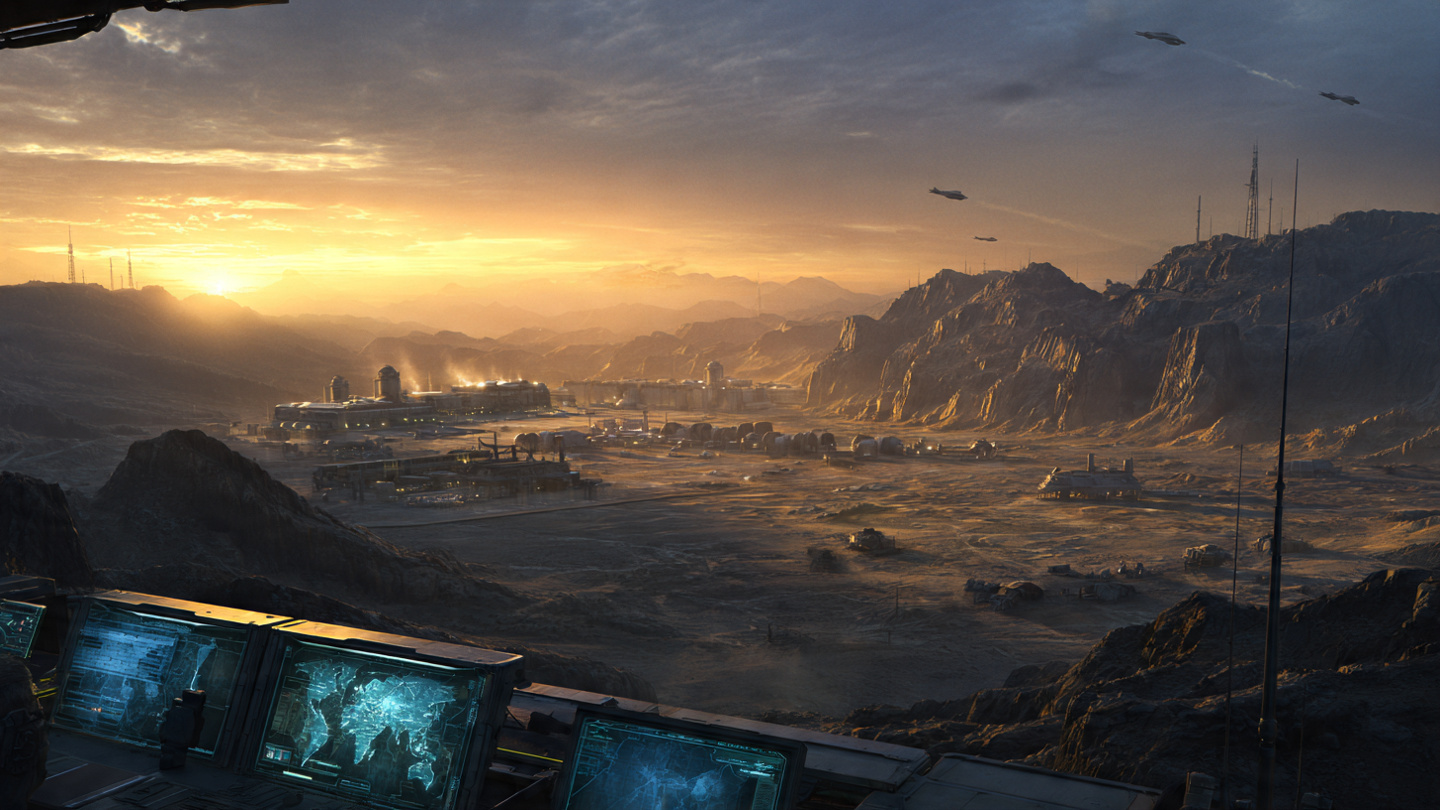
When people discuss military options, they often focus on hardware: bombers, carriers, special operations forces, and bunker-penetrating weapons. Those capabilities matter, but in a mission like this, intelligence is the real center of gravity. Without near-perfect knowledge, physical control over a few facilities may create the illusion of progress while the strategic problem survives elsewhere.
This is especially important because nuclear programs are not reducible to metal containers or centrifuge halls. They also depend on scientific expertise, procurement channels, documentation, software, design knowledge, and industrial depth. A state that retains those ingredients can often rebuild more quickly than outsiders expect.
That is why some analysts argue that trying to seize Iran's nuclear fuel could become a paradox: the more force used to stop the program, the stronger the political and security incentives become for Iran to conceal, decentralize, and accelerate what remains.
The Legal and Political Fallout Would Be Massive
Even if Washington framed the mission as preventive or necessary for global security, the legal basis would be heavily contested unless it followed a clear triggering event, broad international backing, or explicit authorization under recognized frameworks. Without that legitimacy, the United States could face accusations of aggression, weakened coalition support, and intense backlash across international institutions.
There is also the regional political dimension. Arab states that privately fear an Iranian nuclear breakout might still publicly oppose a large American invasion or seizure mission on their doorstep. European allies could fracture over proportionality and precedent. Adversaries such as Russia and China would almost certainly exploit the crisis diplomatically, economically, and rhetorically.
My own view is that this part of the conversation is too often underplayed. Military plans do not unfold in a vacuum. They shape oil markets, alliance politics, refugee flows, domestic public opinion, and the credibility of future diplomacy. A raid that looks "decisive" in a narrow military sense can be strategically corrosive if it damages the very international alignment needed to contain long-term nuclear risk.
Could It Work at All?
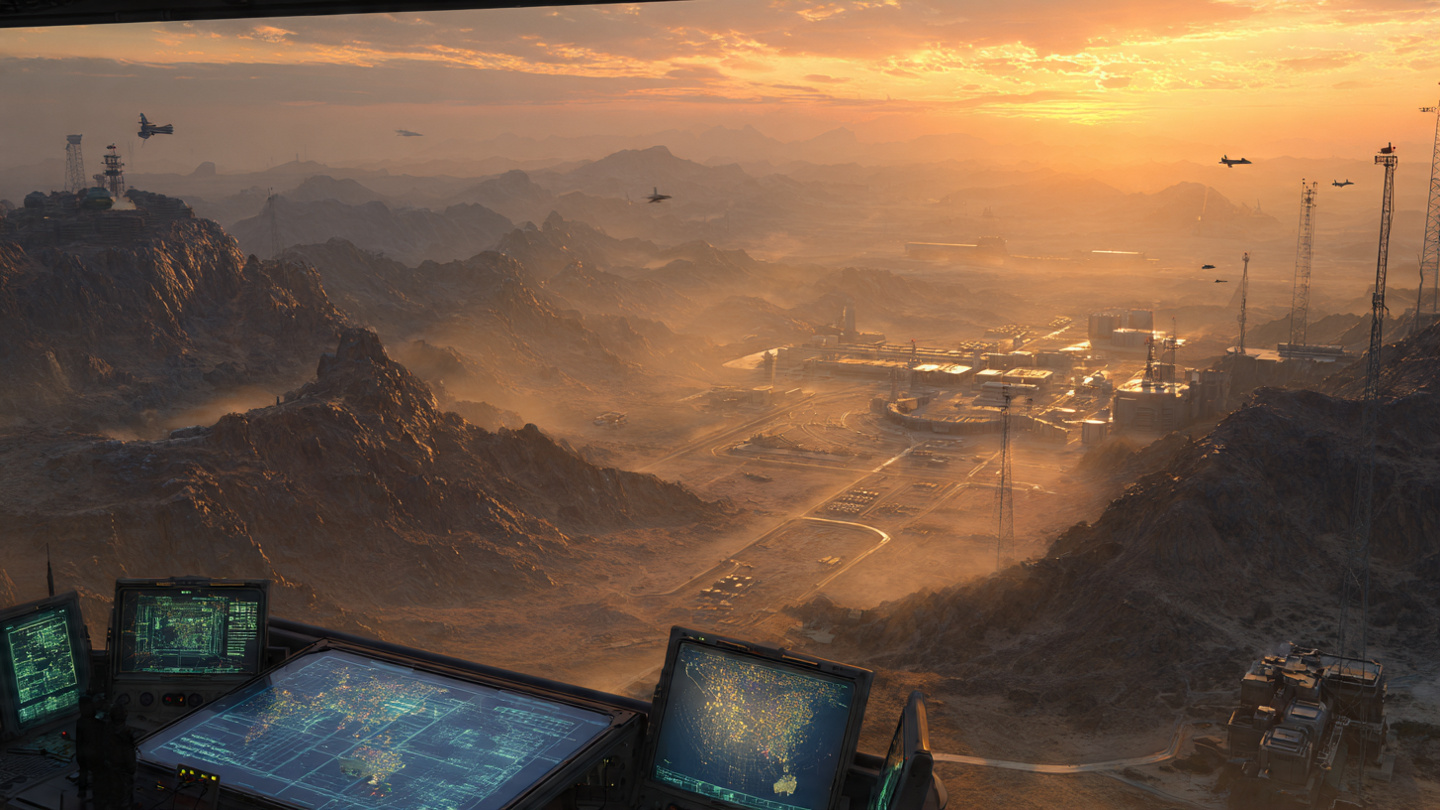
The honest answer is that it could achieve limited objectives under very specific conditions, but it could not guarantee a final solution. If intelligence were unusually strong, if target locations were fixed, if defenses were degraded quickly, and if extraction routes stayed open, U.S. forces might secure some portion of Iran's nuclear material. That would be a significant tactical accomplishment.
But tactical accomplishment is not the same as strategic resolution. A successful seizure of some fuel would not automatically erase hidden stockpiles, technical expertise, or political motivation. Nor would it eliminate the possibility of retaliation. The most realistic assessment is that such an operation might delay a nuclear timeline while dramatically increasing the risk of a broader conflict.
That distinction matters. Policymakers often face pressure to choose between the language of strength and the language of restraint, as if those are the only two options. In reality, effective strategy usually depends on combining pressure, intelligence, diplomacy, inspections, sanctions, deterrence, and alliance management. Ground seizure is not the "strong" option by default. In many cases, it is the option that exposes the most strength to the most uncertainty.
What This Debate Reveals About Modern Conflict
The bigger lesson is that modern security threats rarely yield to single-action solutions. Nuclear programs are embedded in politics, geography, technology, and national identity. That makes them resistant to dramatic one-move answers. The fantasy of a clean operation persists because it is emotionally satisfying. It offers the promise of control. But real-world military strategy is usually about managing trade-offs, not escaping them.
For readers trying to make sense of this issue, the key takeaway is simple: any proposal for a U.S. military operation against Iran nuclear sites should be judged not by how forceful it sounds, but by whether it solves the underlying problem at acceptable cost. That is a much harder test, and one that grand political claims often fail.
Conclusion
A mission to seize Iran's nuclear fuel would not be a quick strike or a clean extraction. It would be a high-risk campaign built on fragile intelligence, extreme operational demands, and enormous escalation danger. U.S. forces could face deadly resistance, uncertain target data, technical hazards, and an exit problem as serious as the entry problem. Even if parts of the mission succeeded, the broader strategic outcome could still be instability, retaliation, and a nuclear program that survives in altered form.
That is the central reality policymakers and the public should keep in mind: the hardest part of war is not announcing it, and it is not even starting it. The hardest part is controlling what comes next.
If you want sharper analysis on security strategy, nuclear risk, and the real-world mechanics behind headline-grabbing military proposals, stay engaged, read beyond the slogans, and follow the details that political sound bites usually leave out. In national security, details are not secondary. They are the story.