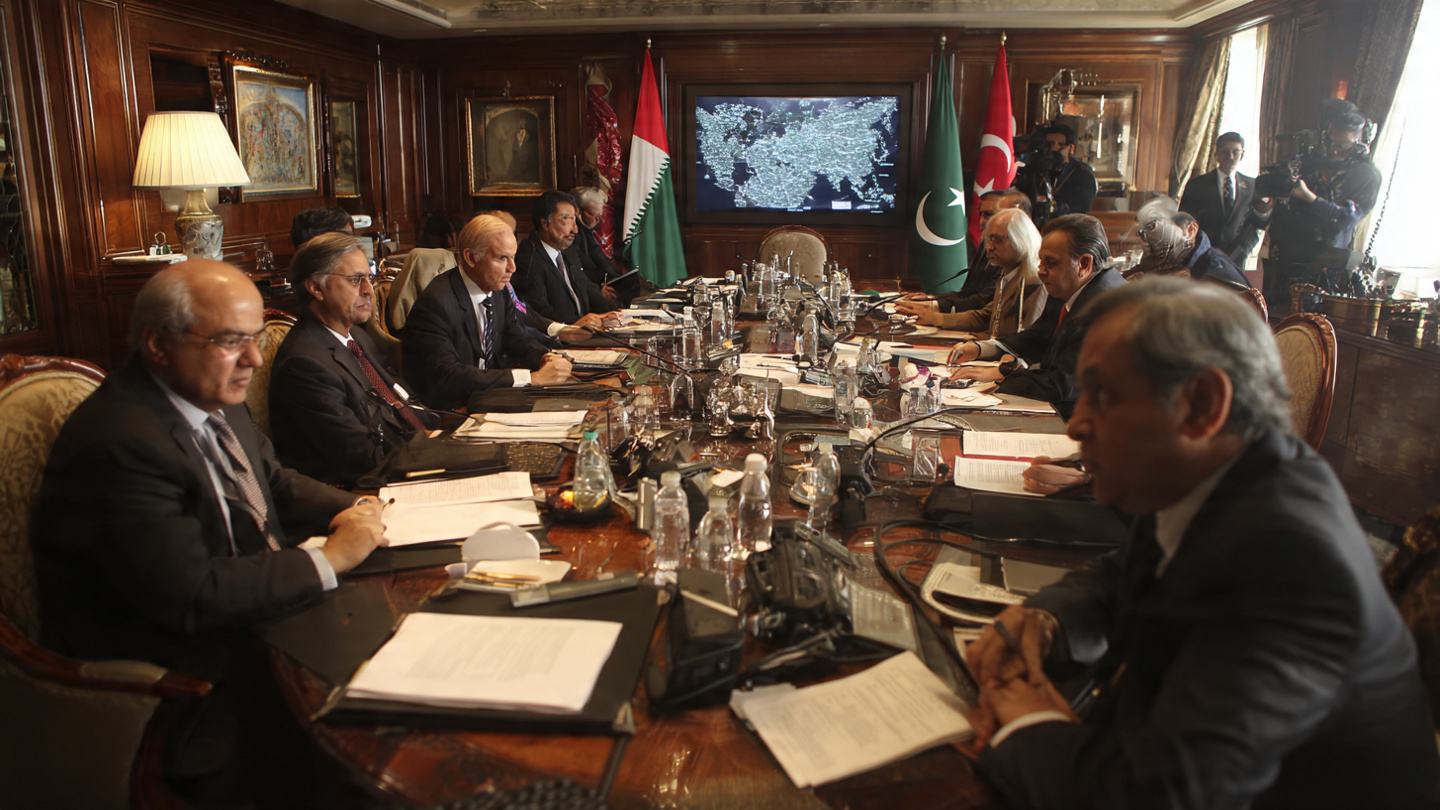
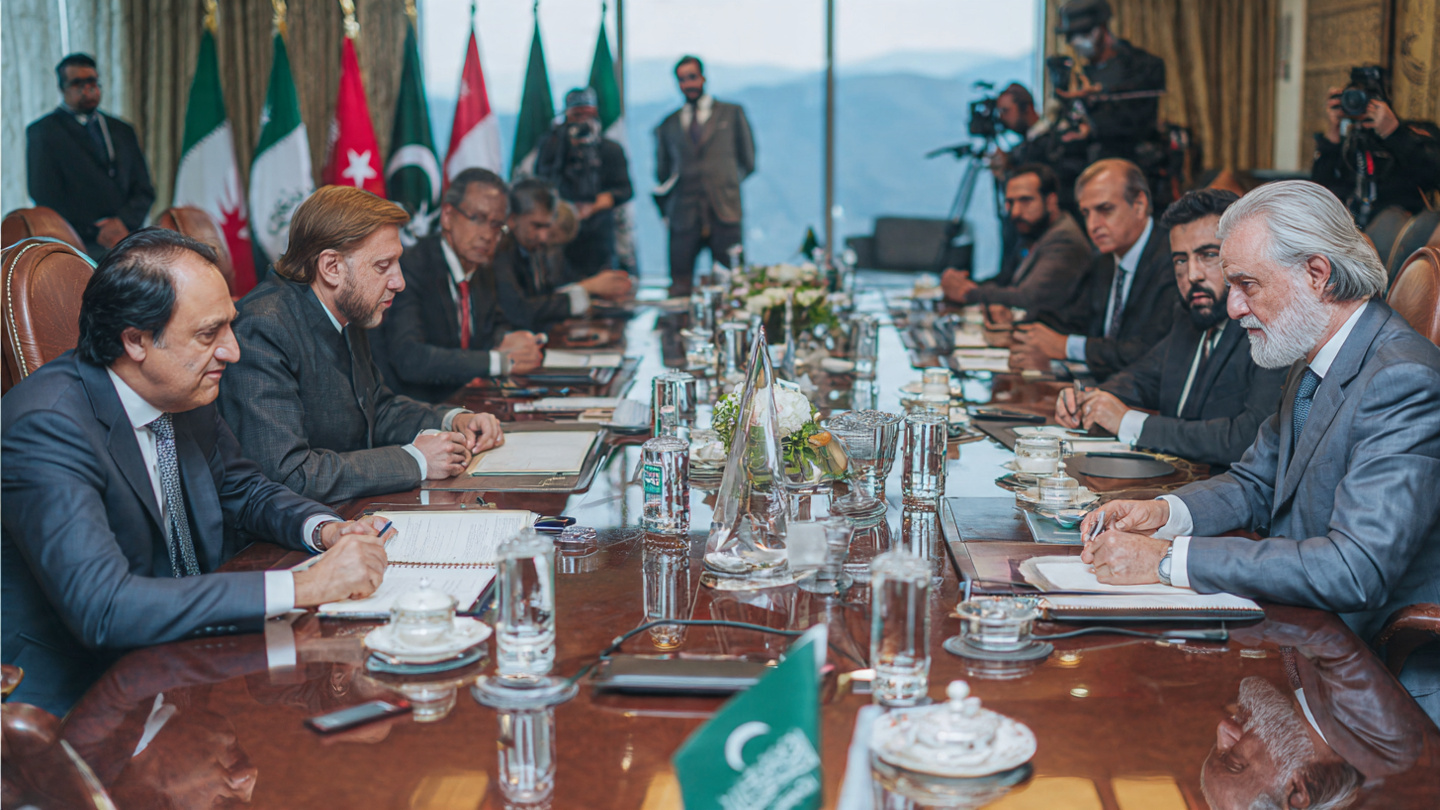
When a conflict begins to redraw the political map of an entire region, even a single diplomatic meeting can carry extraordinary weight. That is why the recent gathering in Pakistan, where senior officials welcomed the foreign ministers of Saudi Arabia, Turkey, and Egypt, deserves close attention. At first glance, it may seem like one more round of high-level talks in a world already saturated with summits and statements. In reality, it reflects something deeper: a growing realization among regional powers that the Iran war cannot be contained by distance, rhetoric, or military calculations alone.
Pakistan’s decision to host these discussions signals more than diplomatic courtesy. It points to Islamabad’s ambition to position itself as a serious mediator at a time when the Middle East faces dangerous instability. For observers of regional politics, this moment matters because it brings together countries with different alliances, different priorities, and different levels of influence, yet all of them share one urgent concern: preventing the conflict from spiraling into a broader regional crisis.
From my perspective, this is exactly the kind of diplomacy that often gets underestimated until it becomes indispensable. Long before ceasefires are signed or peace frameworks are drafted, the groundwork is laid through difficult conversations among states that may not agree on much but understand the cost of chaos. Pakistan’s outreach shows that regional diplomacy is not just symbolic theater. In moments like this, it becomes a mechanism for crisis management, strategic signaling, and, potentially, de-escalation.
Why Pakistan’s Diplomatic Role Matters Now
Pakistan has long sought to balance relationships across the Muslim world while protecting its own strategic interests. Hosting talks with Saudi Arabia, Turkey, and Egypt gives Islamabad an opportunity to present itself as a bridge-builder rather than a bystander. That matters because the Middle East conflict is no longer a localized security issue. Its consequences ripple outward through energy markets, migration routes, military partnerships, and global financial confidence.
Pakistan also occupies a unique place in the diplomatic landscape. It maintains historical ties with Gulf states, has working relations with Turkey, and understands the political sensitivity surrounding Iran better than many external actors do. That combination gives it room to facilitate dialogue in ways that countries outside the region often cannot. While Pakistan may not have the power to dictate outcomes, it can still shape the diplomatic environment in which those outcomes are negotiated.
There is also a domestic dimension. By taking a visible role in peace efforts, Pakistani officials can reinforce the country’s relevance on the international stage and project an image of responsible regional engagement. In a period when global attention is fragmented and great powers are consumed by multiple crises, middle-power diplomacy can suddenly become far more influential than expected.
The Strategic Stakes of the Iran War for the Region
The war involving Iran has generated alarm not just because of immediate violence, but because of its capacity to trigger secondary crises. Regional governments know that once conflict intensifies in or around Iran, the consequences rarely remain confined to military fronts. Trade corridors become vulnerable, oil markets react sharply, and existing political rivalries harden.
For Saudi Arabia, Turkey, Egypt, and Pakistan, the danger is not theoretical. Each country has strong incentives to prevent escalation:
- Saudi Arabia wants to avoid a wider security shock that could threaten Gulf stability and energy infrastructure.
- Turkey is concerned about regional disorder, refugee pressures, and disruptions to trade and strategic access.
- Egypt has a clear interest in preserving regional balance and protecting economic confidence across key maritime and commercial routes.
- Pakistan wants to avoid instability near its broader neighborhood while maintaining ties across competing regional blocs.
These overlapping concerns explain why the meeting in Pakistan is significant. Even if the participants do not agree on every aspect of the crisis, they share a practical interest in reducing the risks of spillover. That common ground can be the starting point for serious diplomacy.
How Saudi Arabia, Turkey, and Egypt Shape the Diplomatic Equation
Saudi Arabia’s Influence
Saudi Arabia remains one of the most consequential players in any major Middle East diplomacy effort. Its influence extends through political alliances, economic weight, and religious significance. Riyadh’s involvement in talks hosted by Pakistan suggests that the kingdom is taking seriously the need for structured regional consultation, especially at a time when open conflict could undo years of careful recalibration in the Gulf.
Saudi policymakers understand that military escalation can send energy prices soaring in the short term while creating strategic uncertainty in the long term. A region under constant threat becomes harder to invest in, harder to insure, and harder to stabilize. That is why diplomatic participation is not simply about image; it is also about protecting national and regional interests.
Turkey’s Balancing Strategy
Turkey often plays a complex role in regional crises, combining strategic ambition with tactical pragmatism. Ankara maintains dialogue across multiple political fault lines and frequently positions itself as a state capable of speaking to opposing sides. In the context of the Iran war talks, Turkey’s participation strengthens the legitimacy of a wider diplomatic push.
Turkey also understands how conflict can quickly move beyond borders through trade disruptions, security threats, and humanitarian fallout. Its leaders have every reason to support mediation efforts that reduce volatility. In many ways, Turkey’s presence underscores the idea that this crisis cannot be managed by one camp alone.
Egypt’s Stabilizing Interest
Egypt has consistently favored state stability over regional fragmentation. Cairo’s diplomatic posture tends to prioritize order, institutional continuity, and the avoidance of prolonged regional shocks. In this setting, Egypt’s involvement adds another layer of seriousness to the talks in Pakistan.
Egypt’s concern is not limited to battlefield developments. Broader instability in the region can affect shipping, investment sentiment, tourism confidence, and political coordination across Arab capitals. By joining the conversation, Cairo reinforces the message that de-escalation is not merely desirable; it is economically and strategically necessary.
What Pakistan May Be Trying to Achieve Behind the Scenes
Diplomatic meetings rarely reveal their full purpose in public statements. Much of their value lies in what happens privately: testing positions, measuring flexibility, identifying red lines, and opening channels for future engagement. Pakistan’s role may therefore be less about announcing a dramatic breakthrough and more about creating the conditions in which future progress becomes possible.
Several likely objectives stand out:
- Encouraging regional mediation instead of unilateral escalation.
- Building a contact mechanism among influential states that can coordinate messages to the parties involved.
- Reducing miscalculation by improving communication between capitals with differing views.
- Exploring diplomatic formulas that could eventually support a ceasefire, humanitarian access, or broader negotiations.
That quiet architecture matters. In major conflicts, breakthroughs often arrive only after months of unglamorous diplomatic preparation. Public audiences tend to notice the final agreement, but the real work usually begins much earlier in rooms exactly like these.
The Economic Consequences Driving Urgency
One of the strongest reasons regional powers are moving quickly is economic risk. War involving Iran has implications far beyond military headlines. Energy markets react almost instantly to uncertainty in the Middle East, and those reactions can affect everything from transportation costs to food prices.
This is where the diplomatic story becomes relevant even for readers far from the region. A worsening conflict can trigger:
- Higher oil and gas prices that feed inflation worldwide.
- Shipping delays and insurance spikes across vital trade routes.
- Investor anxiety in emerging markets and frontier economies.
- Pressure on national budgets as governments respond to energy and security shocks.
Pakistan, like many countries, understands how fast external crises can become domestic economic problems. Families feel it at fuel stations, businesses feel it in import costs, and governments feel it in public finances. That practical reality helps explain why diplomacy is not a luxury during wartime. It is part of economic defense.
A simple example illustrates the point. If crude prices surge because traders fear wider regional disruption, transportation costs rise across supply chains. That can push up the price of food, construction materials, and consumer goods within weeks. For countries already dealing with inflation or debt pressures, the margin for absorbing another shock is extremely thin. Diplomatic efforts aimed at de-escalation therefore serve both strategic and economic purposes.
Can Regional Diplomacy Really Change the Course of War?
Skeptics often dismiss multilateral meetings as ceremonial, especially when the fighting continues. That skepticism is understandable, but it can also miss how conflicts are actually managed. Wars do not end only through battlefield exhaustion. They end when political conditions shift enough to make continued escalation less attractive than negotiation.
Pakistan diplomacy in this context should be viewed as part of that larger process. No single meeting can end a war. But meetings like this can alter momentum by clarifying positions, building coalitions for restraint, and signaling that influential regional actors are no longer willing to remain passive.
There is also symbolic value in regional states taking ownership of regional crises. When diplomacy is led only by external powers, local actors may feel sidelined or pressured. When neighboring or nearby states step in, the message changes. It says that those with the most to lose are now actively engaged in preventing a wider disaster.
Personally, I think this is why such talks deserve more attention than they usually get. Real diplomacy is often incremental, frustrating, and difficult to headline. Yet without it, wars harden into permanent instability. The countries meeting in Pakistan may not produce instant peace, but they may be helping prevent the next phase from becoming even worse.
The Challenges Facing Any Mediation Effort
For all the promise of regional consultation, the obstacles are formidable. The governments involved do not share identical threat perceptions, and each must weigh domestic politics, military relationships, and external alliances. Mediation also becomes harder when active combat intensifies or when public rhetoric narrows room for compromise.
Among the biggest challenges are:
- Deep mistrust among regional rivals and their respective partners.
- Competing security priorities that can pull diplomacy in different directions.
- Domestic audiences that may interpret compromise as weakness.
- The risk that events on the ground move faster than diplomatic engagement.
Still, difficulty is not a reason to abandon diplomacy. In fact, it is often the strongest reason to intensify it. When a conflict involves high emotions, fragmented alliances, and global economic exposure, even limited communication can prevent catastrophic misjudgment.
What to Watch Next
The true importance of these talks will become clearer in the coming days and weeks. Observers should look beyond formal communiques and pay attention to follow-up signals. Do the participating countries maintain coordinated messaging? Are additional meetings scheduled? Do public statements begin to emphasize restraint, humanitarian access, or negotiation frameworks more consistently?
Key indicators to watch include:
- Whether Pakistan continues to host or facilitate further regional consultations.
- Whether Saudi Arabia, Turkey, and Egypt align more closely on de-escalation language.
- Whether broader diplomatic channels open between affected parties and influential intermediaries.
- Whether market anxiety eases, suggesting investors see lower risk of immediate escalation.
If those signs emerge, the talks in Pakistan may come to be seen as an early but meaningful turning point in the regional response to the war.
Conclusion
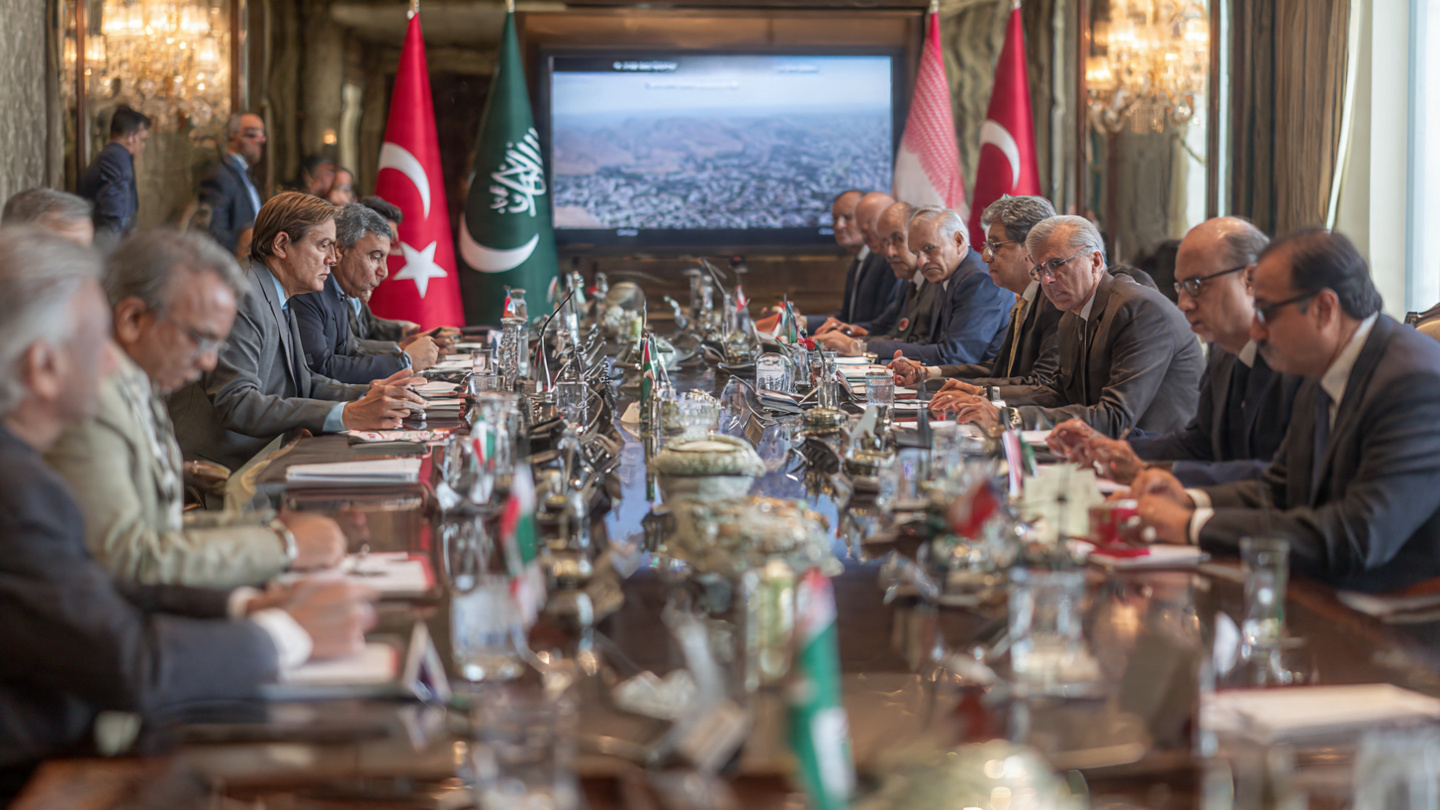
The meeting in Pakistan is not just another diplomatic photo opportunity. It reflects a serious regional recognition that the Iran war carries consequences too severe to ignore and too complex to manage through confrontation alone. By bringing together the foreign ministers of Saudi Arabia, Turkey, and Egypt, Pakistan has inserted itself into one of the most sensitive diplomatic efforts in the region today.
Whether this initiative leads to a ceasefire, broader mediation, or simply more disciplined communication among key states, it already matters. It matters because wars expand when diplomacy collapses. It matters because regional powers are showing they understand the economic and security costs of unchecked escalation. And it matters because in a volatile moment, even incremental diplomacy can create space for restraint.
For readers trying to understand where the crisis may go next, the essential takeaway is clear: watch the diplomats as closely as the battlefield. The future of this conflict may depend not only on military decisions, but on whether regional leaders can turn urgent consultation into sustained action.
Stay engaged with the story, follow the signals coming out of Islamabad, Riyadh, Ankara, and Cairo, and keep an eye on how regional diplomacy evolves. In a conflict this consequential, the next breakthrough may begin not with a dramatic announcement, but with quiet coordination that prevents a far worse outcome.


