Greenland is often imagined as a distant expanse of ice, silence, and stunning isolation. Yet beneath that frozen surface lies one of the most consequential geopolitical stories unfolding today. What looks, at first glance, like a curious attempt by influential Americans to build relationships on a Danish territory is, in reality, part of a much larger contest over the future of the Arctic. When figures connected to President Donald Trump draw scrutiny from Denmark intelligence services, the issue is not simply whether meetings were public or private. The real question is why Greenland has become so strategically valuable that every conversation, business overture, and political signal now carries global implications.
From my perspective, this story matters because it reveals how modern influence works. It is not always dramatic, hidden, or cinematic. Sometimes it unfolds in broad daylight through friendly outreach, investment talk, political networking, and promises of opportunity. That is precisely what makes the situation in Greenland so important. The activity may be visible, but the long-term objectives behind it deserve close attention.
Why Greenland Suddenly Matters So Much
Greenland has moved from the margins of global affairs to the center of Arctic geopolitics. This shift is driven by geography, resources, military positioning, and climate change. As the Arctic becomes more accessible, countries are treating Greenland not as a remote island, but as a strategic asset with growing economic and security value.
The territory sits between North America and Europe, making it highly relevant for defense planning, shipping routes, satellite systems, and Arctic monitoring. It is also rich in rare earth minerals and other resources that major powers increasingly want to secure. In an era defined by supply chain competition and technological rivalry, Greenland offers more than symbolic importance. It presents practical leverage.
- Location: Greenland occupies a critical position in the North Atlantic and Arctic corridor.
- Resources: The island holds valuable deposits tied to energy, mining, and advanced manufacturing.
- Security: Military planners view Greenland as essential for surveillance and missile defense.
- Climate shifts: Melting ice is opening access to routes and land previously difficult to reach.
- Political leverage: Influence in Greenland can shape broader U.S.-Denmark and Arctic policy.
This is why outside interest in Greenland has intensified. What may sound like an unusual political curiosity is, in truth, a strategic competition over who gets to shape the island's future.
The Real Meaning Behind a So-Called Covert Operation
Calling the outreach around Greenland a covert operation can be misleading if the people involved were acting in public view. But that does not mean the effort was insignificant. In international politics, influence campaigns often rely on relationship-building, access, and informal dealmaking rather than secrecy alone. The goal is not always to hide activity completely. Often, the aim is to normalize it, soften resistance, and create networks of goodwill before larger proposals emerge.
That distinction is crucial. A public campaign can still be deeply strategic. When political allies, business figures, or power brokers begin forging ties in a sensitive territory, intelligence services naturally pay attention. Their job is not merely to detect illegal acts. It is to identify patterns of influence that could affect sovereignty, public opinion, security partnerships, or economic control.
In Greenland's case, the concern appears to center on whether outside actors are trying to gain advantage by cultivating local relationships and exploring transactions that could shift political momentum. That does not require spy-novel secrecy. It only requires patience, money, access, and a clear understanding of what is at stake.
How Trump’s Orbit Fits Into the Greenland Story
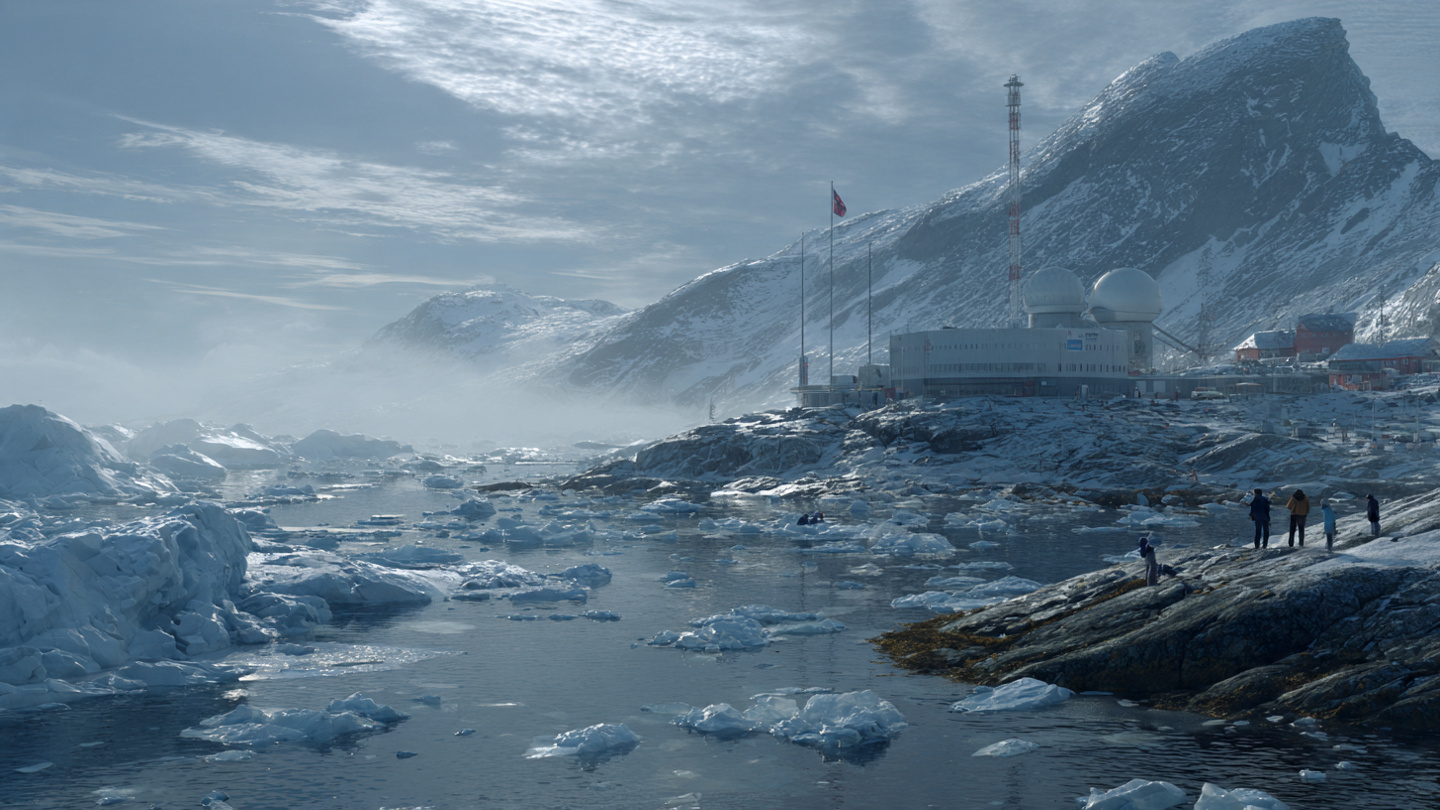
The connection to Trump matters because his political brand has long mixed nationalism, dealmaking, and headline-grabbing foreign policy. His past interest in Greenland drew global attention and was initially treated by many observers as eccentric. But with time, that interest looks less random and more like an early signal of a broader strategic instinct: control key territory, secure resources, and project American leverage.
People around powerful leaders often act as unofficial extensions of policy. They may not carry formal diplomatic titles, yet they can open doors, test reactions, and explore opportunities that governments later adopt more openly. This is why intelligence agencies do not focus only on ambassadors or military officers. They also watch business intermediaries, political allies, and elite networks that can influence outcomes from the shadows of legitimacy.
In practical terms, if individuals close to Trump were meeting Greenlandic stakeholders, discussing investment, or presenting themselves as gateways to U.S. attention and support, that could shape local calculations. A local official, entrepreneur, or community leader might see these relationships as beneficial. But Danish authorities could interpret the same activity as a challenge to their oversight or a precursor to external pressure.
Denmark’s Intelligence Services Are Watching for a Reason
Denmark has every reason to treat Greenland as a serious national and strategic concern. Although Greenland enjoys broad self-rule, it remains within the Kingdom of Denmark, and any attempt by outside actors to build influence there touches on sovereignty, alliance management, and long-term security planning.
When Denmark intelligence services take interest in foreign networking on the island, they are responding to more than one possible threat. They are looking at whether relationships could reshape local politics, whether economic incentives could alter strategic assets, and whether external actors might exploit divisions between Nuuk, Copenhagen, and Washington.
What intelligence agencies typically monitor in cases like this
- Foreign efforts to influence local leaders or voters through promises of investment or development
- Attempts to gain access to strategic land, ports, airfields, or mineral assets
- Informal political channels operating outside standard diplomatic frameworks
- Narratives designed to shift public sentiment about autonomy, independence, or foreign partnerships
- Business proposals that may carry hidden geopolitical consequences
Seen through that lens, scrutiny is not necessarily an accusation of criminal wrongdoing. It is a recognition that Greenland sits at the intersection of domestic politics and international power competition. Intelligence agencies are trained to think ahead, not just react after the fact.
Greenland’s Own Agency Should Not Be Ignored
One mistake many outside observers make is assuming Greenland is merely a passive object in this contest. It is not. Greenlandic leaders and communities have their own priorities, ambitions, and debates. Economic development, employment, infrastructure, environmental protection, and eventual independence from Denmark are all part of the internal conversation.
This is where the story becomes more nuanced. External attention is not automatically unwelcome. For some in Greenland, foreign investment and political engagement can look like opportunity. New partnerships may promise jobs, stronger infrastructure, or more leverage in negotiations with Copenhagen. Others, however, fear that too much outside interest can turn the island into a bargaining chip in someone else's strategic game.
I think this tension is the heart of the issue. Greenland wants room to define its future. Yet the more strategically important it becomes, the harder it is to make choices free from pressure. Great powers rarely approach valuable regions without expectations attached.
The Arctic Is No Longer a Peripheral Arena
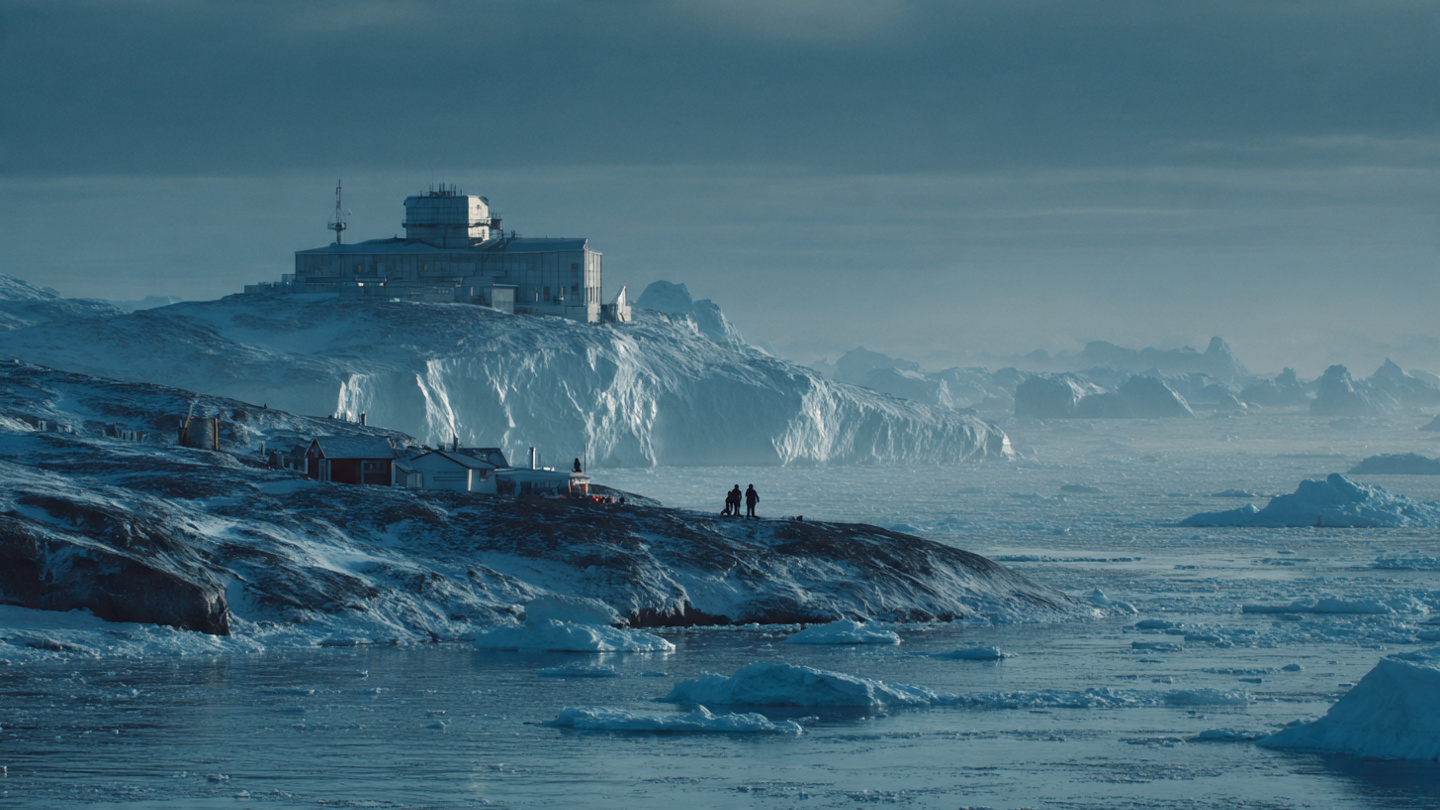
To understand the Greenland story fully, it helps to place it within the wider transformation of the Arctic. The region is increasingly central to global competition involving the United States, Russia, China, and European allies. Military routes, undersea cables, critical minerals, energy access, and shipping lanes are all reshaping how policymakers view the far north.
That means U.S. strategy in Greenland is not an isolated curiosity. It fits into a larger effort to ensure American presence and influence across the Arctic. The United States already has a military footprint in Greenland through Thule Air Base, now known as Pituffik Space Base, which underscores the island's defense significance. As threats evolve and technological systems become more sophisticated, that significance is only increasing.
Why the Arctic race is accelerating
- Climate change is expanding physical access to previously inaccessible areas
- Critical minerals are becoming essential for clean energy and defense technology
- Military powers are reinforcing early-warning and surveillance capabilities
- Shipping and logistics routes could shorten trade distances over time
- Rival powers are seeking first-mover advantage in governance and infrastructure
Greenland sits within all of these trends. That makes even informal political outreach more consequential than it might appear in a less strategic location.
Business, Politics, and Influence Often Travel Together
One of the clearest lessons from this episode is that business interests and political influence often operate side by side. A proposal framed as economic cooperation can also create strategic dependency. A conversation about development can become a pathway to diplomatic leverage. A friendly local alliance can eventually affect decisions about land use, infrastructure, or foreign alignment.
Consider a simple example. If a politically connected group arrives in Greenland offering investment in ports, mining, or logistics, local leaders may see immediate practical benefits. Yet over time, the relationship may influence who gets access, whose regulations are favored, and which geopolitical partnerships deepen. In that sense, influence does not begin when a formal treaty is signed. It begins much earlier, in the cultivation of trust and expectation.
This is why open-source, visible activity can still worry intelligence professionals. They understand that strategic influence is often built incrementally. Each meeting may look harmless on its own. The pattern matters more than the individual event.
What This Means for the United States, Denmark, and Greenland
For the United States, Greenland represents a chance to strengthen Arctic positioning at a time of rising competition. For Denmark, it is a test of how to preserve sovereignty and alliance cohesion while respecting Greenland's autonomy. For Greenland itself, it is an opportunity loaded with both promise and risk.
The challenge is that each player is pursuing a different version of the future. Washington wants strategic reliability. Copenhagen wants stability and control without alienating Greenlandic aspirations. Greenland wants development and self-determination without surrendering too much to external agendas.
Those objectives can overlap, but they can also collide. That is why episodes involving politically connected outsiders quickly become sensitive. They are not simply about personalities. They are about who gets to shape the next chapter of Arctic governance.
Why Readers Should Pay Attention Now
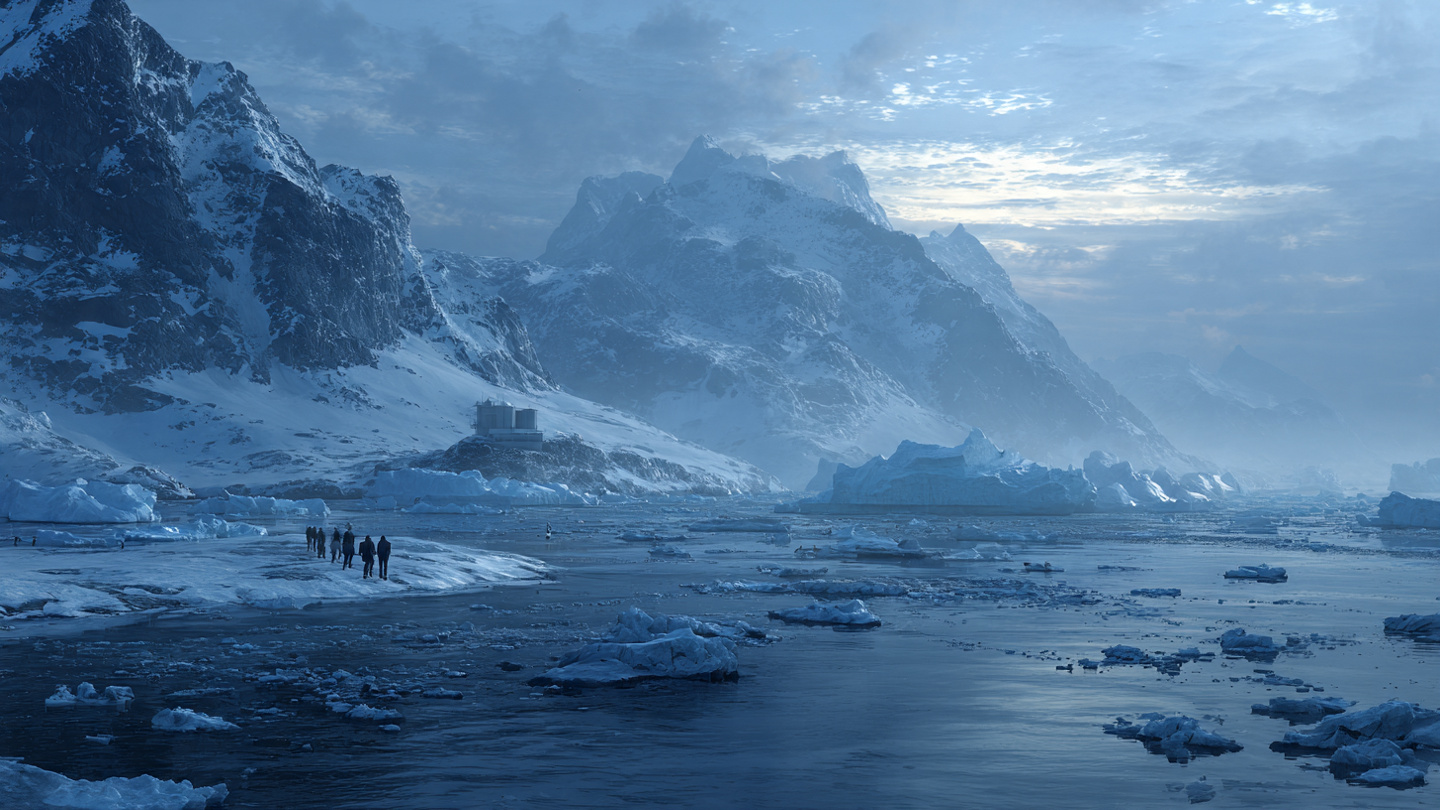
It is tempting to dismiss stories like this as niche diplomatic drama. That would be a mistake. Greenland's future touches energy security, military planning, environmental policy, rare earth supply chains, and the balance of power in the Arctic. If you care about global stability, resource competition, or the next phase of international rivalry, you should care about Greenland.
More broadly, this case offers a powerful lesson in how modern geopolitics works. Influence is no longer exercised only through formal declarations and visible confrontations. It is often advanced through networks, incentives, symbolic gestures, and strategic relationship-building. By the time the public sees the bigger picture, the groundwork may already be in place.
That is why I believe this story deserves sustained attention. It captures a world in which geography still matters deeply, but influence increasingly arrives dressed as opportunity.
Conclusion
Greenland is not just a remote territory at the top of the world. It is a strategic crossroads where Arctic geopolitics, resource competition, intelligence concerns, and great-power ambition now converge. The scrutiny surrounding Trump-linked outreach is significant not because it was necessarily hidden, but because it reflects a broader struggle over access, influence, and future control.
Denmark's concerns, Greenland's aspirations, and Washington's strategic interests are colliding in ways that will shape the region for years to come. What happens next will not be determined by one headline or one political circle alone. It will be shaped by persistent competition, careful diplomacy, and the choices Greenland makes about its own future.
If you want to stay ahead of the forces redefining the Arctic, watch Greenland closely. The island is no longer on the edge of world affairs. It is becoming one of the places where the future is negotiated in real time.
Call to action: Follow developments in Greenland, Denmark, and U.S. Arctic policy with a critical eye. The next major shift in global influence may not begin in a capital city. It may begin on the ice.


