For nearly two decades, Joseph Kabila stood at the center of power in the Democratic Republic of Congo, shaping the country's politics, security system, and fragile national balance. Today, the former president is no longer seen only as a powerful political survivor. He is at the heart of one of the most explosive legal and political battles in modern Congolese history.
The stakes could hardly be higher. Kabila, who led Congo for 18 years, now faces accusations tied to treason and a possible death penalty, while insisting the case against him is politically motivated. That clash between the state and a former head of state is bigger than one man's fate. It raises urgent questions about the rule of law, democratic accountability, political revenge, and whether Congo is moving toward stronger institutions or deeper instability.
To understand why this story matters, it helps to look beyond the courtroom language. This is not just about one legal charge. It is about how a country with immense mineral wealth, recurring armed conflict, and a long history of contested leadership is trying to define justice in real time. In my view, that is why the Joseph Kabila case has become such a powerful symbol. It is both intensely personal and profoundly national.
The Weight of Joseph Kabila's Legacy
Joseph Kabila rose to power in extraordinary circumstances. He took office after the assassination of his father, Laurent-Desire Kabila, and quickly became one of the most recognizable political figures in central Africa. Over 18 years in office, he projected himself as a stabilizing force in a country that had suffered war, foreign intervention, and deep internal fragmentation.
His supporters argued that he preserved national cohesion and prevented a complete collapse of the state. His critics saw something very different: a government associated with entrenched patronage networks, delayed reforms, weak institutions, and growing frustration among citizens who wanted more transparency, security, and economic opportunity.
That dual legacy is central to understanding why the current moment is so volatile. Kabila did not leave office as a retired figure detached from power. He remained a political actor with influence, loyalists, and symbolic weight. Even after stepping down, his name continued to matter in party calculations, regional alliances, and national debates about authority.
- Political legacy: Kabila shaped state institutions and elite networks for nearly two decades.
- Security legacy: His era overlapped with continued conflict in eastern Congo and repeated concerns over sovereignty.
- Democratic legacy: His extended hold on power fueled criticism over electoral delays and political legitimacy.
- Strategic legacy: He remained an influential figure even after leaving the presidency.
That is why any prosecution involving him immediately becomes more than a legal file. It becomes a referendum on the last two decades of Congolese political life.
Why the Treason Case Matters So Much
The phrase Congo treason case carries enormous political and emotional force. In almost any country, accusing a former president of treason is extraordinary. In a state as politically sensitive as the Democratic Republic of Congo, it sends shock waves across every layer of society, from military circles to business elites to ordinary citizens already exhausted by instability.
Treason is not viewed as a routine criminal allegation. It implies betrayal of the state itself. That makes the charge unusually powerful, but also unusually controversial. When a government brings such a case against a former national leader, people naturally ask whether the process is about justice, deterrence, score-settling, or all three at once.
The possibility of a death penalty raises the tension even further. Whether or not such a sentence is ultimately carried out, the mere prospect transforms the case into a defining national drama. It signals that the state considers the alleged offense not just serious, but existential.
For readers trying to make sense of this, a practical comparison helps. Imagine a country still dealing with armed violence, weak public trust, and intense elite rivalries suddenly placing a former president on the most severe legal path available. Even before a final outcome, the message is dramatic: no figure is beyond reach, but no prosecution will be free from political interpretation either.
What makes this case different
- It targets a former president, not a lower-level official or distant political actor.
- It uses one of the gravest charges in law, which magnifies domestic and international scrutiny.
- It unfolds in a fragile national context, where legal action can quickly become political conflict.
- It touches the future of state credibility, because both action and inaction carry risks.
Kabila's Defense: Bogus Charges or Political Retaliation?

Joseph Kabila has rejected the accusations against him and says the charges are bogus. That claim resonates with many people who have watched African politics closely over the years. Former rulers are often not judged in a political vacuum. Their legal battles are frequently shaped by rival coalitions, shifting alliances, and attempts to weaken old power centers.
That does not automatically make every case illegitimate. Some prosecutions are necessary, especially when democratic systems are trying to prove that powerful leaders can be held accountable. But it does mean that public trust depends heavily on transparency, evidence, due process, and judicial independence.
This is where the situation becomes especially delicate. If the government cannot persuade citizens and outside observers that the process is fair, the case may strengthen Kabila politically instead of ending his relevance. A former leader facing charges can sometimes reframe himself as a victim of persecution, especially when parts of the public already distrust the current political order.
In my view, this is one of the most important tests in the entire story. It is not enough for authorities to be forceful. They must also be convincing. In a country where suspicion toward political institutions runs deep, legitimacy is not created by accusation alone. It is built through procedure, evidence, and consistency.
The central credibility questions
- Was the investigation independent? Public confidence depends on whether the legal process appears insulated from political pressure.
- Is the evidence persuasive? Serious charges require serious proof, not broad political narratives.
- Are legal standards applied evenly? Selective justice can look like factional punishment.
- Will the process remain transparent? Closed or confusing procedures fuel doubt and conspiracy claims.
The Congo Context: Power, Conflict, and Fragile Institutions
No analysis of Joseph Kabila can be complete without understanding Congo itself. The Democratic Republic of Congo is one of the most resource-rich countries in the world, yet it has struggled for decades with insecurity, corruption concerns, regional violence, and institutional weakness. Eastern Congo remains a flashpoint, with armed groups, regional tensions, and civilian suffering regularly shaping national politics.
In such an environment, politics is never only about elections or courtrooms. It is also about control over security structures, loyalty networks, economic flows, and the public narrative of who defends the nation. That is why the current legal case is inseparable from broader debates about state survival and national legitimacy.
When institutions are strong, even dramatic prosecutions can unfold within relatively stable democratic boundaries. When institutions are fragile, high-profile cases can trigger fear, speculation, and polarization. Different constituencies begin to read the same event in completely different ways.
- Some see the case as a necessary act of accountability.
- Others see it as a dangerous political purge.
- Some interpret it through the lens of security and sovereignty.
- Others view it as part of a longer struggle over elite succession and control.
That divergence matters because the public meaning of the case may prove as important as the legal result itself.
What This Means for Congolese Democracy
The case against Kabila is unfolding at a moment when many African democracies are under intense pressure. Across the continent, voters are demanding more than elections alone. They want institutions that function, courts that are respected, and leaders who can be challenged without pushing the state into crisis.
If handled fairly, the prosecution of a former president could mark a turning point for accountability in Congo. It could show that office does not grant permanent immunity, and that even the most powerful political figures can face legal scrutiny. That would be a significant message in a country where power has often seemed concentrated and protected.
But the reverse is also true. If the process appears selective, opaque, or vindictive, it could damage trust in the judiciary and reinforce the belief that law is simply another weapon in political competition. For a democracy still trying to mature, that would be costly.
There is also a practical issue that often gets overlooked. Investors, diplomats, regional partners, and humanitarian actors all watch these moments carefully. Political uncertainty affects not only headlines but also economic confidence, security cooperation, and the state's ability to present itself as reliable.
The democratic crossroads
- Best-case outcome: the case strengthens institutions, reinforces legal norms, and improves public faith in accountability.
- Worst-case outcome: it deepens polarization, weakens judicial credibility, and creates new political instability.
- Most likely challenge: Congo must prove that justice is not being used as a substitute for political settlement.
International Attention and Regional Implications
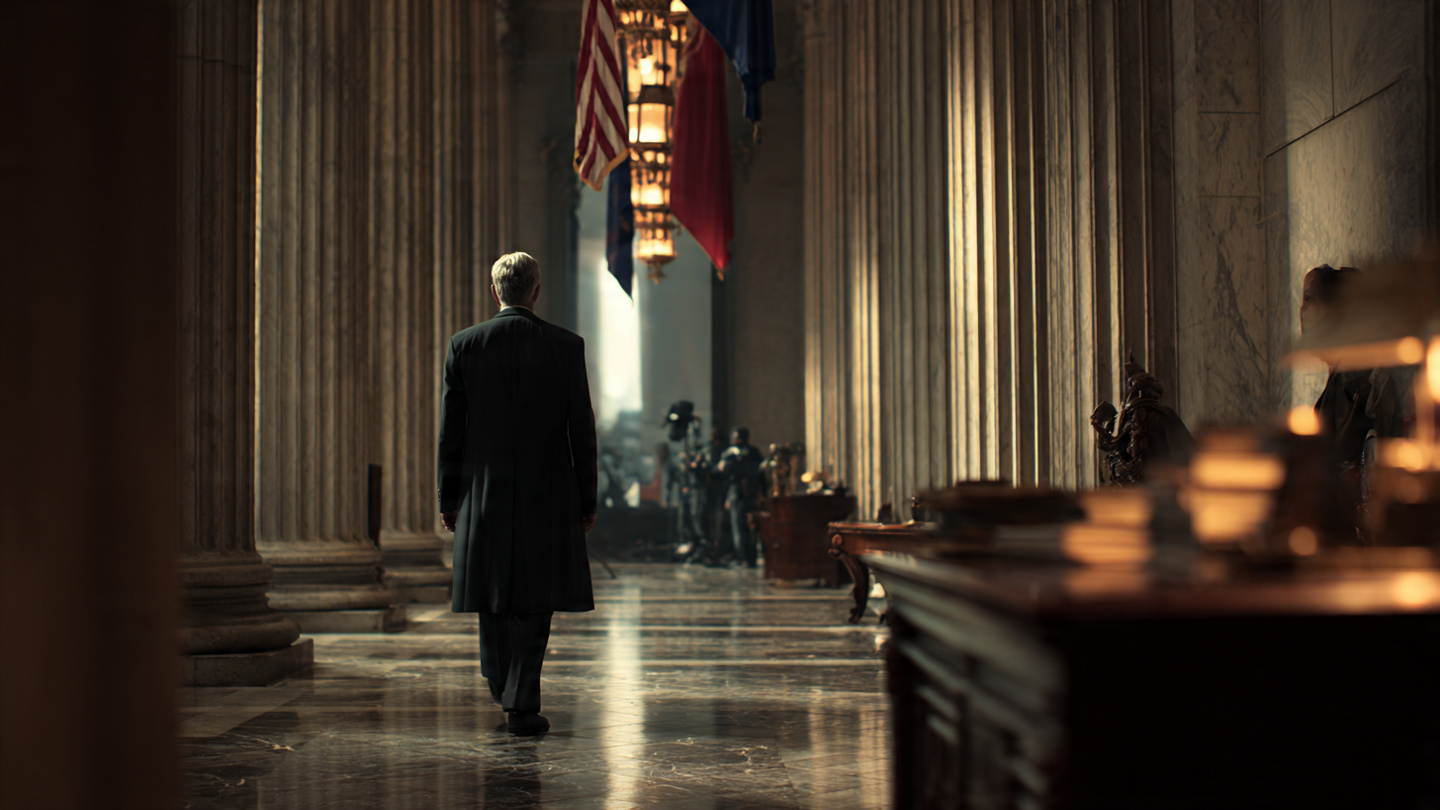
The Democratic Republic of Congo does not operate in isolation. Its domestic politics have regional consequences, especially because instability in Congo can spill across borders through refugee flows, security tensions, and economic disruption. A dramatic case involving Joseph Kabila naturally attracts international attention, not just because of his status, but because Congo's stability matters far beyond Kinshasa.
Foreign governments and international observers are likely to focus on several questions: whether due process is respected, whether the charges are backed by credible evidence, and whether the legal system is acting independently. Human rights groups may also scrutinize the implications of any death penalty-related proceedings, given global debates over capital punishment.
From a strategic standpoint, this matters because Congo is central to conversations about critical minerals, regional security, and governance in Africa. The country's politics shape international calculations in ways that are often underestimated. A former president facing treason charges is therefore not just a national story. It is a geopolitical one.
The Human Dimension Behind the Headlines
High-level political stories can sound abstract, but they are deeply human in their consequences. For ordinary Congolese citizens, the key concern is not only whether Joseph Kabila wins or loses. It is whether this moment brings the country closer to stability, fairness, and a political system that serves the public rather than permanent elite rivalry.
That perspective matters. Families affected by insecurity in the east, young people struggling to find opportunity, and communities frustrated by corruption are not watching this case as a legal spectacle alone. They are measuring whether it changes anything real.
I think that is where the story becomes most powerful. The trial of a former president may dominate headlines, but the deeper issue is whether Congo can convert political drama into institutional progress. If it cannot, then even the biggest courtroom battle may leave everyday life untouched.
People want answers to simple questions:
- Will this make the country safer?
- Will it strengthen the rule of law?
- Will it reduce impunity?
- Will it calm political tensions rather than inflame them?
Those questions are more important than any single speech or legal filing.
What to Watch Next
The next phase of this story will likely be defined by evidence, procedure, and political reaction. The legal process itself matters, but so does the environment around it. Public statements from government officials, responses from Kabila's allies, and the tone of the judiciary will all shape how the case is understood inside and outside Congo.
Readers should pay particular attention to a few signals. First, does the case move forward with clarity and openness, or through confusion and contradictory messaging? Second, do state institutions speak in legal terms or partisan ones? Third, does the broader political temperature cool down or heat up as the process advances?
These details may sound technical, but they often determine whether a country emerges from a high-stakes prosecution stronger or more divided.
Key developments to monitor
- Court procedure: transparency, access, and legal consistency.
- Evidence presented: whether allegations are specific, testable, and credible.
- Political fallout: reactions from major parties, security actors, and civil society.
- International response: pressure, concern, or support from foreign governments and rights groups.
- Public sentiment: whether citizens view the case as justice or political theater.
Conclusion: A Trial Bigger Than One Man
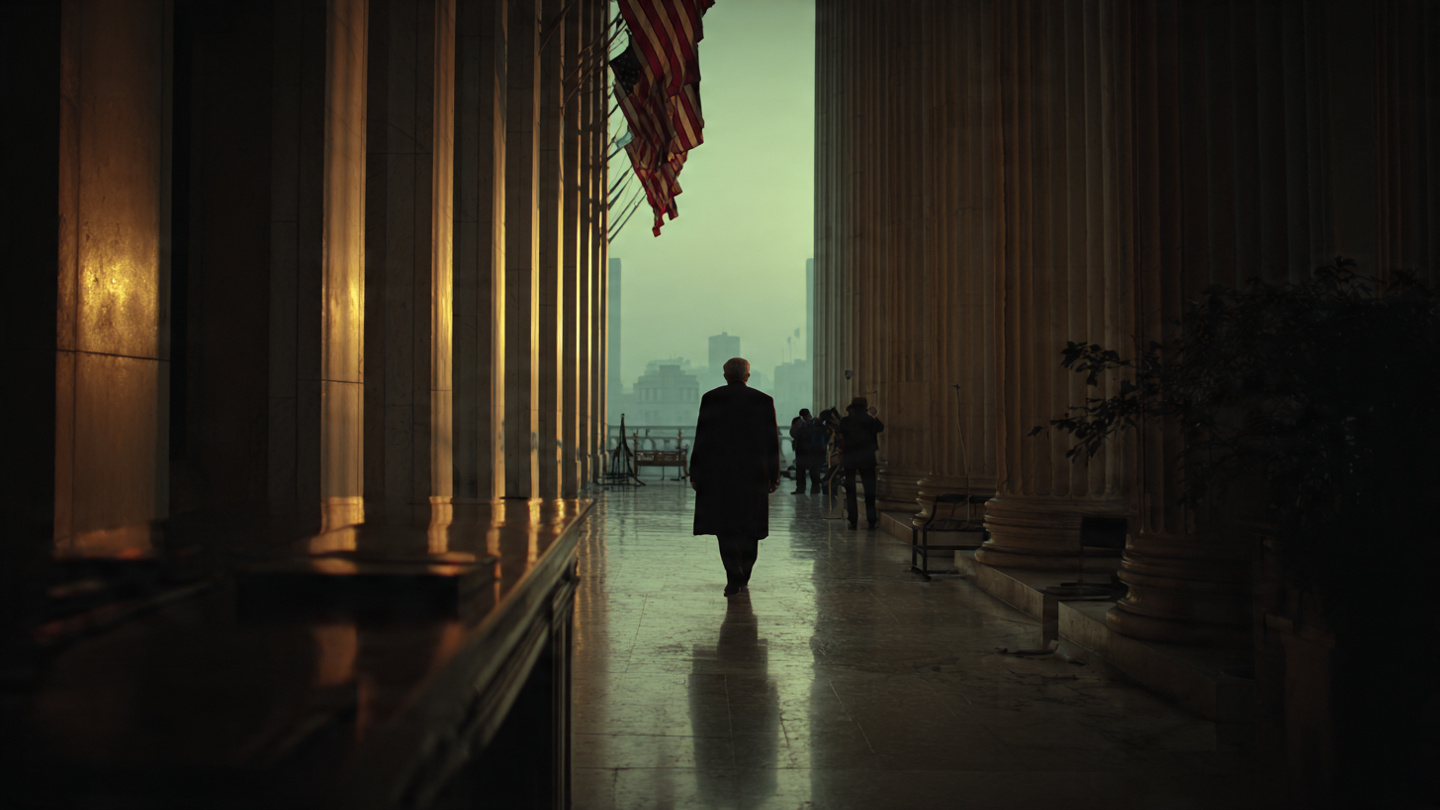
Joseph Kabila's legal peril marks one of the most consequential political moments in recent Congolese history. A former president accused of treason and facing the harshest possible penalty is not just a dramatic headline. It is a test of what modern Congo wants to become.
Can the country prove that even the powerful are accountable under law? Can it do so without turning justice into a weapon of political elimination? Can it strengthen institutions instead of simply escalating elite conflict?
Those are the questions that will define the meaning of this case far more than rhetoric from either side. Joseph Kabila may be the central figure, but the deeper story is about Congo's democracy, judicial credibility, and the future balance between power and justice.
For anyone who cares about African politics, democratic accountability, or the fragile relationship between law and power, this is a case worth following closely. Watch the evidence. Watch the institutions. And most of all, watch whether this moment delivers real justice or merely another chapter in a long struggle for control.
Stay engaged, keep questioning the narrative, and follow the next developments carefully because what happens in this case could shape Congo's political future for years to come.


