The image is hard to shake: a Kuwaiti tanker full of oil, damaged and burning off Dubai, with the possibility of fuel leaking into surrounding waters as political rhetoric in the region grows sharper by the hour. In moments like this, the distance between diplomacy and disruption feels dangerously small. One strike at sea can rattle insurers, unsettle energy traders, alarm nearby coastal communities, and remind the world just how fragile stability is in the Gulf.
What makes this development so significant is not only the damage to one vessel. It is the timing. The incident came a day after former U.S. President Donald Trump warned Iran that without a deal, he would order attacks on infrastructure targets. That sequence immediately amplified concerns about escalation, retaliation, and the vulnerability of commercial shipping in one of the most important energy corridors on earth.
From my perspective, this is the kind of event that deserves more than a headline-level reaction. It sits at the intersection of geopolitics, economics, maritime security, and environmental risk. For readers trying to understand why a single tanker attack matters, the answer is simple: when tensions rise in the Gulf, the consequences rarely stay local for long.
Why the Tanker Incident Off Dubai Matters
The reported strike on the Kuwaiti vessel has triggered several layers of concern at once. There is the immediate safety issue for the crew and ship. There is the environmental threat of an oil spill in nearby waters. And there is the strategic question that always follows incidents like this: was it an isolated attack, a warning shot, or part of a broader pattern tied to regional confrontation?
Dubai sits near critical shipping routes that help move energy supplies from the Gulf to global markets. Any disruption in this area quickly attracts international attention because it affects far more than local trade. Tankers, ports, shipping insurers, refineries, and commodity markets all respond to even the hint of sustained instability.
- Safety risk: Fire and structural damage put crew members, rescue teams, and nearby vessels in danger.
- Environmental risk: Even a limited leak can threaten marine ecosystems, fisheries, and coastlines.
- Economic risk: Oil prices, freight costs, and insurance premiums can rise sharply after maritime attacks.
- Strategic risk: Incidents near major Gulf routes can escalate regional tensions and reshape military postures.
For ordinary readers, the practical example is easy to understand. If insurers decide the route is more dangerous, shipping costs rise. If shipping costs rise, fuel prices can become more volatile. If markets fear wider conflict, businesses and consumers far from the Gulf may still feel the impact through energy bills and inflationary pressure.
The Geopolitical Context Behind the Strike
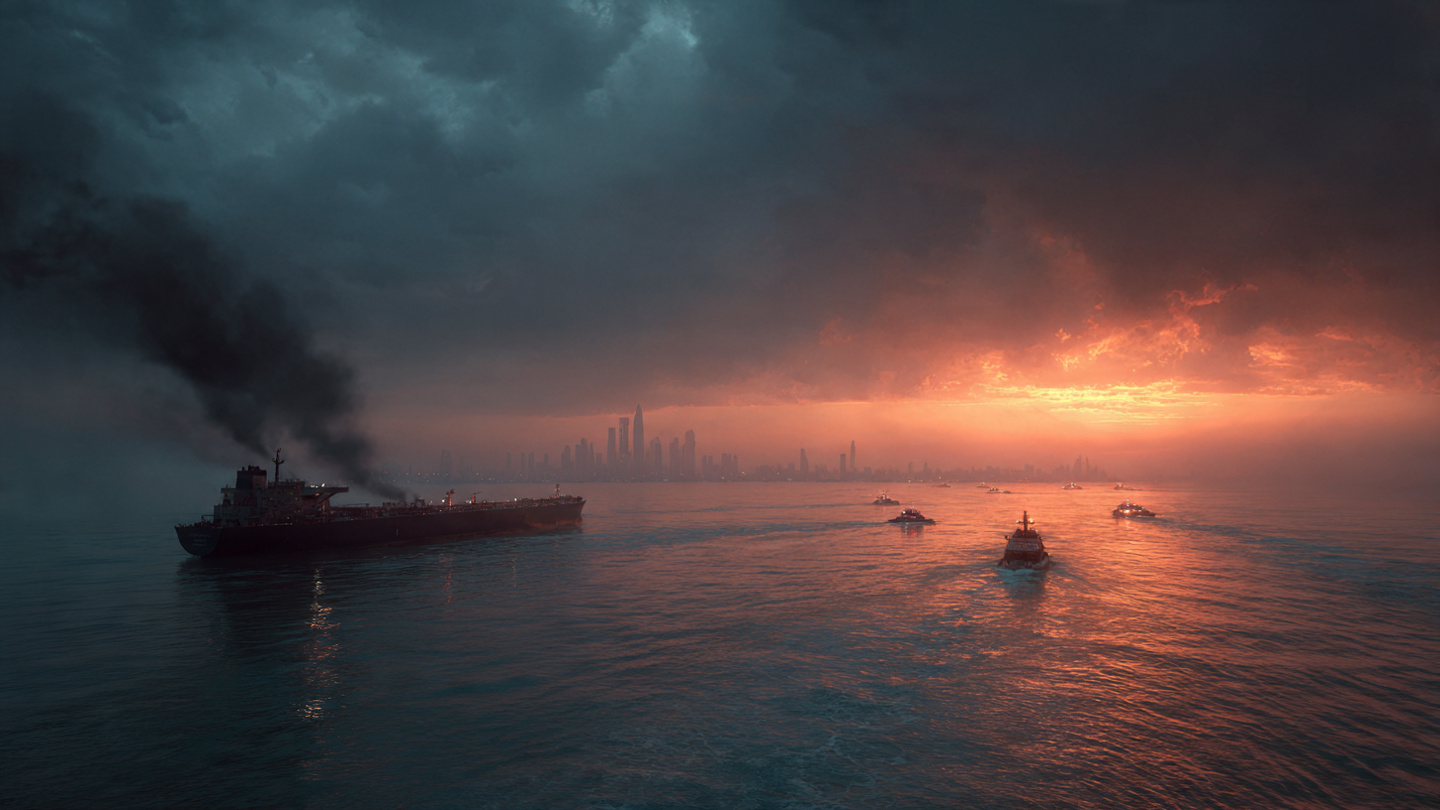
The phrase Iran war live updates captures the atmosphere surrounding this story: fast-moving, emotionally charged, and shaped by high-stakes messaging from governments and political leaders. Trump’s warning about striking infrastructure targets added a new layer of tension because infrastructure is not an abstract military term in this region. It can mean ports, oil facilities, pipelines, energy terminals, and transport hubs that are central to both national security and global commerce.
Whether or not this tanker strike was directly connected to those threats, the broader political environment matters. In the Gulf, perception can be nearly as powerful as proof. Markets react to risk before investigations are complete. Security forces redeploy before attribution is settled. Diplomatic statements harden long before all the facts are publicly known.
That is why analysts will focus on three parallel questions:
- Who had the capability and motive to target a tanker off Dubai?
- Was the attack intended to send a message to the United States, Gulf states, or energy markets?
- Could this be the opening sign of a more sustained campaign against maritime traffic?
History shows that tanker incidents in the Gulf are rarely viewed in isolation. They are interpreted through the larger contest over deterrence, influence, sanctions, and military credibility. Every ship struck in these waters becomes part of a wider argument about power and pressure.
Why Shipping Lanes in the Gulf Are So Sensitive
The waters around the United Arab Emirates connect to one of the busiest and most strategically important energy corridors in the world. A substantial portion of global oil exports passes through the wider Gulf region, making maritime security there a permanent international concern. Traders monitor it. Navies patrol it. Energy companies plan around it. And adversaries understand its value.
Even a relatively small disruption can produce outsized consequences because tanker traffic depends on predictability. If vessel operators fear attack, they may reroute, delay sailings, or demand higher security support. That creates a chain reaction in scheduling, insurance, fuel contracts, and commodity pricing.
Readers who follow business or world affairs will recognize this pattern: the closer an incident gets to key shipping lanes, the faster it becomes a global story.
Oil Spill Fears Add a Second Crisis
The owner’s warning about a potential spill is not a footnote. It is a second emergency layered on top of the security crisis. Fire and hull damage can turn a military or political incident into an environmental one within hours. Warm Gulf waters, coastal habitats, and commercial fishing zones can all be affected if crude escapes into the sea.
Oil spill risk matters for more reasons than visual damage. Spills can poison marine life, disrupt tourism, harm desalination systems, and create expensive, long-running cleanup operations. In a region where coastal infrastructure is essential to daily life, the knock-on effects can be severe.
This is one reason tanker attacks are uniquely alarming. A strike on a ship full of crude is not only a geopolitical signal; it is a potential ecological event. The damage can spread well beyond the vessel itself.
What Authorities and Shipping Firms Usually Do Next
After a tanker incident, the response typically moves on several tracks at once. Maritime authorities focus on crew safety, fire suppression, and navigational warnings. Environmental teams assess leakage risk and containment options. Governments review intelligence and surveillance data. Shipowners and insurers begin calculating exposure and operational changes.
- Emergency response: secure the crew, contain the fire, and stabilize the vessel.
- Environmental review: inspect for leaks, monitor water conditions, and prepare cleanup assets.
- Security review: analyze radar, satellite, and patrol data to understand what happened.
- Commercial review: reassess routes, insurance rates, and chartering decisions.
If the threat is judged to be ongoing, additional naval escorts or regional patrol coordination may follow. That alone can signal to markets that the incident is being treated as more than an accident.
Trump’s Threats to Iran and the Escalation Risk
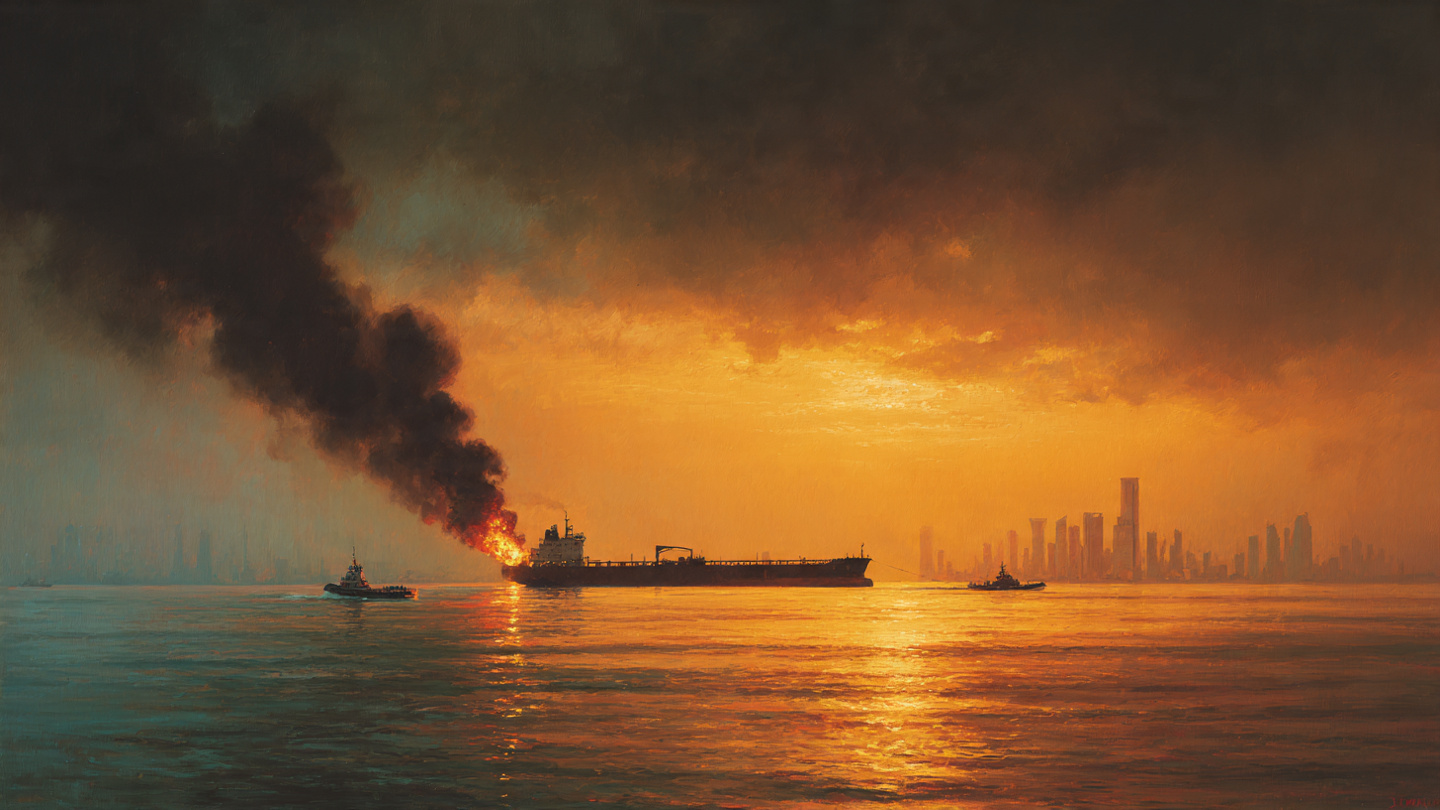
The line between pressure and provocation is always thin in a high-tension environment. Trump’s warning that infrastructure could be targeted if there were no deal instantly sharpened the sense of brinkmanship. Statements like that are designed to project resolve, but they also raise the stakes for everyone watching: Iran, Gulf allies, shipping companies, and financial markets.
The problem with threats tied to infrastructure is that they bring civilian and commercial systems into the center of the geopolitical conversation. Once infrastructure becomes part of the language of deterrence, energy networks, ports, tankers, and coastal facilities all appear more exposed.
In practical terms, that changes behavior fast. Energy traders become more cautious. Governments raise alert levels. Corporate risk managers review contingency plans. Media coverage intensifies. The public starts asking a deeper question: are we looking at a one-off crisis, or the beginning of a wider confrontation?
My own view is that the greatest danger in situations like this is miscalculation. Not every attack, warning, or deployment is intended to trigger war. But in a region already saturated with suspicion, signals can be misread. One event prompts a show of force. That show of force invites a response. Soon, decisions are being made under pressure, with incomplete information and very little political room to step back.
How Oil Markets and Global Trade Could React
Whenever there is a tanker struck off Dubai headline, energy markets pay close attention. Oil prices do not move only on lost supply; they move on expected risk. If traders believe more vessels could be targeted, they start pricing in uncertainty. That can push crude benchmarks higher even before any major disruption occurs.
The impact is not limited to oil futures. Shipping rates can climb. Insurance premiums can spike. Importing countries may consider strategic stockpiles. Airlines, logistics firms, and heavy industry all watch these events because fuel costs ripple across the wider economy.
Consider a simple example. A manufacturer in Europe or Asia may not buy oil directly from the Gulf, but it still depends on transport networks and energy inputs shaped by global pricing. If instability in the Gulf lifts costs, those increases can filter through supply chains surprisingly fast.
Key Market Signals to Watch
- Crude price movement: sudden jumps may reflect fears of broader regional disruption.
- Marine insurance rates: higher war-risk premiums often indicate rising concern among underwriters.
- Shipping advisories: route warnings and security alerts can reveal how seriously the threat is being treated.
- Official statements: wording from Gulf states, Washington, and Tehran may hint at whether escalation or de-escalation is more likely.
Readers looking for the bigger picture should watch not only the investigation into this vessel, but also how quickly maritime operators adapt. Market behavior often tells its own story about perceived danger.
What This Means for the Gulf Region
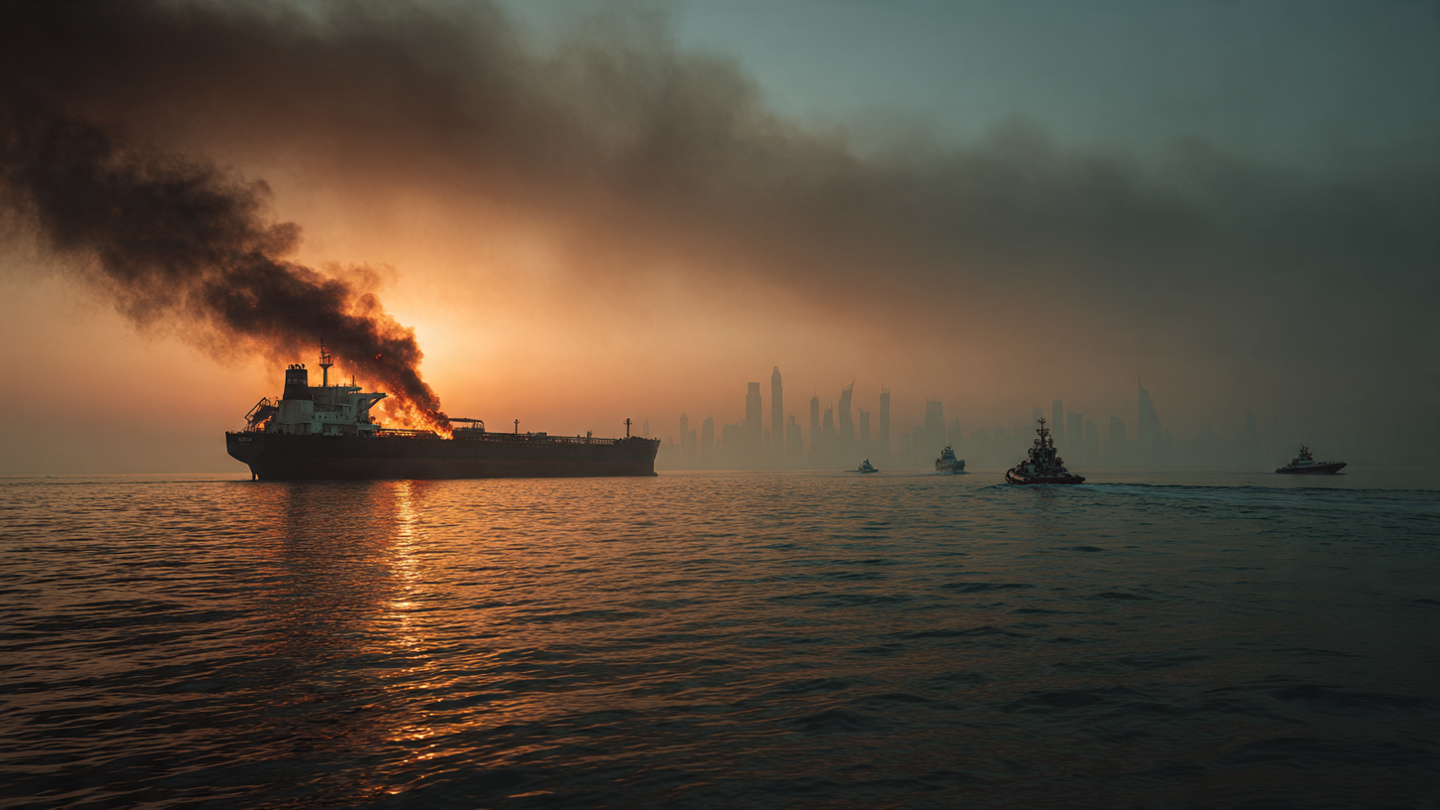
For Gulf states, the stakes are immediate and multidimensional. Security is one concern, but so is credibility. Regional governments must reassure investors, shipping operators, and trading partners that routes remain manageable and infrastructure remains protected. A failure to do so can create economic costs even without a prolonged military crisis.
There is also a diplomatic dimension. Allies may seek greater coordination, intelligence sharing, and public messaging to prevent panic. At the same time, every statement is weighed for whether it calms the situation or sharpens it. That balancing act is difficult when a visible incident at sea has already captured global attention.
The UAE, Kuwait, Saudi Arabia, Iran, and the United States all have overlapping interests and conflicting priorities in this space. That is why even seemingly narrow maritime incidents can quickly become tests of regional order.
Why Readers Should Pay Attention Beyond the Breaking News
It is easy to treat stories like this as another episode in a long cycle of Middle East tension. But that would miss the point. A damaged tanker off Dubai is not just another headline for diplomats and defense analysts. It is a reminder of how interconnected the world remains. Energy security, maritime law, environmental protection, and global commerce all converge in one dramatic event.
There is also a human dimension that deserves equal attention. Seafarers operating in tense waters are often asked to carry the burden of geopolitical risk without controlling any of the decisions that create it. Coastal communities may face pollution hazards despite playing no role in regional power struggles. And consumers around the world can feel the cost through higher prices and market instability.
That is why the best coverage of Iran war live updates should do more than relay threats and responses. It should explain what is at stake, who is vulnerable, and how a single maritime attack can ripple through economics, diplomacy, and daily life.
Conclusion: A Flashpoint With Global Consequences
The strike on a Kuwaiti oil tanker off Dubai has become a defining test of regional nerves. It combines all the elements that make the Gulf such a critical flashpoint: strategic shipping lanes, combustible political rhetoric, environmental danger, and the constant possibility that one incident could trigger a wider chain reaction. With Trump threats to Iran fresh in the background, the timing has made the event impossible to separate from the wider struggle over power and deterrence.
What happens next will matter enormously. A transparent investigation, rapid spill prevention, and disciplined diplomacy could help contain the damage. But if attribution becomes politicized, military signaling intensifies, or additional vessels are threatened, the consequences could reach far beyond the Gulf.
For now, the smartest approach is vigilance rather than panic. Watch the official findings. Track maritime security advisories. Pay attention to oil prices and regional messaging. Most of all, recognize that a tanker fire at sea is never just about one ship. It is often an early warning of stress in a system the entire world depends on.
Call to action: Stay informed, follow verified developments closely, and keep an eye on how Gulf shipping security, oil spill risk, and regional diplomacy evolve in the days ahead. In a crisis shaped by speed and uncertainty, informed attention is not passive. It is essential.


