The deaths of two more U.N. peacekeepers in southern Lebanon have sharpened global attention on a conflict zone that is growing more dangerous by the day. For many observers, this is not just another wartime headline. It is a sobering reminder that when even internationally recognized peacekeeping forces are no longer safe, the surrounding crisis has entered a more alarming phase. These losses carry diplomatic, military, and humanitarian consequences far beyond the immediate battlefield.
Southern Lebanon has long stood at the center of regional tension, but the latest killings have intensified concern over whether the area is sliding toward a wider and more destabilizing confrontation. The deaths came shortly after strong public condemnation from U.N. leadership over the killing of another peacekeeper, reinforcing the sense that attacks affecting international personnel are becoming part of a troubling pattern rather than isolated incidents.
From a human perspective, moments like this land hard. A peacekeeper is not deployed to dominate territory or pursue conquest; that person is sent to help contain violence, monitor fragile boundaries, and protect civilians wherever possible. When peacekeepers are killed, it signals that restraint is collapsing. It also raises a painful question: if trained international monitors cannot operate safely, what chance do ordinary families have?
What Happened in Southern Lebanon
The reported deaths of two additional U.N. personnel have added urgency to an already volatile situation in southern Lebanon. The region has experienced sustained military pressure, cross-border hostility, and heightened fear among local communities. In this environment, every new casualty alters the political temperature.
While investigations into specific circumstances are essential, the broader reality is already clear. U.N. peacekeeping operations depend on a minimum level of respect from armed actors, even amid conflict. Once that respect breaks down, the risk profile changes dramatically. Missions designed to observe, de-escalate, and stabilize can suddenly become exposed targets in an environment where lines of accountability blur.
These deaths also matter because they occurred after public warnings and condemnation. That sequence gives the event greater diplomatic weight. It suggests that appeals for caution may be failing, and that the protections normally afforded to international personnel are under strain.
- Immediate concern: the security of U.N. personnel deployed across active conflict areas.
- Regional concern: the possibility of wider escalation along the Lebanon-Israel frontier.
- Humanitarian concern: rising risk to civilians already living under stress, displacement, and uncertainty.
- Diplomatic concern: pressure on all sides to explain actions and avoid further international fallout.
Why the Deaths of U.N. Peacekeepers Matter So Much
Not all wartime casualties carry the same strategic meaning. The death of a peacekeeper is significant because peacekeepers occupy a special role under international expectations. They are symbols of collective responsibility, meant to reduce friction, observe military activity, and help preserve space for diplomacy. When they are harmed, it can shake confidence in the international system itself.
There is also a practical dimension. Peacekeeping missions often support communication channels that are invisible to the public but vital on the ground. They can help clarify incidents, report movements, and lower the odds of accidental escalation. If such missions are forced to reduce operations or relocate personnel due to danger, the region loses one of its few stabilizing mechanisms.
In personal terms, I think this is what makes the moment especially unsettling. News cycles often move quickly, but the role of peacekeepers deserves deeper attention. These are people working in the narrow space between war and diplomacy. Their presence can be imperfect, and missions can face criticism, but their loss usually means one thing: the space for calm is shrinking.
The Symbolic Impact
When peacekeepers die, governments and international institutions face pressure to respond. The symbolism is powerful because the attack or incident is not interpreted only as a battlefield event; it is viewed as a challenge to international norms. This can intensify condemnation, calls for inquiry, and renewed debate over military conduct.
The Operational Impact
Peacekeeping missions rely on mobility, access, and trust. If patrols become too dangerous, monitoring becomes weaker. If monitoring becomes weaker, misinformation grows. And when misinformation grows during military tension, escalation can happen faster than diplomacy can keep up.
Southern Lebanon’s Volatile Security Landscape
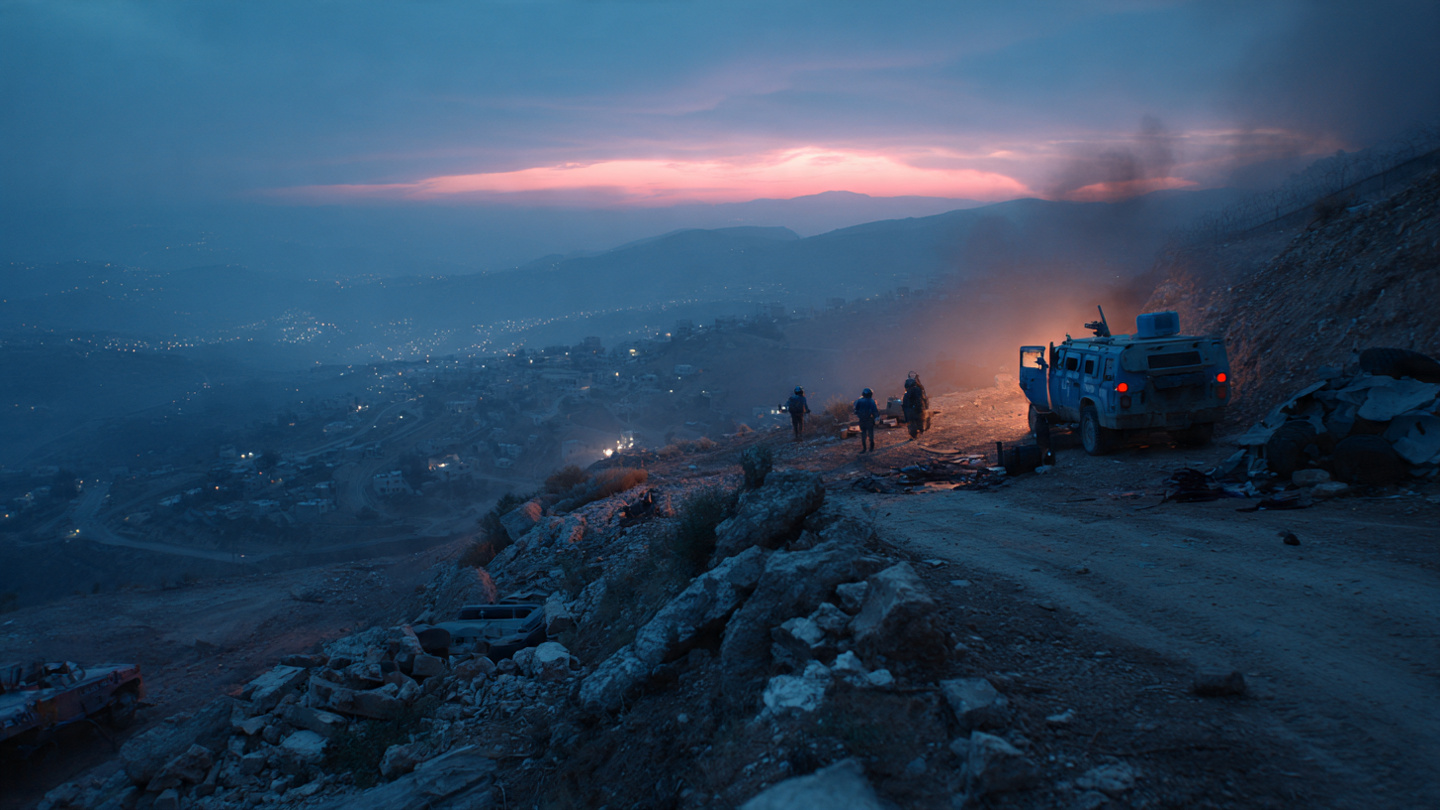
To understand the gravity of the moment, it helps to understand why southern Lebanon conflict carries such high stakes. The area sits near one of the most sensitive fault lines in the Middle East. It is shaped by long-running hostility, historical trauma, armed presence, and recurring fears that local clashes could trigger a broader regional war.
The border environment is tense even in quieter periods. In more dangerous moments, that tension becomes combustible. Exchanges of fire, military mobilization, and retaliatory actions can rapidly transform isolated incidents into a wider confrontation. Civilians, aid workers, local authorities, and international observers all become caught inside a rapidly tightening security environment.
Practical examples show why this matters. Imagine a village near a contested area where families are already sheltering indoors, schools are disrupted, and roads are unsafe. Add military activity, communication blackouts, and the threat of artillery or airstrikes. Now remove the confidence that peacekeepers can move safely and document what is happening. The result is greater fear, less transparency, and more room for unchecked violence.
- Fragile border dynamics make every incident potentially significant.
- Dense civilian presence increases the humanitarian toll of military action.
- Limited trust between actors makes de-escalation more difficult.
- International scrutiny rises sharply when U.N. personnel are affected.
The Role of the United Nations in Lebanon
The U.N. presence in Lebanon has long been tied to monitoring and stabilization efforts, particularly in the south. These missions are not designed to wage war or impose peace by force in the way many people imagine. Their role is more restrained and more delicate: report facts, support calm, encourage compliance, and serve as a visible international buffer in an unstable environment.
That role becomes harder when security conditions collapse. Peacekeepers need cooperation from armed actors, political backing from governments, and logistical freedom to move between positions. If any of those elements weaken, the mission’s effectiveness drops. If multiple elements weaken at once, peacekeepers become increasingly vulnerable.
This is one reason the recent deaths are so consequential. They raise urgent questions about whether current operating conditions remain viable and whether stronger guarantees are needed to protect international personnel.
What Peacekeepers Actually Do
Many readers hear the term “peacekeeper” but do not always know what daily work looks like. In practice, these missions often involve:
- Monitoring ceasefire lines and reporting violations.
- Maintaining visible patrols to discourage escalation.
- Supporting liaison efforts between opposing sides.
- Documenting incidents that might otherwise be disputed.
- Helping preserve some level of stability for civilian communities.
That work may sound procedural, but it can be lifesaving. Even one verified report or one calm exchange between armed sides can prevent wider conflict.
Humanitarian Risks Beyond the Headlines
The international focus may be on the peacekeepers, but local civilians are living through the same insecurity with far fewer protections. Whenever violence rises in southern Lebanon, residents face disrupted livelihoods, displacement, damaged infrastructure, and mounting psychological stress. The deaths of peacekeepers often indicate that these risks are escalating for everyone nearby.
Children may lose access to school. Farmers may be unable to reach fields. Medical access can become delayed or dangerous. Families may choose between staying in exposed homes or moving into uncertain temporary shelter. These realities rarely fit neatly into short headlines, yet they define the human cost of conflict.
In my view, this is where responsible coverage matters most. It is important to track military and diplomatic developments, but it is equally important to remember that conflict zones are lived spaces, not abstract maps. Every escalation changes daily life for ordinary people who have little control over the forces around them.
Why Civilian Safety Is Central
When peacekeeping conditions worsen, civilian safety often worsens too. Reduced monitoring can limit independent reporting. Fear can discourage movement. Essential services may become harder to maintain. The danger is not only immediate violence; it is also the slow erosion of normal life.
Diplomatic Fallout and International Response
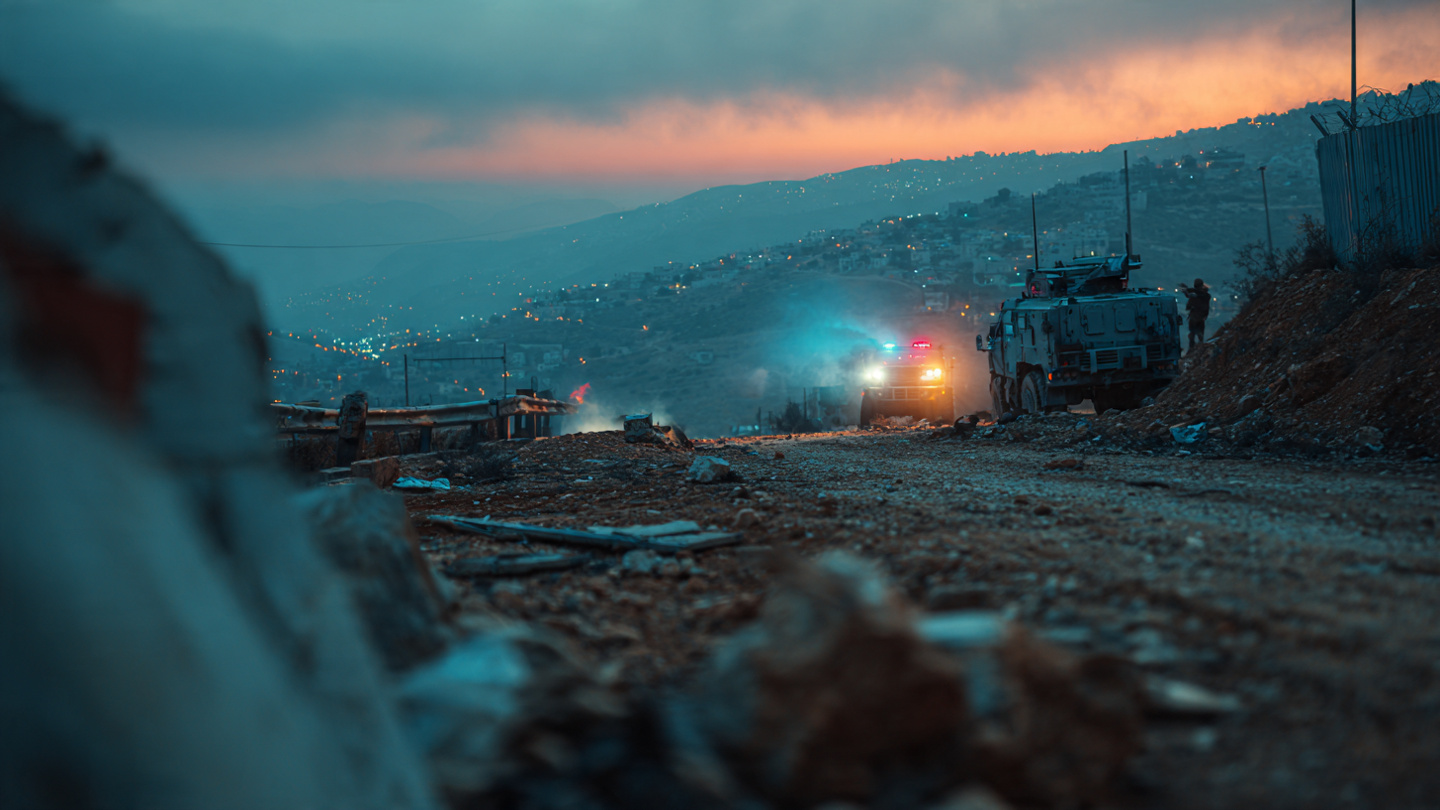
The killing of U.N. personnel typically prompts strong diplomatic reaction because it touches on international legitimacy, rules of engagement, and the obligations of parties operating in conflict zones. Statements of condemnation are important, but they are only the first step. The world will now look for more concrete measures: investigations, accountability, and renewed pressure for restraint.
Governments with influence in the region may intensify private and public messaging. U.N. officials may reassess operational procedures. Humanitarian organizations may revise their security posture. Meanwhile, political leaders face growing pressure to show that the crisis can still be managed through diplomacy rather than expanded warfare.
There is also a credibility issue at stake. If repeated incidents occur without meaningful consequences or preventive change, international warnings can begin to sound hollow. That is dangerous not just for Lebanon, but for conflict management elsewhere. The precedent matters.
- Likely next steps: calls for investigation and transparent fact-finding.
- Diplomatic pressure: renewed demands to protect U.N. staff and civilians.
- Operational review: reassessment of peacekeeper positioning and security measures.
- Strategic concern: preventing a localized crisis from becoming a regional war.
What This Means for Regional Stability
The broader concern is whether the deaths of peacekeepers are a warning sign of deeper deterioration. In volatile regions, symbolic incidents can accelerate political hardening. They can trigger sharper rhetoric, more forceful postures, and less room for compromise. Even when leaders do not want full-scale war, crisis dynamics can push events in that direction.
Southern Lebanon is particularly sensitive because miscalculation is always a risk. One strike, one mistaken interpretation, or one retaliatory move can quickly widen the crisis. In that context, the erosion of peacekeeping safety is not a side story. It is part of the main story.
For global audiences, the lesson is straightforward: peace is rarely lost all at once. It erodes through repeated warnings, normalized danger, and the gradual breakdown of restraint. The deaths of peacekeepers fit that pattern in a deeply troubling way.
What Should Happen Next
There are several urgent priorities that deserve attention now. First, the circumstances of the killings must be established clearly and credibly. Without transparent facts, competing narratives will fill the gap. Second, all parties must take immediate steps to reinforce the protection of U.N. peacekeepers and civilian populations. Third, diplomatic channels need to be strengthened before further incidents make de-escalation even harder.
This is also a moment for the international community to resist passive concern. Attention should not fade after a brief cycle of outrage. Sustained scrutiny matters. So do practical measures that improve safety, communication, and accountability.
Readers can play a role too by staying informed through reliable reporting, supporting humanitarian awareness, and refusing to treat the deaths of peacekeepers as routine. They are not routine. They are warnings.
Conclusion
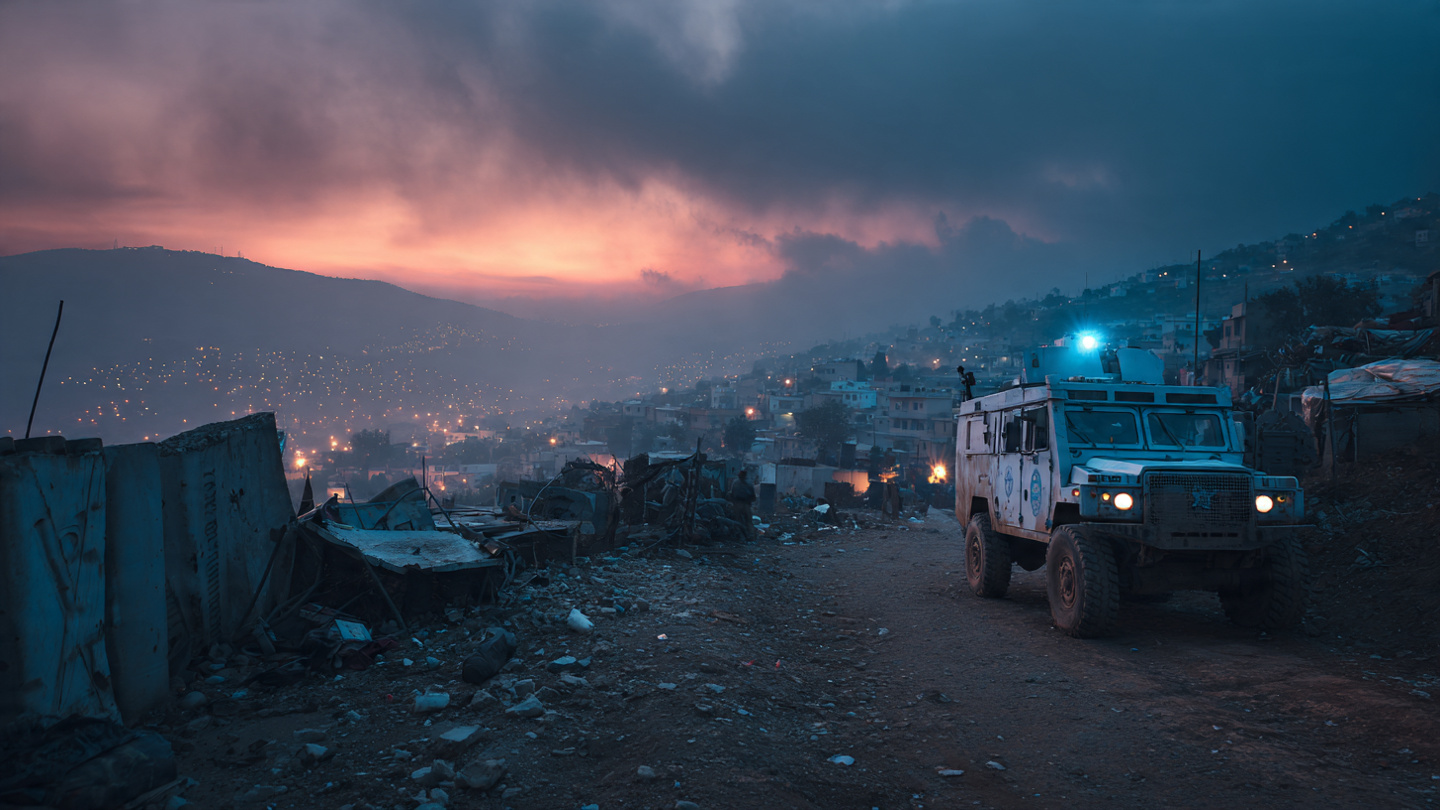
The killing of two more U.N. peacekeepers in southern Lebanon is more than a tragic loss of life. It is a stark indicator that the conflict environment is worsening, that international safeguards are under pressure, and that civilian danger is rising alongside military tension. These deaths should focus attention not only on who is responsible, but on what kind of regional future is being allowed to take shape.
At moments like this, the world cannot afford indifference. Peacekeeping only works when all sides understand that some lines must not be crossed. When those lines begin to blur, diplomacy becomes both more difficult and more necessary. The path forward depends on facts, accountability, and urgent restraint.
Call to action: Follow developments closely, support credible reporting on the crisis, and keep attention on the protection of civilians and peacekeepers alike. Public focus matters, and in fragile conflicts, sustained attention can help create pressure for responsibility before the next loss arrives.


