Grief can descend on a city in an instant, but the shockwaves of violence last far longer. The Palm Sunday attack in Nigeria that left at least 12 people dead has shaken Jos, a city already familiar with tension, loss, and the fragile work of rebuilding trust. What should have been a sacred day of reflection and worship instead became another painful reminder of how insecurity can invade even the most personal and spiritual moments of life.
For many observers, this tragedy is not only about the number of lives lost. It is about the broader meaning of violence in a place where faith, identity, and public safety are tightly intertwined. It is about families waiting for answers, a community struggling to process fear, and a nation still searching for durable solutions to recurring bloodshed. From my perspective, one of the hardest realities in moments like this is how quickly headlines move on while local communities remain trapped in the aftermath.
As authorities investigate the killings and residents demand accountability, the attack raises urgent questions about Nigeria security challenges, the protection of civilians, and the social impact of targeted violence during a major Christian observance. Understanding what happened in Jos requires looking beyond a single incident and examining the deeper pressures shaping life in Plateau State and beyond.
What Happened in Jos on Palm Sunday?
The attack took place in Jos, the capital of Plateau State, a region that has long occupied a sensitive place in conversations about conflict in central Nigeria. Early reports indicated that gunmen carried out the killings in a mostly Christian area of the city during Palm Sunday, a major date on the Christian calendar that marks the beginning of Holy Week. At least 12 people were reported dead, and the emotional toll quickly spread far beyond the immediate victims.
At the time of reporting, no group had claimed responsibility, and police had not announced arrests. That lack of immediate clarity only deepened public anxiety. In communities already shaped by memories of previous attacks, uncertainty often becomes its own form of trauma. When there are no clear suspects, no swift detentions, and no convincing explanation, fear fills the vacuum.
Several elements made the incident especially disturbing:
- Timing: The killings happened on Palm Sunday, a day of religious significance and public gathering.
- Location: Jos is a city with a complicated history of sectarian and communal tension.
- Casualties: At least 12 lives were lost, leaving many more relatives and neighbors devastated.
- Uncertainty: No claim of responsibility and no immediate arrests raised questions about prevention and response.
- Public impact: The attack intensified concerns over civilian safety in vulnerable communities.
In practical terms, events like this change how people move, worship, and interact. A family may think twice before attending a holiday gathering. Church leaders may increase private security. Shop owners may close earlier. Parents may begin planning their days around perceived danger rather than ordinary routine. That is how violence reshapes daily life long after the gunfire ends.
Why the Palm Sunday Attack in Nigeria Matters
The significance of this attack extends beyond Jos. It taps into several national concerns at once: insecurity, religious coexistence, law enforcement capacity, and the ability of the state to reassure citizens after repeated crises. A violent incident during a major Christian observance carries symbolic weight, especially in a country where religion plays a central role in public and private life.
Palm Sunday violence in Jos also matters because it can deepen mistrust in already tense environments. When communities feel singled out, they often become more defensive, more suspicious, and less willing to believe official assurances. That is dangerous not only for peacebuilding but also for democratic stability.
Nigeria is a vast and diverse nation, and violence in one part of the country can have ripple effects elsewhere. Public reactions often spread quickly through social media, religious networks, diaspora communities, and national political discourse. In emotionally charged situations, rumors can move faster than facts. That is why clear communication from authorities is not a secondary issue; it is central to preventing escalation.
The broader importance of the tragedy can be understood through a few key lenses:
- Human cost: Lives were lost and families now face permanent absence.
- Religious sensitivity: Attacks around holy days can inflame wider social tensions.
- Security credibility: Public confidence weakens when attackers seem able to strike and disappear.
- Community trust: Fear can erode neighborly relationships and local cooperation.
- National attention: Incidents like this reignite debate over how Nigeria addresses persistent violence.
The History Behind Violence in Jos and Plateau State
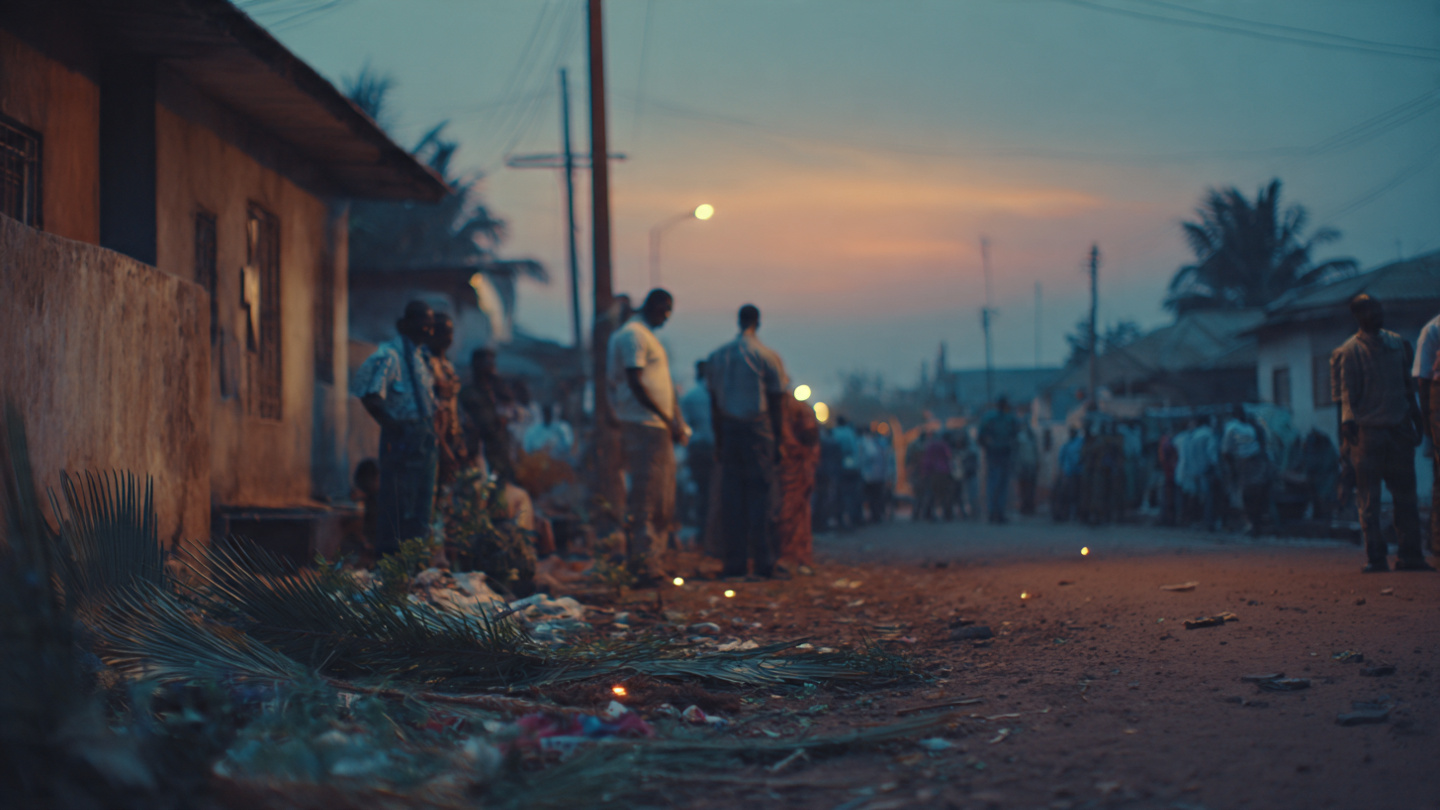
To understand the weight of this incident, it is necessary to recognize Jos not as an isolated location on a map, but as a city shaped by a difficult history. Plateau State has experienced multiple outbreaks of communal violence over the years, often tied to disputes involving ethnicity, religion, land, political representation, and local power structures. In many cases, these factors overlap, making it simplistic to label every attack in purely religious terms.
That complexity matters. Too often, international audiences reduce Nigerian violence to a single explanation. But communities on the ground usually understand that conflict emerges from a mix of historical grievances, security failures, contested identities, and competition over resources. The tragedy in Jos unfolds within that complicated landscape.
At the same time, symbolism cannot be ignored. When people are killed on Palm Sunday in a mostly Christian area, the emotional and social interpretation of that event becomes immediate and deeply personal. Even where the motives remain unclear, the setting and timing shape how residents experience the attack.
In regions marked by prior unrest, each new incident has a cumulative effect. It revives old memories, reopens unresolved wounds, and tests the resilience of peace efforts. A city can appear calm on the surface while still carrying deep internal fractures. That is why policymakers, journalists, and readers should resist the temptation to treat such attacks as isolated episodes with no historical context.
Unanswered Questions After the Nigeria Attack
One of the most troubling aspects of the story is how much remains unknown. Authorities may need time to investigate responsibly, but the absence of quick answers creates serious challenges. Families want justice. Residents want reassurance. The public wants to know whether the attack was preventable, who planned it, and whether further violence is likely.
Some of the most urgent questions include:
- Who were the gunmen, and did they act alone or as part of an organized group?
- What was the motive behind the killings?
- Were there prior warnings or intelligence signals that were missed?
- How fast did security personnel respond once the attack began?
- What measures are now in place to protect residents, churches, and public gatherings?
These questions are not just for political debate. They matter to the practical reality of recovery. Communities heal more effectively when there is visible movement toward truth and accountability. Silence, delay, or vague statements often deepen pain.
From a citizen’s point of view, trust in government depends not only on public sympathy after an attack but on competence before, during, and after the crisis. Statements of condolence are necessary, but they are not enough. People also want to see patrols, arrests, forensic work, community engagement, and transparent updates.
How Insecurity Affects Everyday Life in Nigeria
The Jos killings are part of a broader pattern in which insecurity disrupts ordinary life across different parts of Nigeria. Even when violence is geographically concentrated, its psychological effect is much wider. People begin to adjust their routines in ways that slowly shrink civic life.
Consider a few practical examples of what recurring insecurity does to a community:
- Religious services become more tightly controlled, with visible guards and shorter gatherings.
- Businesses lose evening traffic as residents avoid moving after dark.
- Schools and parents become more cautious about transportation and public events.
- Health access may suffer if patients fear traveling during tense periods.
- Young people grow up with normalized fear, which shapes their outlook and opportunities.
These are not abstract consequences. They influence local economies, mental health, educational continuity, and the social confidence that binds a city together. In that sense, the cost of violence always exceeds the official death toll.
For readers outside Nigeria, it is important to avoid seeing communities like Jos only through the lens of tragedy. Jos is also a place of faith, commerce, culture, resilience, and human warmth. That is exactly why attacks like this are so painful: they violate a living community, not a stereotype.
The Role of Security Forces and Public Accountability
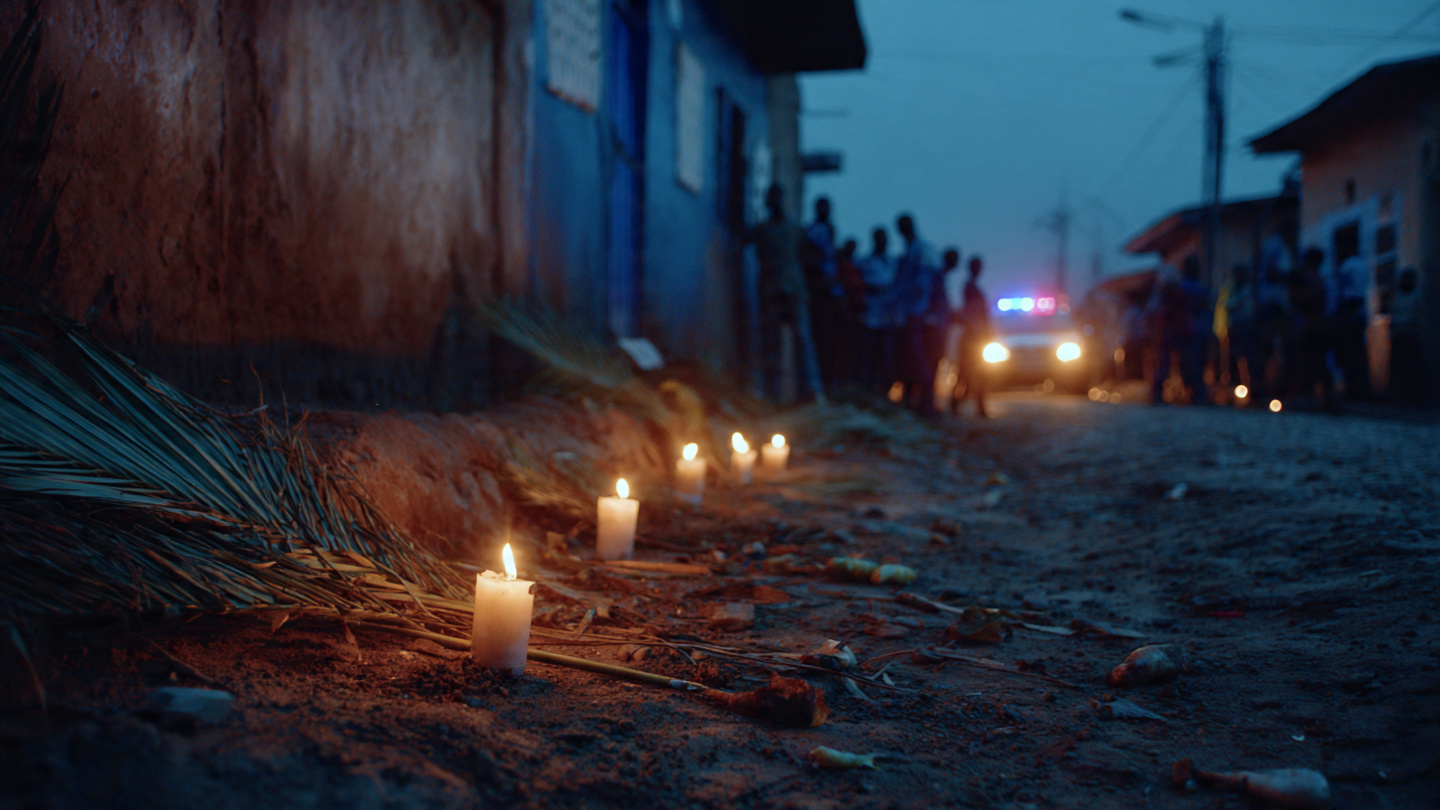
Whenever an attack of this scale occurs, attention naturally turns to law enforcement and security agencies. Residents want to know whether enough was done to prevent the violence and whether the response was fast and coordinated. These are fair questions, especially in areas that have previously experienced unrest.
Effective response after a deadly incident usually depends on several factors:
- Rapid containment: Preventing attackers from extending the violence.
- Evidence collection: Preserving scenes, gathering witness accounts, and tracking suspects.
- Public communication: Providing clear, credible updates without spreading panic.
- Community reassurance: Increasing visible protection in affected neighborhoods.
- Follow-through: Moving from statements to arrests, prosecution, and reform.
Where those steps are weak, public confidence erodes quickly. That erosion can become a serious long-term problem because citizens who distrust security institutions are less likely to cooperate with investigations, report threats, or believe official narratives.
Accountability also means refusing to let such incidents disappear into a pattern of temporary outrage followed by silence. Justice must be visible. If communities repeatedly see attackers evade consequences, the message they receive is devastating: your pain is acknowledged, but not truly answered.
Faith, Community, and the Power of Resilience
Palm Sunday is supposed to be a moment of hope, humility, and spiritual preparation. That such a day was scarred by bloodshed makes the loss feel even more profound. Yet one of the most striking features of communities under pressure is their determination to hold onto meaning, routine, and solidarity.
In the aftermath of violence, local resilience often appears in simple but powerful forms: neighbors visiting bereaved families, clergy offering counsel, youth groups helping with logistics, women organizing meals, and civic voices calling for calm. These acts do not erase grief, but they prevent fear from having the final word.
From my perspective, one of the lessons repeated across conflict-affected communities is that resilience should never be romanticized. People should not have to be endlessly resilient because institutions fail them. Still, the courage of ordinary residents deserves recognition. It is often the community, long before the state, that begins the work of emotional repair.
That repair is strongest when it includes both compassion and truth. Mourning matters. Solidarity matters. But so does honest investigation, fair reporting, and sustained pressure for reform.
What Must Happen Next
After a deadly attack in Jos, Nigeria, the path forward must involve more than condolences. A serious response requires coordinated action from security agencies, political leaders, religious institutions, civil society groups, and local communities.
Immediate priorities
- Protect vulnerable neighborhoods and places of worship with visible, disciplined security.
- Provide timely and transparent investigative updates to reduce rumors and fear.
- Support victims’ families through emergency assistance, counseling, and community care.
- Encourage verified reporting and discourage inflammatory speculation online.
Longer-term priorities
- Strengthen local intelligence networks and early-warning systems.
- Improve coordination between police, community leaders, and state authorities.
- Address the structural drivers of violence, including unresolved local grievances.
- Invest in peacebuilding efforts that are continuous, not only activated after tragedy.
There is also a role for readers and observers. Paying attention matters. Responsible engagement matters. So does resisting simplistic narratives that flatten complex realities or exploit religious pain for political gain. Communities in crisis need more than sympathy; they need sustained attention to justice, safety, and dignity.
Conclusion: Mourning Must Lead to Action
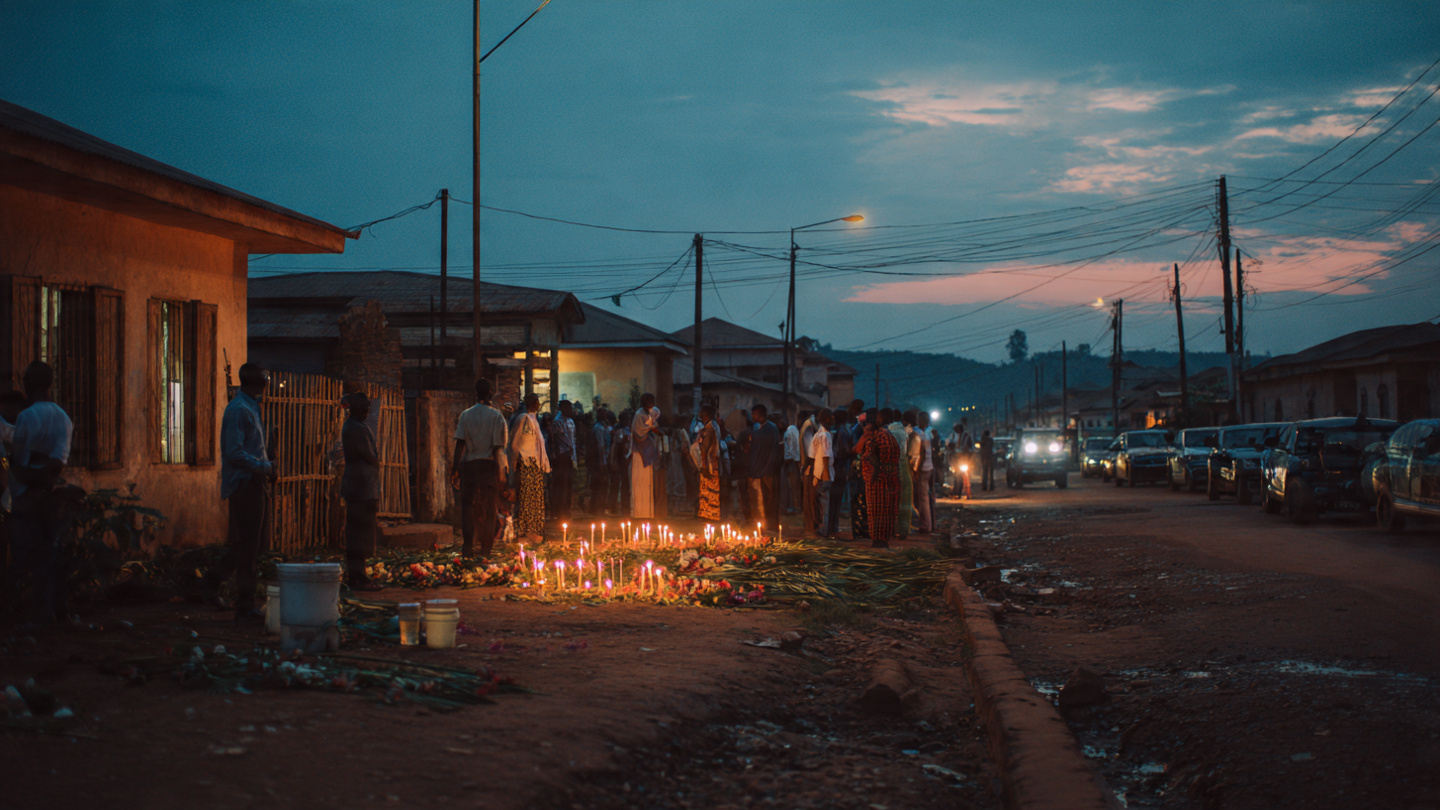
The Palm Sunday attack in Nigeria is more than a breaking news event. It is a human tragedy with deep social, religious, and political implications. At least 12 people are dead, families are grieving, and Jos is once again confronting the unbearable weight of preventable violence. With no claim of responsibility and no immediate arrests, the demand for truth has only grown sharper.
What happens next will matter enormously. If authorities pursue a credible investigation, protect vulnerable communities, and communicate transparently, they can begin restoring public confidence. If not, fear and mistrust will deepen, and the cost will extend far beyond one terrible day.
The call to action is simple but urgent: justice must be pursued, security must be strengthened, and the lives lost in Jos must not be reduced to another passing headline. Readers, civic leaders, faith communities, and public officials all have a stake in insisting that mourning be matched by accountability. The people of Jos deserve safety, truth, and a future no longer defined by recurring terror.


