The Middle East war entered another dangerous phase on Monday, with Iran insisting that no negotiations have taken place with the United States and making clear that none will happen while active fighting continues. That single statement carried weight far beyond a routine diplomatic denial. It signaled a hardening posture at a moment when every airstrike, missile launch, and political declaration is being measured not only for battlefield impact, but also for what it means for the region’s already fragile future.
For anyone following the Iran-U.S. tensions, this was more than a headline. It was a reminder that wars are fought on two tracks at once: the visible conflict of weapons and the quieter contest over leverage, messaging, and timing. When leaders say talks are off the table, they are often speaking to multiple audiences at once: domestic supporters, military commanders, rivals, allies, and global markets that react quickly to instability.
My own view is that moments like this deserve more attention than they often receive. Public statements about negotiations may sound procedural, but they can reveal whether leaders believe they are gaining ground, losing control, or trying to avoid appearing weak. In the Middle East, where conflicts are interconnected and mistrust runs deep, words can move almost as much as troops.
Why Iran’s Rejection of U.S. Talks Matters
Iran’s position that there have been no negotiations with Washington, and that there will be none while fighting continues, matters because it closes off one of the most obvious paths to de-escalation, at least for now. In practical terms, it tells the world that Tehran does not want to appear to be bargaining under fire. That is a familiar logic in conflict zones: governments often fear that opening talks during military pressure makes them look cornered.
There is also a domestic dimension. Iranian leaders must consider how their own population, political factions, and security establishment will interpret any sign of contact with the United States. Even quiet diplomacy can be politically costly if it is framed by opponents as surrender. By publicly denying negotiations, Tehran reinforces an image of resistance and strategic patience.
At the same time, this stance increases uncertainty. When diplomatic channels are narrowed, room for misunderstanding grows. Signals become harder to read. Red lines become harder to define. And the possibility of accidental escalation rises, especially in a region where proxy forces, militia networks, state militaries, and foreign powers operate in overlapping theaters.
- Political message: Iran does not want to be seen negotiating under battlefield pressure.
- Strategic effect: Fewer public diplomatic openings increase regional uncertainty.
- Domestic impact: The statement helps Tehran project resolve to internal audiences.
- Global consequence: Markets and foreign governments must prepare for prolonged instability.
What Happened on Monday in the Middle East War
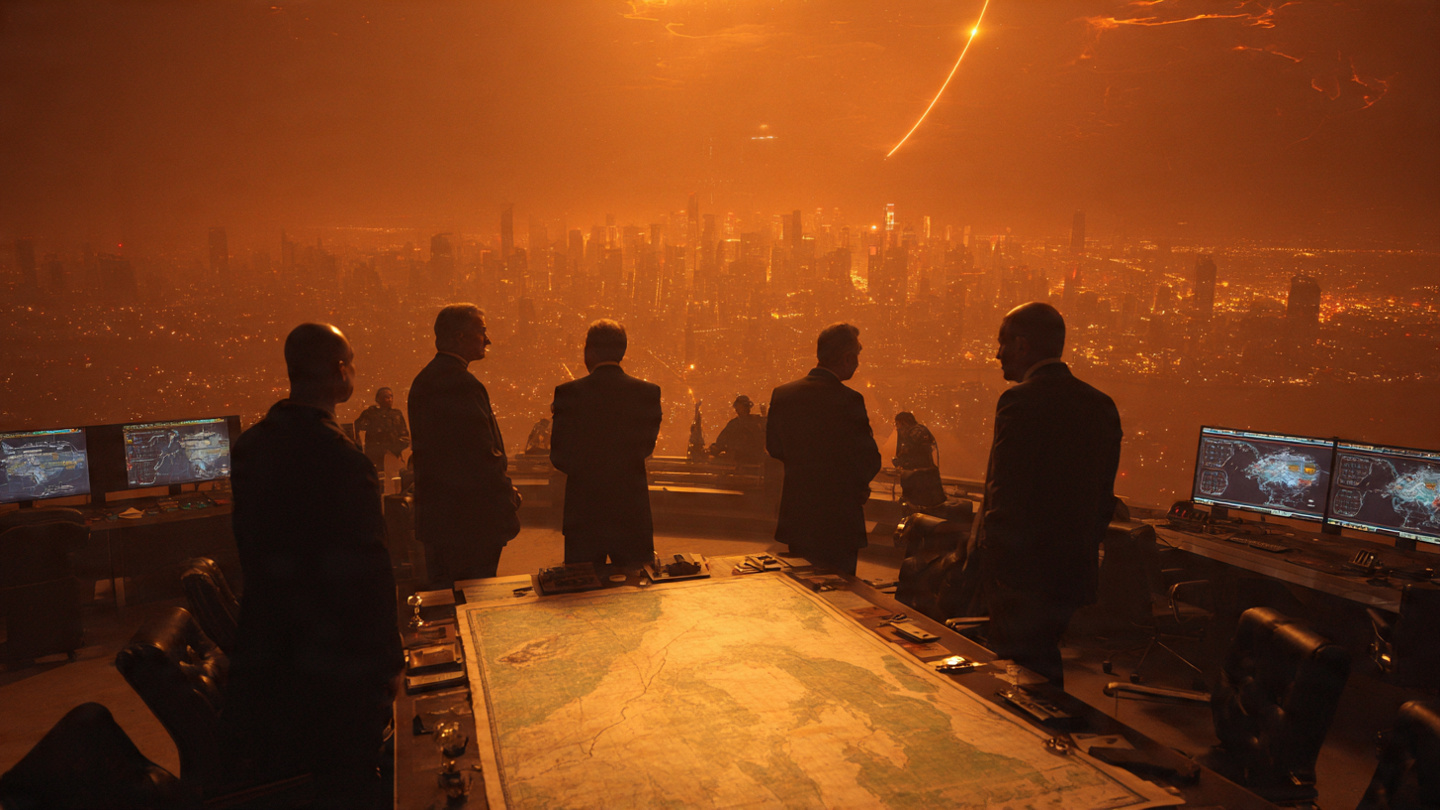
Monday’s developments were shaped by a familiar but increasingly risky pattern: military activity on the ground and in the air, paired with messaging aimed at controlling the diplomatic narrative. Iran’s statement stood out because it cut against hopes that behind-the-scenes contacts might be underway to limit the conflict. Instead, officials drew a clear line: fighting first, diplomacy later.
This matters because international observers often search for indirect signs that a crisis is nearing a turning point. Such signs can include mediation offers, softened rhetoric, or carefully vague comments about communication between adversaries. Iran’s refusal to validate any U.S. contact undercut those expectations and suggested that the current phase of conflict is still being shaped by force rather than negotiation.
Across the wider Middle East conflict, the atmosphere remains volatile. Governments in the region are trying to avoid being pulled more deeply into the confrontation, even as they strengthen defenses, recalculate alliances, and weigh the risks of miscalculation. The result is a tense strategic environment in which every development is interpreted through the lens of possible spillover.
The Battlefield and the Diplomatic Battlefield
One of the most important realities in any modern war is that the battlefield is no longer limited to the front line. It includes state television, diplomatic podiums, social media briefings, emergency security meetings, and market reactions. Monday illustrated that clearly. Iran’s statement was a diplomatic maneuver, but it was also part of the conflict itself.
When officials deny talks, they are often doing at least three things at once: protecting bargaining power, managing perception, and signaling conditions for future engagement. In this case, the condition was explicit: no negotiations while the fighting continues. That means any meaningful diplomatic opening may require either a ceasefire, a pause, or some mutual recognition that continued escalation carries greater costs than temporary restraint.
From a practical standpoint, this is how war often works. Imagine two neighboring businesses locked in a destructive legal and commercial battle. Neither side wants to be the first to compromise while losses are mounting, because compromise can be read as weakness. But the longer they wait, the more expensive the damage becomes. Scale that logic up to regional warfare, and the stakes become enormous.
How the United States Fits Into the Crisis
The United States remains central to the Middle East war update because its military presence, alliances, and diplomatic reach make it a key actor whether or not direct negotiations are taking place. Even when Washington is not at the table in a formal sense, its posture influences the calculations of allies, adversaries, and neutral states alike.
For the U.S., the challenge is multidimensional. It must balance deterrence with restraint, reassure partners without triggering wider escalation, and preserve the possibility of diplomacy without looking ineffective. That is a difficult line to hold in any conflict, but particularly in the Middle East, where military moves are often interpreted through years of accumulated distrust.
Iran’s public refusal to acknowledge talks also puts pressure on Washington’s messaging. If the United States wants to maintain the image of diplomatic readiness, it must do so without appearing either rebuffed or overly eager. This is one reason official language in such crises is often carefully measured. Even small wording choices can affect whether tensions rise or room for dialogue eventually reopens.
- Security role: The U.S. remains a major strategic actor in the region.
- Diplomatic challenge: Washington must show readiness for talks without signaling weakness.
- Regional effect: U.S. decisions influence allies, adversaries, and energy markets.
- Risk factor: Misreading intentions can intensify the conflict quickly.
Regional Tensions Are Rising Beyond the Immediate Front
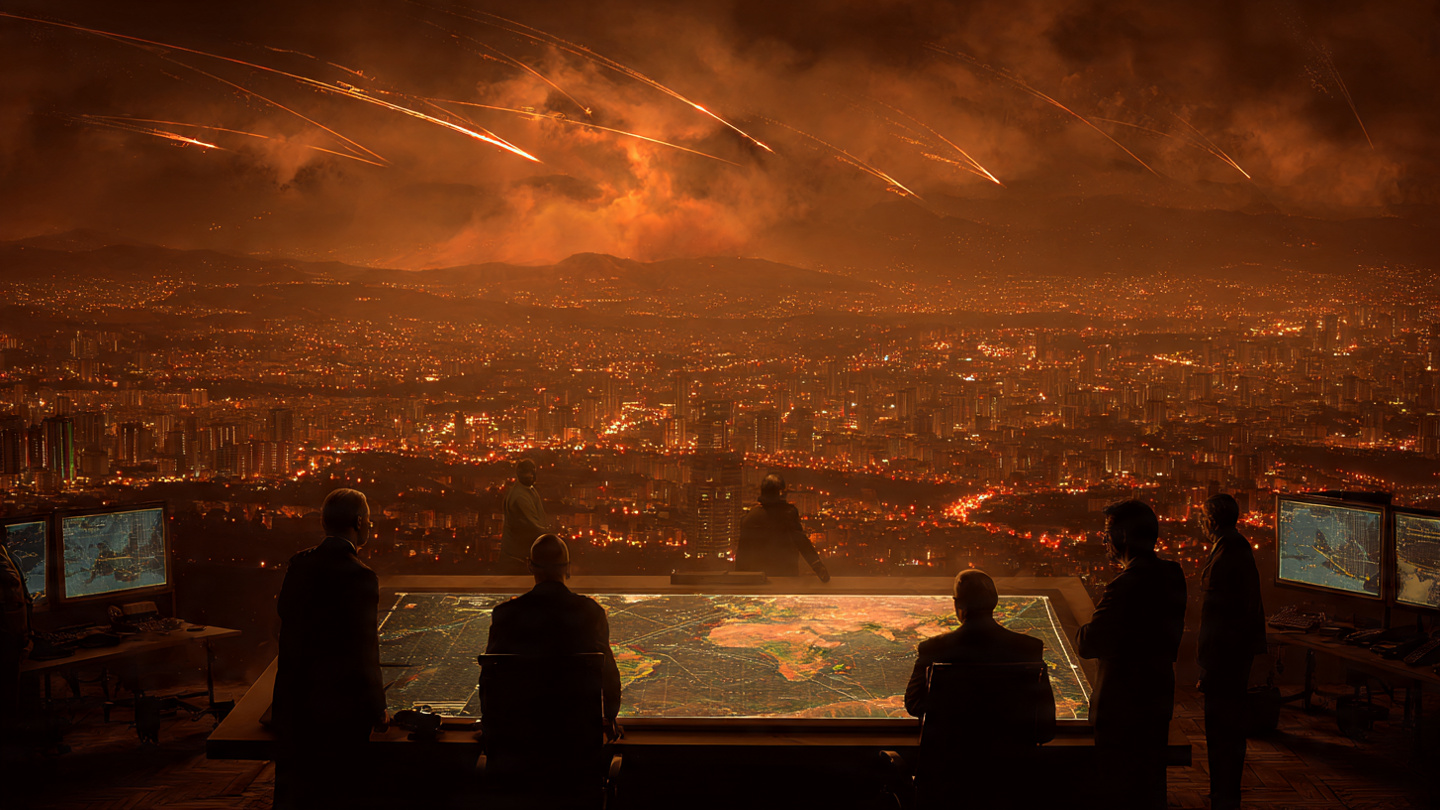
One of the biggest mistakes readers can make is treating this as a conflict confined to one border or one military exchange. The regional tensions tied to the war are now affecting capitals far beyond the immediate combat zone. Neighboring governments are assessing air defense readiness, border vulnerabilities, internal political pressure, and the possibility of refugee movement or economic disruption.
Energy markets are watching closely as well. Even when infrastructure is not directly hit, the fear of disruption can drive volatility. Shipping routes, investor sentiment, and trade confidence all react to uncertainty. For ordinary people, that can mean rising fuel prices, higher transport costs, and additional economic stress far from the site of conflict.
There is also the psychological toll. In conflict-prone regions, families and businesses learn to live in a permanent state of contingency planning. Parents ask whether schools will stay open. Employers wonder whether supply chains will hold. Travelers reconsider routes. Hospitals review emergency protocols. These are the hidden layers of war that rarely fit into short news briefs, yet they shape daily life in profound ways.
Why Neighboring States Are So Cautious
Many countries in the region are trying to avoid a binary choice between alignment and exposure. They may condemn violence, support de-escalation, and quietly maintain communications with multiple sides all at once. That can look indecisive from the outside, but in reality it reflects survival logic. When a conflict has the potential to widen suddenly, strategic ambiguity can be a shield.
In my experience as a reader of international crises, the most revealing sign is often not what governments say loudly in public, but what they refuse to say clearly. Ambiguous statements, emergency meetings, postponed travel, and intensified security warnings often tell us that leaders see a real danger of spillover even when they avoid dramatic rhetoric.
Why Diplomacy Often Freezes During Active Fighting
It may seem counterintuitive that diplomacy becomes harder precisely when it is needed most, but that is common in war. Active fighting narrows political flexibility. Leaders fear domestic backlash. Military commanders seek to maintain momentum. Allies demand reassurance. And public emotions harden after each attack or casualty report.
That is why Iran’s statement should be understood in a broader pattern. Saying that no talks will happen while fighting continues does not necessarily mean diplomacy is dead forever. It may mean diplomacy is being deferred until the political conditions are less punishing. But delay is costly. The longer the pause, the harder it becomes to rebuild trust, establish terms, or test confidence-building measures.
In practical terms, diplomacy usually re-enters through indirect channels first. Third-party mediators, intelligence contacts, regional intermediaries, or humanitarian coordination can all serve as early pathways. Formal negotiations often come much later, after public positioning has softened enough to make them politically survivable.
- Active combat reduces flexibility: Leaders have less room to make concessions.
- Public pressure rises: Citizens often expect toughness during wartime.
- Back channels matter: Informal communication can outlast public denials.
- Timing is critical: Delayed diplomacy can increase the eventual cost of peace.
What to Watch Next in the Middle East War
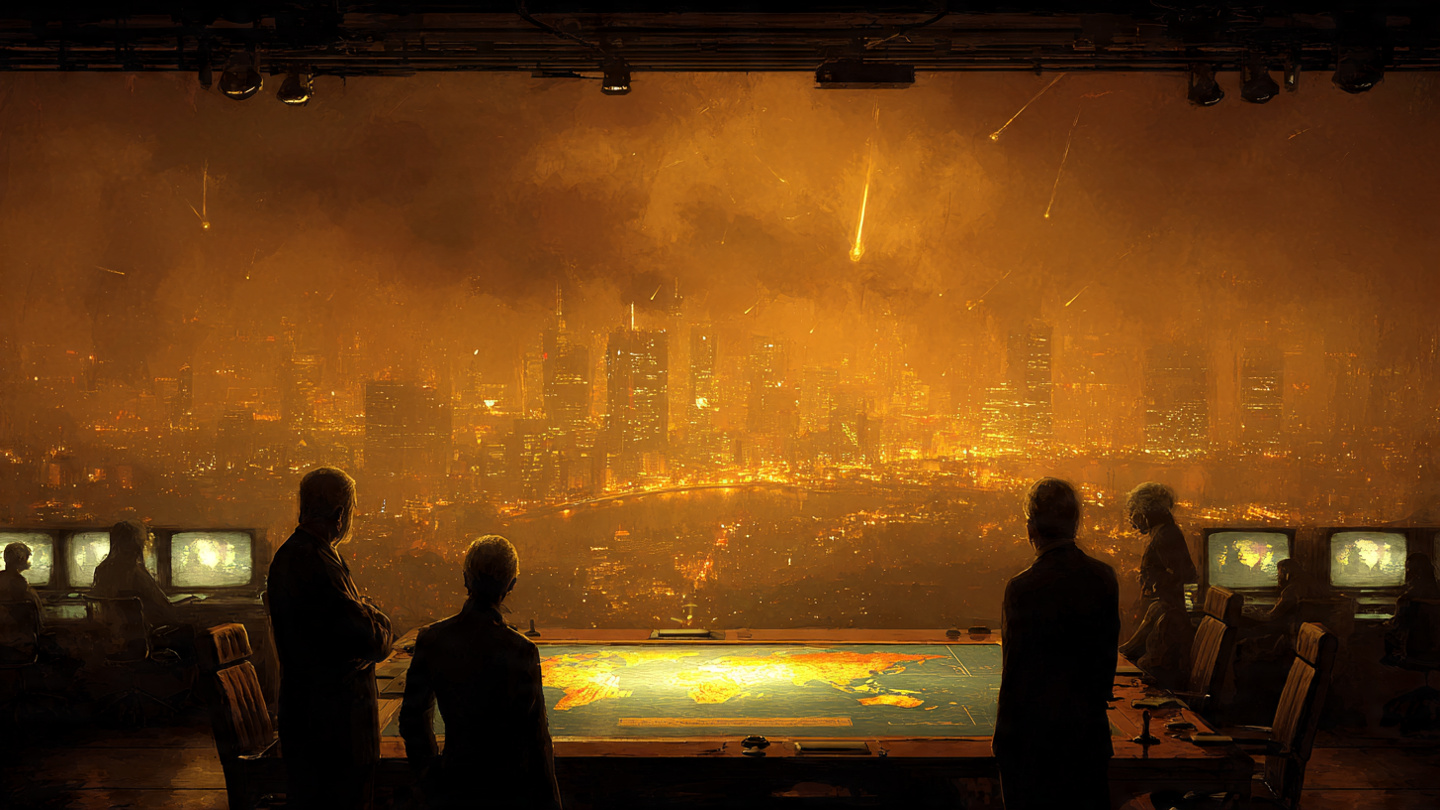
If you want to understand where the conflict may go next, it helps to watch a few indicators rather than focus on a single headline. First, monitor whether public rhetoric hardens further or begins to leave room for conditional engagement. Second, watch for the role of regional mediators, especially states that have working relationships with multiple sides. Third, pay attention to whether military operations remain contained or begin to spread across additional fronts.
Another important sign is humanitarian language. When officials start emphasizing civilian safety, aid corridors, evacuation routes, or temporary pauses, it can sometimes indicate that political actors are testing the space for broader de-escalation. That does not guarantee peace talks, but it often signals a recognition that the costs of continued escalation are becoming harder to absorb.
It is also worth watching financial and energy indicators. Investors and governments often respond to risk before politicians openly acknowledge it. Sharp moves in shipping insurance, crude prices, or airline routes can reveal how seriously the wider world is taking the threat of escalation.
Signals That Could Change the Story Quickly
Several developments could reshape the situation fast:
- A ceasefire proposal: Even a limited pause could reopen discussion of indirect talks.
- Third-party mediation: Regional or global actors may step in quietly before formal diplomacy resumes.
- Expanded military action: A wider conflict would make negotiations even more difficult.
- Humanitarian pressure: Growing civilian harm can force governments to reconsider rigid positions.
- Strategic recalculation: If either side sees diminishing returns from force, diplomacy becomes more likely.
The Larger Meaning of Monday’s Message
Monday’s developments were not only about whether Iran and the United States are currently talking. They were about the larger struggle to define who holds leverage, who appears resolute, and who sets the conditions for any future diplomatic opening. In that sense, the statement was both defensive and strategic. It rejected the appearance of negotiation under pressure while preserving the idea that talks might become possible later under different conditions.
The trouble, of course, is that wars rarely wait for ideal conditions. Civilian anxiety grows. Economic strain deepens. Regional actors become more nervous. And every additional day of fighting creates new grievances that can outlast the current crisis. That is why statements rejecting diplomacy deserve close reading. They are not just about the present moment. They help shape the path that follows.
For readers trying to make sense of the Middle East conflict, the key lesson is simple: military developments and diplomatic signals cannot be separated. They are part of the same struggle. When one side says there will be no negotiations while fighting continues, it is making a calculation about power, timing, and legitimacy. Whether that calculation holds will depend on what happens next on the battlefield, in regional capitals, and behind closed doors.
Conclusion
The latest Middle East war update shows a region still trapped in the logic of escalation. Iran’s insistence that no negotiations have occurred with the United States, and that none will take place during active fighting, underlines how far meaningful diplomacy remains from the center of events. For now, force, signaling, and political optics are dominating the crisis.
Yet history suggests that even the harshest public positions can evolve when pressure, cost, and strategic necessity begin to align. The question is not only whether talks will happen, but how much damage will be done before leaders decide that diplomacy is no longer optional. That is the central risk of this moment, and the reason every statement, strike, and response matters.
If you want to stay ahead of this fast-moving story, keep following the intersection of Iran-U.S. tensions, regional security decisions, and emerging diplomatic signals. In a conflict this sensitive, the next shift may begin not with a handshake, but with a subtle change in language that tells the world the calculus is starting to change.


