The Middle East war entered another volatile phase on Sunday, combining high-level diplomacy with deadly military escalation. While regional officials gathered in Pakistan to discuss the widening crisis, reports from Iran pointed to a strike on a southern port that killed at least five people. In one day, the region saw the two forces that now define this conflict: urgent diplomacy on one side and hard power on the other.
For anyone trying to understand where the crisis is heading, Sunday mattered because it showed how quickly the conflict can expand beyond traditional battle lines. It is no longer just about one front, one border, or one military objective. It is about shipping routes, energy infrastructure, political signaling, alliance management, and the growing fear that local clashes could harden into a broader regional war.
From my perspective, this is the most dangerous kind of moment in international politics: not the instant of shock that follows a first strike, but the period after it, when each side tries to prove resolve without triggering a full-scale catastrophe. That is when miscalculation becomes most likely—and most costly.
Why Sunday’s events matter
Sunday’s developments were significant not only because of the casualties reported in Iran, but because they underscored a larger pattern. Even as diplomats seek off-ramps, military operations continue to widen the map of risk. A strike on a southern Iranian port carries implications far beyond the immediate death toll. Ports are not just physical infrastructure; they are strategic arteries tied to trade, oil flows, logistics, and national prestige.
At the same time, the diplomatic meeting in Pakistan highlighted another reality: countries across the region understand that the conflict cannot be viewed in isolation. Every strike now carries consequences for neighboring states, global markets, refugee pressures, maritime security, and domestic political stability.
- Military escalation continued despite regional diplomatic outreach.
- Iranian casualties increased pressure on leaders to respond or project strength.
- Pakistan-hosted diplomacy signaled growing concern among regional governments.
- Strategic infrastructure became part of the conflict narrative, not just front-line targets.
- Regional spillover risks remained high, especially for trade and energy security.
The reported strike on Iran’s southern port
A tactical hit with strategic consequences
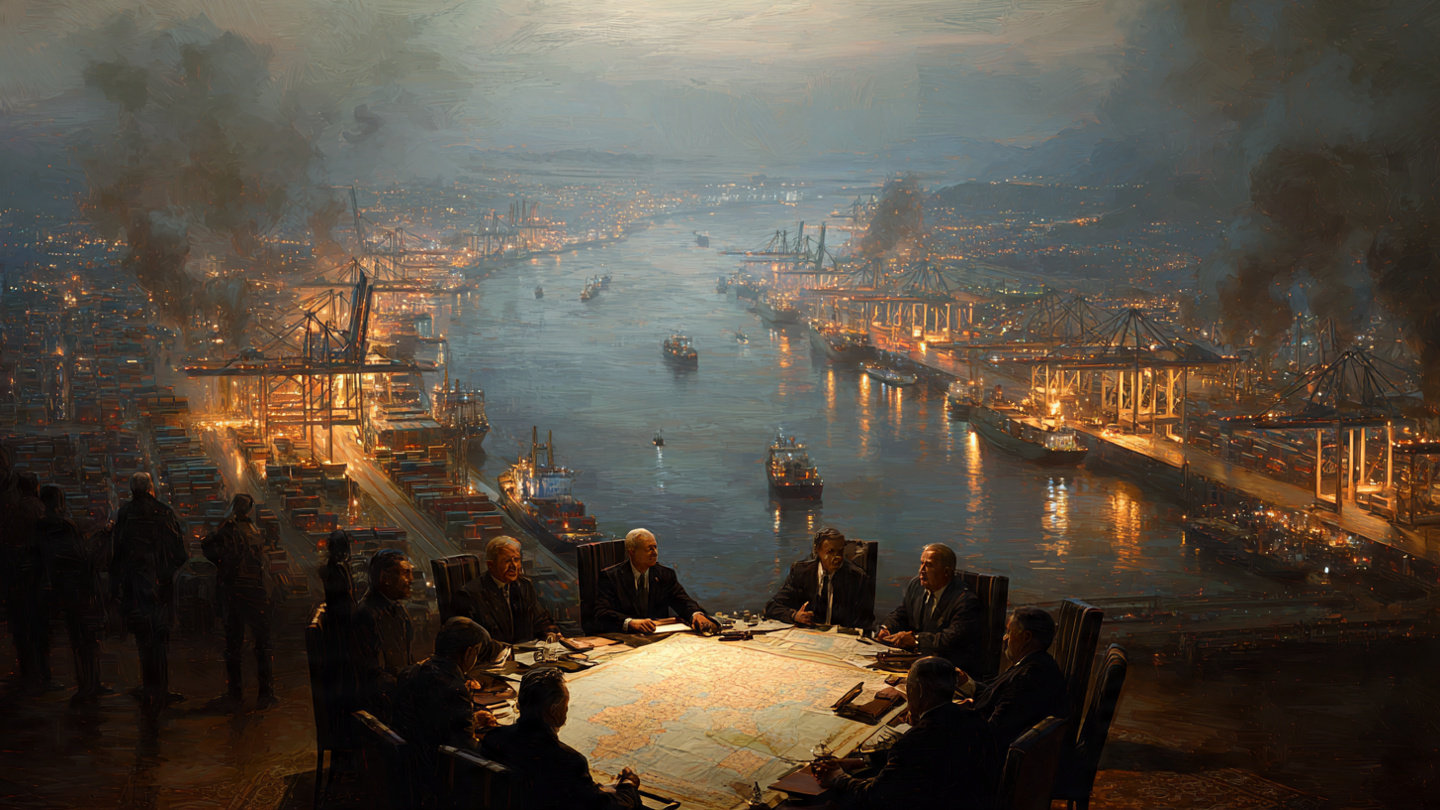
The reported bombardment of a southern Iranian port was not just another battlefield incident. A port is a symbol of access, connectivity, and resilience. When such a site is hit, the message extends beyond military damage. It raises questions about supply chains, import capacity, export resilience, and the vulnerability of critical infrastructure.
If confirmed in full detail, a strike of this kind could influence how Iran calculates retaliation. Leaders often respond differently when attacks hit remote military sites than when they hit locations tied to public life, trade, or visible national infrastructure. Civilian casualties, even in limited numbers, add another emotional and political layer, making restraint much harder to sell domestically.
There is also a financial dimension. Southern Iranian ports connect to shipping activity and broader maritime patterns in waters already watched closely by global energy traders and security analysts. Even a single high-profile strike can send a message to insurers, cargo operators, and energy markets that the operating environment is becoming less predictable.
Why infrastructure attacks raise the stakes
In modern conflict, infrastructure carries dual meaning. It supports military activity, but it also affects civilian life and international commerce. That is why attacks on ports, roads, refineries, and communications hubs often produce ripple effects far beyond the immediate blast zone.
Consider a practical example: if shipping companies believe port security is deteriorating, they may delay operations, reroute cargo, or raise transport costs. That can affect fuel prices, industrial inputs, food imports, and even consumer inflation in countries far from the conflict zone. In other words, what happens at one port in southern Iran does not stay there. It can shape confidence across the wider region.
Regional diplomacy in Pakistan
What diplomats are trying to prevent
The diplomatic gathering in Pakistan reflected a growing consensus that the conflict is no longer containable through silence or symbolic statements alone. Regional governments are trying to prevent a chain reaction in which one strike leads to retaliation, retaliation leads to alliance activation, and alliance activation draws multiple states into a larger confrontation.
Diplomacy in moments like this often has three goals:
- De-escalation by opening communication channels between rival camps.
- Coordination among neighboring states affected by refugee flows, trade risk, or security spillover.
- Signaling to external powers that regional actors want limits placed on military expansion.
Pakistan’s role is notable because it occupies a sensitive geopolitical position. It maintains relationships across different power centers and understands the domestic and regional consequences of prolonged instability. Hosting or participating in talks allows it to project relevance while also pushing for restraint in a region where no country can fully insulate itself from the fallout of war.
Why diplomacy often looks weak—until it matters most
One of the most misunderstood aspects of war coverage is diplomacy’s appearance of ineffectiveness. Airstrikes are visual and immediate. Meetings are slow, opaque, and easy to dismiss. But in reality, diplomacy often does its most important work quietly: clarifying red lines, relaying warnings, defining acceptable responses, and helping states avoid accidental escalation.
In my view, the public tends to underestimate the value of diplomatic contact during high-tension periods. A phone call that prevents a retaliatory strike may never become a headline. A meeting that narrows the target list or delays a military move may not be visible at all. Yet those invisible shifts can save hundreds or thousands of lives.
The broader Middle East conflict picture
This is no longer a narrow confrontation
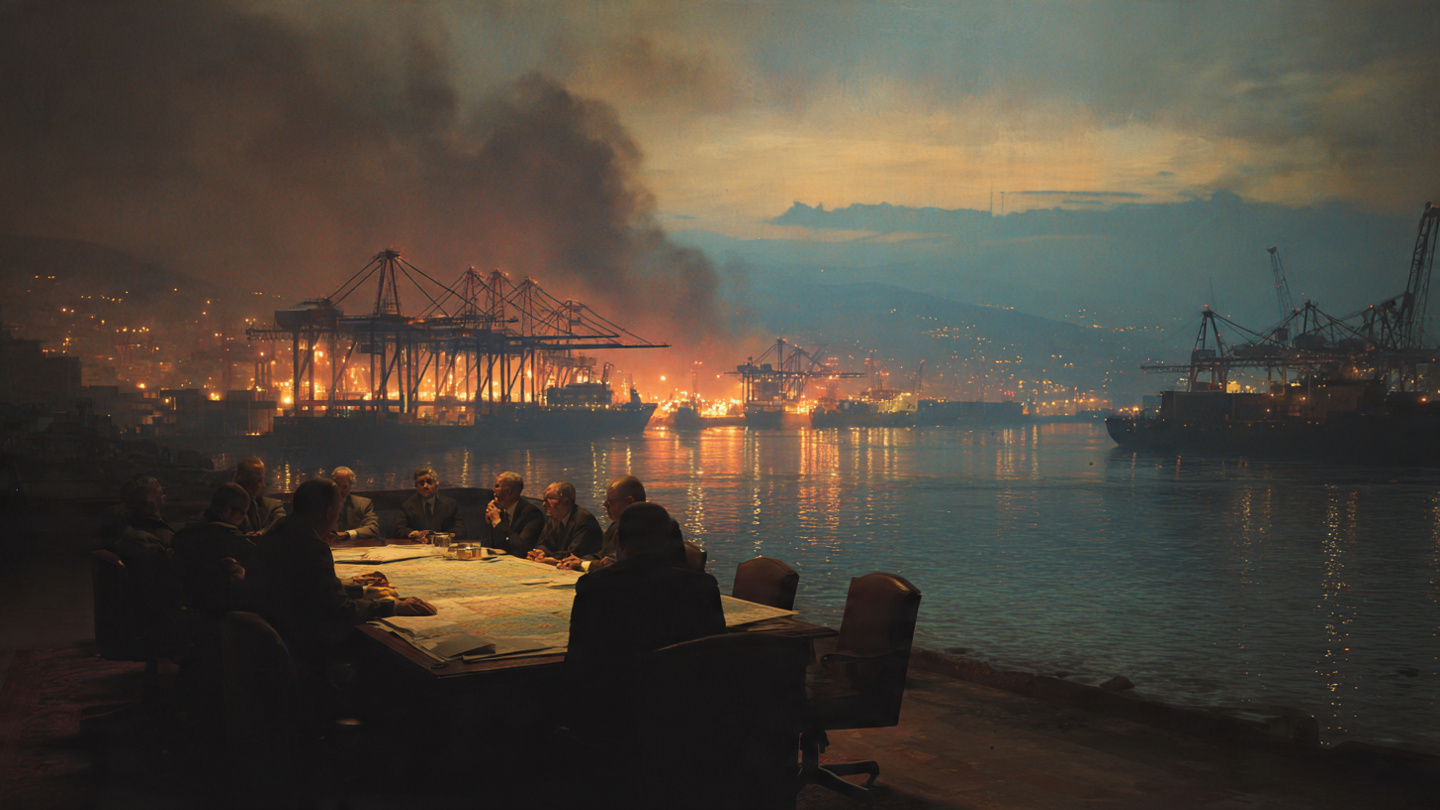
The Middle East conflict now touches multiple arenas at once: military operations, regional alliances, domestic politics, maritime security, and energy economics. Sunday’s events fit into that larger reality. A strike in Iran and a diplomatic session in Pakistan are not disconnected developments. They are different expressions of the same strategic contest.
The central question is no longer whether the conflict is serious. It is whether the region’s political systems can absorb repeated shocks without producing uncontrolled escalation. Every actor involved is balancing internal pressure with external risk. Governments want to appear strong, but they also know that a wider war could destabilize their economies, strain their institutions, and provoke unpredictable public reactions.
- Iran must balance deterrence, domestic opinion, and regional credibility.
- Israel and the United States must manage military objectives alongside international pressure.
- Neighboring states want to avoid direct entanglement while protecting their own interests.
- Global markets remain highly sensitive to any threat involving shipping lanes or energy infrastructure.
The role of perception and public messaging
Conflicts like this are fought not only through weapons, but also through narrative. Each government wants to shape how Sunday’s events are understood. Was the strike a tactical necessity, a warning signal, a proportional response, or an escalatory step? Was the diplomatic meeting a serious intervention or a symbolic gesture? These questions matter because public perception affects political room for maneuver.
Leaders under pressure often speak in ways that reassure their domestic audience while leaving some ambiguity for opponents. That ambiguity can be useful, but it can also be dangerous. If one side misreads signaling as weakness, it may escalate. If another misreads rhetoric as intent, it may strike preemptively. In crises, interpretation can be as consequential as action.
What this means for civilians and the global economy
Human cost remains the central issue
Behind every strategic analysis lies the most important fact: people are dying, families are losing loved ones, and communities are living under the threat of sudden violence. Reports of at least five deaths in Iran are not just a data point. They reflect the personal cost of a conflict that continues to widen.
Civilians across the region pay the highest price when warfare expands. Even those far from direct strikes face anxiety, disrupted commerce, reduced mobility, and fear about what comes next. In prolonged crises, mental stress and economic insecurity often become as damaging as immediate physical destruction.
Economic and energy implications
The regional tensions visible on Sunday also matter to the wider world. The Middle East remains deeply tied to energy flows, strategic waterways, and global shipping confidence. When infrastructure is struck and diplomatic meetings intensify, investors and policymakers begin recalculating risk in real time.
Practical effects can include:
- Higher shipping insurance costs for vessels operating near conflict-sensitive waters.
- Increased oil price volatility driven by fears of supply disruption.
- Market unease over ports, chokepoints, and critical energy routes.
- Pressure on governments to prepare contingency plans for trade interruptions.
Even if no major supply shock occurs immediately, the perception of vulnerability can move prices and planning decisions. That is why Sunday’s developments mattered not just to military analysts, but to business leaders, transport operators, and households watching fuel and food costs.
What to watch next
Signals that could indicate escalation
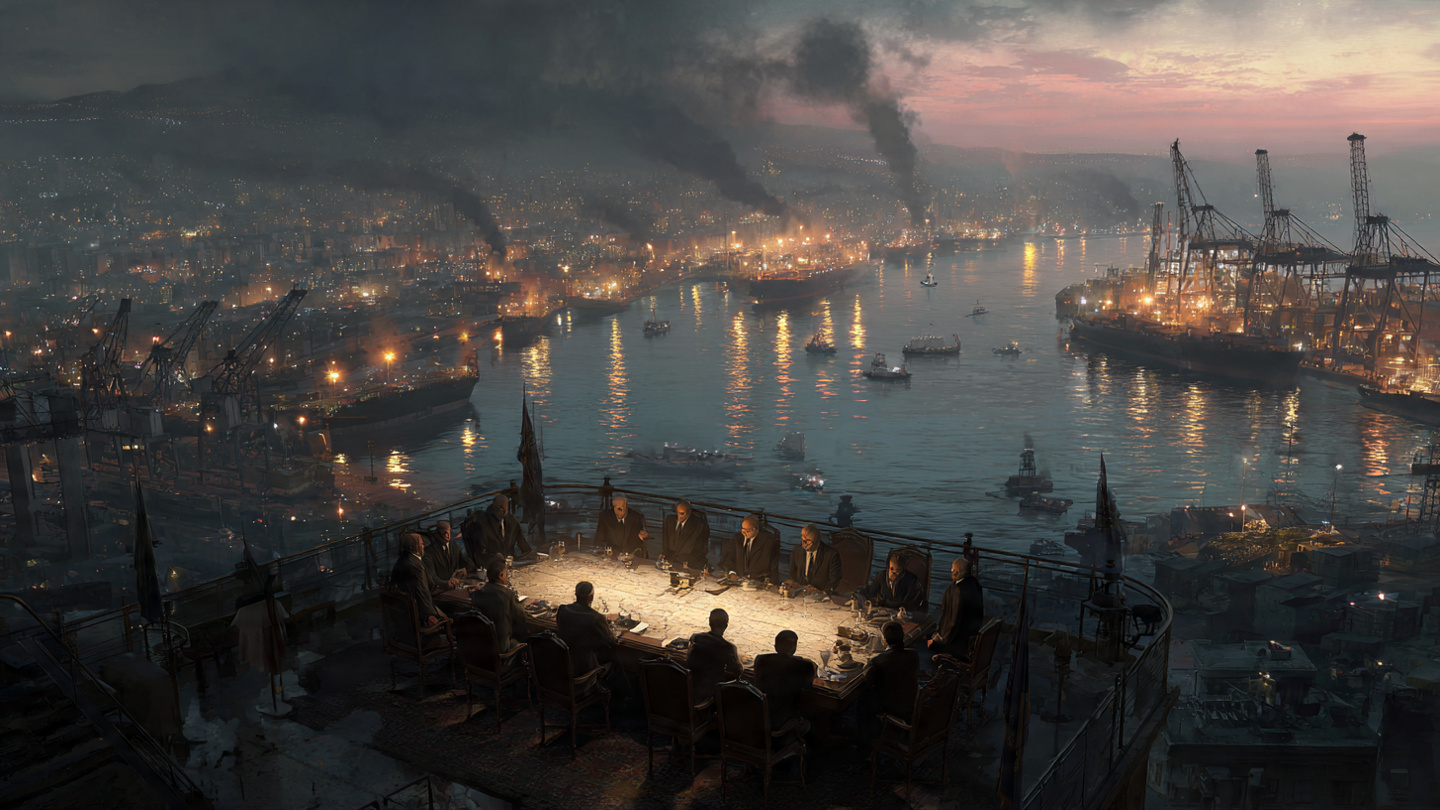
The next phase of the crisis will likely be shaped by a handful of indicators. Analysts, governments, and ordinary readers should watch not just what is said publicly, but how states position forces, adjust messaging, and frame their choices.
- Iranian response: whether leaders signal restraint, indirect retaliation, or direct escalation.
- Follow-up strikes: whether attacks remain limited or begin targeting more visible infrastructure.
- Diplomatic momentum: whether meetings in Pakistan and elsewhere lead to coordinated pressure for calm.
- Maritime security: whether shipping advisories, naval movements, or insurance shifts suggest rising concern.
- International messaging: whether major powers push for de-escalation or harden their positions.
The most important question
The key issue now is whether decision-makers still believe escalation can be controlled. History shows that leaders often enter dangerous phases assuming they can calibrate force precisely. Sometimes they can. Sometimes they cannot. A strike intended as a warning can be interpreted as humiliation. A delayed response can be read as preparation for something larger. In that environment, the margin for error becomes alarmingly thin.
That is why Sunday should be seen as more than just another entry in a conflict timeline. It was a snapshot of a region standing between two paths: one toward a more organized effort to contain violence, and another toward deeper military confrontation with broader consequences.
Conclusion: a region at a fragile crossroads
Sunday’s Middle East war update revealed a harsh truth: diplomacy and destruction are unfolding side by side, and neither has yet clearly gained the upper hand. The reported strike on a southern Iranian port exposed the vulnerability of strategic infrastructure and the growing risk of wider confrontation. The diplomatic activity in Pakistan showed that regional leaders understand the danger and are trying, however imperfectly, to stop it from spreading.
Still, this is a moment that demands close attention, not casual observation. The choices made in the coming days could affect not only military balances, but also trade routes, energy prices, political stability, and civilian safety across a vast area. Strong rhetoric may dominate headlines, but the real story is whether states can step back from the logic of constant escalation.
If you follow global affairs, now is the time to stay informed, read developments critically, and pay attention to both battlefield events and diplomatic signals. The future of this crisis may depend less on a single dramatic strike than on the quiet decisions that follow it. Keep watching the region closely, because what happens next may shape the Middle East—and the wider world—for months to come.


