The world’s attention often locks onto the loudest flashpoint, the largest missile barrage, or the most dramatic headline. Yet wars in the Middle East rarely move along a single front. While international focus has been drawn to strikes involving Iran, another battlefield has intensified with profound consequences: Israel’s expanding military campaign in southern Lebanon against Hezbollah. This is not a side story. It is a central chapter in the broader regional confrontation, and it may be the arena where the greatest long-term strategic shifts occur.
For many observers, the danger lies not only in the fighting itself but in the way these conflicts overlap. Israel’s confrontation with Hezbollah is military, political, psychological, and regional all at once. Every cross-border strike, troop movement, and rocket launch raises the stakes not just for Israel and Lebanon, but for Iran, the United States, Gulf states, and international diplomacy. From a reader’s perspective, this is the kind of conflict that demands more than daily casualty updates. It requires a deeper look at why southern Lebanon matters, what Israel hopes to achieve, how Hezbollah calculates risk, and where this war could go next.
If recent history has taught us anything, it is that fronts once treated as secondary can quickly become decisive. Southern Lebanon has that potential. The current military moves signal that Israel is trying to alter the security equation near its northern border, while Hezbollah appears determined to prove it cannot be pushed back without a costly fight. That combination makes the Lebanon war one of the most dangerous and consequential theaters in the region today.
Why Southern Lebanon Has Become a Critical Front
Southern Lebanon is not merely a strip of border territory. It is a strategic launch zone, a buffer area, a political symbol, and a battlefield shaped by decades of conflict. Hezbollah has long used this geography to build deterrence against Israel, embedding military capabilities within a landscape of villages, roads, hills, and civilian communities. Israel, meanwhile, has viewed the area as an immediate security threat because of the group’s rockets, anti-tank missiles, tunnels, and mobile strike capacity.
The importance of southern Lebanon lies in proximity. Threats launched from that area can reach Israeli communities quickly, disrupt military planning, and force evacuations and prolonged insecurity. Unlike long-range missile exchanges elsewhere in the region, the Lebanon front involves direct, persistent friction along a shared frontier. This is what makes escalation so volatile: even limited tactical actions can have major strategic consequences.
Several factors explain why this front now matters so much:
- Geography: The terrain favors concealment, decentralized operations, and quick cross-border attacks.
- Hezbollah’s arsenal: The group possesses extensive rocket and missile capabilities that threaten northern Israel.
- Civilian pressure: Displacement on both sides of the border increases domestic political urgency.
- Regional signaling: Every clash is watched by Iran, Washington, and Arab capitals for signs of broader escalation.
- Deterrence credibility: Both Israel and Hezbollah believe backing down too visibly could invite future attacks.
From a practical standpoint, the conflict also affects everyday life in ways headlines often miss. Border communities live under the constant threat of sirens, uncertainty, and evacuation. Farmers lose access to land. Schools close. Local businesses shut down or operate at a fraction of normal capacity. On the Lebanese side, villages face bombardment, displacement, infrastructure damage, and deepening economic strain in a country already suffering from severe financial collapse. This is why the fighting cannot be measured only in military maps. It is altering the social and political fabric of both countries.
Israel’s Strategic Goals in the Lebanon War
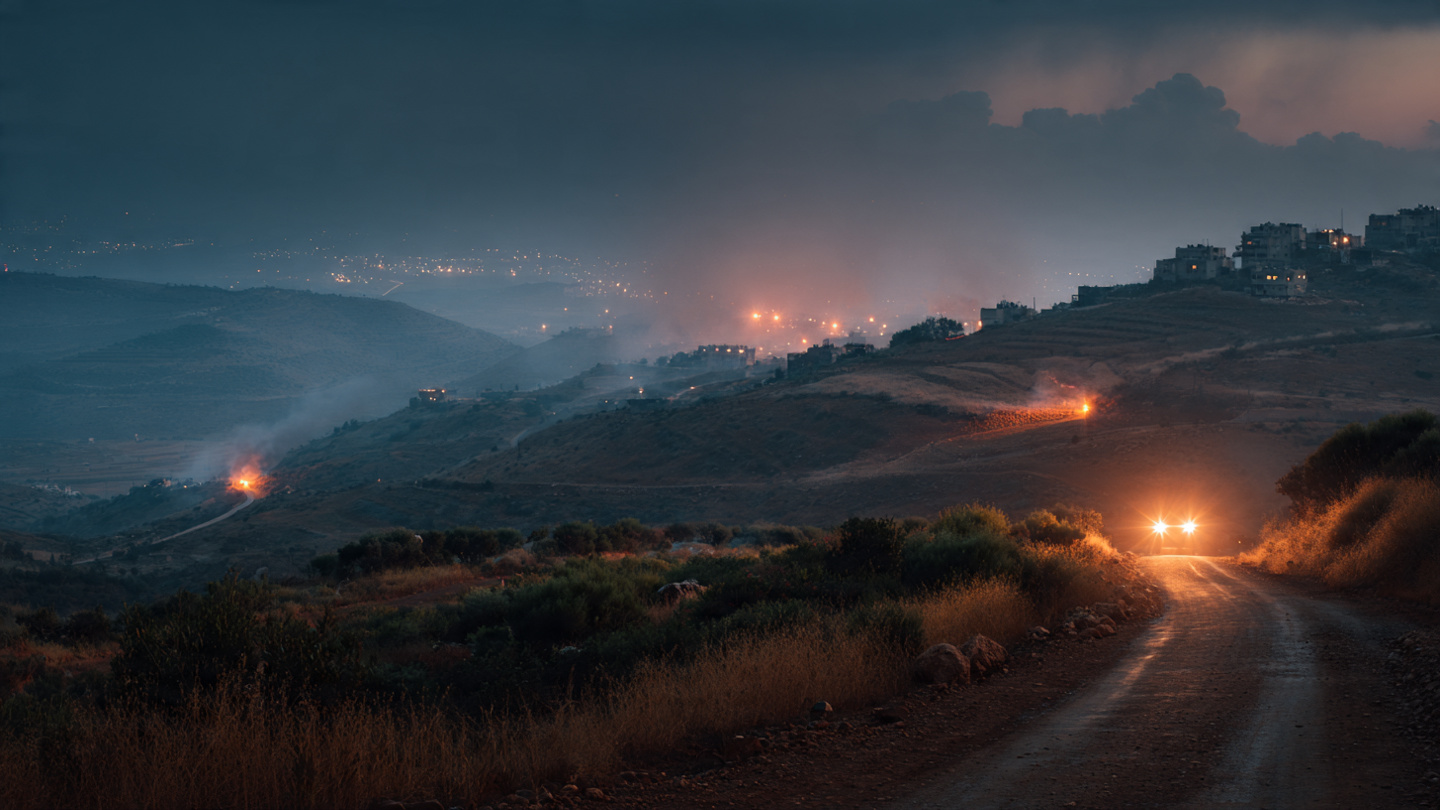
Israel’s operations in southern Lebanon appear driven by a mix of immediate military needs and broader strategic ambition. At the narrowest level, the goal is straightforward: reduce Hezbollah’s ability to threaten northern Israel. That means targeting launch sites, command structures, weapons stockpiles, surveillance positions, and fighters embedded near the border. But the deeper objective is bigger than tactical disruption. Israel wants to change the rules of engagement.
For years, Hezbollah’s presence near the border has been seen in Israel as an unacceptable long-term danger. The concern is not only rocket fire, but the possibility of coordinated raids, surprise attacks, or sustained attrition that keeps northern communities uninhabitable. Israeli planners appear to believe that periodic deterrence is no longer enough. Instead, they may be seeking a new security reality in which Hezbollah is pushed farther back, weakened operationally, and forced to think twice before opening another major front.
Military Aims and Political Pressures
Israeli leaders face intense internal pressure whenever border residents are displaced or regular rocket alerts disrupt daily life. In such an environment, merely absorbing attacks is politically costly. Military action in Lebanon therefore serves not only battlefield objectives, but domestic expectations of restored security. Israeli decision-makers know that the public judges success not by abstract strategic theory, but by a simple question: can families return home safely?
At the same time, Israel must avoid turning a limited campaign into an uncontrollable regional war. That creates a difficult balancing act. Too little force may leave Hezbollah emboldened. Too much force may trigger a wider confrontation involving Iran-backed groups across multiple theaters. This tension defines much of Israel’s strategy.
- Immediate goal: Degrade Hezbollah’s frontline capabilities in southern Lebanon.
- Operational goal: Deny the group freedom of movement and launch capacity near the border.
- Political goal: Reassure Israeli civilians that the north can be secured.
- Strategic goal: Reestablish deterrence against Iran’s regional network.
In my view, one of the most overlooked aspects of Israel’s calculation is time. Military campaigns are often judged by territory gained or weapons destroyed, but what leaders are really trying to control is the timeline of risk. If Israeli commanders believe Hezbollah’s capabilities will become even harder to contain later, then acting now may seem preferable despite the enormous dangers. Whether that judgment proves correct is another matter entirely.
Hezbollah’s Calculus: Resistance, Survival, and Messaging
Hezbollah does not enter this confrontation as a conventional army defending traditional state borders. It operates as a hybrid force: part militia, part political movement, part regional deterrence arm aligned with Iran. That gives it both flexibility and constraints. On one hand, Hezbollah can absorb local losses while continuing to project defiance. On the other, it must protect its standing inside Lebanon and avoid total devastation that could alienate supporters or shatter its infrastructure.
For Hezbollah, the current conflict is about more than immediate battlefield outcomes. It is about maintaining the image of armed resistance, preserving deterrence against Israel, and demonstrating that pressure on one part of the Iran-aligned regional axis will not go unanswered. Even if Hezbollah does not seek an all-out war, it has powerful reasons to show that Israeli military incursions carry a price.
Why Hezbollah May Escalate Carefully
Hezbollah’s leadership knows that a full-scale war could inflict catastrophic damage on Lebanon, where state institutions are weak and the economy remains in crisis. Yet restraint also carries risks. If the group appears passive while Israel strikes deep into southern Lebanon, it could weaken Hezbollah’s narrative of strength and deterrence. As a result, the most likely pattern is calibrated escalation: enough firepower to signal resilience, but not necessarily enough to trigger the maximum possible response.
That said, wars are full of miscalculations. A successful strike, a mass casualty event, or an attack on symbolic leadership targets could rapidly erase the line between controlled escalation and open war.
- Hezbollah’s priority: Preserve deterrence without inviting total destruction.
- Key asset: Its ability to sustain pressure through dispersed rocket and missile operations.
- Main risk: Losing domestic legitimacy if Lebanon bears overwhelming costs.
- Regional factor: Its role is closely tied to Iran’s broader strategic messaging.
A useful real-world example is the logic of brinkmanship in other conflicts: both sides push just far enough to improve their position while hoping the other side remains rational. The problem, of course, is that war is not a laboratory. Intelligence errors, emotional leadership decisions, and public outrage can make even carefully managed escalation spiral out of control.
The Iran Connection and the Risk of a Wider Regional Conflict
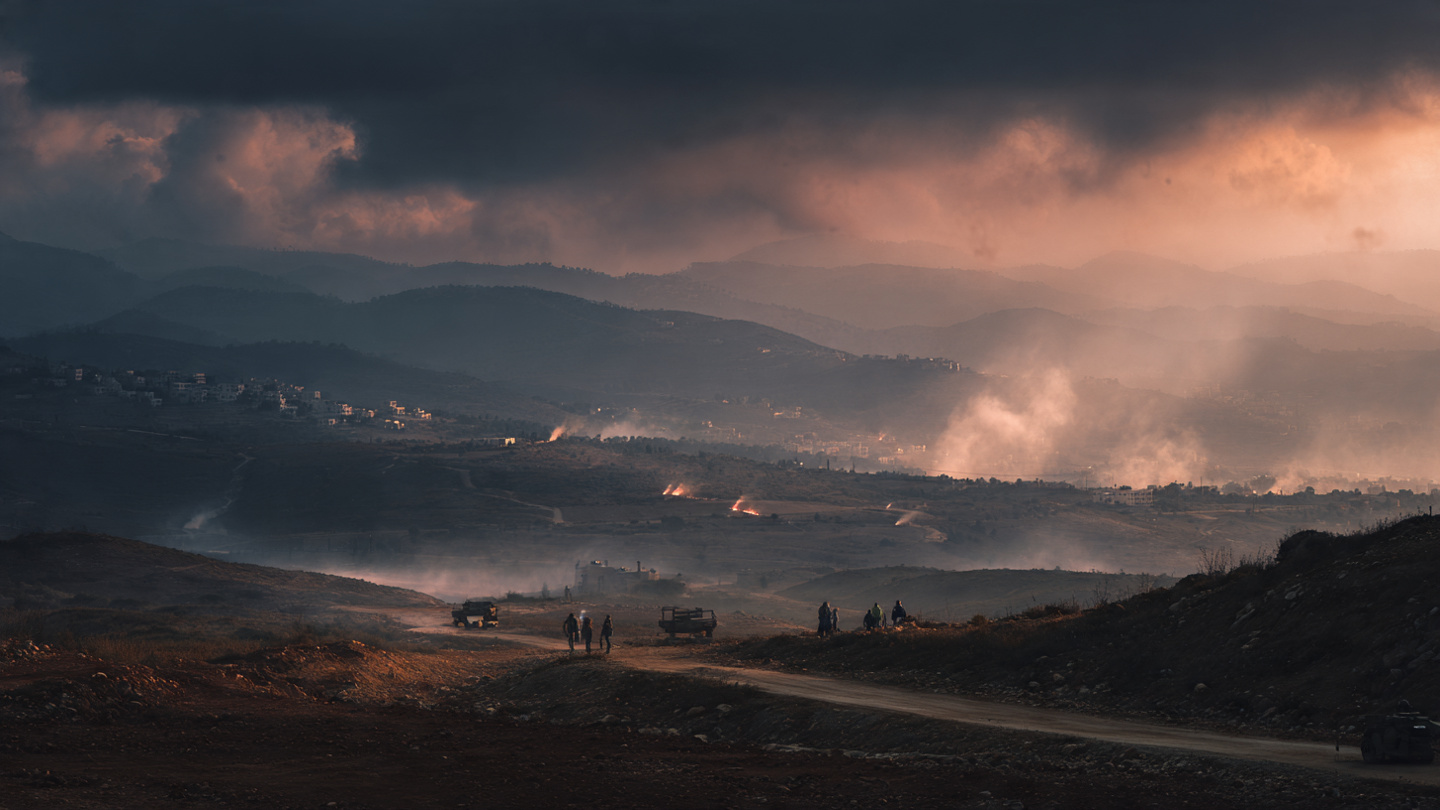
No serious analysis of the Israel-Hezbollah conflict is complete without understanding Iran’s role. Hezbollah is widely seen as Iran’s most capable non-state partner in the region, and its military power forms part of Tehran’s broader deterrence architecture. That does not mean Iran controls every tactical move, but it does mean the Lebanon front cannot be separated from the larger struggle between Israel and Iran.
When missiles fly between Israel and Iran or when tensions spike elsewhere in the region, southern Lebanon becomes part of a broader message exchange. Hezbollah can pressure Israel without Iran firing directly. Israel can strike Hezbollah to signal that pressure from Iran-backed actors will not go unanswered. This is why the Lebanon war has implications far beyond the border.
The risks of regional spillover are serious:
- Multiple fronts: Fighting in Lebanon could coincide with attacks from other Iran-backed groups.
- Global diplomacy: The United States and European powers may be pulled deeper into crisis management.
- Energy markets: Wider instability in the Middle East can disrupt investor confidence and oil price expectations.
- Humanitarian fallout: Expanded war would increase displacement, infrastructure damage, and civilian casualties.
From a strategic standpoint, Iran benefits when Israel is forced to divide attention and resources across several arenas. Israel, in turn, seeks to prevent a ring of hostile forces from becoming normalized around its borders. That is the deeper chessboard. Southern Lebanon is one square on it, but an exceptionally important one.
The Human Cost Behind the Security Debate
It is easy to talk about deterrence, force posture, missile ranges, and escalation ladders. It is much harder to confront what prolonged fighting actually does to people. In northern Israel, families endure evacuation, business closures, school disruption, and the emotional exhaustion of living under threat. In southern Lebanon, the costs are often even harsher: damaged homes, shattered infrastructure, interrupted medical services, and communities trapped between armed actors and aerial bombardment.
This matters because civilian suffering shapes political outcomes. A conflict that drags on without a clear end state deepens anger, fear, and radicalization. It also narrows the political space for compromise. Leaders on all sides become more accountable to trauma and grief than to strategic flexibility.
As someone looking at this from the standpoint of long-term stability, I find this the most sobering part of the conflict. Tactical successes can look impressive in military briefings, yet they often fail to answer the most important question: what kind of political reality remains when the guns quiet down? If southern Lebanon is devastated, if northern Israel remains insecure, and if diplomacy lags behind battlefield momentum, then both sides may win moments while losing the future.
What Happens Next? Scenarios to Watch
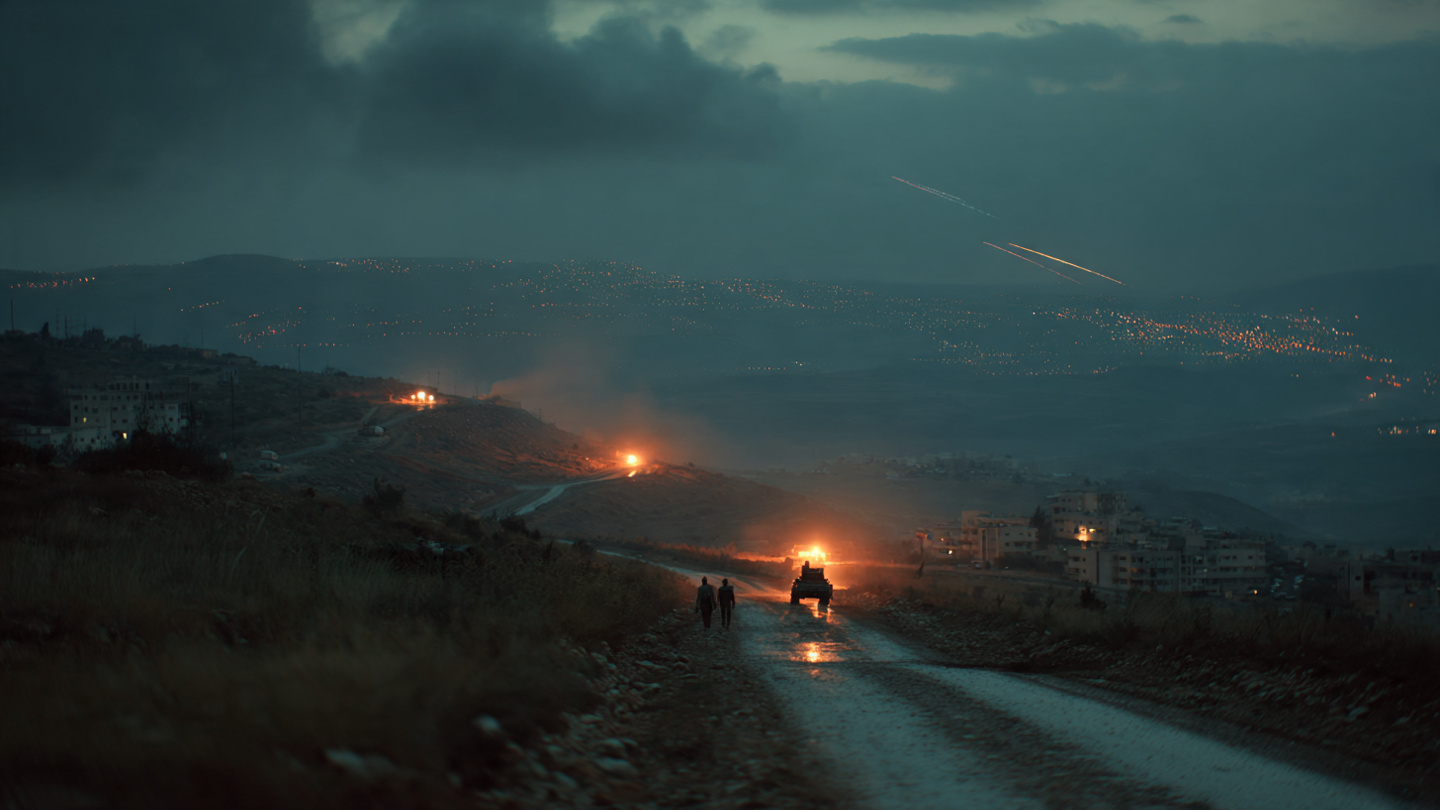
The immediate future of the Lebanon war depends on whether the current campaign remains limited or tips into a broader confrontation. Several plausible scenarios are now in play, each carrying different implications for regional security.
Scenario 1: Prolonged Limited Conflict
This is perhaps the most likely near-term outcome. Israel continues targeted operations in southern Lebanon, Hezbollah continues retaliatory strikes, and both sides try to avoid the threshold of full war. This produces ongoing instability, periodic spikes in violence, and sustained civilian displacement.
Scenario 2: Sharp Escalation into Full-Scale War
A major casualty event, leadership assassination, or misread signal could trigger a wider war. In that case, Israel and Hezbollah would likely unleash much greater firepower, with severe consequences for Lebanon and serious risk of regional involvement.
Scenario 3: Diplomatic De-escalation with a New Security Arrangement
External mediation could produce an arrangement that reduces Hezbollah’s visible presence near the border and allows partial civilian returns. But any such deal would require enforcement credibility, which has historically been difficult to maintain.
- Watch border displacement trends: They reveal whether both sides believe civilians can return safely.
- Watch strike depth: Deeper attacks often signal expanding objectives.
- Watch Iran’s messaging: Public rhetoric can hint at whether escalation is being encouraged or restrained.
- Watch diplomacy: Quiet negotiations may matter more than public statements.
For readers trying to make sense of daily developments, one practical rule helps: do not focus only on spectacular strikes. Pay attention to patterns. Are attacks becoming more frequent? Are they moving deeper? Are leaders changing their language from deterrence to decisive victory? Those shifts often tell us more than a single headline ever could.
Conclusion: Why Israel’s Other War Deserves Global Attention
The fighting in southern Lebanon is not a distraction from the wider Middle East crisis. It is one of its most dangerous and revealing fronts. The Israel-Hezbollah conflict combines border insecurity, proxy warfare, domestic political pressure, regional power competition, and immense humanitarian risk. It exposes how fragile deterrence has become and how quickly local military moves can reshape the strategic map.
If Israel seeks lasting security in the north, military force alone is unlikely to provide it. If Hezbollah wants to preserve its status without devastating Lebanon further, calibrated resistance may eventually hit its limits. And if outside powers hope to prevent a larger regional war, they will have to treat southern Lebanon not as a secondary issue but as a core diplomatic priority.
The coming weeks and months may determine whether this remains a grinding border conflict or expands into something far more destructive. Anyone following the Middle East should keep a close eye on this front, question simplistic narratives, and pay attention to both the battlefield and the people trapped within it. Understanding the Lebanon war today is essential to understanding where the region may be headed tomorrow.
If you want deeper analysis on regional conflict, security trends, and the forces reshaping the Middle East, stay engaged, follow developments critically, and return for ongoing coverage that puts daily headlines into real strategic context.


