War is often explained through maps, military statements, and carefully chosen language. But the reality of any strike is measured in shattered walls, burned classrooms, broken routines, and families left searching for answers. When a U.S. missile strike in Iran reportedly hit a sports hall and a school near a military compound, the incident did more than raise tactical questions. It triggered a much deeper debate about civilian harm, accountability, the use of advanced weapons, and the widening gap between official narratives and visible evidence on the ground.
This is why incidents like this matter far beyond a single date or location. They expose the messy truth about modern warfare: even when military planners pursue what they describe as precise objectives, the consequences can spill into civilian spaces with devastating force. That is not an abstract policy problem. It is a human problem, a legal problem, and a strategic problem all at once.
From a personal perspective, this is where coverage of conflict becomes most important. Numbers alone do not tell the whole story. What matters is understanding how a strike unfolds, what the evidence suggests, why weapons choice matters, and what it means when sites associated with everyday civilian life become part of a battlefield. That is where public scrutiny becomes essential.
The Strike and Why It Demands Attention
The reported strike took place near a military installation, yet the blast area appears to have included a sports hall and a school. That detail changes everything. In conflict reporting, proximity is often used as a defense. If a civilian structure is near a military site, some argue its damage is unfortunate but unsurprising. Yet international law and military ethics do not erase civilian protections simply because a school or public building stands near a legitimate target.
The central issue is not only whether a military objective existed. The issue is whether the force used was proportionate, whether planners understood the likely blast radius, whether the intelligence was reliable, and whether enough precautions were taken to avoid civilian harm. Those questions become even more urgent when analysts suggest the weapons involved were relatively new or not previously proven in combat conditions.
That combination creates a troubling picture: a strike aimed near a military compound, a civilian impact zone, and a weapon system facing fresh scrutiny. For military observers, that raises technical concerns. For civilians, it raises a simpler and more painful question: how can places linked to community life become casualties of precision warfare?
Why Civilian Sites Change the Meaning of the Event
A sports hall is more than a building. In many communities, it is a social anchor, a place for recreation, school activities, and local events. A school, of course, carries even deeper symbolic and practical value. It represents safety, continuity, and the future of a community. When these places are struck, even indirectly, the damage ripples outward in ways military briefings rarely capture.
Civilian infrastructure serves functions that continue long after an explosion ends. Children may lose access to classrooms. Families may fear returning to public spaces. Local trust in security claims can collapse overnight. That is why the distinction between military and civilian sites matters so intensely under international humanitarian law.
Even when commanders assert that their target was lawful, the visible outcome matters. A crater beside a school is not interpreted by local residents as a technical success. It is experienced as trauma, uncertainty, and a warning that ordinary life can disappear in seconds.
- Physical damage can destroy buildings, roads, and nearby utilities.
- Psychological impact can linger for years, especially among children and families.
- Educational disruption can affect attendance, staffing, and community stability.
- Public trust erosion can deepen hostility toward military actors and their stated goals.
- Strategic backlash can turn a limited strike into a wider political crisis.
Weapons Scrutiny: Why the Missile Itself Matters
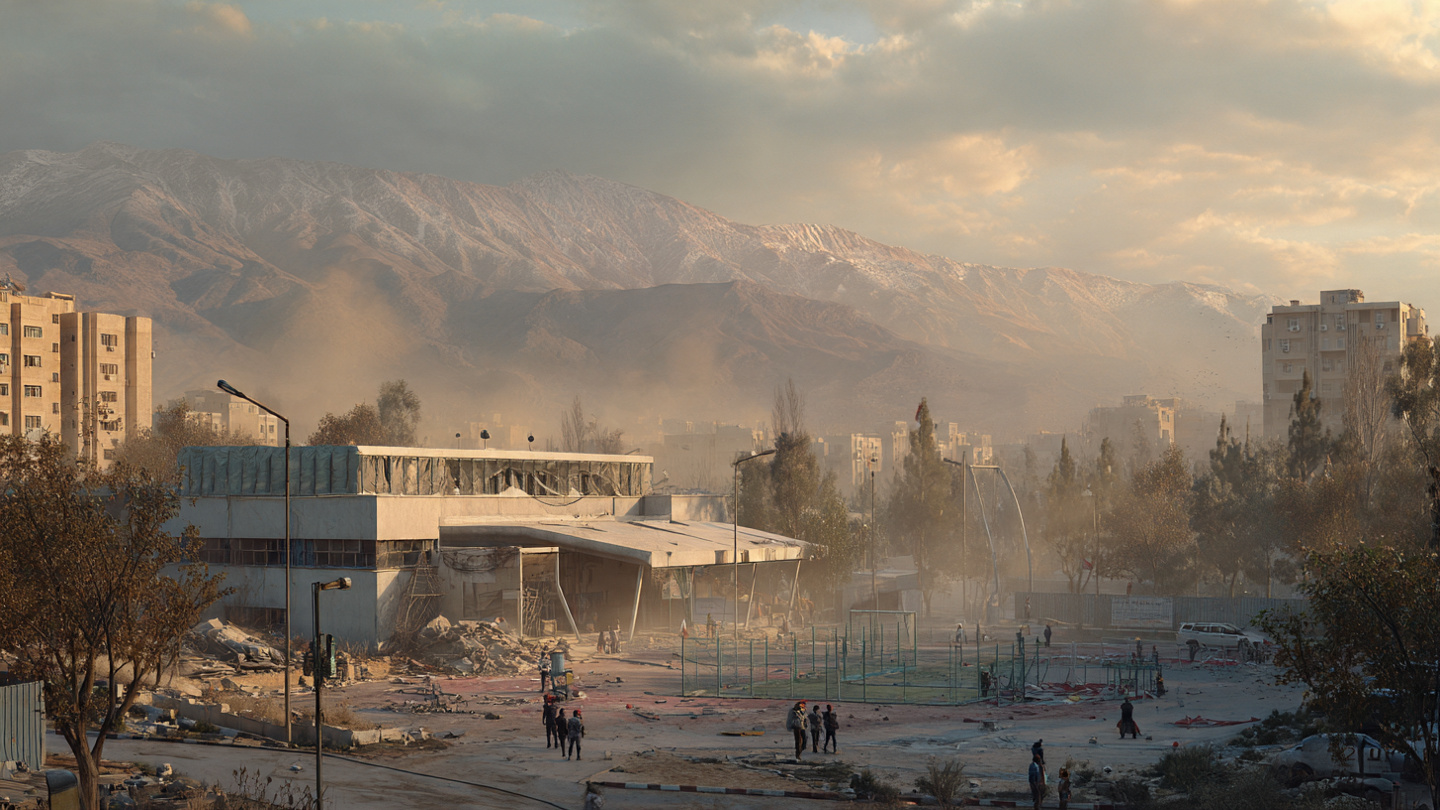
One of the most serious dimensions of this case is the reported use of a missile system that had not been widely tested in combat. On paper, new precision weapons are often marketed as improvements over older systems. They promise better guidance, lower collateral damage, and more efficient battlefield performance. In practice, combat introduces variables that testing environments cannot fully reproduce.
Weather, urban density, target movement, intelligence errors, guidance failure, and misjudged blast effects all shape the outcome. A weapon that appears highly accurate in controlled conditions may perform differently when deployed near mixed-use areas containing military assets and civilian buildings.
That matters because precision-guided munitions are frequently presented to the public as tools that reduce human suffering. When a strike involving such a weapon appears to hit a school or sports hall, the credibility of that claim weakens. Precision is not just about where a missile lands. It is about whether the entire operation was designed with enough care to prevent foreseeable civilian damage.
There is also a broader strategic point here. The use of newer weapons can reflect confidence, urgency, or an effort to demonstrate military capability. But if those systems become associated with visible civilian harm, the political cost can quickly outweigh any tactical gain. States do not fight only with force; they also fight for legitimacy. Civilian casualties erode that legitimacy fast.
The Difference Between Technical Precision and Human Safety
A missile can technically strike near its intended coordinates and still produce a disastrous outcome. This is one of the biggest misunderstandings in public discussions of airstrikes and missile attacks. A weapon may function exactly as designed, yet still be inappropriate for the location, timing, or surrounding environment.
Consider a practical example. Imagine a military storage site positioned close to a school complex in a dense area. A planner may view the military target as lawful. But if the strike uses a warhead powerful enough to damage adjacent public buildings, the operation cannot be judged solely by navigation accuracy. The real measure is whether decision-makers anticipated the risk and accepted too much civilian danger.
That is why weapon assessments must go beyond manufacturer claims or official talking points. They must include blast patterns, structural damage, fragmentation risks, intelligence quality, and the civilian context around the target.
Visual Evidence and the Growing Role of Open-Source Analysis
Modern conflict is increasingly documented by satellite imagery, social media uploads, geolocated videos, photographs of debris, crater analysis, and independent weapons experts. This has transformed how the public understands military operations. Governments still control classified intelligence, but they no longer control the entire story.
Open-source investigation has become a powerful tool for examining disputed strikes. Analysts can compare visible damage with known missile signatures, identify likely angles of impact, trace debris fragments, and verify whether civilian buildings were within the affected radius. This does not replace formal investigations, but it creates pressure for transparency.
In cases involving disputed battlefield claims, visual evidence often becomes the first reality check. If official statements suggest a clean strike on a military objective, but photographs show severe damage to nearby civilian structures, the contradiction demands explanation. Public trust depends on that explanation being credible, timely, and detailed.
From my perspective, this is one of the most important changes in conflict reporting over the last decade. The old model depended heavily on official briefings. Today, digital evidence often arrives first, and experts across borders can examine it almost in real time. That does not eliminate propaganda or uncertainty, but it makes it much harder to bury uncomfortable facts.
- Satellite imagery helps establish the strike location and surrounding structures.
- Debris analysis can indicate the type of munition used.
- Blast pattern review helps assess direction, force, and likely point of impact.
- Geolocation methods confirm whether civilian sites were in the strike zone.
- Timeline reconstruction can connect witness accounts, visuals, and official claims.
Legal and Ethical Questions the Strike Raises
Any reported missile strike on civilian sites immediately raises legal questions tied to distinction, proportionality, and precaution. These are not symbolic standards. They are foundational principles in the law of armed conflict.
Distinction requires parties to distinguish between military objectives and civilian objects. Proportionality prohibits attacks expected to cause excessive civilian harm relative to the anticipated military advantage. Precaution requires feasible steps to minimize civilian impact.
If a strike damages a school and sports facility near a military site, legal analysis turns on details such as the intended target, expected blast effects, available intelligence, and whether another method or timing could have reduced risk. Without transparency, those answers remain incomplete. But the visible facts alone can still justify public concern and independent review.
There is also an ethical layer that goes beyond legal thresholds. Not every action that can be justified in narrow military terms is wise, defensible, or sustainable in political terms. Democracies especially depend on public confidence that force is used carefully, lawfully, and only when necessary. When civilian spaces are hit, that confidence weakens.
The Strategic Cost of Civilian Harm
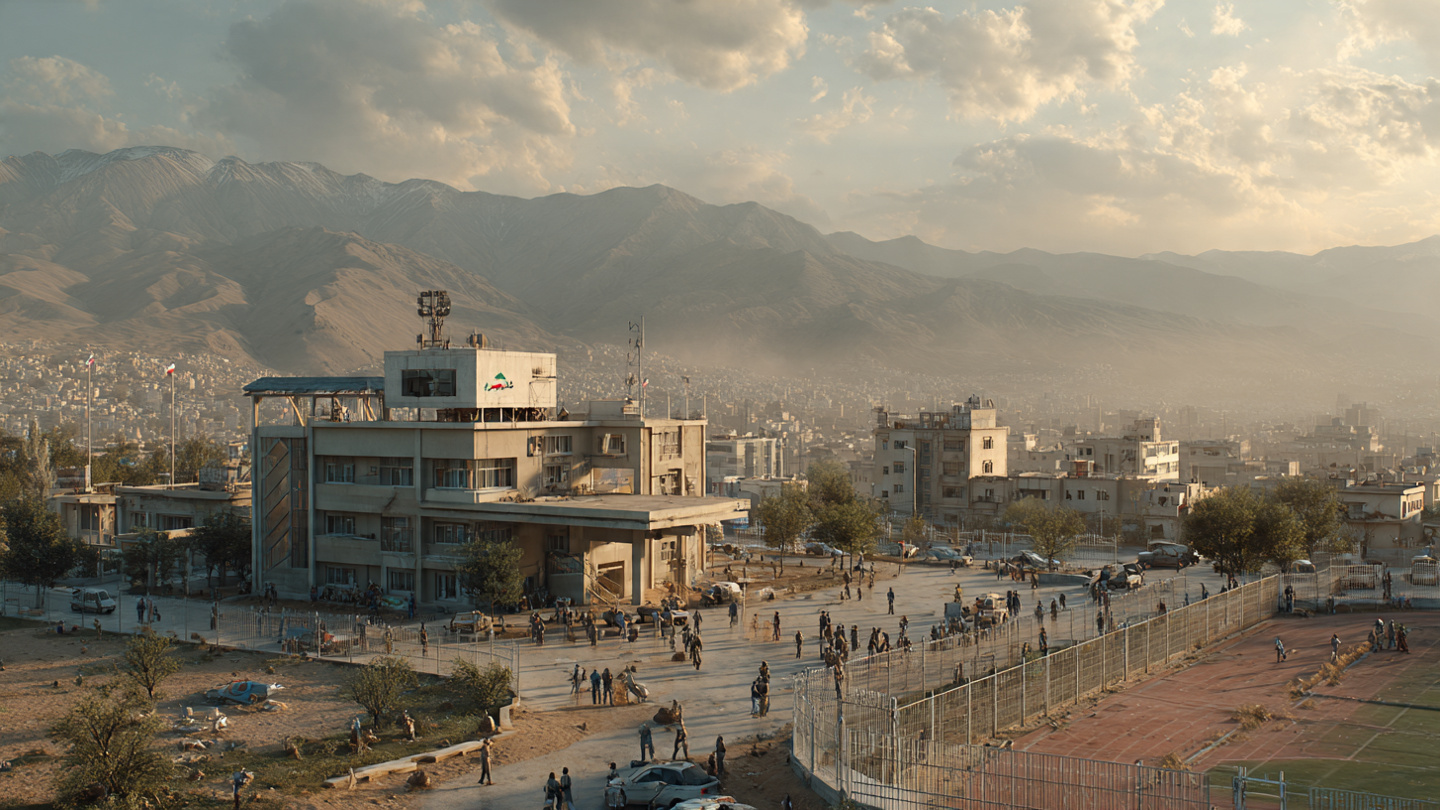
Even measured purely through strategy, strikes that affect civilian areas can backfire. Military planners may focus on degrading enemy capability, but civilian casualties can create new cycles of anger, recruitment, and regional instability. In that sense, civilian harm is not only a moral concern. It can undermine the mission itself.
History offers repeated examples of this pattern. An operation intended to project control instead generates outrage. A tactical success becomes a propaganda loss. Communities that might otherwise remain neutral become more hostile. International allies grow uneasy. Rival states use the incident to challenge legitimacy. The result is a broader strategic setback.
That is especially true in a region as politically sensitive as the Middle East, where every strike is interpreted not just locally, but through wider geopolitical rivalries. The fallout can influence diplomacy, military deterrence, public opinion, and the risk of escalation.
Why Perception Shapes the Battlefield
In modern conflict, what people believe happened can matter almost as much as what happened in strict operational terms. If communities see civilian buildings damaged and hear only vague official explanations, many will conclude that civilian life was treated as expendable. That perception can linger long after military planners move on to the next target set.
This is why transparent investigations matter. They are not public relations exercises. They are part of conflict accountability. If states want credibility when they claim to use force responsibly, they must be willing to explain the evidence, the decision-making, and the aftermath.
What Accountability Should Look Like
Accountability is often discussed in broad moral language, but in practice it should be specific and verifiable. When a strike reportedly hits civilian structures near a military compound, a credible response should include a clear timeline, target rationale, weapon identification, battle damage assessment, and an explanation of expected versus actual effects.
Where civilian casualties or civilian property damage are possible, authorities should support independent review rather than resist it. That includes preserving evidence, engaging technical experts, and acknowledging uncertainty where facts remain disputed. Defensive silence usually deepens suspicion.
A serious accountability process should involve:
- Transparent fact-finding on the target, the weapon, and the damage pattern.
- Independent expert review of munition effects and strike legality.
- Civilian harm assessment that includes local testimony and structural damage.
- Public communication that addresses contradictions instead of avoiding them.
- Policy correction if operational failures or flawed assumptions are identified.
These steps are not signs of weakness. They are signs of seriousness. If modern militaries claim precision, they must also accept scrutiny when precision appears to fail.
Why This Story Resonates Beyond One Incident
This incident matters because it reflects a broader reality of contemporary warfare: the line between military space and civilian space is increasingly fragile. Urban environments, dual-use areas, and dense infrastructure make the promise of clean, controlled force far harder to deliver than political messaging suggests.
It also speaks to a deeper public hunger for truth. People no longer accept simple labels like surgical strike or collateral damage without asking harder questions. What was hit? Who was nearby? What weapon was used? What precautions were taken? Was the outcome foreseeable? Those questions are not anti-military. They are essential to democratic oversight and human dignity.
For readers trying to make sense of complex conflicts, the lesson is simple: always look beyond the headline claim. A strike is never just a strike. It is a chain of decisions, assumptions, technologies, and consequences. And when that chain ends at a school or sports hall, the burden of explanation becomes far heavier.
Conclusion
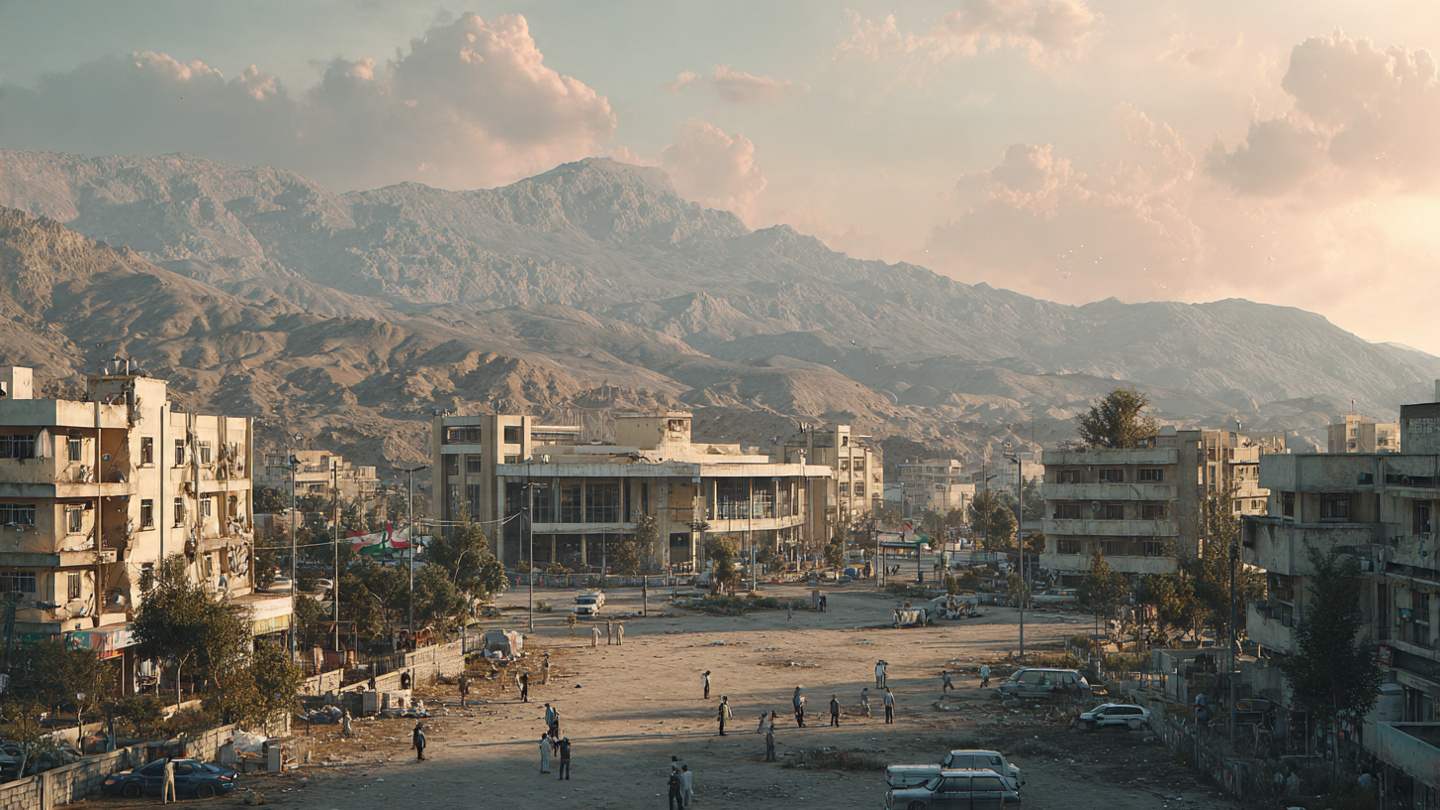
The reported U.S. missile strike in Iran has become more than a military event. It is a test of how modern states justify force, how new weapons are scrutinized, and how seriously civilian protection is treated when military objectives are nearby. If a sports hall and school were hit in the course of an operation near a military compound, then the debate cannot end with official intent. It must include outcome, accountability, and the lived reality of those affected.
That is the uncomfortable truth at the center of this story: precision warfare still produces human wreckage, and civilian harm remains one of the clearest measures of whether military power is being used responsibly. Real credibility comes not from insisting a strike was justified, but from proving that every feasible step was taken to prevent exactly this kind of result.
If you care about civilian harm in conflict, military accountability, and the hidden realities behind modern air and missile strikes, keep following evidence-based reporting, support transparent investigations, and demand answers that are as precise as the weapons governments claim to use.


