Hook: In a small town, news never stays abstract for long. It lands at the bakery counter, lingers outside the post office, and follows families home after dark. When a violent crime sparks a prolonged police operation, the story is not only about the person being hunted. It is also about the people left behind to absorb the shock, manage the fear, and keep everyday life moving. In Porepunkah, a picturesque town in Victoria’s Alpine region, that burden has been especially heavy. What should have remained known for mountain views, river days, and a tight-knit local spirit instead became associated with tragedy, police presence, and a seven-month manhunt that gripped the country.
The emotional reality for residents has been far more complicated than a single headline can capture. There has been shock at the scale of violence, sadness for lives lost and a community changed, and finally relief that an exhausting chapter appears to have closed. Yet relief does not erase what came before. The long aftermath of a manhunt affects trust, local identity, mental wellbeing, and the way outsiders see a place. To understand what this period has meant for Porepunkah, it is necessary to look beyond the crime itself and focus on the social, emotional, and practical consequences for the people who call the town home.
How a Quiet Regional Town Became a National Focus
Porepunkah is the kind of place many Australians associate with escape. Nestled near Bright in northeast Victoria, it is known for natural beauty, tourism, and community familiarity. In towns like this, people often know one another by name or at least by routine. They know who opens early, who needs help during fire season, and whose children catch the bus together. That closeness is usually a strength. During a public crisis, however, it can become emotionally demanding.
As the police hunt stretched across months, Porepunkah found itself repeatedly named in media reports and public discussion. The effect was immediate. The town’s image shifted from scenic destination to crime reference point. For residents, that kind of attention can feel deeply unfair. A whole community becomes condensed into a label tied to violence, even though most people had no involvement in the events that drew attention there in the first place.
This is one of the least understood consequences of a high-profile criminal case in a small community. The place itself becomes part of the story. Every new development revives the association. Visitors ask questions. Local businesses field awkward conversations. Families worry about how their town will be remembered years later. In practical terms, that can affect tourism, community morale, and the sense of safety people once took for granted.
The burden of unwanted attention
- Constant scrutiny: Residents can feel watched, judged, or defined by events they did not cause.
- Reputation damage: A town known for lifestyle and tourism may suddenly be linked with violence and fear.
- Emotional repetition: Each fresh report can reopen grief and anxiety.
- Social strain: Rumours, speculation, and public commentary often place pressure on local relationships.
For people outside the region, a manhunt may read like a developing news story. For those inside it, the impact is more intimate. It alters how ordinary life feels. A drive down a familiar road, the sight of police vehicles, or the mention of a nearby property can all take on new meaning when a town becomes the centre of a national security concern.
Shock: The First and Deepest Community Wound
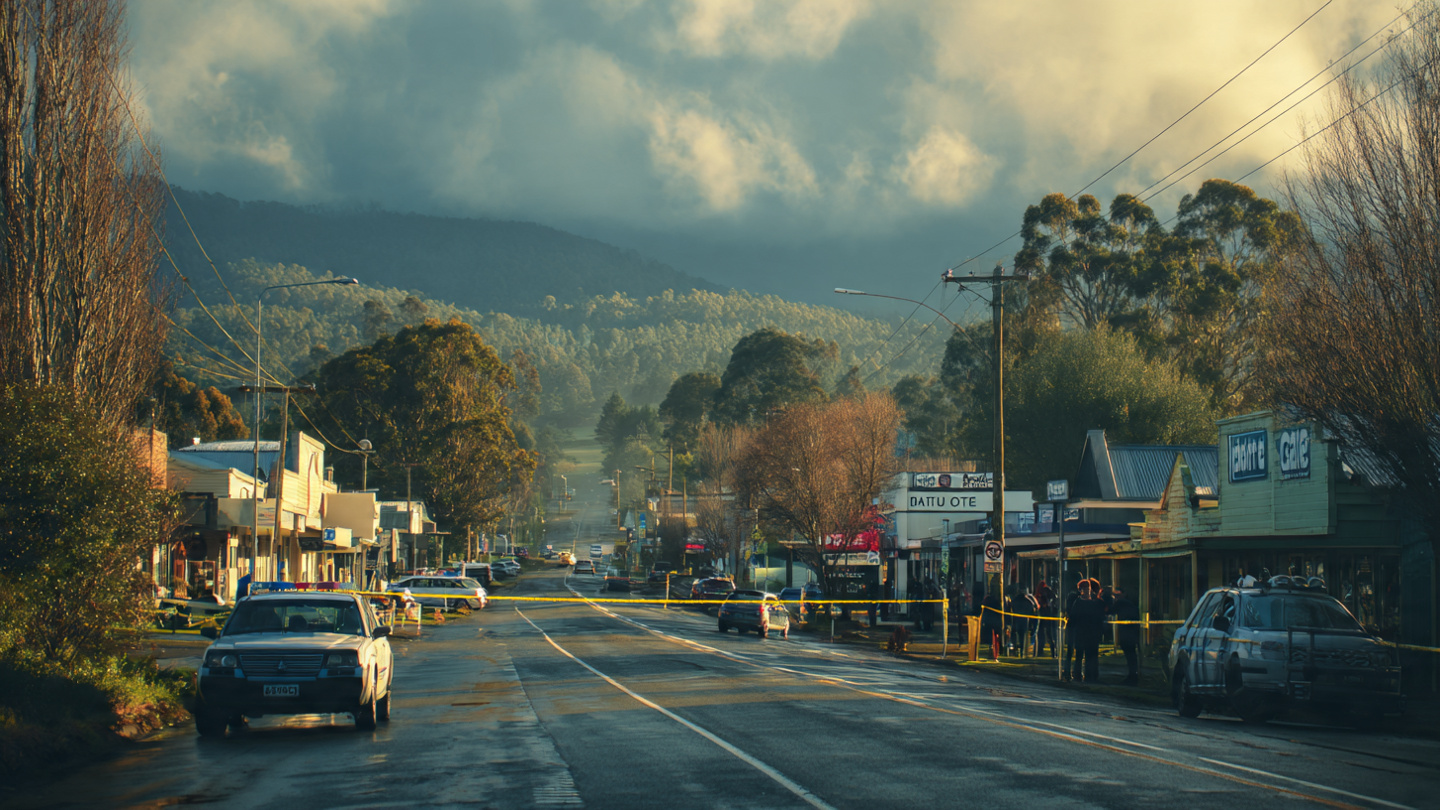
The first emotional response in a case like this is usually disbelief. In a close regional community, violent crime is not merely disturbing because it is serious. It is disturbing because it feels personal. Even residents with no direct connection to those involved often describe the experience as surreal. The gap between the peaceful identity of the town and the severity of the event creates a kind of psychological rupture.
Shock also tends to spread in layers. First comes the immediate reaction to what happened. Then comes the realization that the story is not ending quickly. When a suspect remains at large for an extended period, the initial trauma changes shape. It becomes a sustained atmosphere. People move from processing a terrible event to living inside its unresolved consequences.
That matters because prolonged uncertainty is often harder to manage than a single crisis. A short emergency can trigger fear, but communities often rally around a clear beginning and end. A lengthy manhunt keeps the nervous system on alert. It interferes with closure. Parents become more cautious. Business owners worry about customer confidence. Neighbours become more vigilant, but also more emotionally tired.
In regional Australia, where community trust often forms the backbone of daily life, this kind of shock can be especially destabilizing. Residents may begin questioning assumptions they once held with confidence: Is this place still safe? Do we really know the people around us? How do we explain this to children? These are not abstract concerns. They shape how people sleep, travel, socialize, and think about the future.
What shock looks like in everyday life
Shock is not always dramatic. It often appears in small behavioural shifts that reveal a community trying to regain control:
- People double-check locks and outdoor lights.
- Locals pay closer attention to unfamiliar vehicles or unusual movement.
- Parents become more protective of children’s independence.
- Conversations repeatedly circle back to the same unresolved questions.
- Routine social confidence gives way to quiet caution.
These responses are understandable. They are the human side of a public event that statistics and timelines alone cannot describe.
Sadness: Grief Beyond the Headlines
If shock is immediate, sadness settles in more slowly and often lasts much longer. In a case tied to the deaths of police officers and a prolonged search, grief extends well beyond the families directly affected. Communities grieve in layers. They grieve the people lost, the fear that followed, and the innocence that disappeared with it.
There is also a less visible form of grief that takes hold in towns under prolonged national attention: grief for identity. Residents may mourn the fact that their home is now known for something painful. This is especially difficult in places where civic pride is tied to natural beauty, generosity, and a strong local network. Porepunkah has long been associated with regional charm and alpine appeal. To see that image replaced by crime-related headlines can feel like a second loss.
From a human perspective, sadness in this context is rarely neat. It may include sympathy for victims, compassion fatigue from months of updates, and exhaustion from explaining the situation to outsiders. People can feel sorrow and frustration at the same time. They may be grateful for police work while still resenting the disruption the investigation brought to local life.
This complexity deserves attention because public narratives often flatten community emotion into a single mood. In reality, residents of towns affected by major police investigations are balancing multiple emotional truths at once. They may be heartbroken, angry, resilient, tired, and proud of their community all in the same week.
Why sadness lingers after the search ends
- Loss remains real: The human cost of violence does not disappear when public attention moves on.
- Identity takes time to rebuild: Communities often spend years restoring how they see themselves and how others see them.
- Stress leaves a mark: Extended fear can affect mental health, social trust, and local confidence.
- Memory stays local: Even when national coverage fades, residents continue living with reminders.
Anyone who has lived in a small town after a major incident understands this pattern. The cameras leave before the emotional work is done.
Relief: The End of Uncertainty Matters
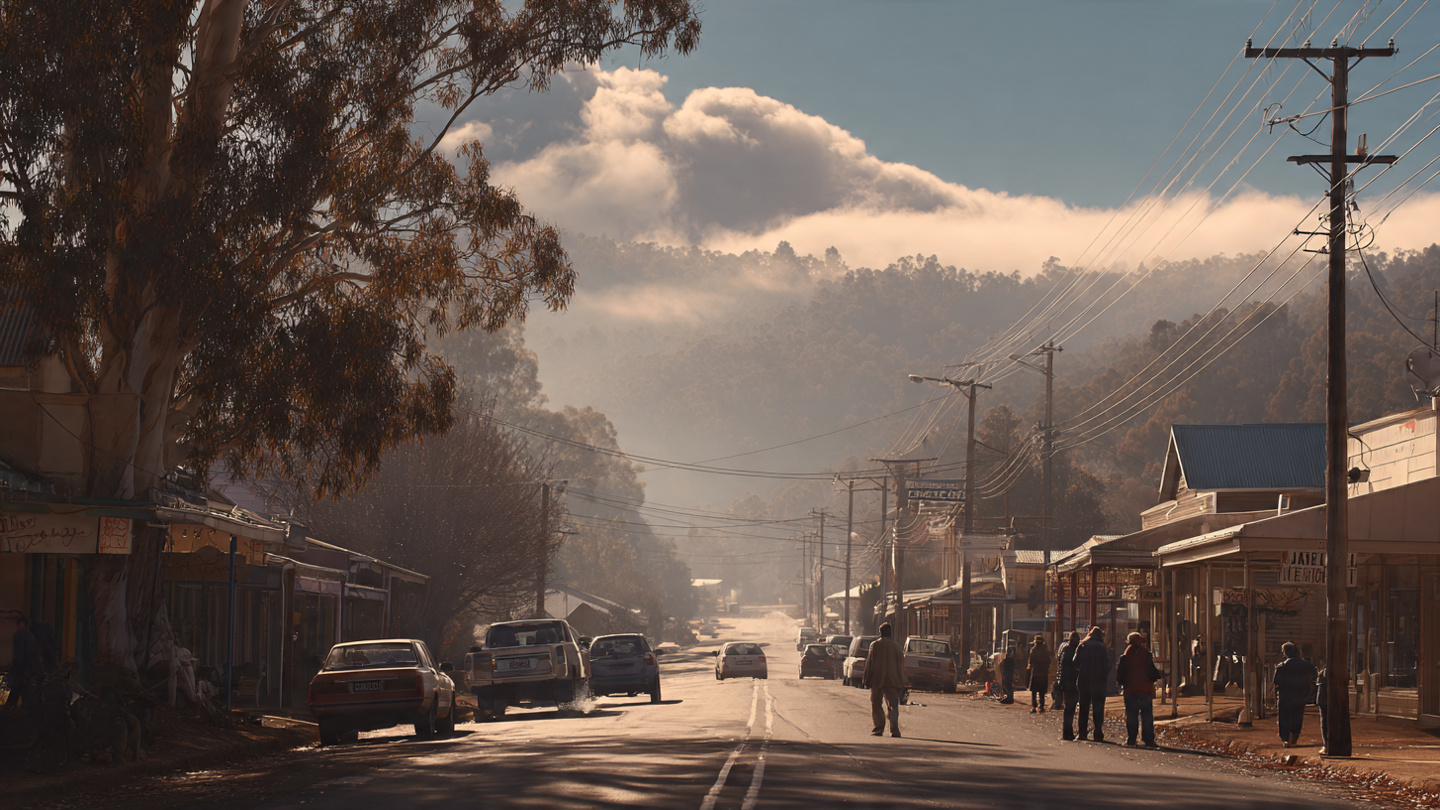
When a long manhunt reaches its conclusion, relief can be immediate and profound. That feeling is not a sign that the community has forgotten what happened. It is a sign that uncertainty, one of the most corrosive aspects of public fear, has finally loosened its grip. For months, residents may have lived with a background sense of tension that was difficult to articulate but impossible to ignore. Once that tension breaks, people often recognize just how much they had been carrying.
Relief is powerful because it restores the possibility of normal time. During a drawn-out police operation, life can feel suspended. People continue working, shopping, and attending school, but with a heightened awareness that something unresolved is hovering over the town. The end of the manhunt does not fix everything, but it allows recovery to become more than a vague hope.
Still, relief can coexist with discomfort. Some residents may feel emotionally drained rather than celebratory. Others may struggle with renewed media attention when the case reaches a turning point. In many communities, the end of a search brings practical calm but also a wave of reflection: what happened, what was lost, and what recovery should look like now.
This is where local leadership matters. Councils, schools, community groups, and small businesses all play a role in helping residents transition from crisis mode to a more stable future. Sometimes the most meaningful recovery actions are simple: public acknowledgment, support networks, clear communication, and space for people to talk without feeling sensationalized.
How a Long Manhunt Reshapes Community Life
The broader story here is not only about one town or one case. It is about how prolonged criminal investigations affect regional communities across Australia. The social impact tends to unfold across several areas at once, and understanding these effects can help explain why the emotional response in Porepunkah has been so layered.
1. Safety and perception
Even if the objective risk to residents changes over time, perceived risk often lasts longer. People become more alert, and that heightened vigilance can take months to ease. In small towns, where safety is often assumed rather than debated, that shift can feel deeply unsettling.
2. Local business and tourism
Towns in scenic regions depend heavily on reputation. Visitors are drawn by atmosphere as much as attractions. When a place becomes linked to a major crime story, the effect on local trade may not always be dramatic, but it can be meaningful. Business owners may notice awkward conversations, reduced spontaneity from visitors, or a need to reassure outsiders that the community remains welcoming and safe.
3. Mental health and emotional fatigue
Months of news alerts, police updates, and public speculation wear people down. Some residents may not describe themselves as traumatized, yet still experience stress symptoms such as poor sleep, irritability, distraction, or emotional numbness. Community recovery is stronger when this fatigue is recognized rather than dismissed.
4. Trust and social cohesion
Long police investigations can sharpen suspicion, even among communities that pride themselves on solidarity. Rumours spread quickly in small places. So do assumptions. Rebuilding a sense of ease requires patience, thoughtful communication, and sometimes a deliberate effort to put shared values back at the centre of public life.
5. Media relationships
Residents often develop mixed feelings about coverage. On one hand, serious reporting keeps the public informed. On the other, repeated attention can feel invasive or reductive. Communities want truth, but they also want dignity. That tension is common in high-profile cases, particularly when a town’s identity is at stake.
What Resilience Really Looks Like in a Town Like Porepunkah
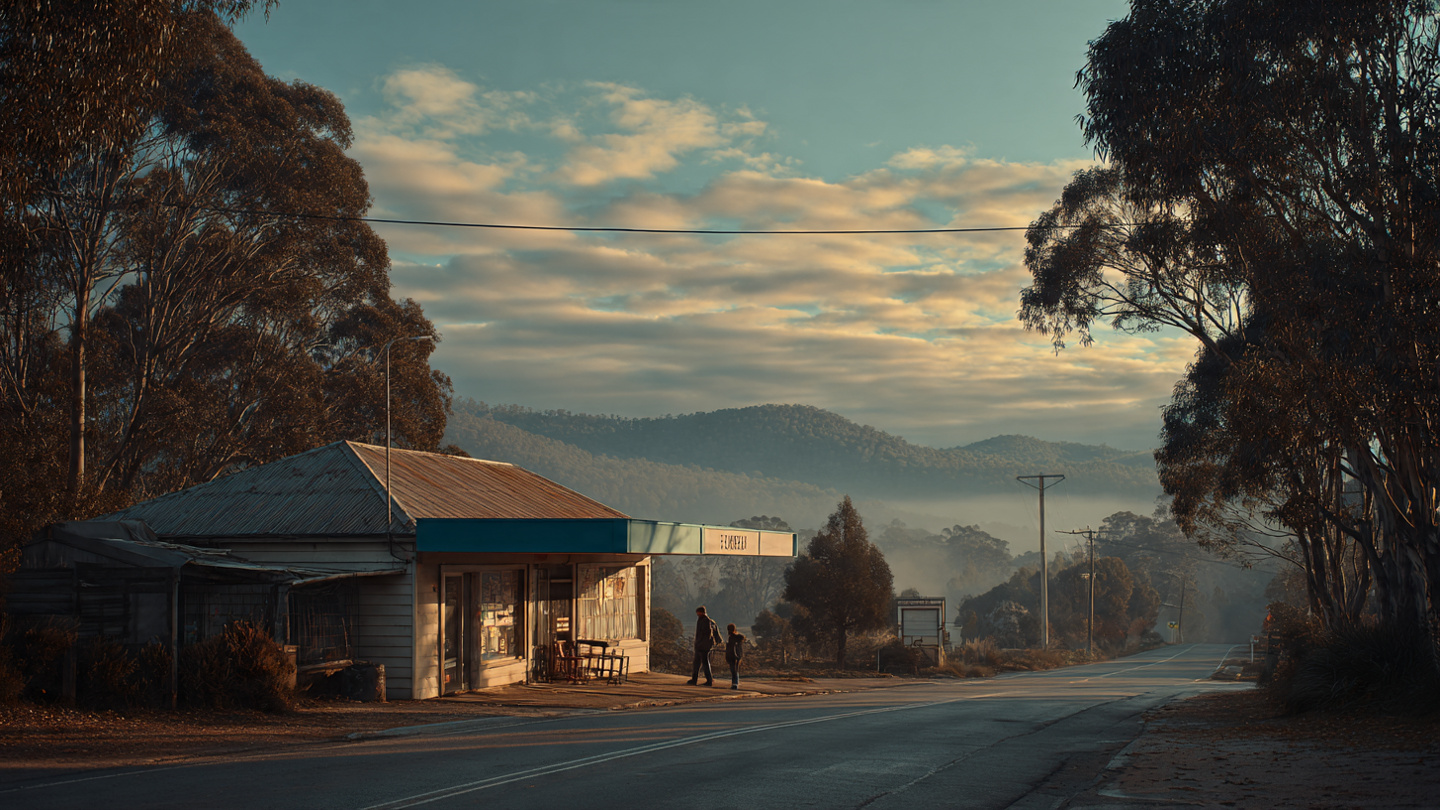
Resilience is often romanticized, especially in stories about regional Australia. It is easy to praise toughness from a distance. But real resilience is usually quieter and more practical. It looks like business owners opening on time even when the atmosphere feels heavy. It looks like neighbours checking in without pushing too hard. It looks like schools maintaining routine for children who need stability. It looks like volunteers, local leaders, and families deciding that a town will not be defined only by its worst chapter.
That kind of resilience deserves recognition because it is not automatic. Communities become resilient through action, not slogans. In towns affected by trauma, the strongest signals of recovery often include:
- Visible solidarity: residents support one another through everyday gestures, not only formal statements.
- Respectful remembrance: grief is acknowledged without allowing tragedy to dominate every public conversation.
- Restored routine: local events, schools, and businesses help rebuild confidence through consistency.
- Honest dialogue: people are allowed to express fear, anger, and exhaustion without judgment.
- Future focus: community identity is actively rebuilt around shared strengths rather than a single traumatic event.
From a personal perspective, this is often what makes small towns remarkable. They do not recover because they are untouched by pain. They recover because people keep showing up for one another while carrying it.
Lessons for Other Communities Facing Public Trauma
Porepunkah’s experience offers lessons that reach beyond Victoria. Any town confronted with a high-profile crime, extended investigation, or sudden media spotlight can learn from the emotional pattern that follows: shock, sadness, relief, and then the longer work of rebuilding.
There are practical steps communities can take to reduce harm and strengthen recovery:
- Prioritize clear, trustworthy information to reduce rumours and panic.
- Support local businesses whose reputation may be affected by negative publicity.
- Make mental health support visible, accessible, and stigma-free.
- Give residents space to tell their own story rather than letting outsiders define the town.
- Balance remembrance with renewal so the community can move forward with integrity.
These steps matter because public crises can distort how a place sees itself. Recovery is not just about the end of danger. It is about restoring confidence, dignity, and belonging.
Conclusion: More Than the Story People Think They Know
Porepunkah’s place in the national conversation has been shaped by a tragic and prolonged manhunt, but the deeper story is about community impact. It is about what happens when a quiet regional town is pulled into a cycle of fear, grief, and relentless attention. The emotional arc of shock, sadness, and relief is real, but it is only part of the picture. The fuller truth is that recovery takes time, identity can be wounded, and resilience often appears in ordinary acts that never make the news.
For readers trying to understand the human side of the Porepunkah manhunt, the key point is simple: places are more than their darkest headlines. Towns carry memory, but they also carry endurance. And when the spotlight finally fades, what remains is not just the crime that drew attention, but the people who must continue living, grieving, rebuilding, and protecting the spirit of where they live.
Call to action: If stories like this matter to you, pay attention not only to breaking developments but also to what communities need after the cameras move on. Support responsible reporting, back regional businesses when travel returns, and make space for conversations about trauma, resilience, and recovery in rural Australia. That is how public attention becomes something more useful than spectacle. It becomes understanding.


