Public holidays are supposed to tell us who we are. They mark the people, values, and struggles a society chooses to honor in public view. That is why the decision to replace Cesar Chavez Day with Farmworkers Day in California has landed with such force. This is not only a change in language. It is a deeper argument about history, moral accountability, labor rights, and the way communities remember complicated leaders.
For decades, Chavez stood as one of the most recognized faces of farmworker organizing in the United States. His image appeared in classrooms, murals, marches, and political speeches. But public memory is changing. Sexual abuse allegations and renewed scrutiny of his conduct have pushed activists, survivors, lawmakers, and labor advocates to reconsider whether one person should remain the centerpiece of a holiday that is meant to represent a much broader struggle.
In my view, this shift matters because it reflects a healthier public instinct: the willingness to honor the movement without ignoring harm. A mature society does not erase history, but it also does not freeze it. When new facts, long-muted voices, or overlooked workers come into focus, public recognition should evolve too.
The move from Cesar Chavez Day to Farmworkers Day invites a larger conversation that reaches far beyond California. Who gets remembered? Who gets protected? And what happens when a symbol of justice is accused of causing harm himself?
The Meaning Behind the Name Change
Renaming a holiday is never a minor act. Public holidays shape school lessons, city ceremonies, media coverage, and civic identity. In practical terms, a name change alters how future generations understand a movement. In symbolic terms, it tells the public that the story is bigger than any one leader.
Supporters of Farmworkers Day argue that this broader framing is overdue. Farm labor rights were never built by a single person. They were built by organizers, field workers, families, women who held communities together, migrants who risked retaliation, and laborers whose names never made it into textbooks. A day centered on farmworkers themselves can recognize that collective sacrifice more honestly.
There is also a moral dimension. When abuse allegations surround a public figure, institutions have to decide whether commemoration remains appropriate. That question is especially urgent when the honored figure represents justice, dignity, and protection for vulnerable people. If there is credible reason to believe that harm occurred, continuing to elevate a single icon can feel, to many survivors and advocates, like a betrayal of the values the holiday claims to celebrate.
- Symbolic shift: the focus moves from one historical figure to an entire labor movement.
- Moral recalibration: public honors are being reassessed in light of abuse claims and accountability concerns.
- Historical expansion: the new name creates room to recognize overlooked organizers and workers.
- Civic impact: schools, local governments, and communities will likely frame the holiday differently.
Why Cesar Chavez Remains So Influential
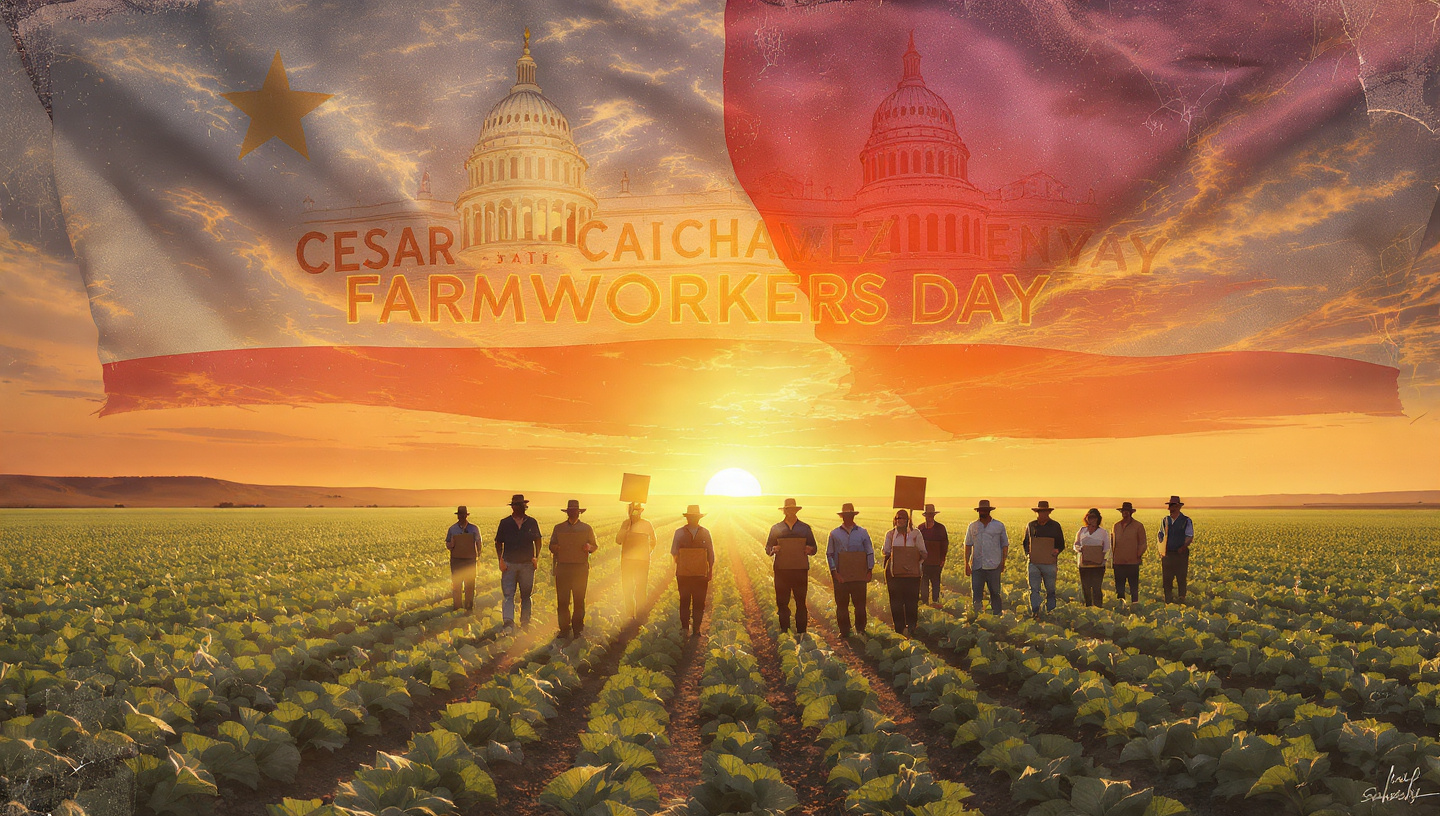
To understand why this debate is so emotionally charged, it helps to remember Chavez's place in American public life. He became a defining figure in labor activism, particularly through efforts connected to farmworker organizing, nonviolent protest, boycotts, and demands for better wages and working conditions. For many Mexican American families, union households, and civil rights supporters, he was more than a labor leader. He became a cultural symbol of sacrifice, discipline, and Latino political power.
That legacy is real, and it should not be flattened into a simplistic hero-or-villain narrative. Chavez helped draw national attention to agricultural workers who had long been treated as disposable. He influenced labor politics, grassroots organizing, and civil rights language in ways that still echo today. This is one reason some people feel uneasy about the renaming: they worry that a legitimate reassessment could slide into historical amnesia.
But public honor is not the same thing as historical relevance. A person can remain historically significant without remaining the face of a state holiday. Museums can still teach his role. Scholars can still debate his methods. Families can still speak of what his leadership meant to them. The question is narrower and more demanding: should a public day of recognition continue to center his name when serious accusations now shape the public understanding of his legacy?
Legacy and reverence are not the same
One of the biggest mistakes in public memory is treating criticism as erasure. That is not what is happening here. Replacing Cesar Chavez Day with Farmworkers Day does not remove Chavez from history. It changes the lens. It asks whether state recognition should emphasize the many instead of the one, especially when the one is now deeply contested.
The Role of Sexual Abuse Allegations in Public Memory
Sexual abuse allegations alter the terms of public debate because they force institutions to reckon with power. Abuse is not just a private moral failure. In many cases, it is tied to status, influence, fear, silence, and the unequal ability of victims to be heard. When accusations emerge against someone celebrated as a moral leader, the contradiction becomes unavoidable.
For survivors, the continued celebration of a figure accused of abuse can feel like a public declaration that achievement matters more than harm. That is why activists often push for changes not out of hostility to history, but out of concern for the people who have historically been pushed aside in the telling of it.
This point is especially important in labor movements, which often speak the language of dignity, solidarity, and protection for the vulnerable. If those values are real, they must apply inside the movement as well as outside it. A labor icon should not be exempt from scrutiny simply because his public accomplishments are large.
In recent years, many institutions have been forced to confront similar questions. Schools, cities, arts organizations, and political parties have had to revisit names, monuments, and honors linked to troubling behavior. The broader pattern is clear: communities no longer accept the idea that public symbolism should remain untouched when serious accusations come to light.
Why Farmworkers Day Resonates More Broadly
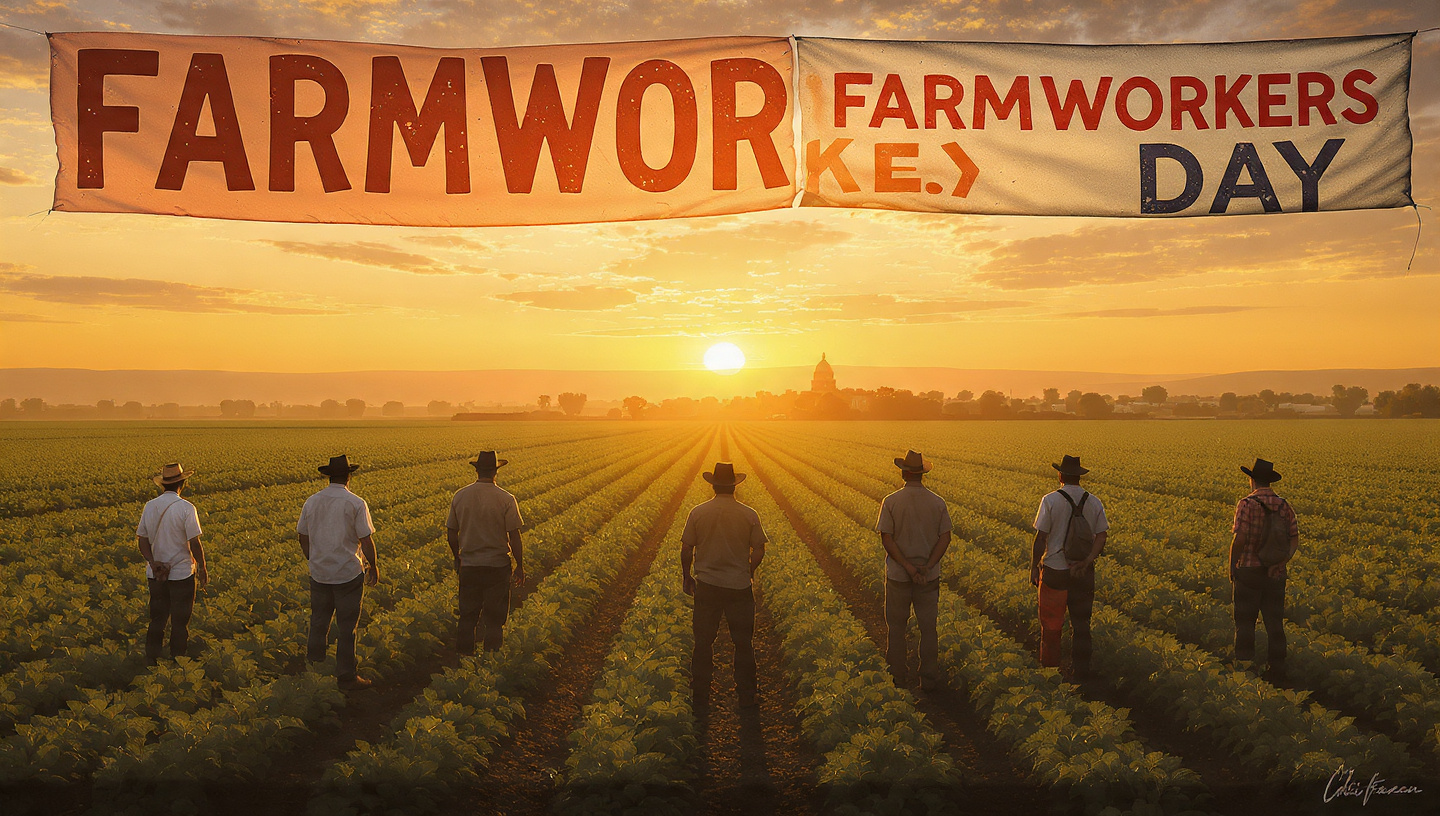
The phrase Farmworkers Day does something important that Cesar Chavez Day never fully could: it centers the labor itself. Farmworkers remain essential to the food economy, yet they are often underpaid, exposed to dangerous heat, vulnerable to exploitation, and politically invisible except when crises erupt. A holiday dedicated to them opens up a wider and more useful conversation.
It can highlight present-day conditions, not only past victories. It can draw attention to issues such as wage theft, pesticide exposure, immigration insecurity, housing precarity, water access, healthcare gaps, and climate-driven workplace danger. That makes the day not just commemorative, but relevant.
In practical terms, the renaming can encourage schools, nonprofits, unions, and local governments to reshape how the holiday is observed. Instead of repeating a familiar biography, communities can use the day to discuss who harvests food today, what protections workers have, and what reforms remain unfinished.
What a broader holiday can include
- Current labor conditions: wages, safety standards, heat protections, and access to healthcare.
- Hidden contributors: women organizers, migrant families, and rank-and-file workers.
- Regional history: local labor struggles in California fields and agricultural towns.
- Civic education: student projects, worker testimonies, and community service events.
- Policy focus: stronger enforcement against exploitation and better workplace protections.
What Activists and Lawmakers Are Really Debating
At the surface level, this may look like a debate over naming. In reality, it is a debate over public values. Activists and lawmakers are asking several difficult questions at once. Can a state continue to honor a figure whose moral standing has been seriously damaged? Should public holidays prioritize historical influence or ethical example? And when a movement has always been collective, why should its official recognition remain attached to one person?
Different camps answer these questions differently. Some believe the name change is necessary to align public honors with modern standards of accountability. Others believe Chavez's contribution remains too central to remove from the holiday's identity. A third group supports the transition because it moves attention toward workers themselves, regardless of how individuals assess the allegations.
The most persuasive argument, in my opinion, is the one that combines ethics with inclusion. It recognizes that historical achievements matter, but it refuses to make public tribute immune to evidence of harm. At the same time, it expands the frame so that the holiday serves those who have always done the hardest work with the least recognition.
The Risk of Turning One Leader Into a Movement
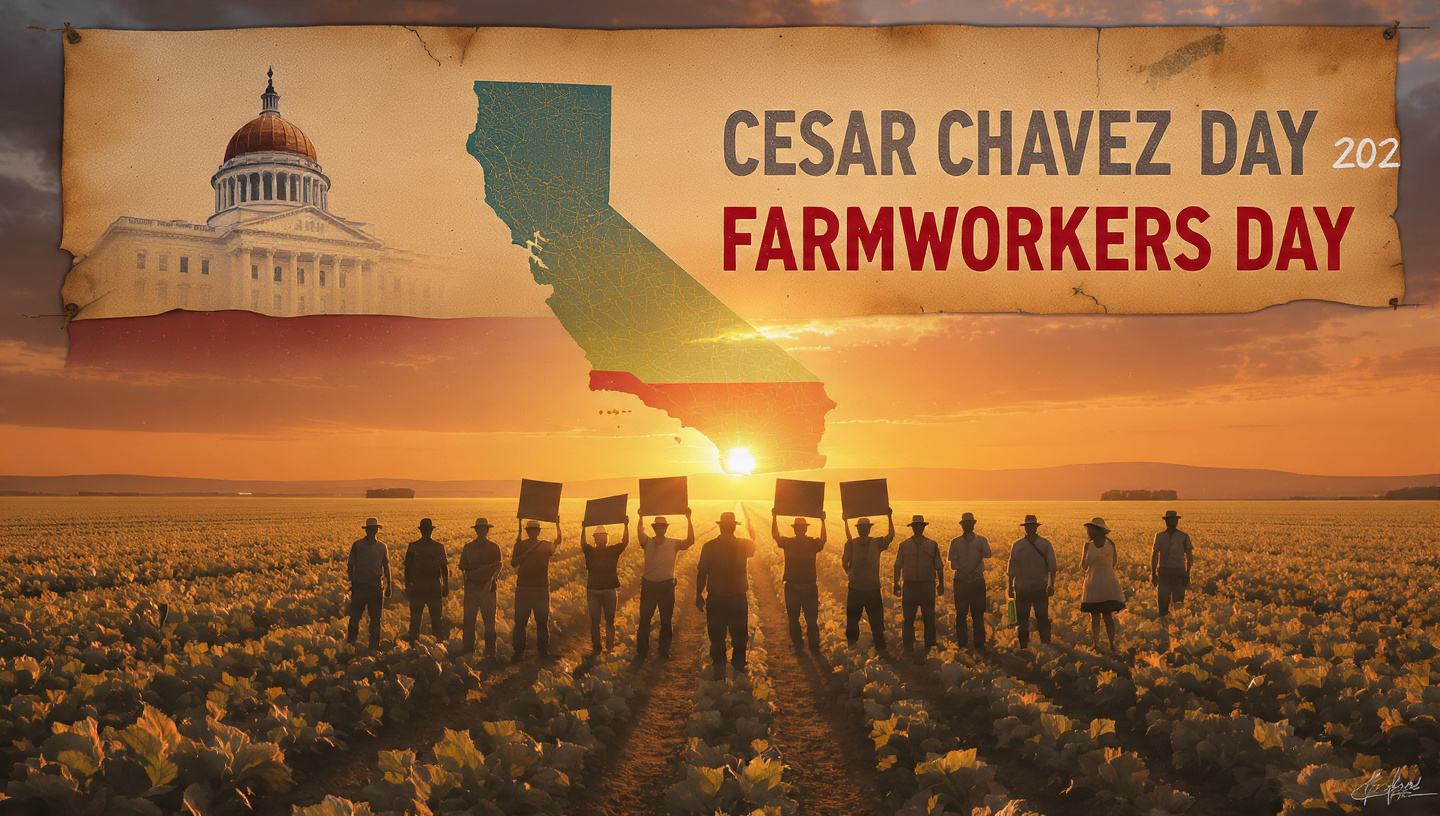
There is a familiar pattern in public storytelling: complex movements are often reduced to one face, one slogan, one biography. That makes history easier to package, but less truthful. Labor struggles are usually collective, messy, multilingual, intergenerational, and deeply local. They depend on cooks, drivers, child caregivers, strike organizers, translators, church volunteers, legal advocates, and workers who never hold a microphone.
When an entire movement is distilled into one leader, several problems follow. The first is historical distortion. The second is fragility. If the leader's reputation collapses, the public can mistakenly assume the movement collapses with it. The third problem is invisibility: everyone else disappears from the civic imagination.
Farmworkers Day offers a corrective. It says the work was never about one man alone. It was about the people in the fields, the families at the margins, and the long fight for recognition in an economy that depends on labor it too often refuses to see.
A practical example of the difference
Consider how a school assembly might change under the new framing. Under a leader-centered holiday, students may hear a single life story and a few famous quotes. Under a worker-centered holiday, they might hear from local farmworkers, study agricultural safety, examine how food reaches their communities, and discuss why labor protections still matter. One approach celebrates memory. The other connects memory to living reality.
What This Means for California and Beyond
California often sets the tone for broader cultural and political shifts, especially on labor, immigration, education, and civil rights. The decision to replace Cesar Chavez Day with Farmworkers Day could influence how other institutions think about commemoration. Universities, advocacy groups, school districts, and city governments may begin asking similar questions about who is honored and why.
That does not mean every contested figure will be removed from public celebration. But it does mean communities are becoming more intentional. They are less willing to separate public honors from ethical scrutiny. They are also more interested in recognizing groups, not just icons.
This shift may ultimately produce a more durable form of remembrance. Individuals are always complex. Movements are too, but they can better reflect shared struggle. A holiday dedicated to farmworkers is harder to personalize, harder to mythologize, and arguably more faithful to the labor that sustains it.
- For educators: the holiday becomes a gateway to teaching labor history with greater nuance.
- For policymakers: it creates pressure to connect symbolism with real worker protections.
- For advocates: it broadens recognition beyond legacy branding and public myth.
- For the public: it encourages a more honest approach to historical memory.
Conclusion: A Stronger Holiday for a Harder Truth
The transition from Cesar Chavez Day to Farmworkers Day is ultimately about more than one controversial figure. It is about whether public recognition can hold two truths at once: that a leader may have shaped history, and that a society still has the right to reconsider how it honors him when serious abuse claims emerge. That tension is uncomfortable, but it is necessary.
A holiday centered on farmworkers themselves offers a stronger foundation. It honors labor instead of celebrity. It leaves room for history without demanding reverence. Most importantly, it redirects attention to the people whose work has always mattered most and whose dignity should never depend on the reputation of a single leader.
If California wants this change to mean something, the new name cannot stop at symbolism. Farmworkers Day should become a living call for better wages, safer conditions, stronger legal protections, and deeper public respect for the people who feed the nation. That would be more than a renaming. It would be a meaningful act of civic honesty.
Call to action: use this moment to look beyond the headline. Learn about the farmworkers in your region, support organizations defending agricultural labor rights, ask local schools how they teach this history, and push public officials to match symbolic recognition with real protections. If a holiday is meant to reflect our values, then this is the time to prove what those values are.


