Few stories grip a country like a prolonged manhunt, especially when it begins with the killing of police officers and unfolds across isolated countryside. The hunt for Dezi Freeman became one of those cases that lingered in the public imagination for months. It was not only a criminal investigation. It became a test of patience, coordination, and endurance for law enforcement, while also forcing communities to live with the fear that a dangerous fugitive remained at large.
When a case stretches over seven months, people naturally start asking hard questions. How does someone evade capture for so long? What makes rural terrain so difficult to police? And what does the final outcome tell us about modern manhunts in Australia? Those questions matter because this was never just about one suspect. It was also about the limits of policing, the emotional toll on grieving families, and the uneasy reality that geography can shape justice as much as evidence can.
This article takes a closer look at how Australia’s seven-month manhunt came to an end, why the search lasted as long as it did, and what the case reveals about fugitive tracking, rural policing, and public safety in remote areas.
The case that shocked Australia
The manhunt for Dezi Freeman began after a devastating shooting on a rural property in August of the previous year. Two police officers were killed, triggering immediate national attention and an intense law enforcement response. From the outset, the seriousness of the alleged crime transformed the search into far more than a standard fugitive investigation. Authorities faced enormous pressure to locate a suspect considered highly dangerous, while also protecting officers and civilians across a broad region.
What made the case especially disturbing was the setting. Rural properties can be difficult to approach, harder to monitor, and often surrounded by terrain that gives a fugitive opportunities to move unseen. In urban environments, cameras, traffic patterns, and public density often create digital and physical trails. In remote Australia, those trails can vanish quickly. Sparse populations, bushland, rough roads, and long response times all increase the complexity of a police operation.
For many observers, the case was also emotionally charged because the victims were police officers carrying out their duties. That fact shaped the public response from the beginning. There was anger, grief, and a strong expectation that the suspect would be found. But expectation and reality are not always aligned, particularly in a search spread across vast distances.
Why the manhunt lasted seven months
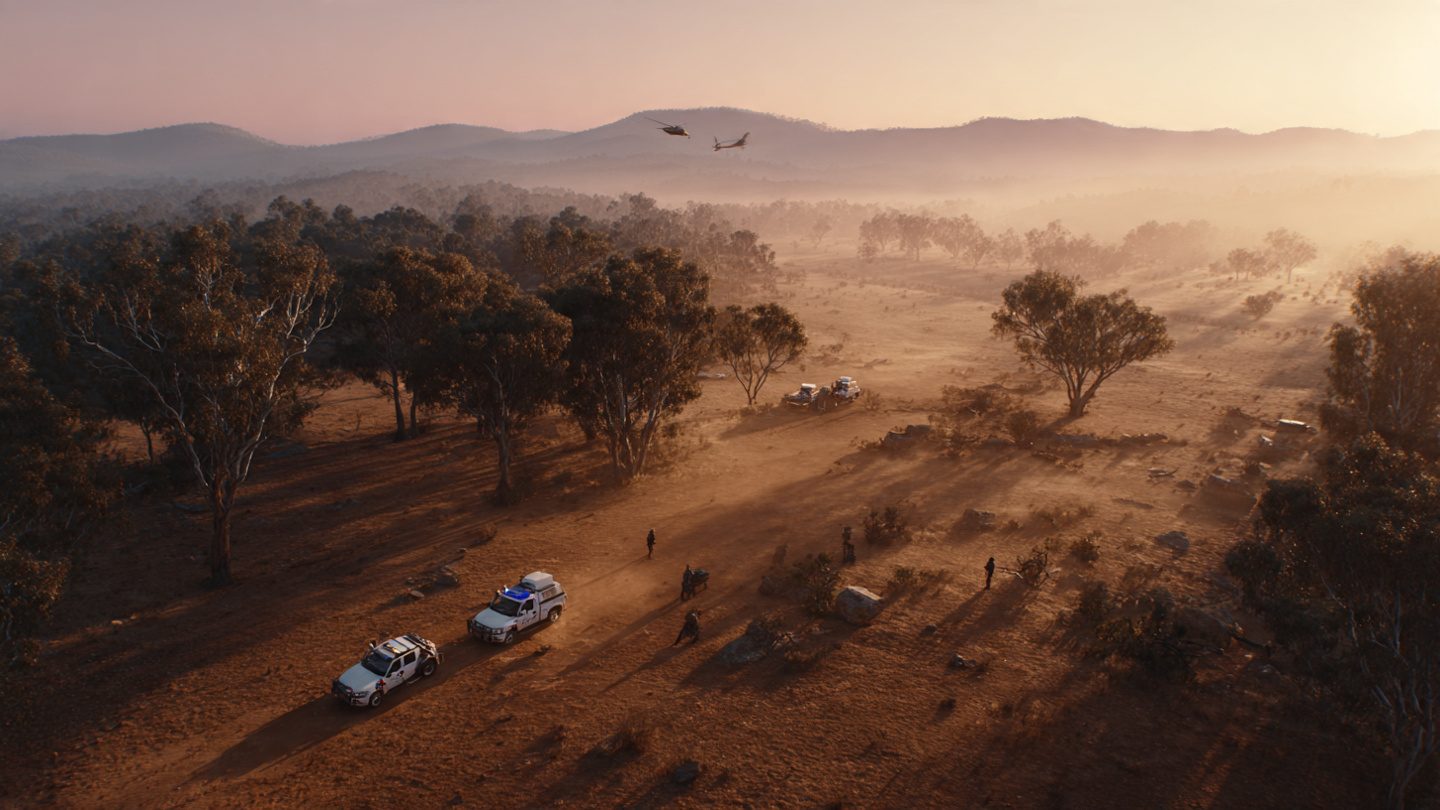
At first glance, seven months can seem astonishingly long in a modern criminal case. Yet when experts talk about Australia manhunt operations in remote areas, the same problems come up again and again: terrain, intelligence gaps, limited visibility, and the challenge of pursuing a suspect who may know the landscape far better than the people searching for him.
Remote geography works in a fugitive’s favor
One of the most important factors was the rural environment itself. Open land does not necessarily make capture easier. In practice, it can do the opposite. Dense bush, outbuildings, isolated tracks, and large private properties create natural concealment. A person familiar with those surroundings may move strategically, avoid major roads, and reduce the chances of being detected.
Unlike city-based fugitive cases, where surveillance footage and electronic transactions can rapidly build a timeline, remote-area investigations often depend more heavily on sightings, local intelligence, and carefully coordinated search efforts. That slows everything down.
Officer safety had to come first
Authorities were not dealing with a low-risk suspect. After the deaths of two officers, every tactical decision had to account for the possibility of violence. That changes the tempo of a manhunt. Police cannot simply rush every lead. They must verify information, assess risks, and plan operations that minimize the chance of further casualties.
In cases involving armed and dangerous suspects, patience is not weakness. It is often the only responsible strategy. That is one reason the public can sometimes perceive a search as stalled when, in fact, investigators are deliberately avoiding unnecessary risk.
Information in long cases comes in waves
Another reason long manhunts are so difficult is that leads rarely arrive in a steady stream. Early in a case, there may be an intense burst of tips, media attention, and operational activity. Over time, however, information can become less reliable. Witness memories fade. Rumors spread. Distinguishing useful intelligence from noise becomes harder.
From a public perspective, quiet periods may look like inactivity. In reality, investigators are often doing labor-intensive work behind the scenes: rechecking sightings, reviewing known associates, analyzing movement patterns, and updating risk assessments. These hidden stages are usually critical to the eventual resolution.
How the search likely evolved over time
Although every major fugitive investigation has details that remain confidential while operations are active, the broad anatomy of a case like this tends to follow a recognizable pattern. Understanding that pattern helps explain how the final capture or conclusion often emerges after months rather than days.
Phase one: containment and rapid response
Immediately after a deadly incident, police typically focus on securing the area, protecting potential targets, and preventing the suspect from traveling freely. Road checks, air support, tactical deployments, and local alerts often dominate this phase. The objective is speed: find the suspect before he can widen the gap.
In remote cases, however, the early window can close fast. A fugitive with access to land, vehicles, supplies, or local knowledge can create enough uncertainty to frustrate immediate capture efforts.
Phase two: intelligence building
Once the initial emergency phase passes, the operation often shifts toward intelligence-led policing. Investigators gather data on where the suspect may obtain food, fuel, shelter, or assistance. They look at relationships, routines, and behavioral patterns. This is the stage where persistence matters most, because even small fragments of information can later become decisive.
In a seven-month case, this phase can be extensive. The longer a fugitive remains uncaptured, the more important it becomes to identify patterns rather than chase every isolated tip.
Phase three: targeted action
Long manhunts usually end not because of luck alone, but because the search narrows. Police refine the suspect’s likely movements, identify pressure points, and act when the risks are manageable and the intelligence is strong enough. Whether the final outcome involves arrest, confrontation, or discovery, it tends to come after a long period of methodical groundwork.
That is why the end of a manhunt can seem sudden to the public. Behind the scenes, however, the final moment is often built on months of cumulative effort.
What brought the manhunt to an end
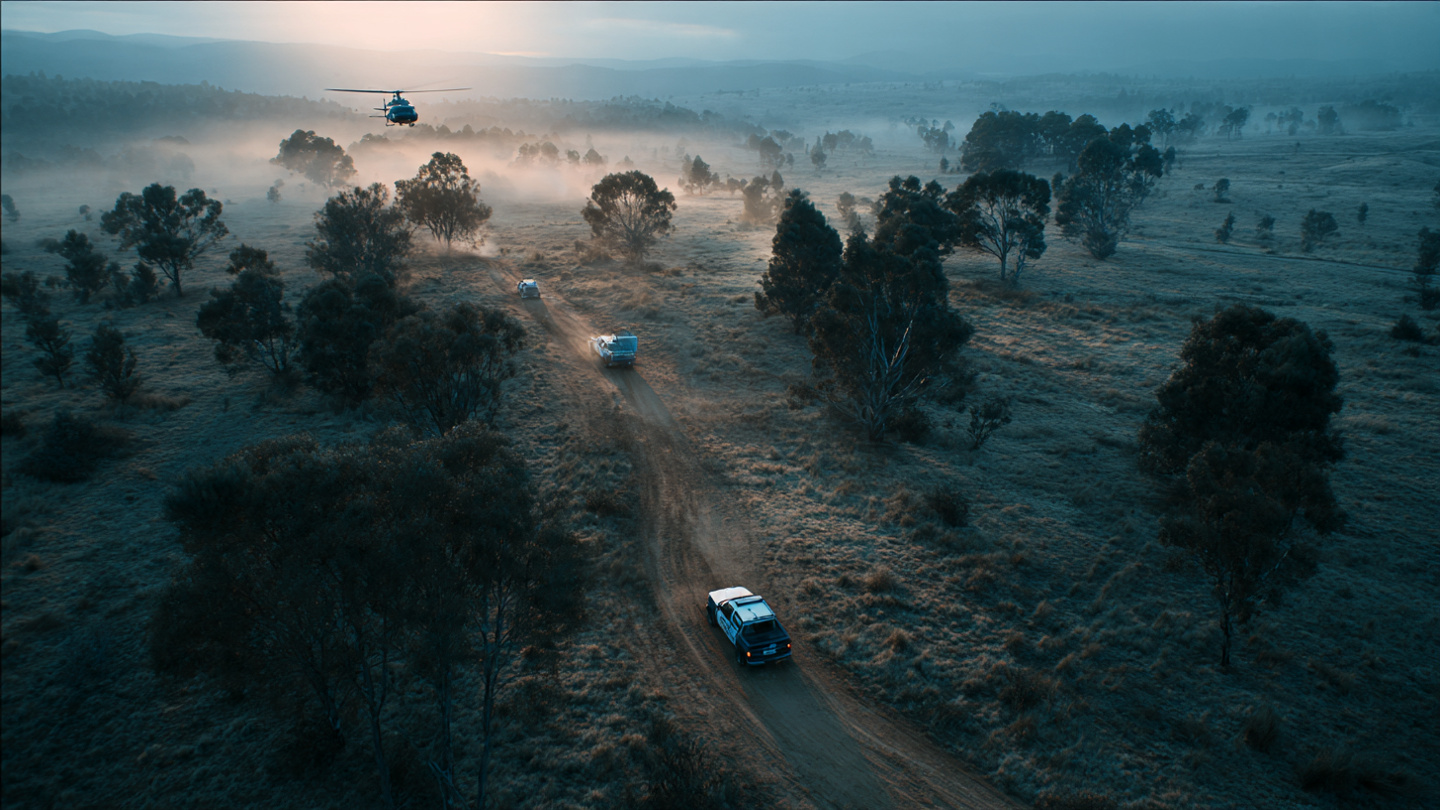
The end of the Dezi Freeman manhunt marked the close of a tense and highly scrutinized chapter. For many Australians, the conclusion brought relief more than celebration. Cases involving the killing of police officers do not resolve cleanly in an emotional sense. Even when the fugitive is no longer at large, the deeper harm remains: families continue grieving, colleagues carry trauma, and communities are left reflecting on how quickly routine duties can become life-threatening.
In practical terms, the end of the search mattered for three major reasons. First, it removed an ongoing public safety threat. Second, it gave investigators and affected families a clearer path toward legal and institutional closure. Third, it showed that extended manhunts do not necessarily indicate failure. In difficult environments, they may simply reflect the reality of pursuing a dangerous suspect under conditions where haste can cost lives.
Personally, I think that is the hardest lesson in cases like this. People understandably want fast justice. But fast justice and effective justice are not always the same thing. In high-risk operations, restraint can be the difference between resolution and another tragedy.
The broader lessons from Australia’s manhunt
This case offers insight into larger issues that reach beyond one fugitive investigation. It highlights how modern policing still depends on old-fashioned realities: terrain, time, trust, and local knowledge. Technology helps, but it does not erase geography.
- Remote policing remains uniquely complex because vast distances reduce visibility and slow response times.
- Manhunts involving armed suspects demand caution, especially when the risk to officers and civilians is high.
- Community cooperation matters because locals often notice patterns, vehicles, or movements outsiders would miss.
- Public communication is delicate since authorities must inform residents without compromising operations.
- Long investigations can still be effective when they are guided by disciplined intelligence work.
These points are especially important in the Australian context. The country’s size, varied terrain, and spread-out communities create conditions that differ sharply from many high-profile international manhunts. A search in remote New South Wales or regional Queensland cannot be judged by the same assumptions people might bring to city-based cases overseas.
The human cost behind the headlines
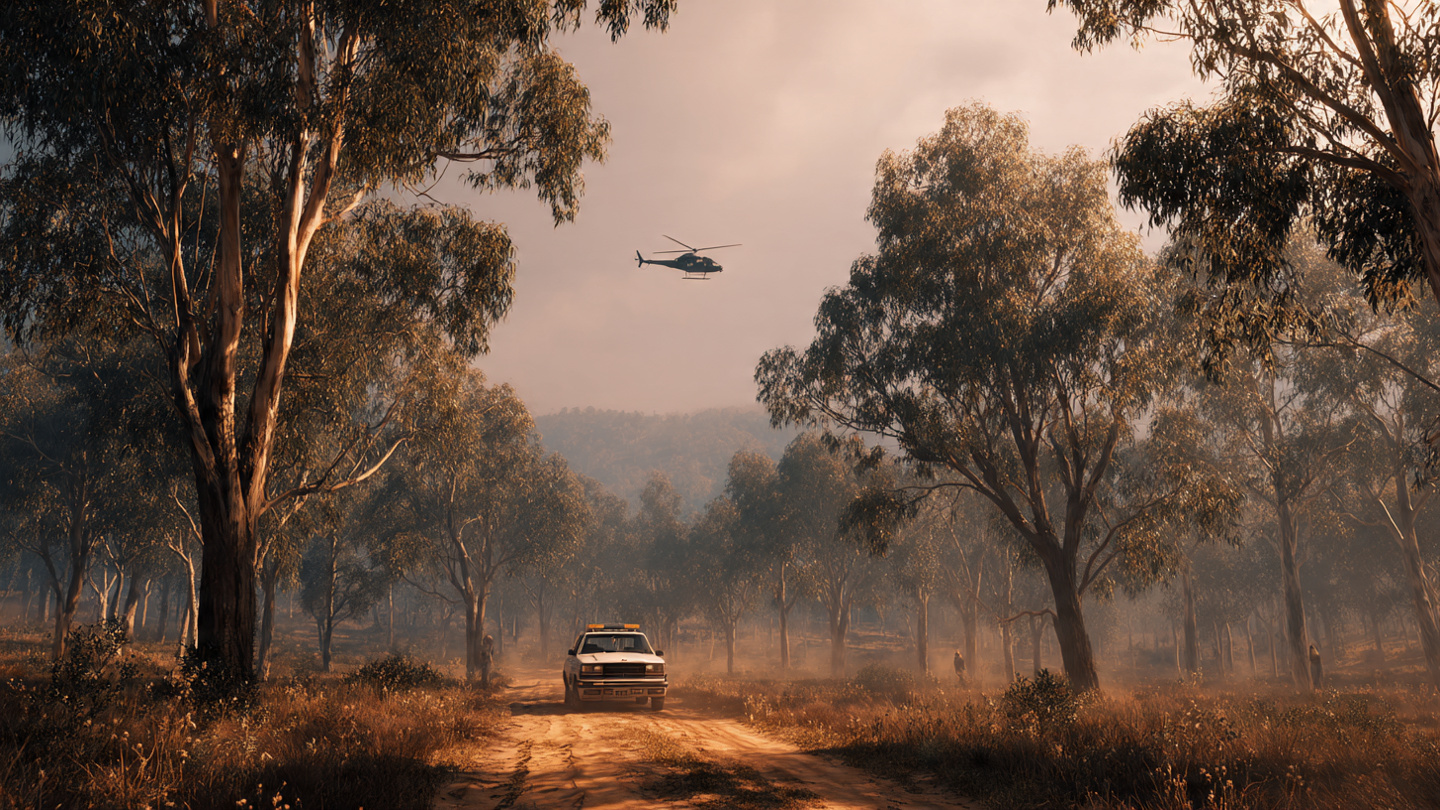
It is easy for a major criminal case to become a story of timelines, tactics, and outcomes. But that framing can flatten the human loss at its center. Two police officers were killed. Their families, friends, and colleagues will live with that fact long after public interest fades. In many ways, the seven-month duration likely prolonged the emotional strain, keeping the case active in the news and preventing any sense of closure.
Communities also absorb the damage. Rural areas depend heavily on familiarity and trust. When a violent crime disrupts that sense of security, the effect can be profound. People become more cautious. Rumors circulate. Daily routines change. Even after a manhunt ends, the emotional aftershocks can remain.
That is why responsible coverage matters. Cases like this should not be reduced to spectacle. They should be understood as examples of how violence radiates outward, affecting not only victims but entire networks of people connected by place, service, and shared fear.
How readers should think about cases like this
There is a temptation to consume manhunt stories as if they are crime dramas with a simple narrative arc: incident, pursuit, capture, closure. Real life is messier. Investigations involve uncertainty, incomplete information, and decisions made under pressure. The public rarely sees the hours of surveillance, interviews, planning, and reassessment required to bring a dangerous case to an end.
A more useful way to view a story like the Dezi Freeman case is through three lenses: accountability, capability, and resilience. Accountability asks whether justice is pursued thoroughly and responsibly. Capability asks whether law enforcement has the tools, staffing, and strategy required for difficult terrain. Resilience asks how officers, families, and communities recover after sustained trauma.
That perspective turns a headline into something more meaningful. It reminds us that a seven-month manhunt is not just a countdown to an ending. It is evidence of the immense complexity involved when violence, isolation, and public expectation collide.
Conclusion
Australia’s seven-month manhunt came to an end only after a long and demanding search shaped by danger, geography, and persistence. The case drew national attention because of its tragic beginning, but its broader significance lies in what it revealed: rural policing is different, fugitive investigations are rarely straightforward, and justice often depends on patient, intelligence-led work rather than dramatic speed.
The final outcome may have closed the search, but it did not erase the loss that sparked it. What remains is a sobering reminder of the risks faced by frontline officers and the extraordinary complexity of tracking a dangerous suspect across remote country. For readers trying to make sense of the story, the real takeaway is not just how the manhunt ended, but why it took the time it did.
If you follow major public safety cases, criminal investigations, and justice issues in Australia, keep looking beyond the headline. Ask what conditions shaped the outcome, whose lives were changed, and what lessons authorities and communities can carry forward. That is where the deeper story always lives.
Stay informed by following reliable reporting on crime, justice, and regional policing issues, and share this analysis with readers who want context rather than just breaking news.


