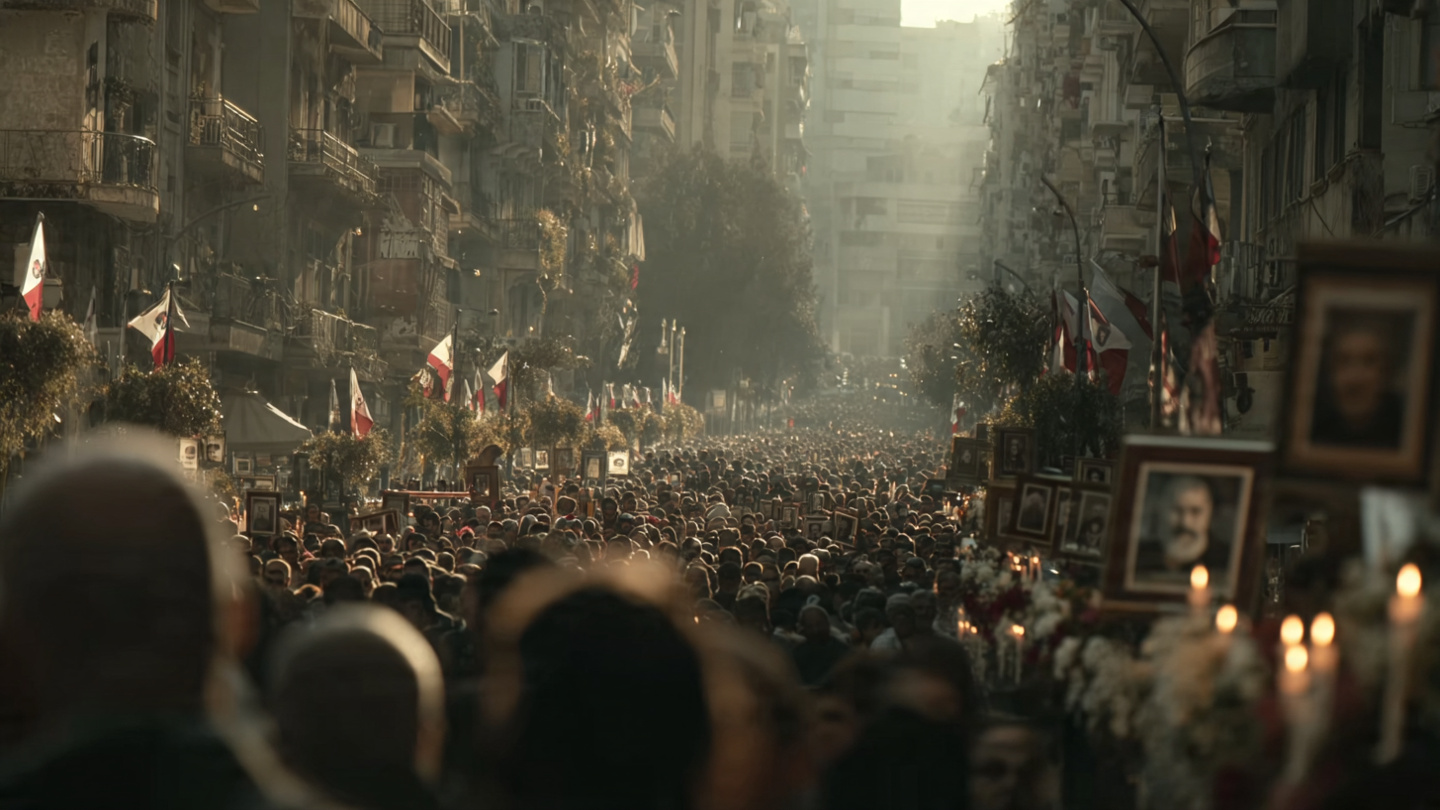
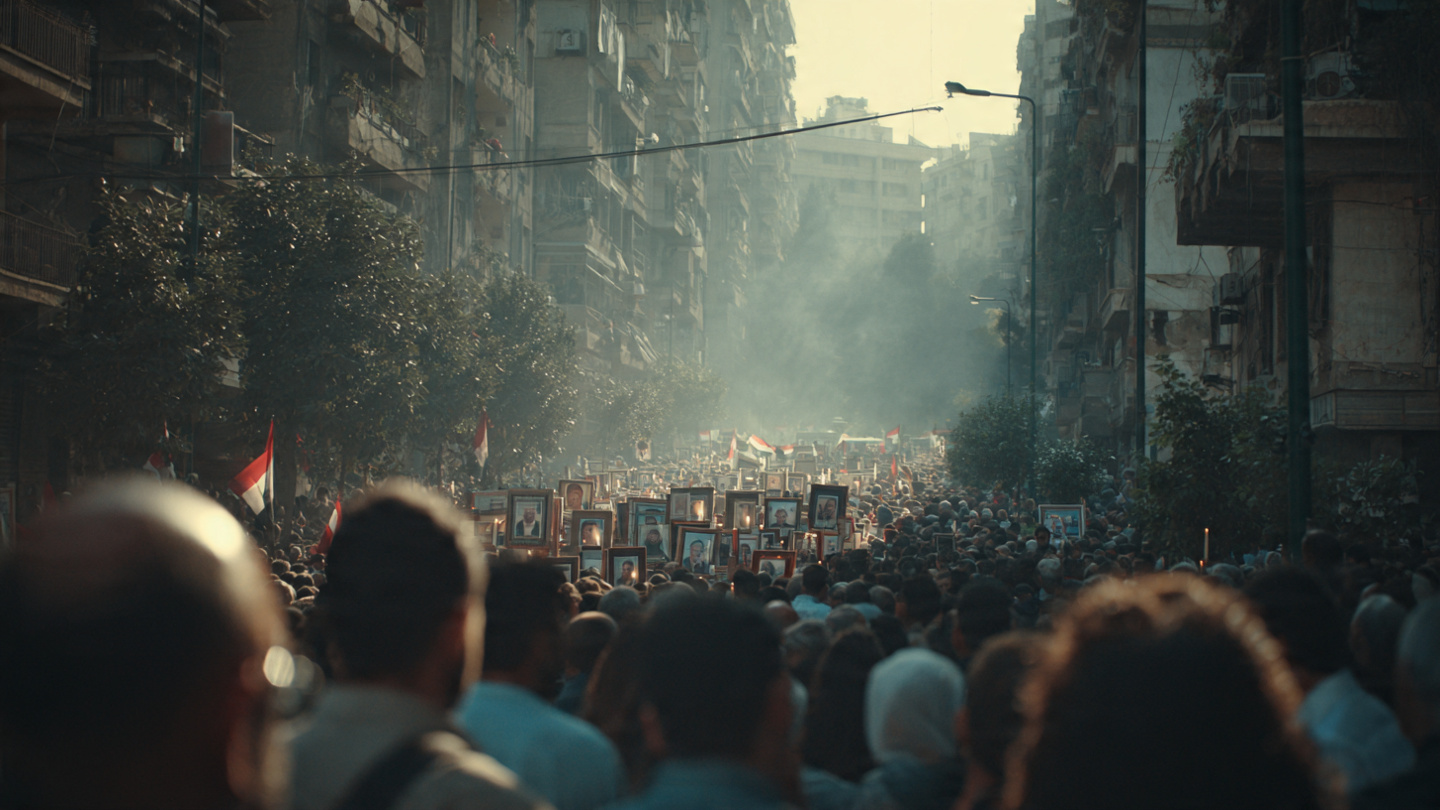
Grief has a way of turning a city silent. In Beirut, that silence was broken not by calm, but by footsteps, prayers, tears, and the low murmur of a crowd gathered to honor three journalists killed in southern Lebanon. Their funerals were not only acts of mourning. They were public testimony to the risks borne by reporters who work at the edge of war, where every image captured and every sentence filed may come at the highest possible cost.
The deaths of these journalists have struck a nerve far beyond Lebanon’s borders. In a region already defined by fear, loss, and political volatility, the killing of media workers touches something especially raw: the right of the world to witness conflict through the eyes of those brave enough to document it. When journalists die on assignment, the tragedy is personal for families and colleagues, but it is also civic, moral, and global. The public loses witnesses. History loses record keepers. Communities lose voices capable of turning chaos into truth.
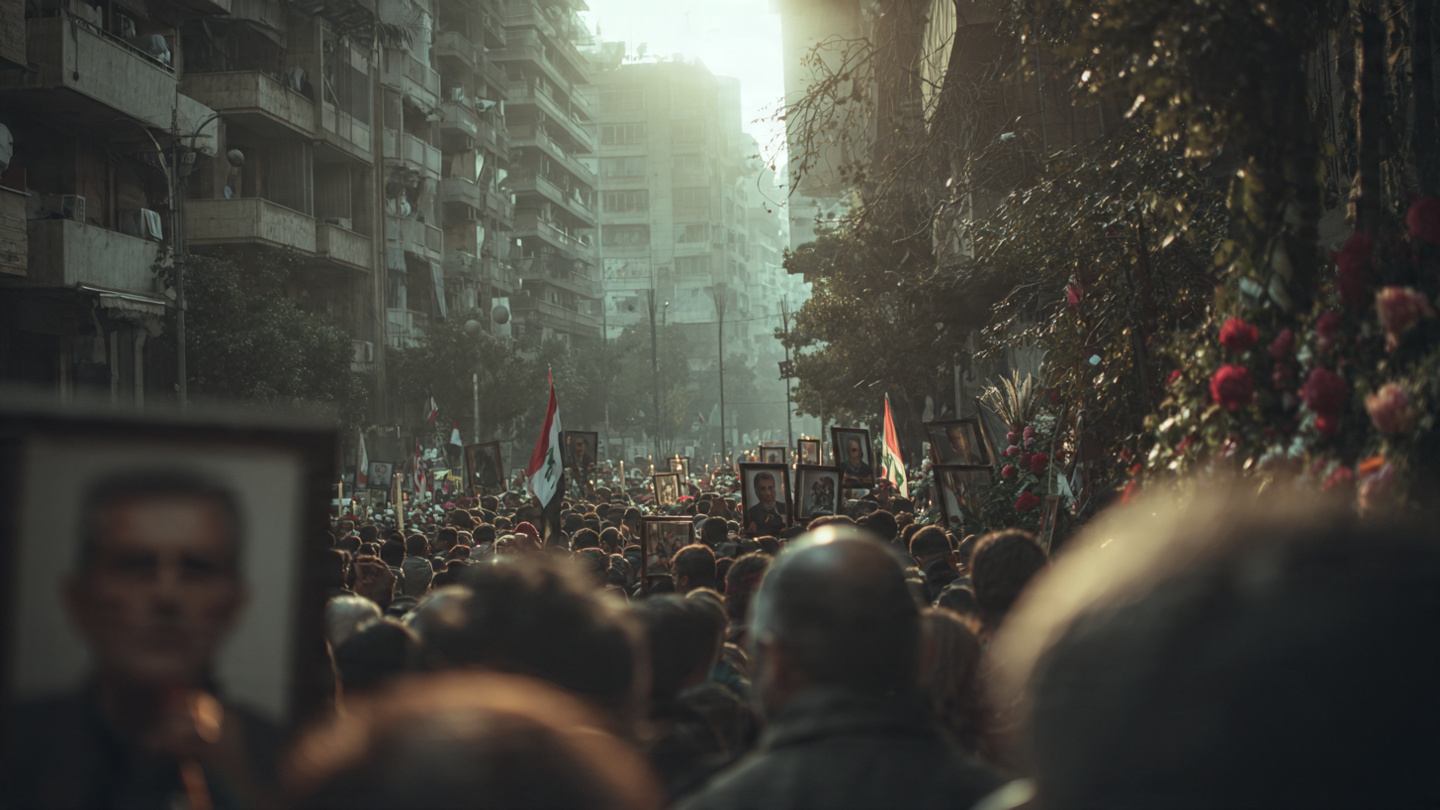
For anyone who has followed conflict reporting, scenes like these are devastatingly familiar. Yet they never feel routine. Rows of mourners, photographs held high, grieving relatives overcome by emotion, fellow reporters carrying notepads and cameras alongside coffins—these moments make one fact painfully clear: behind every byline is a human life, and behind every headline is a family changed forever.
Why the Funerals in Beirut Matter Far Beyond Lebanon
The funerals of the three journalists became a focal point because they represent far more than a local loss. They stand at the intersection of war in Lebanon, press freedom, civilian vulnerability, and the intensifying scrutiny surrounding military operations in border areas. Public mourning in Beirut transformed private pain into a collective statement: those who report from conflict zones are not disposable.
In practical terms, journalists in southern Lebanon operate under extraordinary pressure. They often work close to active strike zones, where front lines shift quickly and where distinguishing between military and civilian spaces can become dangerously blurred. Reporters, camera crews, and field producers are expected to document destruction in real time while managing the same threats faced by displaced families and emergency responders.
The symbolism of the funerals also mattered. Beirut has long been a city where politics, memory, and public grief merge. In such a setting, mass attendance is rarely only about sorrow. It is also about defiance, remembrance, and accountability. The mourners were honoring individuals, but they were also defending the principle that journalism remains essential, especially when violence escalates.
- Public grief highlighted the emotional toll of conflict on media workers and their families.
- Regional attention turned the funerals into a wider debate about journalist safety in war zones.
- Press freedom concerns intensified as calls grew for clarity over the circumstances of the strike.
- Collective mourning underscored how deeply the loss of reporters resonates in societies under strain.
The Deadly Reality of Reporting From Southern Lebanon
Journalism on the Front Line
Covering southern Lebanon is not standard field reporting. It is conflict journalism in one of the most volatile environments in the Middle East. Reporters there are often forced to make impossible calculations: how close is too close, how long is too long, and how visible is too visible? They must weigh public interest against immediate survival, often with incomplete information and little protection beyond instinct, local knowledge, and improvised safety protocols.
Those unfamiliar with front-line reporting sometimes imagine a level of operational control that simply does not exist. In reality, conflict reporters frequently move through shattered roads, unstable neighborhoods, and open terrain where danger can change within seconds. Even when journalists identify themselves clearly, the battlefield remains unpredictable. The result is a profession in which preparation matters enormously but can never eliminate risk.
Why Targeting Allegations Carry Such Weight
Whenever journalists are killed in an airstrike or cross-border attack, one central question emerges immediately: was the strike indiscriminate, mistaken, or deliberate? That question matters not only for legal reasons, but because the answer shapes public trust in every future military claim and every official assurance of civilian protection.
In this case, the allegation that the attack was targeted has drawn intense attention. Such claims amplify fears that media workers may be treated not as neutral observers, but as liabilities in the battle over information. This is why each incident involving the deaths of journalists in Lebanon carries such significance. It is not only about one event. It is about whether the space for independent reporting is narrowing under fire.
Beirut’s Mourning Reflects a Deeper National Strain
Lebanon is not grieving in a vacuum. The funerals unfolded against a backdrop of economic hardship, political fragility, and chronic instability. That broader context matters because it helps explain why the deaths of these journalists felt so profound to so many people. In a country where institutions are often strained and uncertainty is a constant companion, journalists play an outsized role in documenting reality. They do not merely report events. They help citizens make sense of lives shaped by crisis.
When such figures are killed, the pain extends beyond the newsroom. It enters homes, streets, and public consciousness. Many Lebanese see journalists as part of the country’s social memory, recording what others might prefer to obscure or forget. Their work becomes especially valuable in wartime, when rumor spreads quickly and reliable facts become both harder to obtain and more urgently needed.
There is also a deeply personal dimension to this kind of national mourning. Anyone who has watched a funeral procession move through a city knows how quickly individual grief becomes collective reflection. You do not need to know the victims personally to feel the force of the moment. A mother’s cry, a colleague’s tears, a child holding a portrait—these details collapse the distance between stranger and witness. They remind us that every conflict statistic was once a living, breathing person with routines, ambitions, and loved ones waiting for them to come home.
What the Deaths of Journalists Mean for Press Freedom
A Threat to Documentation and Accountability
The loss of journalists in conflict zones weakens one of the few mechanisms the public has for understanding war as it unfolds. Without reporters on the ground, the world becomes more dependent on official narratives, partial footage, and unverified claims. That vacuum can be dangerous. It allows misinformation to spread, reduces transparency, and makes accountability harder to achieve.
Press freedom in Lebanon and across the wider region cannot be measured only by censorship laws or newsroom regulations. It must also be measured by whether journalists can physically survive their work. Safety is not a secondary concern. It is the foundation that makes reporting possible.
When journalists are killed, the effect is immediate and chilling. News organizations may scale back field operations. Freelancers may decide the danger is unsustainable. Families may plead with reporters not to return to the front line. Over time, the result can be a quieter media landscape at exactly the moment when scrutiny is most needed.
The Chilling Effect on Future Coverage
Imagine a local video journalist preparing to cover displacement near a contested border village. After seeing colleagues killed, that reporter now has to think not just about shelling or airstrikes, but about whether press markings truly offer any protection at all. That uncertainty changes decisions in the field. It affects where reporters stand, what they record, how long they remain on site, and whether stories get told fully or not at all.
This is the hidden damage of attacks on media workers. The immediate tragedy is visible. The long-term erosion of public knowledge is slower, but equally serious. Every reporter forced away from the field leaves a gap in the historical record.
- Fewer eyewitness accounts mean less independent verification of events on the ground.
- Greater fear among reporters can reduce coverage in high-risk areas.
- Communities under attack may lose one of their few channels to the outside world.
- Global audiences become more vulnerable to propaganda and incomplete narratives.
The Human Cost Behind the Headlines
It is easy for international coverage to focus on geopolitics: border tensions, military calculations, diplomatic fallout, and regional escalation. Those factors matter. But funerals force a return to first principles. Before there are strategic consequences, there is loss. Before there are policy debates, there are families standing beside coffins.
The human cost of war in Lebanon is often discussed in aggregate terms, but public mourning breaks those numbers apart. It restores identity. These were not abstract casualties. They were professionals with voices, routines, friendships, responsibilities, and futures that have now been cut short. Their colleagues likely remember ordinary details more vividly than the public ever will: the last field call, the rushed setup before a live shot, the shared joke in a tense moment, the expectation that the team would be back later.
That is why the funerals matter so deeply. They make the consequences of violence impossible to sanitize. No statistic can carry the same force as a grieving parent or a co-worker unable to finish a sentence through tears. In moments like these, the moral stakes of conflict reporting come into sharp focus.
Why International Attention Should Not Fade Quickly
Global attention often spikes after a deadly incident and then fades as the news cycle moves on. That pattern is especially harmful in cases involving journalists killed in conflict zones. Short-lived outrage does little to improve safety standards, support independent investigations, or maintain pressure for accountability. Sustained attention is what turns mourning into action.
There are practical reasons for the international community, media watchdogs, and readers to remain engaged:
- Investigations need visibility to remain credible and difficult to ignore.
- Newsrooms need support to keep local reporting alive under dangerous conditions.
- Families need recognition that their loved ones’ work mattered and will not be forgotten.
- Public memory matters because forgotten attacks are easier to repeat.
This is also where readers have more influence than they may realize. Public demand for verified reporting, accountability, and sustained coverage helps shape editorial priorities. The stories people choose to read, share, and discuss affect whether media organizations continue investing in difficult, dangerous journalism.
A Regional Conflict With Global Implications
The deaths of journalists in southern Lebanon are part of a wider pattern in modern conflict: the battlefield is no longer confined to soldiers and military hardware. Information itself is contested ground. Images, testimony, timelines, and evidence all influence international opinion, legal scrutiny, and political pressure. In that environment, journalists are not peripheral observers. They are central to how wars are understood.
That is what makes their vulnerability so alarming. If those tasked with documenting reality are repeatedly placed in lethal danger, then the broader public’s ability to grasp the truth is weakened. Democracies, international institutions, and civil societies all depend on reliable reporting, especially during war. The loss of journalists therefore damages more than one profession. It damages the public sphere itself.
For Beirut, the funerals were an expression of local sorrow. For the world, they should serve as a warning. When reporters die, darkness expands. The map of what can be seen, verified, and remembered grows smaller.
Conclusion: Mourning Must Lead to Memory and Accountability
Beirut’s farewell to the three journalists killed in southern Lebanon was a solemn reminder of the human cost of conflict and the exceptional danger faced by those who report from the front line. The crowds, the grief, and the visible anguish of families and colleagues revealed something essential: journalism is not an abstract institution. It is built by people who accept extraordinary risk so the rest of the world can know what is happening.
The right response to such loss is not only sympathy, though sympathy is necessary. It is also persistence. Persistence in demanding facts. Persistence in defending journalist safety. Persistence in refusing to let the deaths of media workers become just another passing headline in a crowded news cycle.
If these funerals leave any lasting lesson, it should be this: protecting journalists means protecting truth itself. Readers, editors, civil society groups, and international observers all have a role to play in keeping attention on attacks against the press, supporting independent reporting, and insisting that every loss be fully examined. The most meaningful tribute to fallen journalists is not silence. It is the continued pursuit of the truth they risked everything to tell.
Stay engaged, support credible reporting, and keep the spotlight on journalist safety in conflict zones. Public memory is one of the few defenses truth has when violence tries to erase it.


