Few stories grip a nation quite like a prolonged manhunt. When Australian police finally closed in on a fugitive accused of killing two officers, the outcome was always likely to be dramatic, dangerous, and deeply emotional. But beyond the immediate headlines lies a more complicated picture: one shaped by grief, rugged terrain, tactical policing, and the long shadow cast over communities when violence targets law enforcement.
This case drew intense public attention because it brought together several forces that rarely appear all at once: a suspect allegedly trained to survive in remote bushland, a deadly confrontation linked to an earlier police operation, and a final encounter that ended only when officers used lethal force. For many observers, the story felt like a stark reminder that policing in isolated areas can quickly become a life-or-death contest of endurance, intelligence, and split-second decision-making.
From a personal perspective, what makes this case especially striking is not only the violence itself, but the way it exposed the vulnerability of institutions people often assume are always in control. When officers arrive to execute a search warrant, the public expects procedure, authority, and order. When that process erupts into a deadly chain of events, confidence is shaken and difficult questions follow.
The Final Chapter in a High-Risk Manhunt
The man at the center of the case had been on the run since a deadly confrontation months earlier, when police officers arrived to carry out a search warrant and two officers were killed. Authorities said the suspect had skills that made him especially difficult to capture, including knowledge of how to survive in the bush. That factor alone turned a criminal pursuit into a far more complicated operation.
Remote Australian landscapes can be unforgiving, but for a person experienced in living off the land, they can also offer concealment, mobility, and time. Search teams operating in such conditions face enormous challenges. They must cover large and often inaccessible areas, manage limited visibility, coordinate air and ground surveillance, and protect officers from ambush. Every movement carries risk, especially when the subject is considered armed and dangerous.
When the final confrontation came, it ended with police fatally shooting the suspect. In operational terms, it marked the end of a long and resource-intensive pursuit. In human terms, however, it closed nothing easily. The deaths of the two officers had already left families, colleagues, and communities mourning. The suspect’s death brought legal and tactical questions to a stop, but it did not end the wider emotional fallout.
- Key development: Australian police located and fatally shot a fugitive suspected of killing two officers.
- Operational challenge: The suspect reportedly had bush survival training, complicating the search.
- Public impact: The case reignited debate over officer safety, rural policing, and tactical response.
- Emotional toll: The deaths of police officers left a lasting mark on both law enforcement and the public.
Why This Case Resonated So Deeply Across Australia
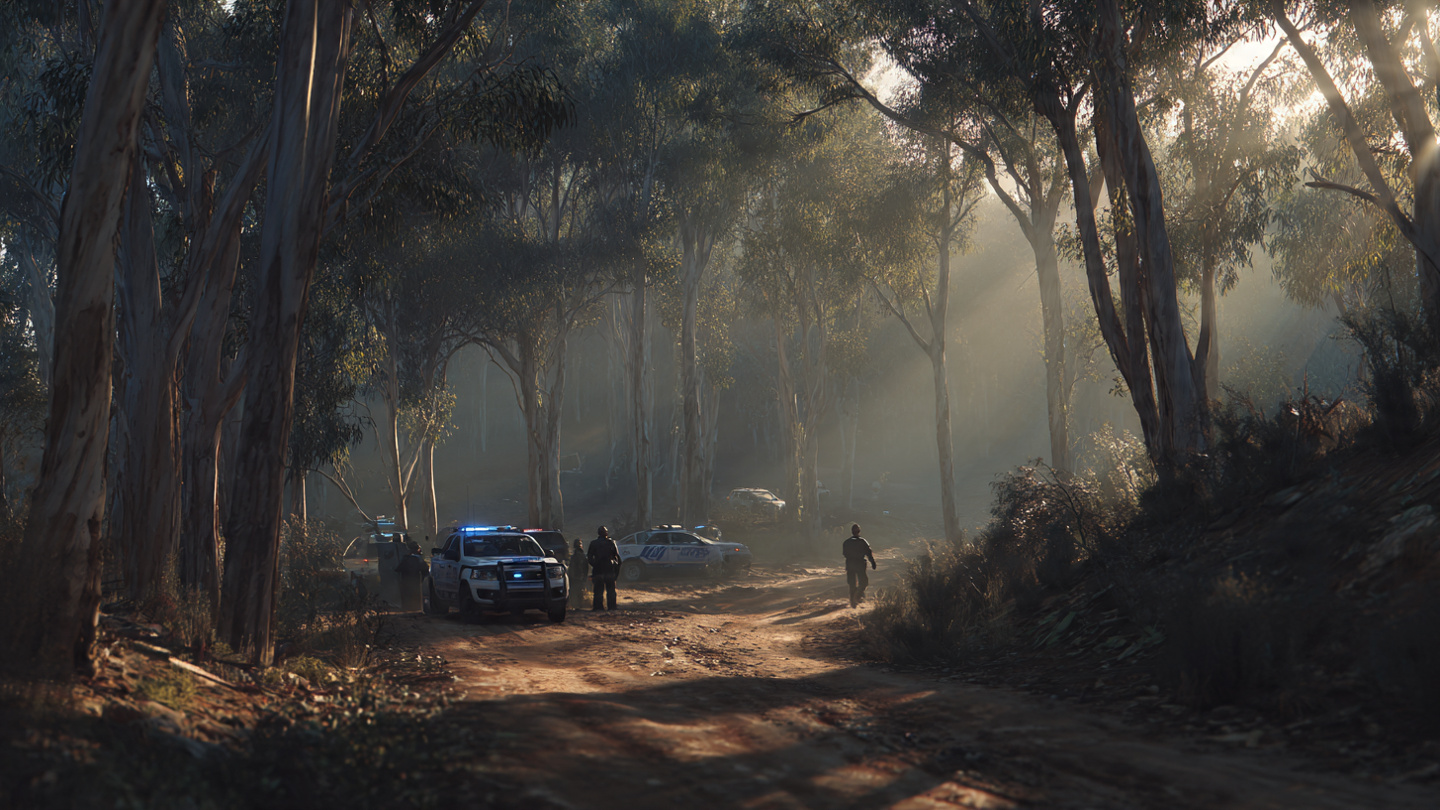
Crimes involving the killing of police officers always draw strong public reactions, but this case touched a particular nerve. Police represent both state authority and public protection. When officers themselves become victims during what should have been a controlled procedure, it can create a profound sense of instability.
That reaction is heightened in Australia because many communities, especially in regional areas, have close ties to local police. Officers are not distant figures seen only on television; they are neighbors, parents, coaches, and familiar faces at local events. When they are attacked in the line of duty, the loss feels personal.
The manhunt also carried the dramatic elements that keep a story in the national consciousness: wilderness survival, uncertainty, tactical operations, and the possibility of further danger. News audiences tend to focus intensely on such cases because they evolve over time. Each reported sighting, police update, or search effort adds to the sense that the outcome is still unfolding.
Practical examples from previous high-profile manhunts show why these stories persist in public conversation. A fugitive in a city may be tracked through cameras, phone data, and dense witness networks. In remote terrain, those tools are often less effective, which shifts the balance toward old-fashioned searching, careful intelligence gathering, and patience. That contrast can make a police operation appear both more dramatic and more uncertain.
The Symbolic Weight of Violence Against Officers
There is another reason this case commanded attention: attacks on police are often viewed as attacks on civic order itself. Whether one sees policing through a lens of trust, skepticism, or reform, most people recognize that a functioning justice system depends on officers being able to carry out lawful duties without facing lethal resistance.
When that principle is shattered, the consequences extend well beyond the immediate victims. Investigators must consider not only how the violence occurred, but whether broader tactical lessons need to be learned. Political leaders are often pressed to respond. Police organizations review procedures. Communities search for reassurance.
The Bush Factor: Survival Skills and the Geography of Evasion
One of the most unusual aspects of the case was the suspect’s apparent familiarity with surviving in the Australian bush. This matters more than many people realize. Bush terrain can be vast, irregular, and difficult to search effectively. Water sources, tree cover, wildlife, weather conditions, and natural hiding places can all shape the length and danger of a manhunt.
A person trained to live in that environment may know how to avoid obvious paths, leave minimal trace, and move at times when search teams are less effective. That creates a strategic disadvantage for police, who must operate under rules, safety protocols, and command structures. Officers cannot simply rush into unknown ground when the suspect may be armed.
In practical terms, a fugitive with survival knowledge can:
- Use terrain to stay out of sight from road patrols and aerial observation.
- Locate water and shelter without entering populated areas.
- Reduce dependence on predictable supply patterns.
- Create uncertainty about location, direction of travel, and next move.
For police, responding to such a threat requires a layered strategy. Intelligence becomes as important as manpower. Local knowledge matters. Patrol discipline becomes crucial. Search zones must be reassessed constantly, and officers need to assume the subject may be watching them as much as they are searching for him.
This is where public imagination often oversimplifies reality. Many people picture a manhunt as a straightforward chase. In remote settings, it is closer to a slow, high-stakes containment effort shaped by terrain, fatigue, and the possibility of sudden violence. That helps explain why operations like this can stretch on and absorb substantial resources.
What the Shootout Reveals About Police Tactics
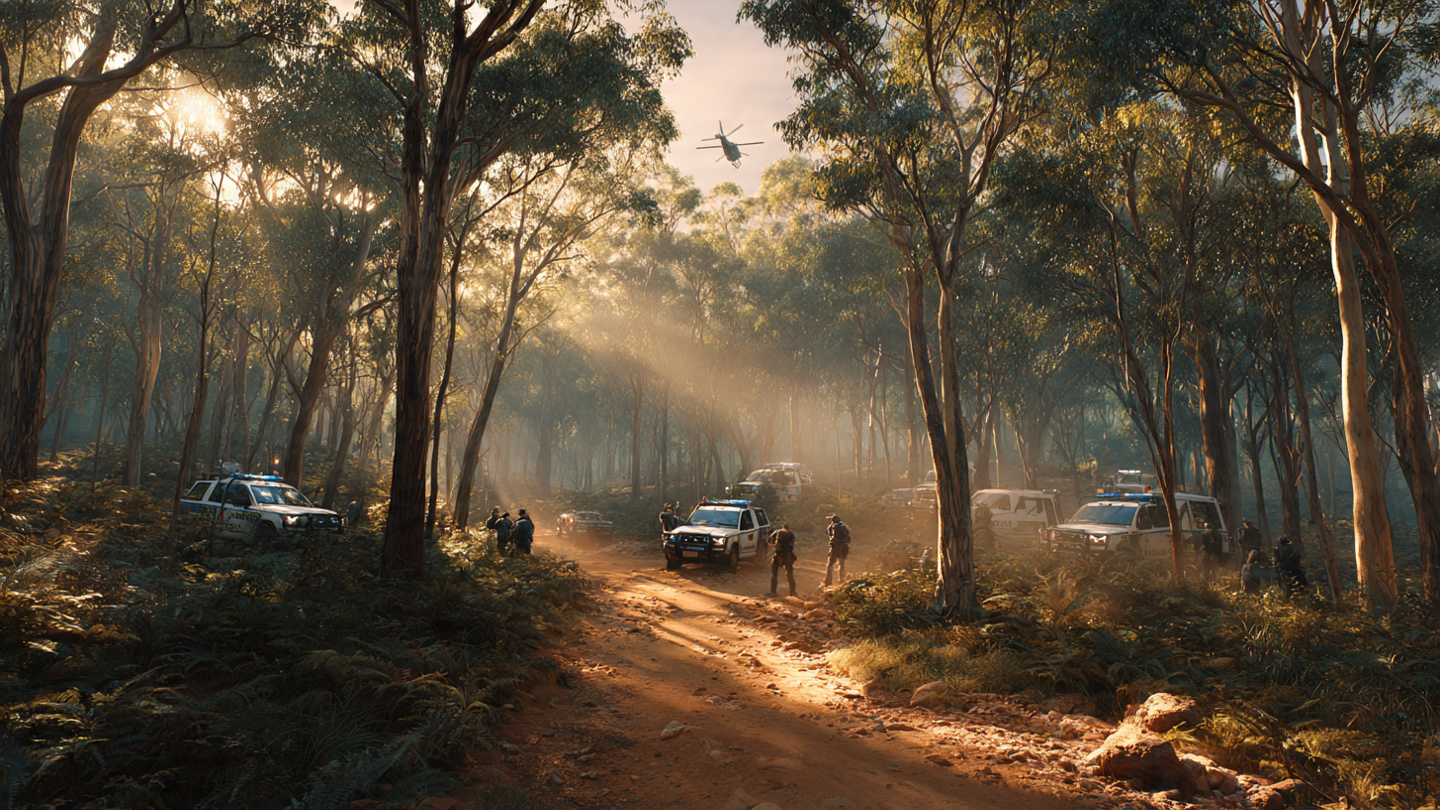
Whenever a fugitive dies in a final confrontation with law enforcement, public scrutiny naturally turns to the tactics used. That is especially true when the suspect is accused of killing police officers. Questions arise quickly: Could the outcome have been different? Was there a chance of capture? What risk did officers face in the final moments?
While tactical specifics vary from case to case, the broad reality is clear. A suspect believed to have killed officers is treated as an extreme threat. Police planning in such situations usually prioritizes officer survival, public safety, and the prevention of additional casualties. Negotiation may still be possible in some circumstances, but the margin for error is razor-thin.
From an operational standpoint, several factors likely shaped the final encounter:
- Threat assessment: A suspect linked to prior deadly violence presents immediate lethal risk.
- Terrain: Remote areas reduce visibility and complicate controlled engagement.
- Time pressure: Once contact is made, officers may have seconds to act.
- Containment limits: In open bushland, maintaining a safe perimeter can be difficult.
People sometimes ask why police do not always “just wound” a suspect. In reality, that is not how lethal force decisions work. Officers are trained to stop a threat, not attempt precision shooting under chaotic conditions. In a tense confrontation involving an armed and dangerous fugitive, the response is driven by immediate risk, not cinematic expectations.
That does not mean police actions should escape examination. On the contrary, serious incidents should be reviewed thoroughly. Accountability and transparency are essential to public trust. But it is equally important to understand the severe pressures officers face when dealing with a suspect believed capable of killing again.
The Search Warrant That Led to Catastrophe
The case also casts a harsh light on the risks surrounding the execution of search warrants. On paper, a warrant is a legal instrument. In practice, it can be one of the most dangerous moments in policing. Officers may be entering unfamiliar property, confronting individuals with unknown mental states, weapons access, or motives to resist.
That is why warrant planning often involves intelligence reviews, threat assessments, backup arrangements, and careful timing. Yet even with preparation, a situation can change instantly. If the original confrontation that triggered this manhunt unfolded during a routine legal operation, it serves as a sobering reminder that no police action is truly routine when uncertainty is involved.
For readers trying to understand the broader lesson, this is an important one: modern policing depends as much on risk management as on enforcement. The law may authorize entry, but safety depends on what officers discover once they arrive.
The Human Cost Behind the Headlines
News coverage often focuses on the fugitive, the search, and the final shootout. But the enduring story is one of loss. Two officers were killed, and that fact remains at the center of everything that followed. Their families are left with a reality no operational conclusion can undo.
Within police services, such deaths reverberate deeply. Colleagues who worked with the officers may experience grief, anger, guilt, or renewed anxiety about their own safety. Recruits learn that the risks are real. Veterans are reminded that experience does not eliminate vulnerability. Commanders must lead both operationally and emotionally.
Communities feel that impact as well. In towns and regions where police presence is personal and visible, the deaths of officers can create a shared sense of mourning. Memorials, ceremonies, and tributes become part of the public response, but so do quieter changes: heightened fear, stronger empathy for front-line workers, and renewed debate over what support police truly need.
In my view, that is one of the most overlooked dimensions of stories like this. The public often sees the dramatic end point, but not the long recovery process that follows for families, colleagues, and entire communities. The incident may leave the headlines, yet its emotional footprint remains.
National Questions Raised by the Case

This fatal manhunt also raises broader issues that extend beyond one suspect or one operation. These questions matter because they touch on the future of law enforcement, public expectations, and the balance between operational power and public accountability.
1. Are Rural and Remote Police Teams Properly Supported?
Policing outside major urban centers often involves vast distances, limited backup, and unique terrain challenges. Cases like this spotlight the need for strong regional intelligence, specialized tactical support, and adequate staffing for prolonged searches.
2. How Should Police Prepare for High-Risk Warrant Operations?
If a standard enforcement action can escalate into deadly violence, agencies must continuously review how they evaluate threats before officers are sent in. That includes intelligence quality, communication planning, and scenario-based preparation.
3. What Does Transparency Look Like After a Fatal Shootout?
When police use lethal force, the public deserves credible reporting about what happened. Transparent review processes are vital, not just for accountability but also for maintaining confidence in lawful policing.
4. How Do Communities Process Violence Against Law Enforcement?
Public grief following the deaths of officers often coexists with difficult conversations about police methods, safety culture, and institutional reform. A mature response makes room for both respect and scrutiny.
The Media, Public Attention, and the Narrative of Pursuit
High-profile manhunts also reveal how modern audiences consume crime and justice stories. There is a natural pull toward suspense: where is the suspect, how long can he evade capture, what happens when police finally close in? But the danger is that the structure of the story can begin to resemble entertainment when the underlying reality is tragedy.
Responsible reporting matters here. The public needs facts, context, and careful language. It is easy for dramatic details like bush survival training or remote standoffs to overshadow the people who died and the serious civic issues involved. That is why the most useful coverage does more than track events; it explains why those events matter.
Readers, too, have a role to play. It helps to ask deeper questions beyond the headline:
- What operational failures or risks may have contributed to the original incident?
- How are officers and families being supported afterward?
- What lessons might improve future safety for police and the public?
- How should authorities communicate during long, dangerous manhunts?
Those questions move the conversation from spectacle toward understanding, which is where real public value lies.
Conclusion: A Manhunt Ends, but the Questions Remain
The death of a fugitive accused of killing two police officers brings a major Australian police manhunt to an end, but it does not erase the deeper significance of the case. This was more than a pursuit across remote terrain. It was a stark example of how quickly law enforcement operations can descend into lethal violence, how difficult it is to track a suspect skilled in wilderness survival, and how lasting the consequences are when police officers are killed in the line of duty.
The final shootout may close the operational file, yet the broader national conversation is only beginning. Questions about police tactics, regional support, officer safety, transparency, and community healing will continue long after the immediate news cycle fades. That is as it should be. Public trust is strengthened not by looking away from hard cases, but by examining them honestly.
If stories like this matter to you, stay engaged with reporting that goes beyond the headline. Follow developments in public safety policy, support informed discussion about law enforcement accountability, and pay attention to the human impact behind every major criminal case. The more thoughtfully we respond, the better prepared society becomes to face the next crisis with both clarity and compassion.


