When a soldier’s words echo louder than the operation itself, the fallout can be swift, political, and deeply revealing. That is exactly what happened when inflammatory remarks tied to revenge and territorial ownership surfaced during the detention of a foreign news crew in the West Bank. The immediate response was the withdrawal of a battalion, but the larger story stretches far beyond one military unit. It touches on Israel West Bank tensions, the conduct of armed forces under pressure, the power of media scrutiny, and the dangerous speed at which individual statements can become symbols of a wider crisis.
From my perspective, this episode matters because it compresses several difficult realities into one moment: fear, ideology, discipline, public perception, and the fragile boundary between military action and political messaging. In conflict zones, words are never just words. They can reveal mindset, shape international reaction, and intensify distrust among communities already living with daily instability.
For readers trying to understand why this story carries weight, the key point is simple: removing a battalion may address the immediate controversy, but it also raises larger questions about command responsibility, soldier training, civilian protections, and the long-term trajectory of the West Bank conflict.
The Incident That Triggered the Battalion’s Removal
The controversy erupted after a soldier, while detaining a television crew, reportedly described the troop’s motivation as revenge against Palestinians and framed the entirety of the West Bank as belonging exclusively to Jews. Those remarks quickly shifted the focus from a field detention to a broader debate over military ethics and the political meaning behind operational behavior.
That distinction is critical. In any military system, especially one operating in a highly contested environment, soldiers are expected to follow rules of engagement and professional standards. When a member of a unit publicly suggests that punishment or revenge is driving military behavior, the issue is no longer just misconduct in speech. It becomes a challenge to the legitimacy of the operation itself.
Public backlash was fueled not only by the content of the comments, but by the setting in which they were made. A confrontation involving journalists is already highly sensitive. Add statements that appear to endorse collective hostility, and the result is a story that resonates far beyond the checkpoint, patrol route, or village where it took place.
- Operational issue: a battalion was pulled after damaging public remarks by a soldier.
- Political issue: the comments touched directly on sovereignty, identity, and territorial control.
- Ethical issue: references to revenge suggested a motive incompatible with disciplined military conduct.
- Media issue: the detention of journalists intensified scrutiny and expanded international attention.
Why the Word “Revenge” Changes Everything
Among all the elements in this story, the term revenge is arguably the most explosive. Military institutions work hard to project the idea that force is used for security, deterrence, or lawful enforcement, not emotional retaliation. Once revenge enters the vocabulary, the narrative shifts from security management to vengeance, and that is a profound reputational problem.
In practical terms, imagine two very different explanations for the same operation. One says troops are conducting a security measure to prevent violence. The other says troops are driven by revenge. Even if the physical actions on the ground appear similar, the meaning changes dramatically. One claims legal and strategic necessity; the other implies emotional punishment and collective hostility.
This is why the fallout became so serious. Statements like these can:
- undermine claims of professional restraint,
- increase fear among civilians,
- damage relations with international media,
- fuel diplomatic criticism, and
- strengthen allegations of systemic abuse.
For military commanders, that combination is untenable. A single soldier’s words may not define an entire force, but they can cast doubt on whether discipline is being effectively maintained inside the unit.
Military Discipline, Command Responsibility, and Optics
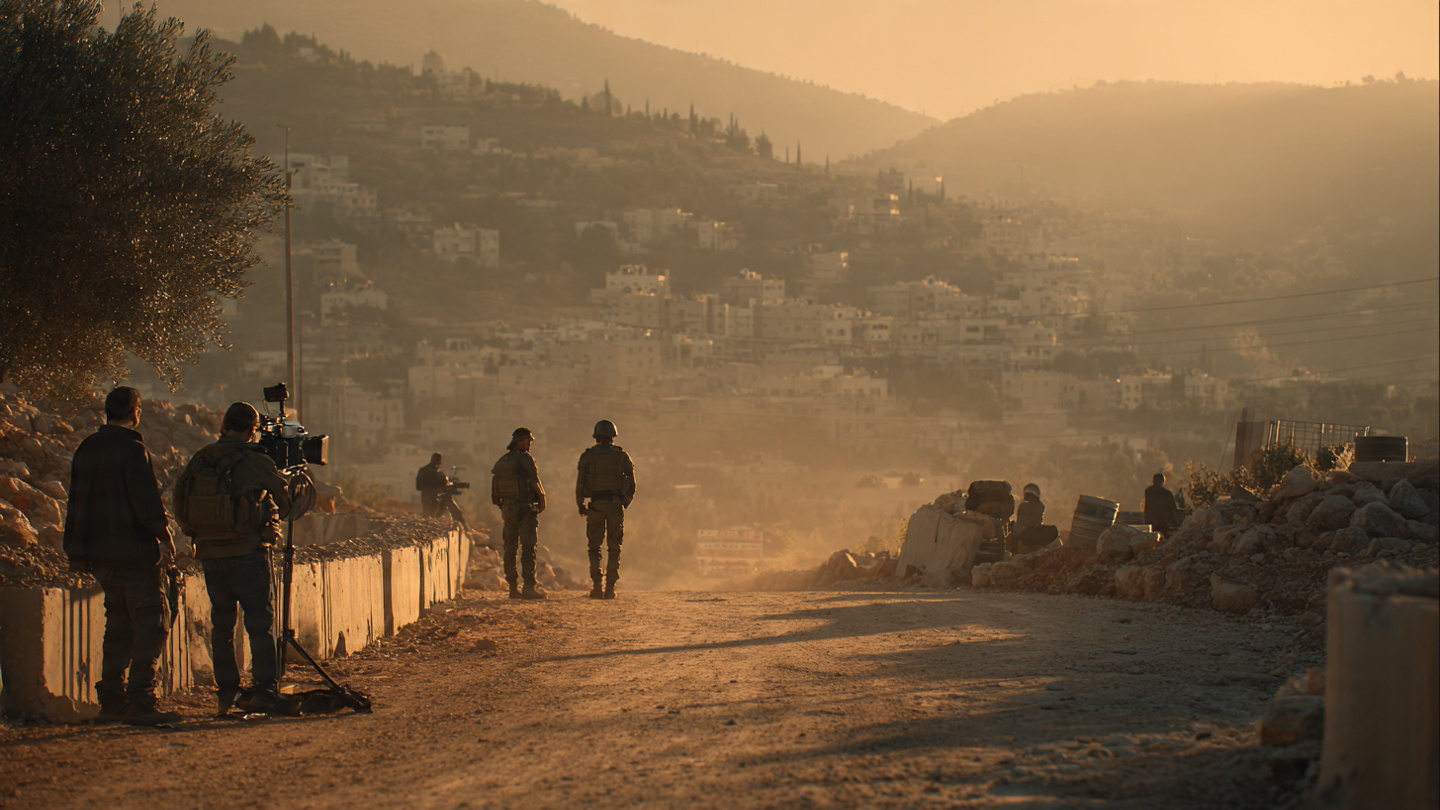
The decision to remove a battalion from the West Bank is significant because militaries rarely want to signal disarray during an already volatile period. Pulling a unit can be interpreted in several ways: as a disciplinary step, an attempt to contain reputational damage, a message to troops, or a gesture to domestic and international audiences that misconduct will not be ignored.
There is also a larger command question here. If a soldier felt comfortable expressing such views openly, observers naturally ask whether those beliefs were isolated, tolerated, or quietly normalized within the unit. That does not mean every member shared the sentiment. It does mean leadership must confront the perception that inflammatory ideology may be influencing behavior on the ground.
What Commanders Usually Need to Assess
In cases like this, military leadership typically has to examine several issues at once:
- Training: Were troops properly instructed on conduct toward civilians and the press?
- Supervision: Were officers present and actively enforcing standards?
- Unit culture: Did language of revenge, domination, or collective blame circulate internally?
- Public trust: How much damage has been done to the institution’s credibility?
- Operational continuity: Can the mission continue without further escalation?
These are not abstract concerns. In conflict zones, unit culture can shape split-second decisions. A military may have formal rules on paper, but if those rules are undermined by anger, ideology, or dehumanizing language, discipline starts to erode where it matters most: in direct encounters with civilians.
The West Bank Context Behind the Controversy
To understand why this story spread so quickly, it helps to place it inside the broader reality of the West Bank conflict. The territory is already one of the most politically charged and tightly scrutinized areas in the world. Questions of settlements, security operations, movement restrictions, land control, and Palestinian civil rights are all layered into everyday life. As a result, even a short exchange caught on camera can carry enormous symbolic weight.
When a soldier says the entire West Bank is “for the Jews,” that statement is heard on multiple levels at once. It is not merely a personal opinion. It intersects with decades of debate over occupation, annexation, nationalism, settlement expansion, and the future of Palestinian statehood. That is why the reaction extends beyond military professionalism and enters the realm of international law, diplomacy, and identity politics.
In my view, this is one reason such incidents rarely remain local. The West Bank is not just a place of checkpoints and patrols; it is a global flashpoint where every image, phrase, and confrontation is interpreted as evidence of something larger.
Why Language Matters So Much in the West Bank
- It shapes fear: Civilians interpret rhetoric as a clue to how they may be treated.
- It influences diplomacy: Allies and critics monitor language for signs of policy direction.
- It affects legitimacy: Military operations are judged not only by actions, but by stated intent.
- It reinforces narratives: Both sides use incidents like this to confirm long-held grievances.
Media Detention and the Role of International Scrutiny
The involvement of a news crew gave this story immediate global visibility. Journalists in conflict zones do more than document events; they become part of the accountability chain. When reporters are detained, obstructed, or intimidated, the concern broadens from battlefield conduct to freedom of the press and transparency.
This matters because independent reporting often shapes how the outside world understands events in the West Bank. If military personnel are seen detaining journalists while making inflammatory statements, the perception is especially damaging. It suggests not only a breakdown in message discipline, but also a possible willingness to confront scrutiny rather than tolerate it.
Practical example: if a tense roadside detention happens with no cameras present, the event may remain buried in local rumor and competing testimony. If it happens in front of an international crew, with clear remarks captured and circulated, it can become a diplomatic issue within hours. That is the power of modern conflict media.
The broader lesson is straightforward: in heavily surveilled conflict environments, operational conduct and public messaging are inseparable. Troops are not only interacting with local communities; they are also performing, intentionally or not, before a global audience.
What This Means for Israel’s International Image
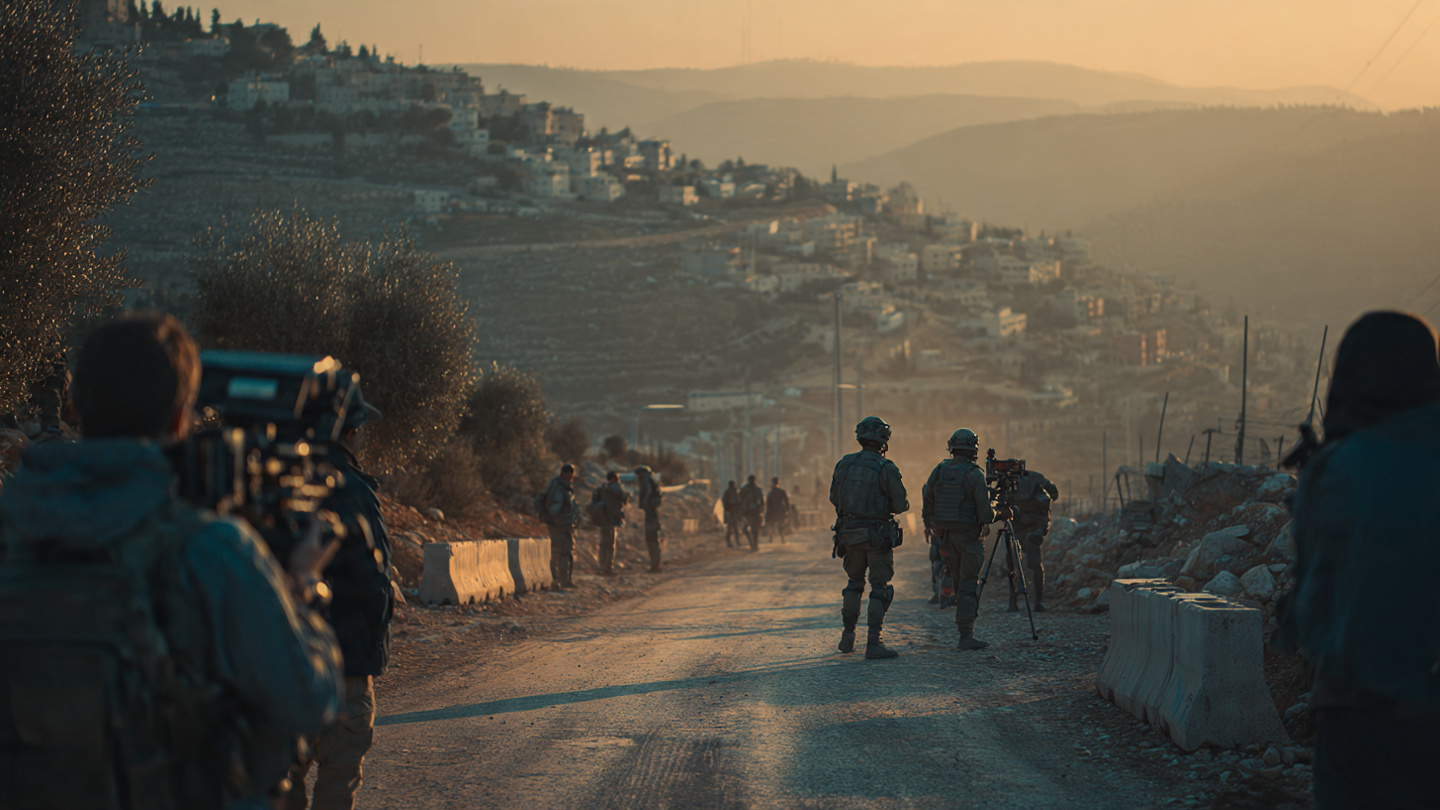
For Israel, the removal of the battalion may help demonstrate that the military takes such incidents seriously. Yet it does not erase the deeper challenge. Stories like this can reinforce criticism from governments, rights groups, legal observers, and segments of the global public who already view the West Bank through the lens of systemic inequality and coercive force.
That makes this more than a disciplinary episode. It becomes a test of whether corrective action is limited to optics or extends to institutional reflection. International credibility depends not only on punishing a visible problem, but on showing that the values violated in public are genuinely defended in practice.
- Short-term impact: reputational damage and intense media attention.
- Medium-term impact: renewed debate over military oversight and West Bank policy.
- Long-term impact: possible hardening of international narratives around occupation and impunity.
In communications terms, this is a classic trust problem. Once the public sees words and actions that appear to contradict official principles, every later statement is tested more harshly.
The Human Consequences Often Overlooked
Behind the headlines are ordinary people already living under extraordinary pressure. For Palestinians in the West Bank, remarks about revenge can deepen the belief that they are not encountering neutral security enforcement, but hostility colored by collective blame. For Israeli families concerned about security, such comments may trigger a different fear: that emotional rhetoric inside military ranks could worsen instability and put everyone at greater risk.
This dual anxiety is important. Conflict hardens communities, but it also narrows the emotional space needed for restraint. When soldiers speak in absolutist or exclusionary terms, even if only a few do so publicly, it can intensify the cycle of fear that keeps violence politically and psychologically entrenched.
I think this is where many outside observers miss the point. The damage is not only strategic or diplomatic. It is social. Words like these deepen the everyday impossibility of trust, and trust is already one of the rarest resources in the region.
Can One Battalion’s Removal Lead to Meaningful Change?
That depends on what follows. Removing a battalion can be a serious corrective measure, but by itself it is not a policy. If military leadership wants the action to be seen as credible rather than cosmetic, it would likely need to pair the move with transparent review, clearer standards, and visible enforcement.
Measures That Could Matter
- Independent review: establish what happened, who knew, and whether conduct rules were breached.
- Training reform: strengthen instruction on civilian interaction, media engagement, and de-escalation.
- Leadership accountability: determine whether supervisors failed to correct dangerous rhetoric or behavior.
- Clear public messaging: reinforce that security operations must never be framed as revenge.
- Ongoing monitoring: track whether problematic language or practices appear elsewhere.
These steps matter because the public rarely judges a military institution only by the initial incident. It judges by the response pattern. Was the reaction defensive, symbolic, and temporary? Or was it corrective, transparent, and durable?
Why This Story Resonates Beyond One News Cycle
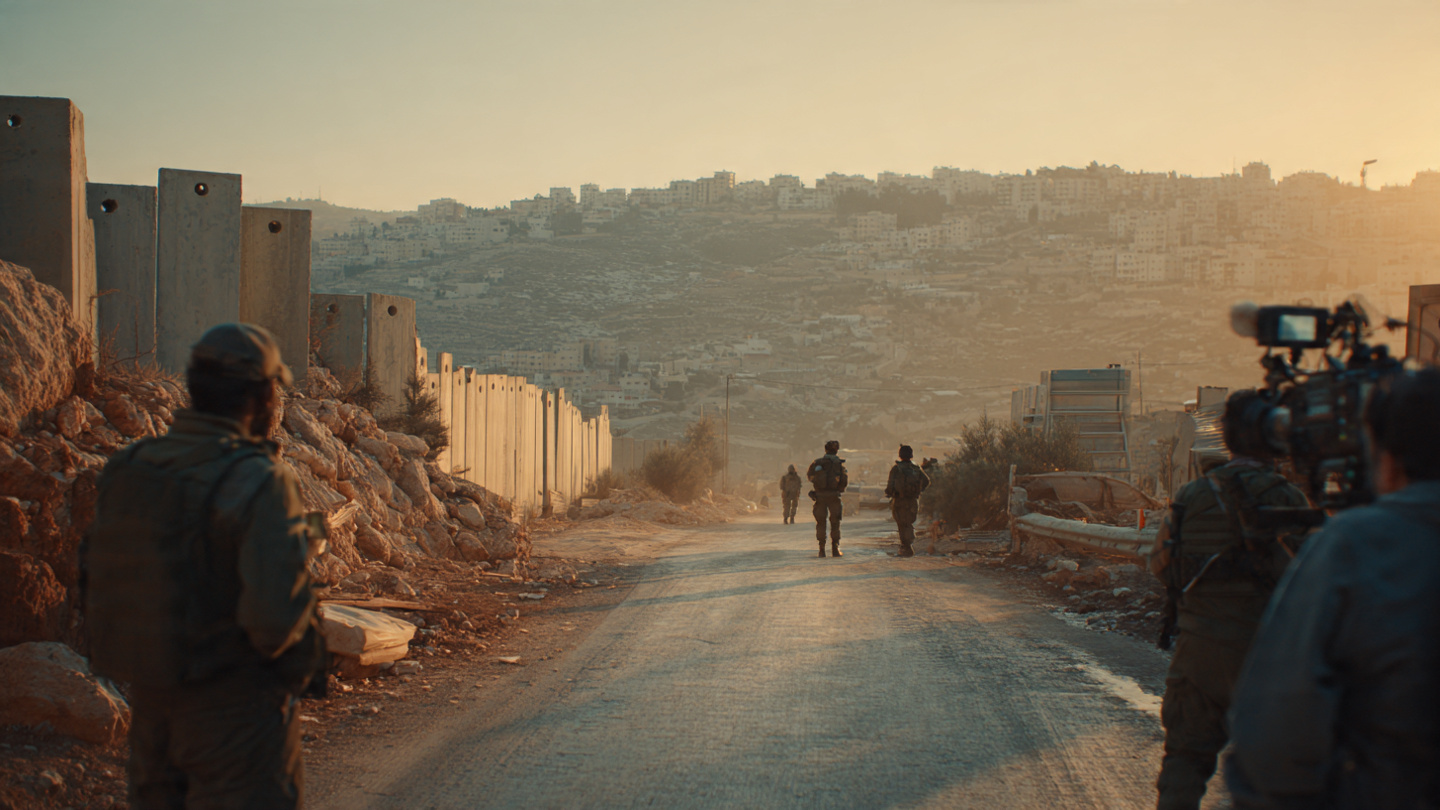
Some controversies fade quickly because they involve ambiguous facts or isolated misconduct with limited symbolic reach. This one is different. It resonates because it sits at the intersection of several enduring global concerns: military accountability, West Bank tensions, treatment of journalists, ideological extremity, and the role of language in legitimizing force.
It also arrives in an era when audiences are more sensitive than ever to the moral framing of state power. People do not only ask what happened. They ask what mindset made it possible. That is why the soldier’s remarks are so central. They appear to offer a rare unfiltered glimpse into motive, and motive is what often shapes the fiercest reactions.
Whether one sees the battalion’s removal as accountability, damage control, or both, the incident has already entered a much larger conversation about how power is exercised in the West Bank and what standards the world expects from armed actors operating there.
Conclusion: A Warning Sign That Demands More Than Symbolism
The withdrawal of a battalion after a soldier’s remarks is not a minor personnel adjustment. It is a warning sign. It suggests that language, conduct, and command culture can collide in ways that force an institution to respond publicly and quickly. But the deeper issue remains unresolved: if revenge rhetoric and exclusionary claims emerge in the field, what does that say about the pressure, ideology, and discipline shaping daily encounters in the West Bank?
True accountability is not measured only by removing one unit. It is measured by whether the response changes behavior, restores trust, protects civilians and journalists, and reinforces the principle that military force must never be driven by vengeance or collective hostility.
For anyone following Israel West Bank developments, this is the real takeaway: the story is not just about one soldier or one battalion. It is about whether institutions can confront dangerous signals before they become entrenched realities. If you want to better understand the region, keep watching not only the headlines, but the responses that follow them. That is often where the most important truths emerge.
Stay engaged, read broadly, and pay close attention to how accountability is defined in moments like this. In conflicts shaped by history, identity, and fear, the public response to a single statement can reveal far more than the statement alone.


