There is a reason so many people are suddenly looking at old camcorders with fresh eyes. In a world where every phone can capture razor-sharp 4K and every app can smooth, brighten, and perfect an image, analog video feels thrillingly imperfect. It wobbles. It blooms. It smears bright lights into soft trails. It records not just a scene, but a feeling.
That is why filming on a camcorder in 2026 does not feel like nostalgia for nostalgia's sake. It feels like a creative correction. When everything digital is optimized to look clean, efficient, and endlessly reproducible, analog video brings back texture, limitation, and surprise. It asks you to commit to a frame, trust the moment, and accept a little chaos.
I have always found that older imaging tools slow you down in the best possible way. With a phone, it is easy to shoot hundreds of clips and care about none of them. With a camcorder, every tape, battery, and low-light gamble matters. The result is often more personal, more memorable, and oddly more alive. That is the real appeal of filming on analog video in 2026: it makes image-making feel tactile again.
Why Analog Video Feels Fresh Again
The comeback of camcorders is not just a trend powered by vintage aesthetics. It is part of a larger movement toward tools that feel specific rather than universal. People are tired of images that all look processed through the same software, graded with the same presets, and compressed for the same social feeds. Camcorder footage offers a visual language that instantly stands apart.
Unlike simulated grain or retro filters, real tape-based video has physical character. Highlights clip in unusual ways. Motion can feel ghostly and fluid. Skin tones shift unpredictably. The image may soften at the edges or pulse when the camera struggles with contrast. These are not flaws to be removed. They are signatures.
- It looks distinct: analog video creates a texture modern smartphones cannot authentically replicate.
- It changes how you shoot: limitations encourage intention instead of endless capture.
- It feels emotional: tape footage is often associated with home movies, concerts, travel, and memory.
- It invites experimentation: every camera model renders motion, color, and low light differently.
For younger creators, this look feels new. For older creators, it feels rediscovered. Either way, it has become one of the most interesting visual alternatives to polished digital content.
The Appeal of the Camcorder Aesthetic
Imperfection Creates Atmosphere
Modern video often aims for technical excellence: perfect sharpness, clean dynamic range, stable exposure, and accurate color. Those qualities are useful, but they can also flatten mood. A good camcorder does the opposite. It turns ordinary rooms into hazy memory spaces. Streetlights glow. Skin looks softer. Motion gains a sense of time passing through it.
This is why the camcorder aesthetic works so well for music videos, travel diaries, behind-the-scenes footage, fashion editorials, skate clips, and family documentation. It does not just record reality. It interprets it.
Memory and Storytelling Are Built In
There is also a psychological layer to analog video. Tape immediately evokes memory culture. Even if someone did not grow up using a camcorder, they recognize the emotional coding of that image style. It says: this mattered enough to save. It feels intimate, domestic, candid, and human.
That makes analog especially powerful for storytelling. A birthday party shot on tape feels less like content and more like an artifact. A city walk at dusk becomes dreamlike. A rehearsal clip feels like a secret. For creators, that built-in emotional resonance is gold.
Why 2026 Is the Right Time to Start
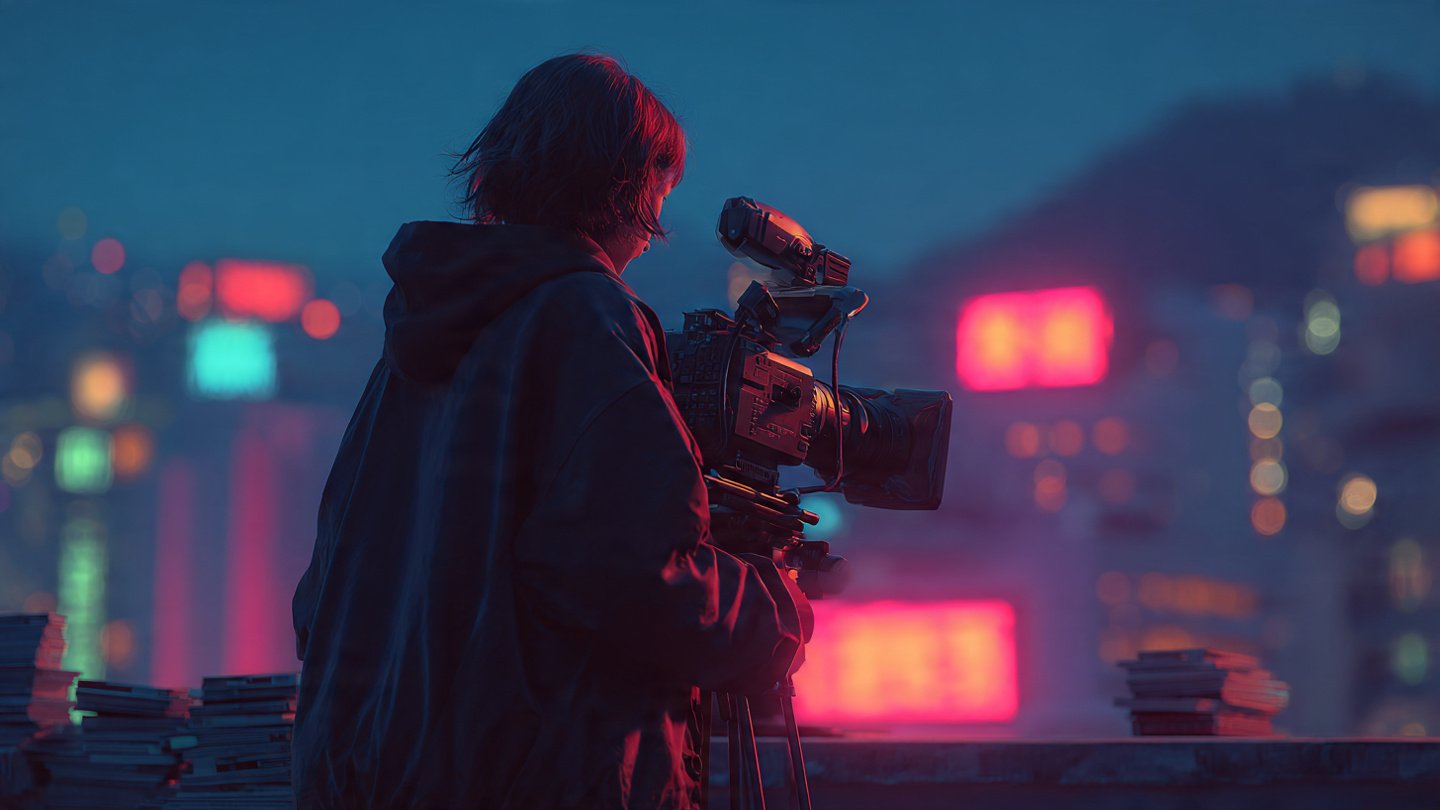
The irony of 2026 is that analog video is easier to adopt now than it was in its original era. Vintage buying communities are larger. Repair information is easier to find. Transfer workflows are better documented. Accessory adapters, capture devices, and battery replacements are widely discussed by enthusiasts. In other words, the barriers are lower, even if the technology is older.
At the same time, culture is ready for it. Audiences have become incredibly fluent in visual language, and they can instantly tell when an image has personality. Creators who use analog video well are not simply being retro. They are differentiating themselves in an oversaturated media environment.
- Social platforms reward distinctive visuals: standout footage earns attention faster than technically perfect sameness.
- Niche communities are thriving: collectors, filmmakers, musicians, and fashion creatives are actively sharing workflows.
- Secondhand gear is still available: there are affordable entry points if you buy carefully.
- Hybrid creation is easier: you can shoot on tape and edit digitally without much friction.
How to Choose the Right Camcorder
If you want to buy a camcorder in 2026, do not obsess over finding a mythical perfect model right away. Start with your use case. The best analog video camera for a documentary-style travel diary is not necessarily the best one for music performances or home movies.
Formats Matter More Than Beginners Expect
The first decision is format. VHS-C, Video8, Hi8, MiniDV, and Digital8 each offer different workflows, costs, and image qualities. If your goal is true analog video, formats like VHS-C, Video8, and Hi8 are the natural starting points. MiniDV has a different appeal, leaning into early digital tape aesthetics rather than fully analog character.
Hi8 often hits a sweet spot for beginners because it can deliver a strong vintage look while remaining relatively practical. VHS-C has a wonderfully rough, classic home-video vibe. Video8 can feel especially cinematic in the right conditions. Each one has its own personality.
What to Check Before You Buy
Secondhand camcorders can be great value, but condition matters. A cheap camera is not a bargain if the transport mechanism is failing or the battery is dead and impossible to replace.
- Test playback and recording: a working viewfinder alone is not enough.
- Check battery options: many original batteries no longer hold useful charge.
- Inspect tape doors and motors: sticky mechanisms are a warning sign.
- Confirm included accessories: chargers, cables, and tapes can add hidden cost.
- Look for sample footage: sellers who can provide real footage inspire more confidence.
If possible, buy from someone who understands vintage cameras rather than a random seller who found one in storage. A tested camcorder is usually worth paying more for.
Practical Tips for Filming on Analog Video
Lean Into the Strengths
Analog cameras often shine in situations where mood matters more than precision. Golden hour, neon signs, dim interiors, rehearsal spaces, road trips, and candid gatherings tend to look fantastic on tape. Instead of fighting the medium, use it for scenes where softness and color shift become part of the story.
I often recommend that first-time users stop trying to make analog footage look modern. Let it be what it is. Hold shots a little longer. Pan more gently. Accept flare, noise, and uneven exposure. Those qualities are not mistakes when they serve the atmosphere.
Think Like an Editor While You Shoot
Because tape feels finite, it naturally encourages better habits. Shoot beginnings, middles, and endings. Capture room tone moments, transitions, and close details. Record signs, hands, shoes, empty streets, and reactions, not just main events. Even casual camcorder footage becomes much more compelling when the clips can be shaped into a narrative.
- Open with an establishing shot to set the place.
- Capture medium shots for action and interaction.
- Grab close-ups for texture and emotion.
- End scenes with a pause rather than cutting immediately.
This approach makes your analog video far more usable later, whether you are cutting a personal montage or a polished creative project.
How to Blend Analog and Digital Without Losing the Magic
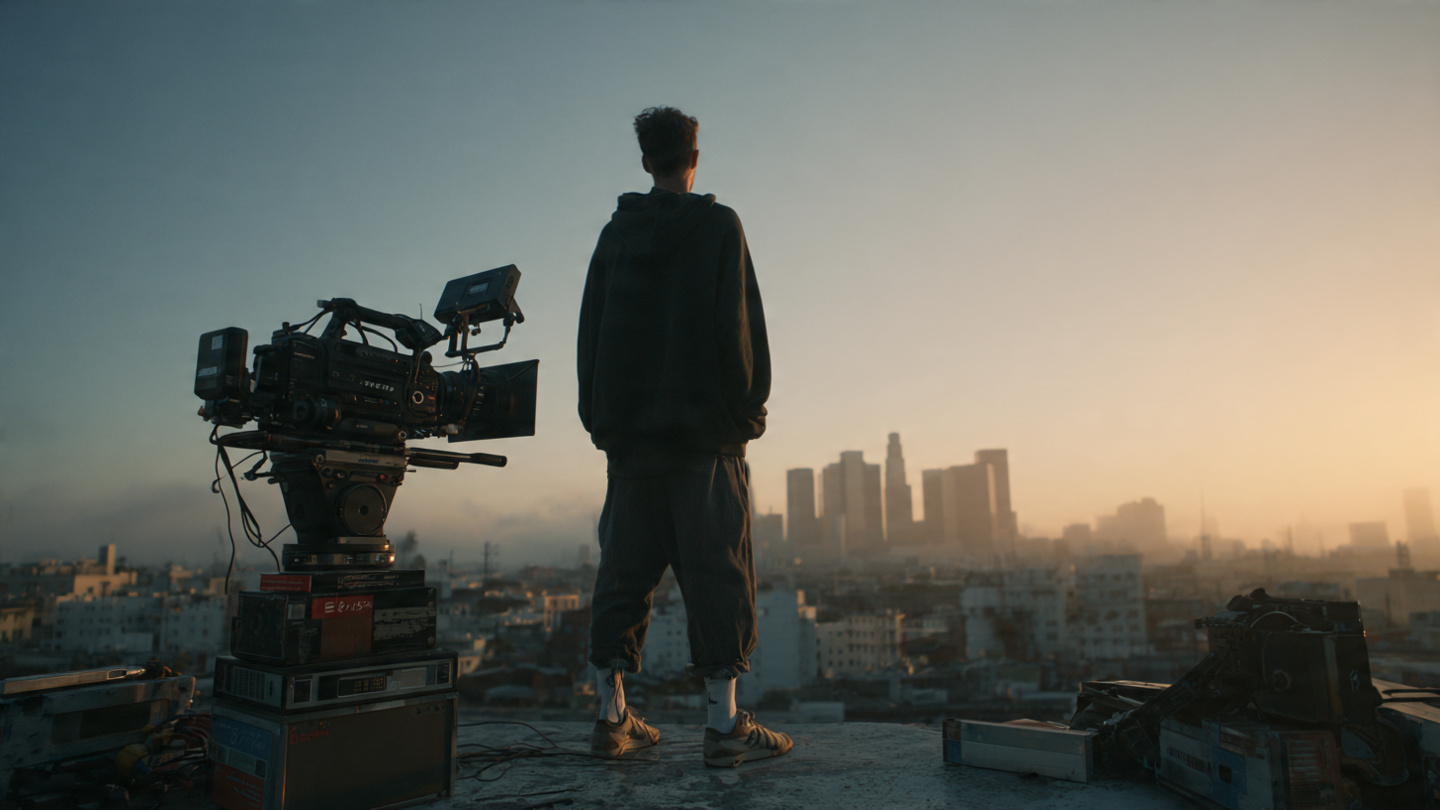
The smartest creators in 2026 are not treating analog and digital as opposing camps. They are using both. A camcorder can become one ingredient in a broader visual toolkit. You might shoot interviews digitally for clarity, then use tape footage for atmosphere, transitions, and emotional beats. Or you might record an entire event on analog and only use digital tools for editing and distribution.
The key is restraint. Once you transfer your footage, avoid over-processing it. Heavy sharpening, aggressive denoising, and trendy color grades can strip away the very character that made the footage appealing. Clean it only as much as necessary for the story to work.
Great Uses for Hybrid Workflows
- Travel films: digital for wide scenic coverage, analog for diary-like intimacy.
- Weddings and events: digital for reliability, analog for emotional inserts.
- Brand storytelling: modern product shots paired with tape-based behind-the-scenes footage.
- Music content: polished performance clips mixed with raw camcorder rehearsals.
This blend creates contrast, and contrast creates interest. That is often where the strongest visual storytelling lives.
Who Should Try Analog Video in 2026?
You do not need to be a filmmaker, collector, or vintage gear fanatic to enjoy this medium. In fact, some of the most satisfying analog projects come from people who simply want their memories to feel less disposable.
Analog video is ideal for:
- Creators who feel bored by smartphone footage
- Musicians who want a raw visual identity
- Fashion and art students building a distinct portfolio
- Families documenting milestones with more warmth and personality
- Travelers who want mood instead of hyper-clean perfection
- Anyone interested in slowing down and filming more intentionally
If you have ever looked at your camera roll and felt that everything was technically good but emotionally flat, a camcorder may be exactly the reset you need.
The Limits Are Real, and That Is Part of the Value
Of course, analog video is not magic. Tape can be fragile. Low light can become messy fast. Audio may be inconsistent. Gear can fail. Importing footage takes effort. You will not get the convenience of a phone or the precision of a modern mirrorless camera.
But those limits are also what give the medium its edge. They force decisions. They encourage care. They turn shooting into an activity rather than a reflex. In an era of endless recording, that sense of friction can be incredibly refreshing.
There is also a broader creative lesson here. Sometimes the best tool is not the one with the most features. It is the one that changes how you see. A camcorder does exactly that. It reminds you that images can be expressive before they are efficient.
Conclusion
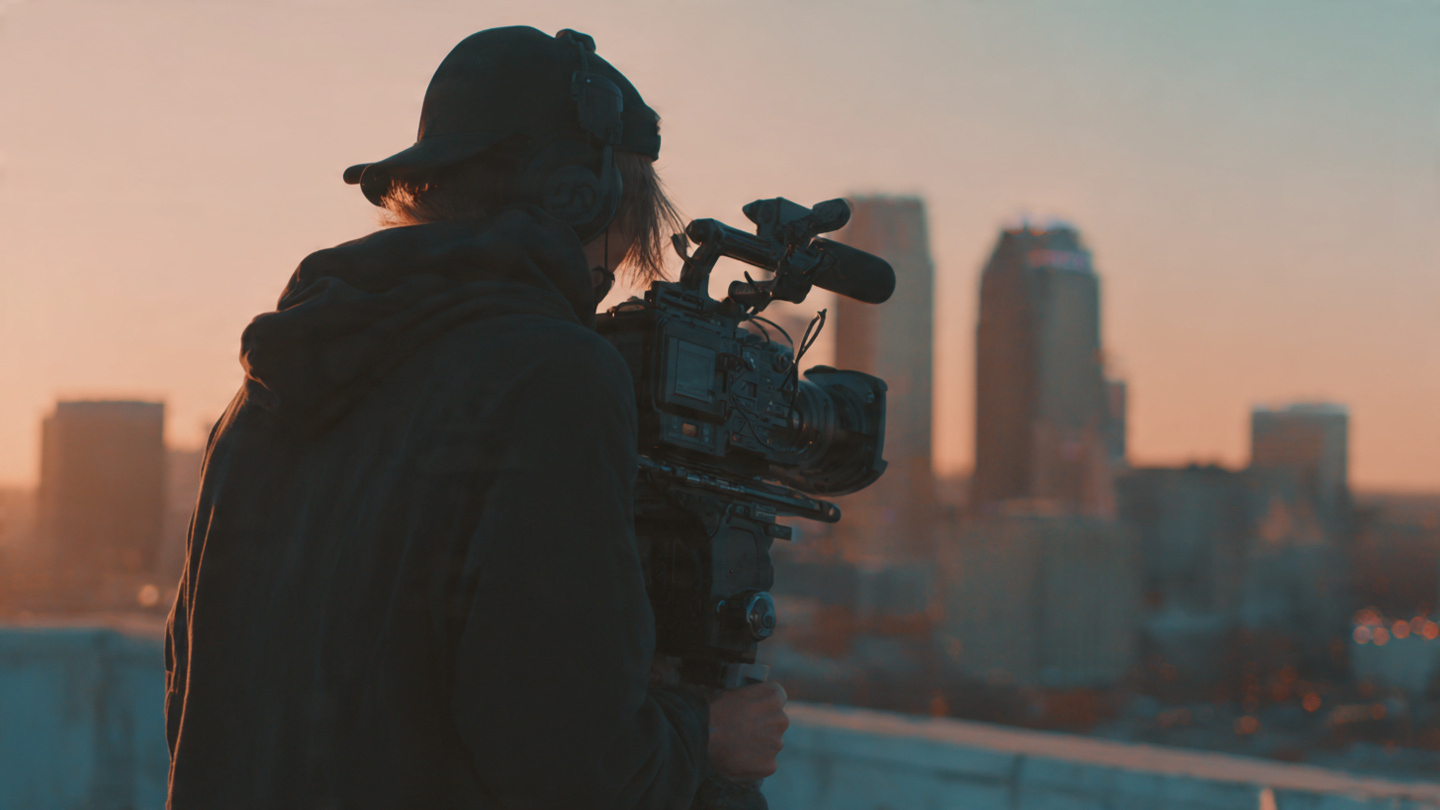
Filming on a camcorder in 2026 is not about pretending it is 1996. It is about reclaiming a way of seeing that modern imaging has mostly engineered out: softness, unpredictability, tactility, and emotional depth. Analog video stands out because it does not chase perfection. It captures presence.
If you are tired of sterile footage, tired of endlessly polished content, or simply curious about a format that makes everyday life feel cinematic again, now is a great time to start. Find a working camcorder, buy a few tapes, and shoot something ordinary: a walk home, a late dinner, your friends laughing under bad lights. You may discover that the images you love most are the ones that breathe a little, drift a little, and refuse to look like everything else online.
The best way to understand analog video is to use it. Pick up a camcorder, press record, and let the imperfections do what filters never truly can: turn moments into memories.


