When you leave cell towers behind, your gear stops being about convenience and starts being about trust. That is exactly where the Garmin inReach Mini 3 Plus enters the conversation. It is marketed as a compact satellite messenger for hikers, trail runners, overlanders, hunters, paddlers, and anyone who spends real time outside the reach of normal phone service. On paper, it looks like a near-perfect backcountry companion: small enough to stash in a jacket pocket, smart enough to send check-ins and location updates, and powerful enough to trigger an SOS in a genuine emergency.
But there is a catch, and it is a meaningful one. The device itself is only part of the cost. To unlock the experience Garmin is really selling, you have to step into a subscription ecosystem that can feel increasingly expensive over time. That does not make the product bad. In fact, for the right user, it may be one of the smartest safety purchases available. The real question is whether the Garmin inReach Mini 3 Plus review story is one of practical value or one of feature-heavy upselling.
After looking closely at its design, performance, tracking features, messaging tools, battery life, and the unavoidable subscription model, the answer becomes clear: this is a robust, reassuring piece of outdoor technology, but it makes the most sense for people who regularly travel beyond reliable coverage. If your adventures are occasional, the math gets harder to justify.
What the Garmin inReach Mini 3 Plus Is Built to Do
The core purpose of the Garmin inReach Mini 3 Plus is simple: keep you connected when your phone cannot. Unlike a standard GPS tracker or smartwatch, this device relies on satellite communication to send messages, share your location, and contact emergency response services from remote areas.
That matters more than many people realize. A dead zone on a weekend day hike might be a minor inconvenience. The same lack of signal during a whiteout, a twisted ankle miles from the trailhead, or a vehicle breakdown on a remote forest road can become a serious safety issue very quickly.
Garmin understands this audience well. The device is clearly aimed at people who want a backcountry communication device that feels dependable first and flashy second. It emphasizes portability, durability, battery endurance, and access to emergency services over novelty.
- Primary use: satellite-based messaging and emergency communication
- Best for: hikers, backpackers, climbers, overlanders, hunters, and expedition travelers
- Main value: contact and location sharing where phones lose service
- Main drawback: subscription fees significantly affect total ownership cost
Design and Portability in Real-World Use
One of the biggest strengths of the inReach line has always been size, and the Mini 3 Plus continues that philosophy. A satellite communicator only helps if you actually bring it, and Garmin seems to understand that every ounce matters when you are counting pack weight.
In practical terms, the compact build makes this device easy to clip to a shoulder strap, slip into a pants pocket, or keep accessible in the top lid of a backpack. That sounds like a small detail until you imagine trying to reach for it in bad weather or after a fall. Gear that disappears into your setup without adding hassle is usually the gear you use consistently.
The physical design also inspires confidence. A device like this does not need to be luxurious; it needs to feel ready for dust, rain, temperature changes, and the kind of rough handling outdoor gear inevitably gets. The Mini 3 Plus appears to lean into that exact expectation with a rugged, utilitarian feel rather than delicate styling.
From a personal perspective, that matters more than sleekness. If I am several hours into a solo hike and the weather suddenly turns, I do not care whether a satellite messenger feels modern in the hand. I care whether it is easy to grab, readable in poor light, and straightforward to use under stress. This device seems designed with that mindset.
Messaging, Tracking, and SOS Features
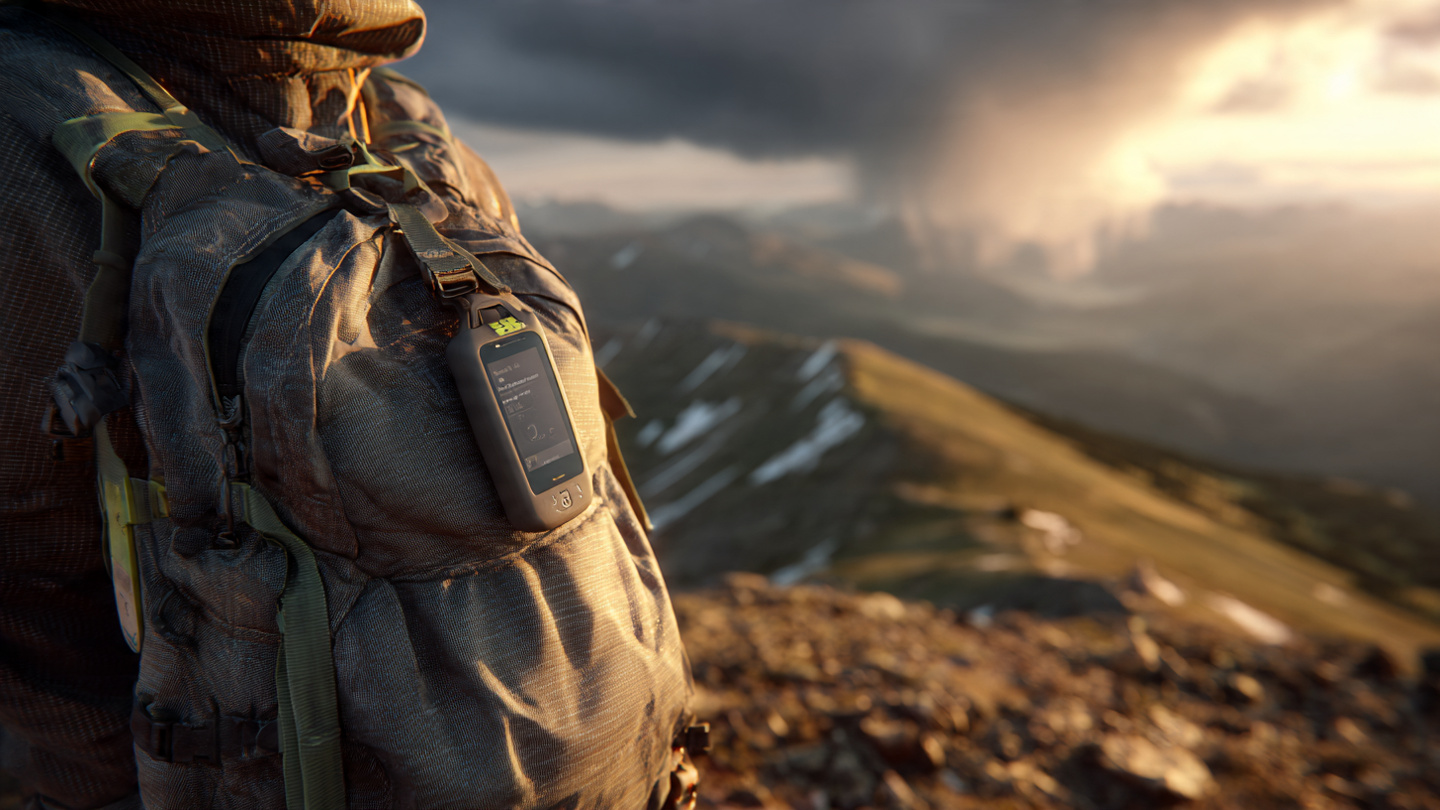
Why satellite messaging still matters
The headline feature is, of course, messaging over satellite. This is the reason most buyers will consider the device in the first place. The ability to send preset updates, short texts, or location check-ins can be immensely reassuring for both the user and the people waiting at home.
If you have ever headed out for a multi-day trip, you know how valuable a simple message can be. Something as basic as “Running late but all good” can prevent unnecessary worry, avoid mistaken emergency calls, and make group logistics easier to manage. A satellite messenger review is incomplete without emphasizing that these little moments are often where the product proves its worth.
SOS and emergency response
The emergency SOS function is the most important part of the package. This is not a feature anyone wants to use, but it is the reason many people are willing to pay for the device and the service plan. In a genuine crisis, being able to transmit an alert through satellite networks can be life-changing.
That peace of mind is difficult to quantify until you actually need it. Solo hikers, parents of young adventurers, and couples who split up on long routes all tend to understand the emotional value instantly. Even if it never gets used, knowing that help can be contacted without cell service changes how people plan and assess risk.
Tracking and location sharing
Tracking adds another layer of utility. Friends and family can follow your progress, and in some cases that can serve both safety and convenience. Overlanders can share rough arrival expectations. Backpackers can reassure loved ones without stopping to compose detailed texts. Group leaders can keep records of routes and timing.
- Useful for solo travel: lets others know your position without constant phone updates
- Useful for families: reduces anxiety during remote trips
- Useful for groups: helps coordinate changing plans in the field
- Useful in emergencies: location data may improve response efficiency
Battery Life and Reliability Off the Grid
Battery performance can make or break a remote safety device. It is not enough for a satellite communicator to work well during a weekend test. It has to remain dependable after long days, cold mornings, and repeated check-ins. That is where Garmin typically earns its reputation, and the Mini 3 Plus appears to continue that tradition.
A good Garmin satellite messenger should not demand constant charging anxiety. Instead, it should encourage smart use: periodic check-ins, occasional texts, location tracking when needed, and enough standby life to keep the device relevant on longer outings. For backpackers or expedition users, that reliability matters more than almost any secondary feature.
There is also a psychological component. People treat battery percentages differently when they know the device may be part of an emergency plan. A phone at 20% feels inconvenient. A satellite communicator at 20% can feel unsettling. That is why steady endurance is such a core selling point.
In practice, users who manage brightness, tracking frequency, and message volume are likely to get the best experience. Anyone expecting heavy messaging and constant tracking should also accept that battery life will drop faster. This is normal, but it is worth understanding before a long trip.
Ease of Use: Smart Companion or Learning Curve?
Satellite devices often walk a fine line between simplicity and feature overload. Garmin tends to pack in a lot of capability, which is excellent on paper but can create friction for new users. The inReach Mini 3 Plus looks most attractive when paired with planning, not improvisation. In other words, this is not the kind of device you want to activate for the first time in a trailhead parking lot.
Once set up properly, the experience can be very strong. Preset messages, saved contacts, synced routes, and app integration all make the device far more practical in the field. But those conveniences depend on spending a little time beforehand learning the menus, service plan details, and communication workflow.
That is not necessarily a flaw. Many outdoor tools reward preparation. Still, it does reinforce the idea that this is a product for committed users rather than casual buyers who want a magic button with no setup.
The Subscription Problem: Where the Upselling Shows

Here is where the conversation gets more complicated. The device hardware is only the beginning. To get the most from the Garmin inReach Mini 3 Plus, you need an active subscription plan for satellite communication services. Depending on how Garmin structures the tiers, you may find yourself paying more for tracking frequency, messaging volume, or seasonal flexibility than you initially expected.
This is the single biggest reason some buyers will hesitate, and fairly so. The value of the device is closely tied to how often you use it. If you spend multiple weekends a month in remote terrain, the fees can feel justified. If you only take one or two major trips a year, the total cost starts to look much less friendly.
That is what people mean when they describe the product as robust but full of upselling. Garmin gives you a highly capable platform, then places parts of the best experience behind ongoing payments. From a business standpoint, it makes sense. From a consumer standpoint, it can feel like buying peace of mind in installments.
When the fees make sense
The subscription becomes easier to defend if your outdoor life regularly includes remote risk. Think of:
- solo backpackers spending nights far from roads
- backcountry skiers traveling beyond reliable service
- hunters moving through sparsely populated terrain
- overlanders crossing large rural areas
- guides and trip leaders responsible for other people
For these users, the device is not just another gadget. It is part of a risk-management system.
When the fees feel hard to justify
If most of your adventures happen on crowded trails, in national parks with regular traffic, or in places where your smartphone only briefly loses signal, the value equation changes. In those cases, the ongoing fees may feel like paying premium prices for rare scenarios.
This is especially true for casual campers or people who simply like the idea of being prepared but do not often leave well-traveled areas. The Mini 3 Plus may still be attractive, but it becomes more of a luxury safety tool than a must-have device.
Who Should Buy the Garmin inReach Mini 3 Plus?
The strongest recommendation goes to people whose adventures routinely place them outside normal communication range. That is the heart of this device. Not everyone needs it, but for the right person, it can be one of the most important tools in their kit.
Best fit users
- Solo hikers and backpackers: especially those on long or remote routes
- Trail runners and mountain athletes: for fast-moving missions in low-coverage terrain
- Overlanders: who need dependable communication beyond highways and towns
- Hunters and anglers: who regularly travel into isolated areas
- Outdoor professionals: guides, instructors, and trip planners managing safety
Maybe not the best fit
- Casual day hikers: sticking to popular routes with steady traffic
- Budget-conscious buyers: who will resent monthly or annual service fees
- Infrequent adventurers: who only go off-grid once or twice a year
Practical Value in Everyday Adventure Scenarios
Imagine three very different users.
The first is a solo backpacker doing multi-night routes in shoulder season. She sends a preset check-in every evening, keeps tracking on at a moderate interval, and knows that if weather or injury changes the trip, she can communicate. For her, the inReach Mini 3 Plus feels essential.
The second is an overlander exploring desert roads with a partner. Their vehicle is reliable, but recovery could take time if something breaks. They use the device sparingly, mostly for check-ins and route updates. For them, it acts as a smart backup plan.
The third is a casual weekend hiker who mostly sticks to established routes within a few hours of home. He likes the idea of satellite safety but rarely needs it. For him, the device is harder to justify because the subscription cost may outweigh its actual use.
These examples highlight the core truth: the value of a best satellite messenger for hiking conversation depends less on raw specifications and more on your real habits.
Final Verdict: Strong Safety Tool, Questionable Value for Everyone
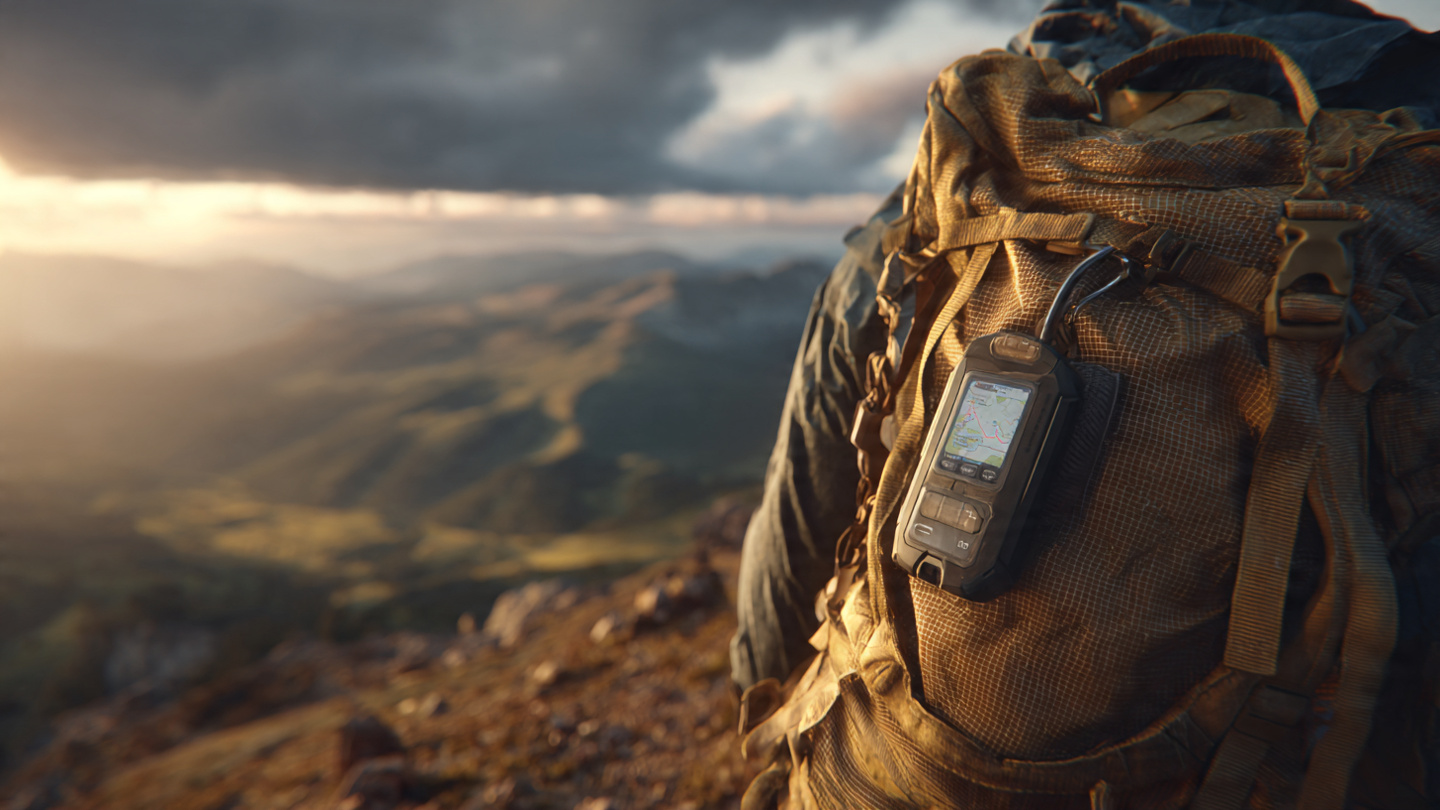
The Garmin inReach Mini 3 Plus earns respect because it focuses on what matters most in the backcountry: communication, location sharing, portability, and emergency support. It appears to be exactly the kind of device people hope they never need, yet are deeply grateful to carry. That alone gives it serious credibility.
At the same time, the recurring fees cannot be ignored. This is not a one-time purchase in the way a headlamp, trekking pole, or water filter might be. It is a long-term service relationship, and Garmin clearly monetizes that relationship. If you are off-grid often, the cost can be justified as part of your safety budget. If you are not, the upselling becomes more visible and more frustrating.
So is it worth it? Yes, for dedicated remote travelers, solo adventurers, and anyone who views communication as an essential part of trip safety. Maybe not for occasional users who simply want another outdoor gadget.
If you are serious about spending time beyond cell coverage, the smart move is to compare your trip frequency, risk profile, and budget before buying. If the numbers line up, the inReach Mini 3 Plus could become one of the most valuable pieces of gear you own. If they do not, it may be wiser to wait until your adventures truly demand it.
Before you decide, ask yourself one simple question: how often do you really go where your phone cannot help you? If the answer is “often,” this device deserves a place on your shortlist. If the answer is “rarely,” keep looking and spend your money where it will matter more.


