Samsung knows how to build a polished flagship. That much is clear the moment you pick up the Galaxy S26 or Galaxy S26+. The hardware feels refined, the displays are predictably excellent, and the software remains packed with useful features. But after the first wave of excitement fades, a harder question emerges: are these phones actually moving the experience forward, or are they simply asking buyers to pay more for very little change?
That tension defines the entire story of the Samsung Galaxy S26 review conversation. These are not bad phones. In fact, they are very good phones in several important ways. Yet they are also difficult to get excited about. In a premium market where buyers expect meaningful camera gains, battery breakthroughs, smarter software, or standout design changes, the Galaxy S26 and Galaxy S26+ feel more like careful refinements than ambitious flagships.
For longtime Samsung users, that may not be a deal-breaker. Reliability matters. Familiarity matters. A stable upgrade path matters. But for anyone comparing the latest Samsung phones against strong competition, the value equation gets more complicated. If the experience feels nearly identical to last year while the price climbs, consumers are justified in asking what exactly they are paying extra for.
This is where the Galaxy S26 and Galaxy S26+ land: competent, premium, easy to like, but surprisingly hard to love.
Samsung Galaxy S26 and Galaxy S26+: The Big Picture
The Galaxy S26 and Galaxy S26+ are classic examples of Samsung leaning on consistency. They deliver a sleek industrial design, bright and responsive AMOLED screens, strong flagship performance, dependable camera quality, and a mature Android experience. In isolation, those strengths are impressive. In context, they feel less special because Samsung has not dramatically expanded what these phones can do.
That makes this release feel conservative. The brand is clearly betting that buyers still prioritize trust, polish, and ecosystem familiarity over dramatic experimentation. There is logic behind that strategy, especially for mainstream premium buyers who want a phone that simply works well every day. Still, there is a difference between refinement and stagnation, and the S26 line occasionally drifts too close to the latter.
- What works: premium build quality, excellent displays, fast performance, polished software
- What disappoints: limited innovation, unclear upgrade value, rising prices
- Who may still like them: loyal Samsung users, buyers coming from much older phones, users who want dependable flagship basics
- Who should pause: recent Galaxy owners, value-focused shoppers, anyone expecting major camera or battery leaps
Design and Build: Familiar, Premium, and Almost Too Familiar
A polished look with little surprise
Visually, Samsung continues to play it safe. The phones look elegant, slim, and unmistakably premium, but they do not feel meaningfully different from recent generations. The materials are top-tier, the edges are refined, and the overall craftsmanship is hard to fault. If you like Samsung's modern flagship aesthetic, you will probably appreciate what is here. If you were hoping for a more daring design shift, this release will seem routine.
In day-to-day use, the restrained design has practical benefits. The phones are comfortable to hold, the weight distribution feels balanced, and the finish gives off the premium confidence expected in this price tier. Samsung deserves credit for consistency, especially because many buyers care more about ergonomics than novelty. But at the same time, premium phones should spark some excitement. The S26 series feels more like a continuation than a statement.
Size differences still matter
The size split remains one of the clearest reasons to choose between these two models. The standard Galaxy S26 will appeal to users who want a more manageable device that slips easily into a pocket and is more comfortable for one-handed use. The Galaxy S26+ offers a roomier screen and larger overall footprint, which makes it a stronger fit for streaming, multitasking, gaming, and longer reading sessions.
Personally, this is one area where Samsung still understands the assignment. Not everyone wants an ultra-large phone, and not everyone wants to compromise on screen real estate. The problem is that size alone cannot carry the sense of differentiation buyers expect from a new flagship generation.
Display Quality: Still One of Samsung's Strongest Advantages
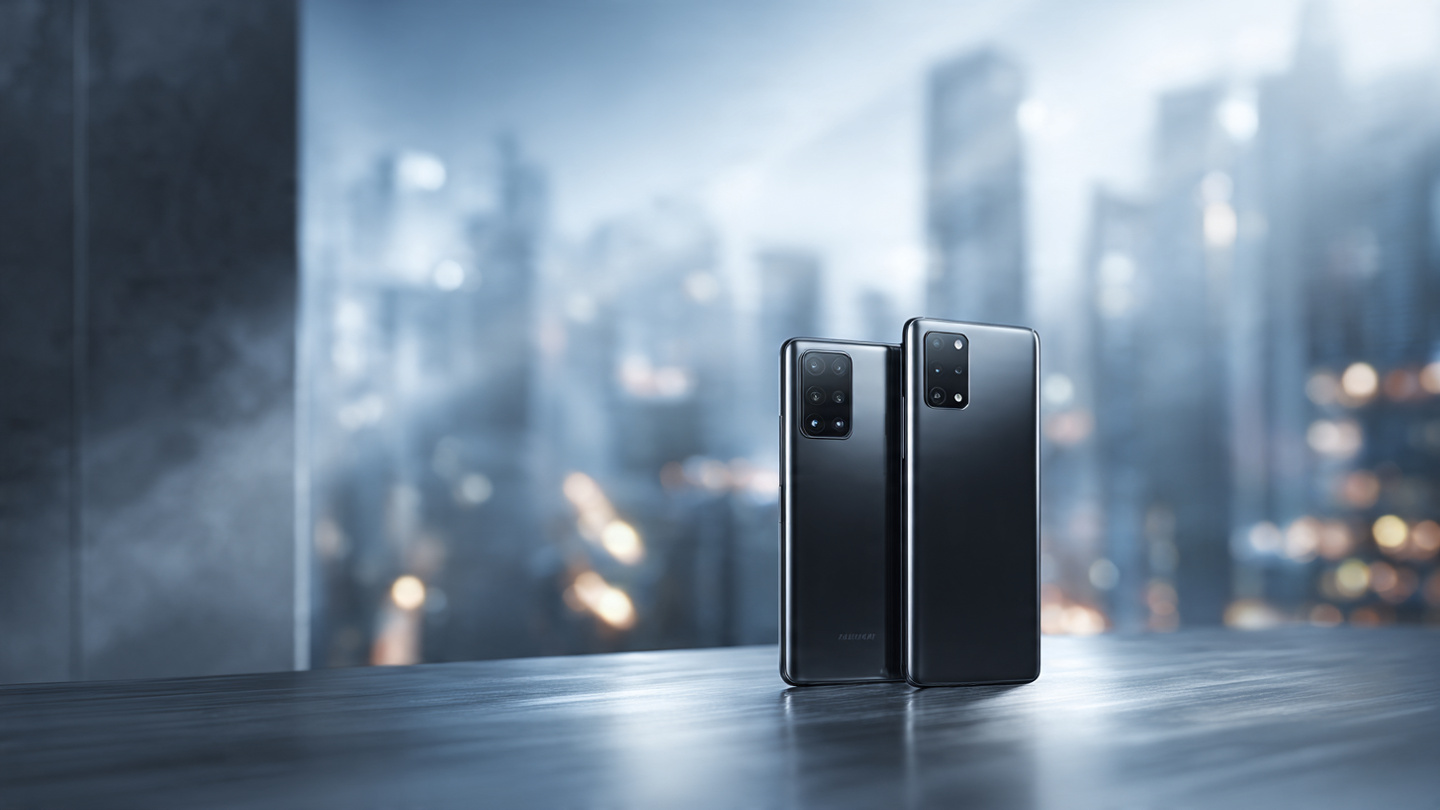
If there is one category where Samsung rarely disappoints, it is display quality. The Galaxy S26 display experience remains a standout. Colors are rich without looking cartoonish, brightness is strong for outdoor use, blacks are deep, and scrolling feels smooth and responsive. Whether you are watching video, browsing social media, editing photos, or reading for long stretches, these phones deliver the kind of visual quality people expect from a premium Samsung device.
The Galaxy S26+ especially benefits from its larger panel. It creates a more immersive entertainment experience and gives productivity users more room to work with split-screen apps and dense interfaces. For buyers who use their phone as their main media device, that larger canvas is likely the most persuasive argument in favor of the Plus model.
That said, while the displays are excellent, they are not enough on their own to justify a major upgrade for recent Galaxy owners. Samsung has spent years leading this category, so maintaining that lead feels expected rather than exciting. It is a strength, but not a surprise.
Performance and Software: Fast, Capable, and Predictably Smooth
Flagship speed without a clear leap forward
Performance is solid across the board. Apps launch quickly, multitasking feels fluid, gaming is stable, and the phones handle demanding everyday workloads with ease. This is exactly what buyers should expect from a flagship in 2026. Samsung's optimization also helps the experience feel mature rather than flashy. There is no major friction here, which is good news for productivity-focused users.
Still, this is another area where the S26 line feels more competent than transformative. The phones are fast, but not in a way that changes how most people will use their devices. If you are upgrading from a phone that is three or four years old, the difference will feel dramatic. If you are moving from a recent high-end Samsung, the gains may feel modest.
Samsung's software remains feature-rich
Samsung's Android skin continues to offer a deep feature set. The interface has become cleaner over time, and many of Samsung's extras genuinely improve everyday use. Productivity features, customization tools, security settings, and ecosystem integration all remain strong selling points. Users with Galaxy tablets, earbuds, watches, or laptops will likely appreciate the continuity.
There is also a growing emphasis on Galaxy AI features and smart assistance tools. Some of these additions are useful, especially for search, productivity, and communication tasks. But the broader smartphone market is now crowded with AI messaging, and Samsung no longer feels uniquely ahead just because it adds more intelligent tools. Buyers are becoming more selective. They want features that solve real problems, not just more headlines.
In practical terms, that means software on the S26 and S26+ is polished and capable, but it does not feel like a defining reason to upgrade unless your current phone is noticeably older.
Camera Experience: Dependable Results, Limited Excitement
The Galaxy S26 camera system is reliable, and that matters. Samsung continues to deliver photos with strong detail, vivid color, and broad versatility across common shooting scenarios. Daylight images are sharp and social-media friendly, portraits usually look flattering, and video quality remains competitive for casual creators. For most users, the cameras will feel more than good enough.
But flagship standards have changed. Buyers now expect not only good photos, but obvious year-over-year improvement. That is where the S26 series starts to feel underwhelming. The imaging experience is polished, yet it does not create the sense that Samsung has taken a major leap in computational photography, low-light performance, or zoom consistency.
I keep coming back to the same thought: if you are spending premium money, you want a reason to show off the upgrade. You want to take a night photo and immediately notice cleaner shadows or stronger highlight control. You want zoom images that hold up better than before. You want skin tones that feel more natural in difficult lighting. The Galaxy S26 and Galaxy S26+ often deliver good results, but not the kind of results that make last year's phones feel outdated.
Where the cameras still shine
- Daylight photography: crisp, colorful, and dependable for everyday shooting
- Video recording: stable and clean, especially for casual content creation
- Ease of use: Samsung keeps the camera app intuitive for point-and-shoot users
- Versatility: enough lens flexibility for travel, portraits, and quick social media capture
Where they feel less ambitious
- Incremental gains: improvements feel small rather than transformative
- Competitive pressure: rivals are pushing harder in imaging innovation
- Upgrade logic: recent Galaxy owners may see little practical difference
Battery Life and Charging: Good Enough Is No Longer Enough
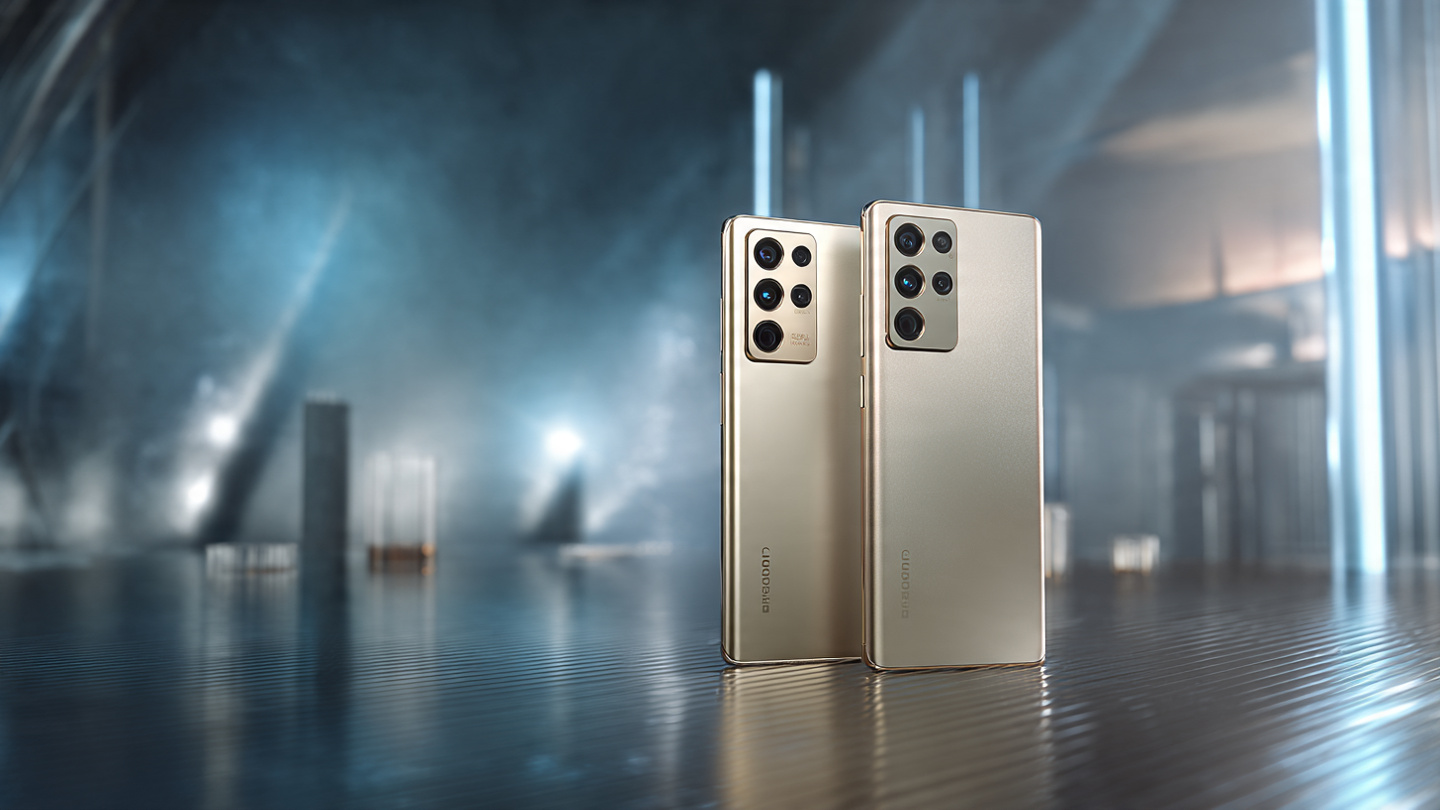
Battery life on the Galaxy S26 and Galaxy S26+ is likely to satisfy many users, especially those with moderate daily habits. Messaging, browsing, streaming, navigation, and social apps should be manageable without major anxiety. The Plus model, as expected, has the edge for endurance thanks to its larger body and likely higher battery capacity.
The issue is not that battery life is poor. The issue is that premium smartphone value now depends on visible improvements in convenience. Buyers want longer endurance, faster charging, and better efficiency under heavy use. If a phone costs more, users expect to feel that value every single day. Battery life is one of the easiest ways to deliver that feeling, and the S26 pair does not seem to redefine expectations.
Charging can become part of that frustration. When competitors make progress in speed or battery innovation, merely being acceptable no longer feels like leadership. Samsung's approach remains safe and reliable, but not especially exciting.
Price and Value: The Core Problem
This is where the Galaxy S26 and Galaxy S26+ face their biggest challenge. A polished flagship can absolutely succeed with iterative upgrades if the pricing feels fair. But when prices increase and innovation feels limited, the conversation changes quickly. Consumers become more critical, and rightly so.
The Samsung Galaxy S26 price discussion is central to whether these phones make sense. If you are paying flagship money, you expect a device that clearly advances in one or more major areas: camera, battery, software intelligence, design, durability, or long-term value. The S26 line checks many boxes, but rarely in a way that feels bold.
That does not mean the phones are overpriced for everyone. If you are deeply invested in Samsung's ecosystem, prefer its software, and are upgrading from an older model, the value may still feel reasonable. But if you compare across the premium Android market, or even weigh whether a discounted previous-generation Samsung offers similar performance, the S26 and S26+ become harder to defend.
For many buyers, the smarter move may be to wait for promotions, trade-in offers, or price drops. These phones become much more compelling when the financial gap between generations narrows.
Who Should Buy the Galaxy S26 or Galaxy S26+?
These phones make sense if you:
- Are upgrading from a device that is several years old
- Want a premium Samsung flagship without stepping up to an Ultra model
- Value display quality, smooth software, and dependable performance over flashy innovation
- Prefer a familiar ecosystem with strong accessories and device continuity
You may want to skip them if you:
- Already own a recent Galaxy flagship
- Prioritize camera breakthroughs or battery innovation
- Care heavily about best-in-class value
- Expect a new generation to feel meaningfully different from the last one
Final Verdict: Good Phones, Uninspiring Flagships
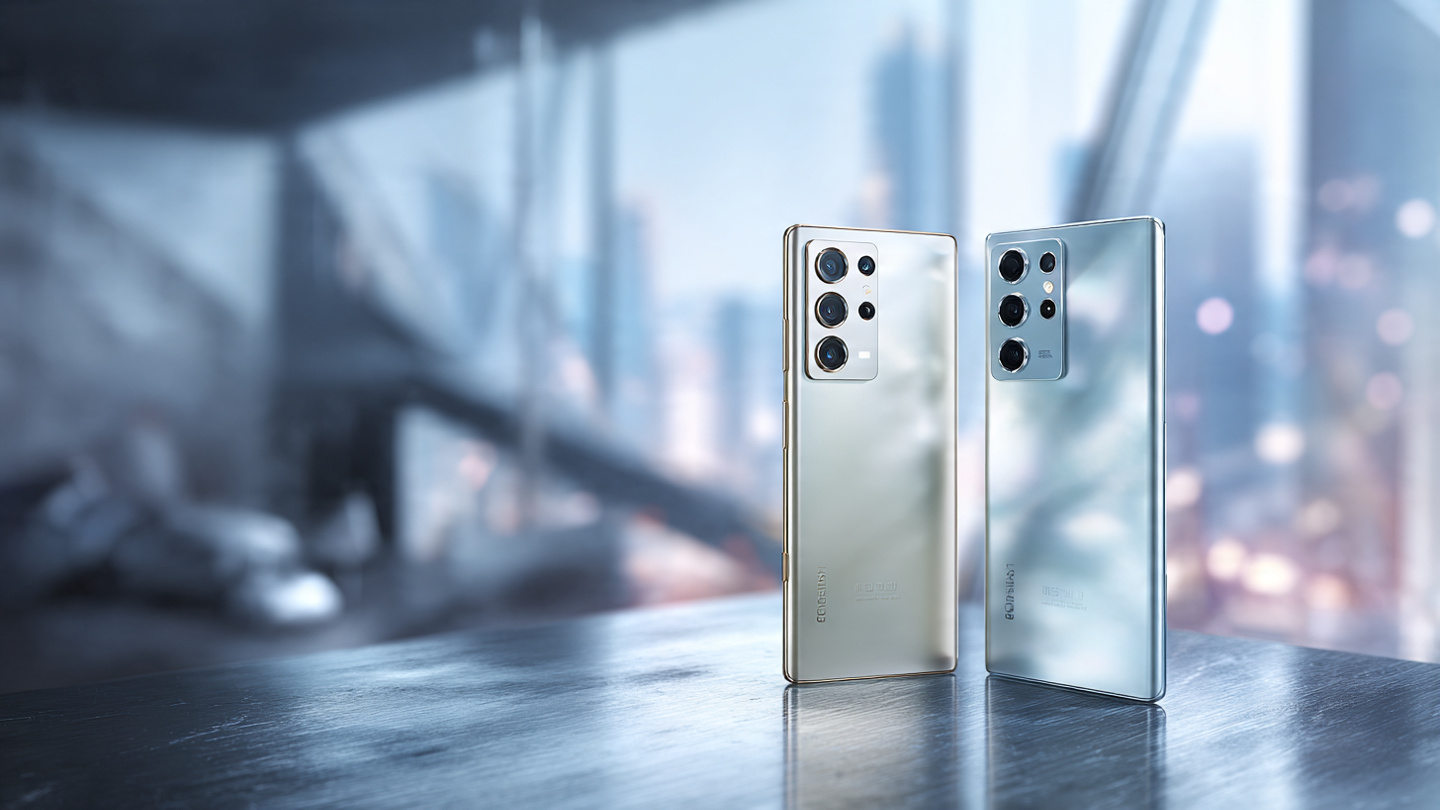
The Samsung Galaxy S26 and Galaxy S26+ are polished, capable, and easy to recommend in a narrow sense. They look premium, perform well, deliver excellent displays, and offer the stable software experience Samsung fans expect. None of that should be dismissed. These are quality smartphones built by a company that understands refinement.
But the central criticism remains hard to avoid: they feel too safe. In a market where premium buyers are more selective than ever, the S26 and S26+ do not do enough to create urgency. They succeed as reliable flagships, yet struggle as exciting ones. That would be easier to forgive if pricing stayed aggressive, but higher costs make the lack of ambition more visible.
If you are coming from an older phone, either model could still be a satisfying upgrade. If you are shopping carefully and comparing what your money gets you today, the hesitation is justified. Samsung has delivered competence. What is missing is surprise.
The bottom line: the Galaxy S26 and Galaxy S26+ are very good smartphones, but they do not feel like essential smartphones. And at this level, that distinction matters.
If you are considering one, compare the latest pricing carefully, look at trade-in deals, and think honestly about what you want from a flagship. If your priority is a dependable premium experience, these phones will serve you well. If you want innovation that feels worth the upgrade, it may be smarter to wait, shop around, or hold out for a better deal.
Explore more smartphone reviews, buying guides, and flagship comparisons before you decide.


