The most important military story in the Gulf is not always the loudest one. While headlines fixate on missiles, airstrikes, and diplomatic warnings, a quieter question keeps resurfacing: why are U.S. troops in Saudi Arabia still so strategically important during the Iran war? The answer reaches far beyond troop numbers or base locations. It touches energy security, air defense, shipping lanes, regional alliances, and the fragile balance between deterrence and escalation.
Saudi Arabia sits at the intersection of nearly every major pressure point in the Middle East. It is a longtime U.S. partner, a heavyweight oil producer, a rival to Iran, and a state that has learned the hard way how vulnerable critical infrastructure can be when missiles and drones enter the equation. When tensions rise, the kingdom is not simply watching events unfold from a distance. It is part of the strategic map.
From my perspective, this is what makes the issue so compelling: the presence of American forces in Saudi Arabia is not just about preparing for a conventional battlefield. It is about signaling, reassurance, intelligence sharing, rapid response, and keeping a wider regional conflict from spiraling into something even more dangerous. In moments of crisis, military presence becomes political language. Every deployment says something. Every radar system says something. Every Patriot battery says something.
Why Saudi Arabia Matters So Much in This Conflict
Saudi Arabia is central to any serious discussion of Middle East security because geography and economics work in its favor. The kingdom borders the Gulf, influences global oil markets, and occupies a strategic position near major maritime routes. In times of regional conflict, that makes it both valuable and vulnerable.
The kingdom has spent years navigating direct threats, proxy attacks, and the broader competition between U.S.-aligned states and Iran-backed networks. Even when Saudi leaders pursue diplomacy and de-escalation, they still have to think about the practical realities of missile defense, border security, and protecting refineries, airports, military facilities, and population centers.
- Geography: Saudi Arabia is close to key flashpoints across the Gulf and wider Middle East.
- Energy influence: Disruption in the kingdom can quickly affect oil prices and global inflation.
- Security relevance: Its infrastructure remains a high-value target in any wider regional confrontation.
- Alliance value: It remains a crucial partner for U.S. force posture, logistics, and deterrence.
This is why the question is not merely whether Saudi Arabia wants stability. Of course it does. The real question is how stability is defended when a conflict with Iran threatens to spill across borders, sea lanes, and allied territory.
The Strategic Role of U.S. Troops in Saudi Arabia
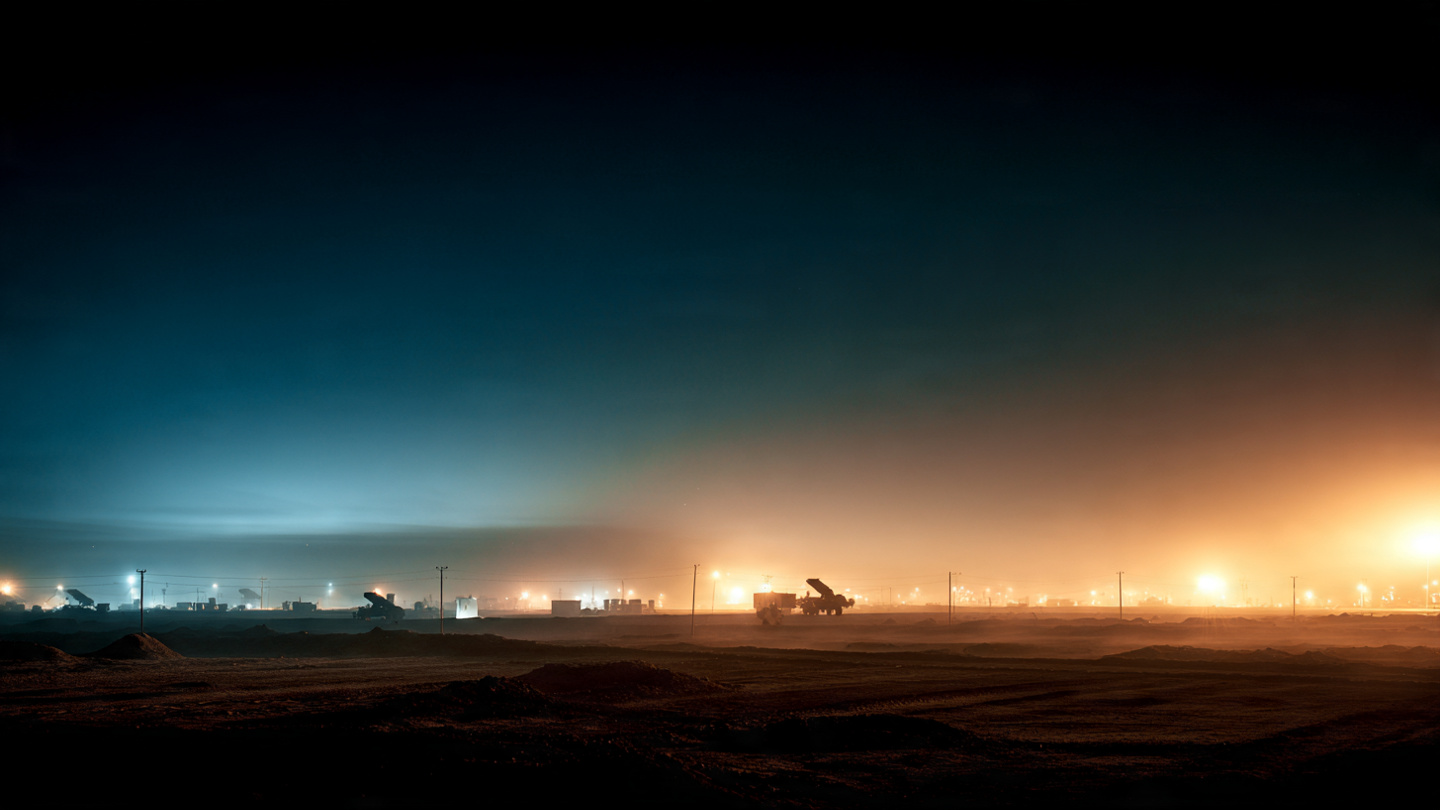
The phrase U.S. troop presence in Saudi Arabia often triggers outdated assumptions, as if the issue is only about large-scale stationing or old post-Cold War arrangements. In reality, the modern purpose is far more specific and operational. American forces in the kingdom serve as part of a layered security architecture.
Deterrence Through Visibility
Troops, aircraft, missile defense crews, and support personnel create a visible signal that attacks on key partners will not be ignored. Deterrence is partly psychological. If Iran or Iran-aligned actors believe that striking Saudi territory risks a broader response, they may think twice before escalating.
Air and Missile Defense
One of the most urgent roles involves defending against drones, cruise missiles, and ballistic missile threats. Saudi Arabia has faced the modern reality of low-cost aerial threats aimed at high-value targets. U.S. support improves radar coverage, coordination, interception capability, and response speed.
Intelligence and Early Warning
Modern conflict is about information as much as firepower. American assets help with surveillance, detection, targeting analysis, and early warning. In a region where minutes can make the difference between interception and impact, integrated intelligence is a major advantage.
Logistics and Regional Reach
Saudi Arabia also matters as a logistics hub. In any rapidly changing crisis, forces need basing access, maintenance capacity, fuel supply, transportation networks, and command coordination. Those elements rarely make the front page, but they shape real-world military effectiveness.
Put simply, U.S. forces are not in Saudi Arabia for symbolism alone. They are there because the kingdom sits inside the operational footprint of any serious Gulf security strategy.
How the Iran War Changes the Equation
The Iran war intensifies every existing security concern. What might once have looked like a contained confrontation can suddenly affect neighboring states, regional airspace, shipping insurance, energy exports, and investor confidence. In such an environment, Saudi Arabia becomes more exposed even if it is not the primary battlefield.
That exposure comes in several forms. First, there is the risk of direct or indirect retaliation. Second, there is the danger of miscalculation, where one strike, one interception, or one false signal produces a chain reaction. Third, there is the economic dimension. Markets do not wait for official confirmation. They react to perceived risk.
For Saudi decision-makers, the challenge is delicate. The kingdom wants to protect itself without being dragged into unnecessary escalation. It wants strong defense ties with Washington while also preserving room for diplomacy. That balancing act is difficult under normal conditions. During a regional war, it becomes even harder.
- Military risk: Bases, energy sites, and transportation hubs may face heightened threat levels.
- Political risk: Any visible alignment can alter how adversaries calculate their next move.
- Economic risk: Oil markets, shipping costs, and business confidence can shift rapidly.
- Diplomatic risk: Saudi Arabia must balance deterrence with efforts to avoid broader war.
This is why the U.S. presence matters more during wartime than peacetime. It serves as both shield and signal, helping reduce vulnerabilities while reminding all sides that Saudi territory is not an empty space on the map.
Missiles, Drones, and the New Reality of Gulf Warfare
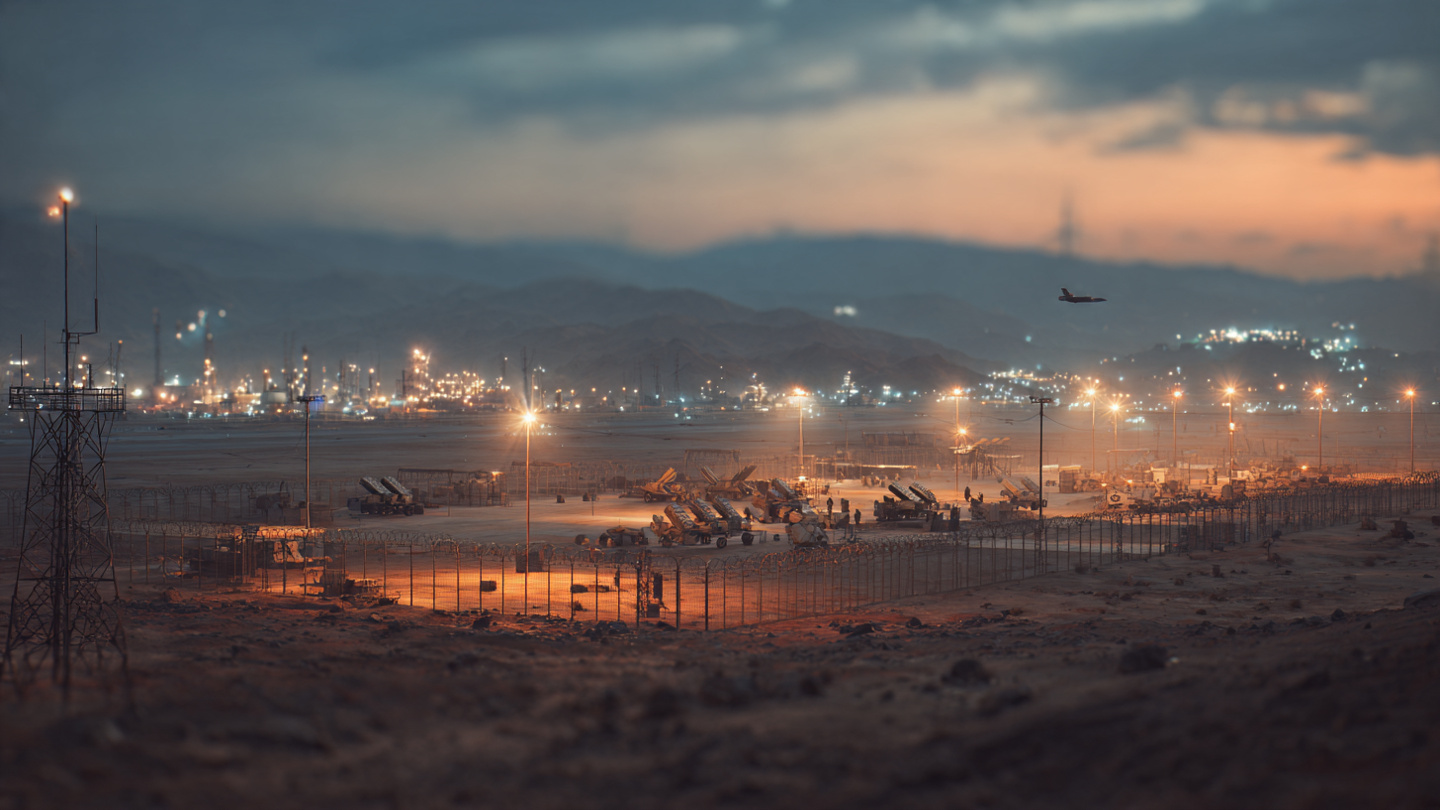
If one lesson has become impossible to ignore, it is that modern warfare in the Gulf does not require mass troop invasions to create major disruption. A relatively small number of drones or missiles can threaten airports, desalination plants, refineries, command centers, or civilian infrastructure. This changes how states think about defense.
Saudi Arabia understands that challenge better than most. Over the years, attacks and attempted attacks on regional infrastructure have demonstrated how vulnerable even sophisticated states can be when low-cost systems exploit gaps in detection and response. A successful strike does not need to destroy a country to shake markets and send a political message. Sometimes temporary disruption is enough.
That is where American support becomes especially relevant. Layered defense is not just about interceptors. It is about linking sensors, command systems, allied communication channels, and response protocols into one functioning network. In practical terms, this means the difference between isolated defense efforts and coordinated regional protection.
A useful way to think about it is this: in older wars, the danger often came from armies crossing borders. In today’s Middle East, danger can arrive in a drone swarm, a precision strike, or a launch from far beyond the immediate front line. Saudi Arabia’s strategic value makes it a likely target in any scenario where pressure is applied through asymmetric means.
Oil Markets, Shipping Lanes, and the Global Stakes
Anyone treating this as a purely regional military issue is missing half the story. Saudi Arabia matters because the kingdom sits at the heart of the global energy system. Even the perception of instability in or around the kingdom can move markets. That means the question of Saudi Arabia security is also a question of inflation, fuel prices, trade costs, and broader economic confidence.
When conflict involving Iran expands, traders immediately look toward the Gulf. They ask whether production could be disrupted, whether tankers might face greater risks, whether insurance costs will rise, and whether supply chains could tighten. These concerns do not remain in the Middle East. They spread to Europe, Asia, and North America through prices and market sentiment.
American forces help reduce those risks in two ways. First, they strengthen physical defense. Second, they increase confidence that major partners are prepared to keep critical routes and infrastructure functioning. Confidence itself is a strategic asset. Markets price fear quickly, but they also respond to visible reassurance.
- Energy security: Saudi production stability affects consumers and industries worldwide.
- Maritime trade: Gulf tensions can threaten shipping lanes and raise transport costs.
- Investor sentiment: Visible security coordination can calm fears of sudden disruption.
- Global impact: Regional conflict can quickly become an international economic story.
This is one reason U.S.-Saudi defense ties remain important even when the political relationship experiences friction. In crisis periods, strategic necessity tends to outrun diplomatic discomfort.
Saudi Arabia’s Balancing Act Between Defense and Diplomacy

Saudi Arabia is not a passive actor waiting for outside powers to define its future. It has increasingly pursued a more flexible foreign policy, opening diplomatic channels where possible while reinforcing security partnerships where necessary. That means the kingdom is trying to do two things at once: reduce tensions with adversaries and prepare for the possibility that tensions still explode.
Some observers see those goals as contradictory. They are not. In fact, they often go together. States talk more seriously about diplomacy when they believe they are not defenseless. A credible defense posture can create space for negotiation by lowering the temptation for opportunistic attack.
In practical terms, Saudi Arabia’s approach appears to rest on several pillars:
- Maintain strong defense cooperation with the United States and other partners.
- Improve domestic resilience around infrastructure, air defense, and emergency response.
- Keep diplomatic channels open to limit miscalculation and avoid direct confrontation.
- Protect economic continuity so regional instability does not derail long-term national goals.
That last point is especially important. Saudi Arabia is pursuing major economic transformation efforts that depend on investor confidence, infrastructure security, and a predictable business environment. A wider war threatens all three. In that sense, security policy and economic strategy are deeply connected.
What This Means for the Wider Middle East
The significance of U.S. troops in Saudi Arabia extends beyond one bilateral relationship. It affects how allies, rivals, and non-state actors interpret the regional balance of power. If the U.S. presence appears credible and coordinated, allies feel reassured and adversaries may show more caution. If it looks uncertain or fragmented, the risk of testing the limits grows.
This matters for every state watching from the sidelines. Gulf monarchies, Israel, Iraq, Jordan, and maritime stakeholders all pay attention to whether Saudi Arabia looks protected or exposed. Security in the Gulf is interlinked. A successful attack in one area can encourage pressure elsewhere.
There is also a broader lesson here about twenty-first-century conflict. Military deployments are no longer just about fighting wars after they begin. They are increasingly about shaping the environment so wars do not widen in the first place. That is the deeper logic behind a troop presence that some might otherwise dismiss as routine.
My view is that this is where many casual readers underestimate the story. They focus on whether troops will be used in combat, but the more important issue is often whether their presence prevents a larger confrontation from happening at all. Prevention rarely gets dramatic headlines. Yet it may be the most valuable outcome of all.
Conclusion: Why the Saudi Front Deserves Close Attention
The debate over the U.S. military presence in Saudi Arabia is really a debate about deterrence, vulnerability, and the future of order in the Gulf. Saudi Arabia is too important economically, geographically, and strategically to be treated as a secondary theater. If the Iran war continues to generate regional shockwaves, the kingdom will remain a central part of the equation.
What happens in Saudi Arabia does not stay in Saudi Arabia. It affects oil markets, investor confidence, air defense planning, alliance credibility, and the wider question of whether this conflict can be contained. The presence of American forces is therefore not a footnote. It is one of the clearest indicators of how seriously Washington and its partners take the risk of wider escalation.
For readers trying to understand where this crisis may go next, keep your eyes on three things: missile defense readiness, Saudi diplomatic positioning, and any changes in the scale or posture of U.S. deployments. Those signals often reveal more than official statements.
If you want to follow the real pressure points of the Middle East, do not just watch the front lines. Watch the infrastructure, the alliances, and the defensive shields being built behind them. That is where the next chapter is often written. For more sharp analysis on regional security, energy risk, and global fallout, follow our latest geopolitics coverage and stay ahead of the headlines.


