The No Kings protests did more than fill public squares. They sent a clear, emotionally charged message: a sizable share of Americans want to push back against what they see as strongman politics, democratic erosion, and the normalization of grievance-driven leadership. With large crowds gathering in multiple locations and one of the most visible rallies unfolding in Minnesota, the movement quickly became more than a single-day demonstration. It became a political mood, a cultural symbol, and a media moment that many voters, activists, and observers are still trying to fully measure.
At the center of the attention was the rally atmosphere itself: loud, theatrical, deeply political, and designed to be seen. The Minnesota event stood out not only for turnout but also for cultural energy, including an appearance by Bruce Springsteen, whose presence gave the event a layer of generational symbolism and star power. That mix of music, protest, and political urgency made the gathering especially resonant. In a crowded news cycle, it is hard to break through. These demonstrations did.
From my perspective, what makes this story especially significant is not just the size of the crowds. It is the way the message was framed. No Kings is a short phrase, but it carries a powerful democratic argument: in the United States, voters reject the idea that any political figure should stand above institutions, accountability, or the rule of law. That slogan is emotionally sharp, historically aware, and tailor-made for a digital age in which political messages must be both memorable and shareable.
Why the No Kings Protests Struck a Nerve
The phrase No Kings protests works because it connects present-day politics to a core American identity. The slogan taps into a foundational belief that concentrated power should be challenged, not glorified. For critics of Donald Trump, that language feels especially relevant. Many see his political style as centered on loyalty, personal grievance, and dominance rather than constitutional restraint. Whether one agrees with that assessment or not, the slogan tells you exactly how organizers want the moment interpreted.
That framing matters in modern protest movements. Successful demonstrations are rarely just about attendance. They succeed when they convert public frustration into a recognizable story. In this case, the story is that opposition to Trump is not simply partisan irritation; it is, for many participants, a defense of democratic norms. That distinction gives the protests greater depth and greater emotional force.
The timing also helps explain the scale of public response. Many Americans have lived through years of political fatigue, legal controversy, disinformation, and polarization. Against that backdrop, a rally built around a clean, urgent message had real momentum. It offered people a way to express anger, anxiety, and civic determination all at once.
- Clear message: “No Kings” is simple, memorable, and politically loaded.
- High emotional resonance: The slogan speaks to fears about unchecked power.
- Visual impact: Large crowds, signs, flags, and stage moments amplified coverage.
- Cultural crossover: Bruce Springsteen’s appearance expanded the event’s reach.
- Digital virality: Protest language and imagery translated well across social platforms.
Minnesota’s Rally Became a National Focal Point
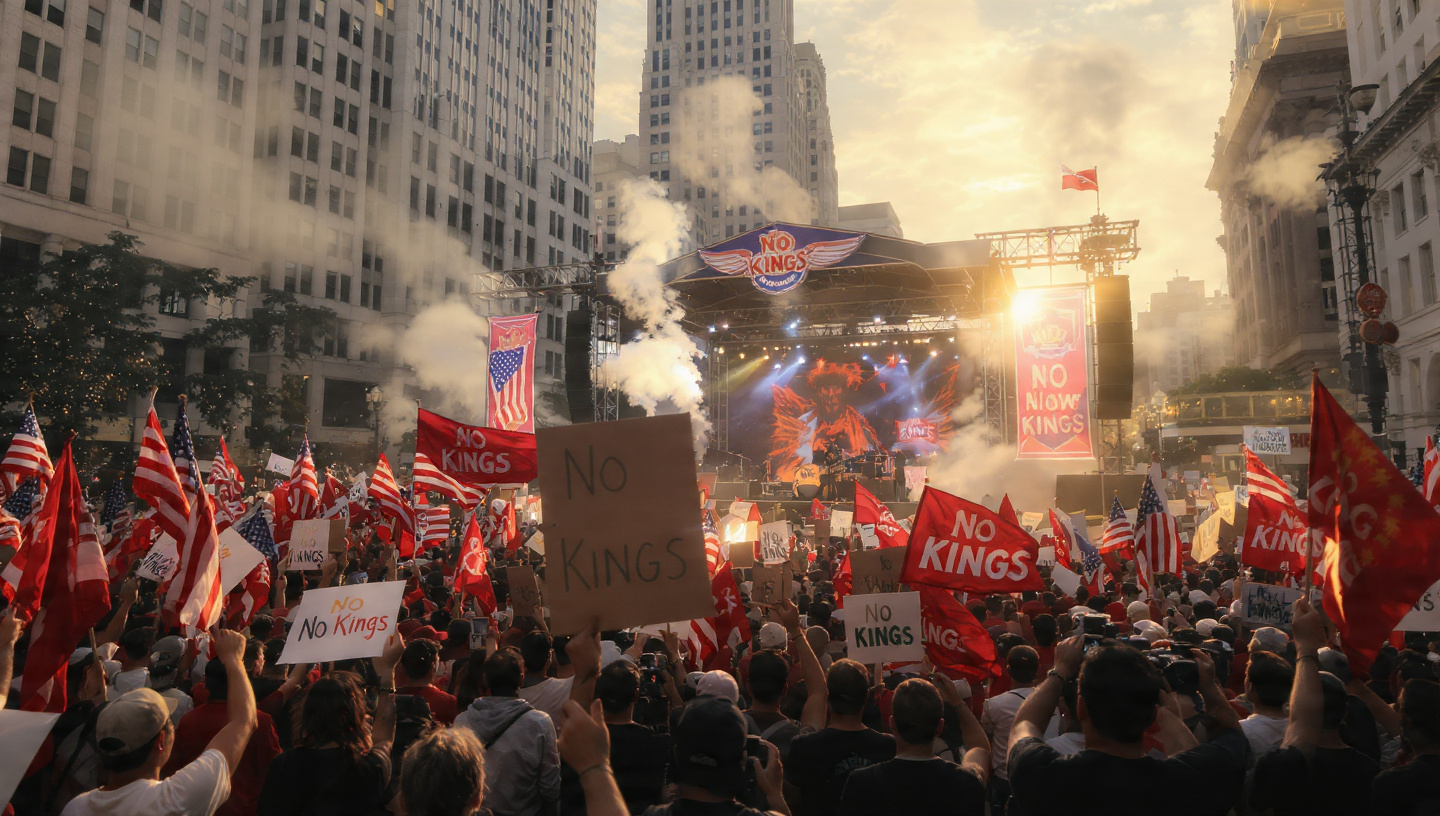
Although the protests spread across multiple locations, Minnesota emerged as one of the movement’s flagship settings. That matters because flagship events often shape the public memory of a protest wave. People may hear that rallies happened in many cities, but they tend to remember the one location that delivered a defining image. In this case, Minnesota offered the ingredients of a major political tableau: strong turnout, visual intensity, and a celebrity performance that drew wider national attention.
Bruce Springsteen’s involvement was especially meaningful. He is not just a famous musician. He is a long-standing symbol of working-class storytelling, civic conscience, and American contradiction. When a figure like Springsteen appears at a protest event, he brings more than fame. He brings narrative gravity. His presence suggests that the protest is not a fringe outburst but part of a larger cultural and moral conversation about the country’s direction.
For many attendees, that kind of moment transforms a rally from a political obligation into a shared civic experience. Music can lower barriers, unify strangers, and make abstract concerns feel immediate. A speech can inspire, but a song can bind memory to emotion. That combination helps explain why some demonstrations become historic touchpoints while others fade quickly.
There is also a practical media lesson here. Large protests often compete for national visibility. When a rally includes a high-profile cultural figure, coverage expands. More cameras arrive. More clips circulate. More casual observers pay attention. From a communications standpoint, the Minnesota gathering had what many movements seek but few achieve: a message strong enough for activists and a spectacle compelling enough for the broader public.
What the Protests Say About Opposition to Donald Trump
Any serious analysis of the No Kings protests against Donald Trump has to move beyond crowd size and ask a bigger question: what kind of opposition is forming here? The answer appears to be broader than standard campaign messaging. These demonstrations suggest that for many Americans, resistance to Trump is not only about policy disagreements. It is about political character, institutional boundaries, and the emotional climate of public life.
That distinction matters because campaigns often rise or fall on intensity, not just preference. A voter may mildly disagree with a candidate’s agenda and still stay home. But a voter who feels the stakes are moral, constitutional, and personal is far more likely to show up, donate, persuade others, and remain engaged. Protest movements can serve as early indicators of that deeper intensity.
At the same time, it would be simplistic to treat every protest attendee as ideologically identical. Some participants may be focused on democratic norms. Others may be motivated by concerns over rhetoric, immigration, legal accountability, social policy, or the broader state of public discourse. The strength of the No Kings framing is that it creates room for these different motivations under one unifying idea: no individual should dominate public life as though the country belongs to him.
In practical terms, that kind of broad coalition can be powerful. It allows a protest movement to be emotionally cohesive without requiring total agreement on every issue. In an era of fragmented political messaging, that is not a small achievement.
The power of a broad symbolic message
Movements gain durability when they offer people a principle bigger than a personality. Ironically, although Donald Trump is the target of the protests, the most effective part of the message may be the part that rises above him. “No Kings” is about resisting the idea of untouchable authority itself. That gives the protests relevance even beyond one election cycle.
Historically, slogans with staying power tend to function this way. They are specific enough to respond to a present conflict but broad enough to become part of a longer civic vocabulary. That is one reason the phrase may continue to surface in future organizing, speeches, fundraising appeals, and campaign communications.
The Role of Celebrity, Culture, and Public Emotion
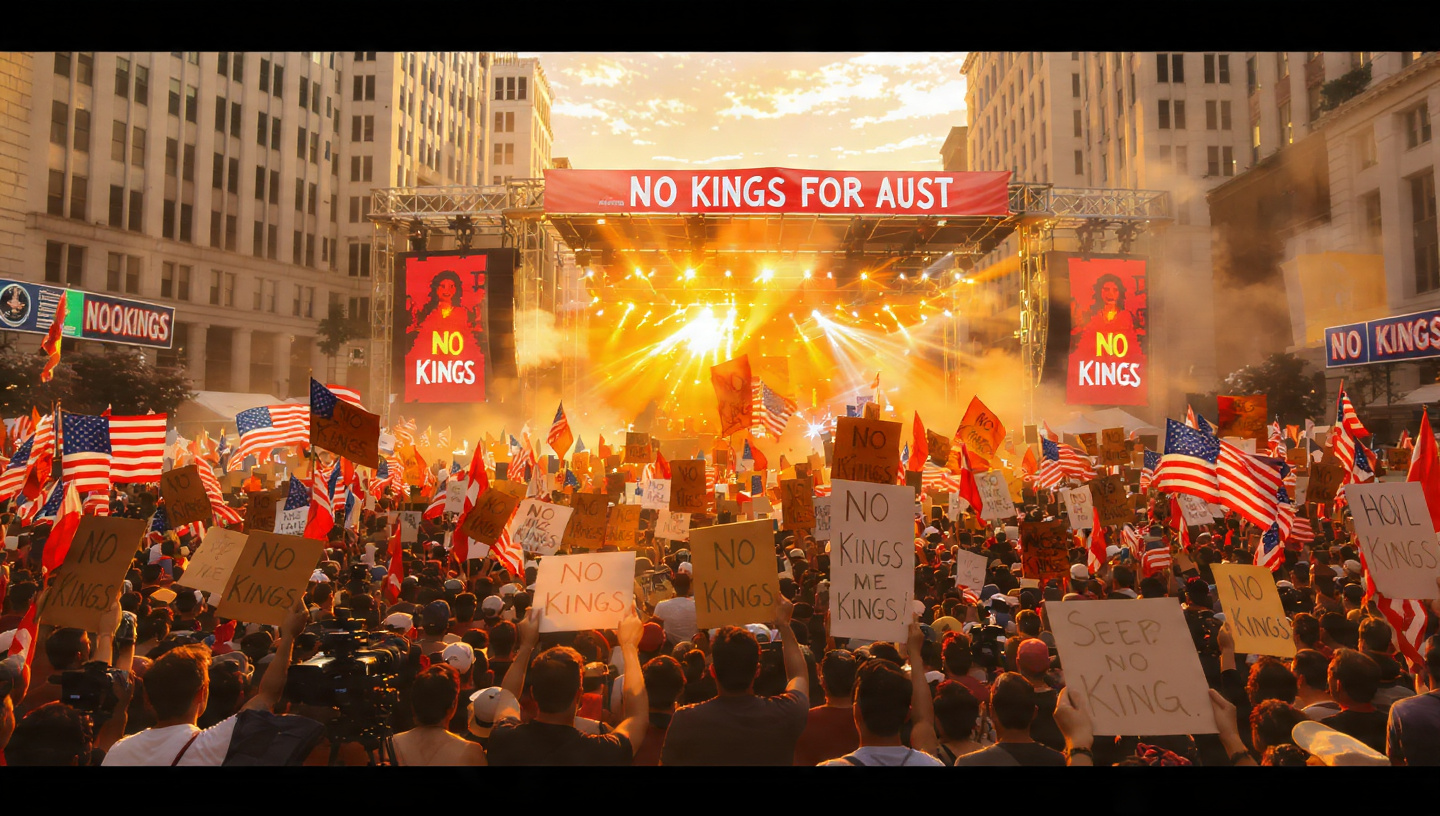
Some critics dismiss celebrity involvement in protests as superficial. But that view misses how modern politics actually works. Culture and politics are no longer separate arenas; they constantly shape one another. When a figure like Bruce Springsteen appears at a rally, it does not replace the political message. It amplifies it, reframes it, and broadens its emotional range.
There is a reason campaigns and movements seek artists, actors, and musicians. Public figures can translate a political mood into something people feel in their chest, not just understand in their head. A celebrity cannot manufacture authentic public anger, but they can help give it visibility, confidence, and rhythm.
Still, celebrity alone is never enough. If the underlying frustration is weak, a famous guest cannot rescue a movement. The reason the Minnesota rally resonated is that the cultural element sat on top of real political energy. People were already motivated. The performance simply intensified the moment.
A practical example helps here. Think about the difference between a standard political event and a rally people talk about for days. The difference is often not policy detail; it is emotional texture. People remember the signs, the chants, the music, the atmosphere, and the feeling of being in a crowd that believes something urgent is happening. That is exactly where the No Kings protests found their edge.
Could the No Kings Movement Affect Elections?
That is the question campaign strategists will be asking. Protests do not automatically translate into votes, but they can influence the political environment in several important ways. First, they signal enthusiasm. Second, they generate media narratives. Third, they can shape how undecided or low-information voters perceive the national mood. And fourth, they often strengthen grassroots networks that later become useful for canvassing, fundraising, and local mobilization.
For Democrats, independents critical of Trump, and civic groups worried about democratic backsliding, these protests may serve as a reminder that visible opposition still exists and can still mobilize. That matters in periods when political fatigue creates the false impression that the public has simply tuned out. Crowds can puncture that myth.
At the same time, protest organizers should be realistic. Visibility is a beginning, not a finish line. If movements want lasting impact, they need a bridge from symbolism to structure. That means local organizing, voter outreach, coalition management, and message discipline. A rally can ignite attention. It cannot substitute for civic infrastructure.
- Short-term impact: Increased media attention and activist energy.
- Mid-term impact: Stronger volunteer networks and donor motivation.
- Long-term impact: Potential influence on turnout, issue framing, and candidate perception.
- Main challenge: Converting protest enthusiasm into sustained political action.
Why symbolism still matters in elections
It is tempting to say only policy matters. In reality, elections are also battles over meaning. Voters respond to stories about strength, fairness, fear, belonging, stability, and freedom. The No Kings protests enter that symbolic arena with unusual clarity. They invite Americans to interpret the political moment not as routine partisan competition, but as a test of whether democracy should feel accountable or personalistic.
That kind of framing can be especially influential among voters who are not glued to every policy debate but do care about the country’s tone and direction. In that sense, the movement’s language may prove just as important as its turnout.
Why This Moment Feels Bigger Than One News Cycle
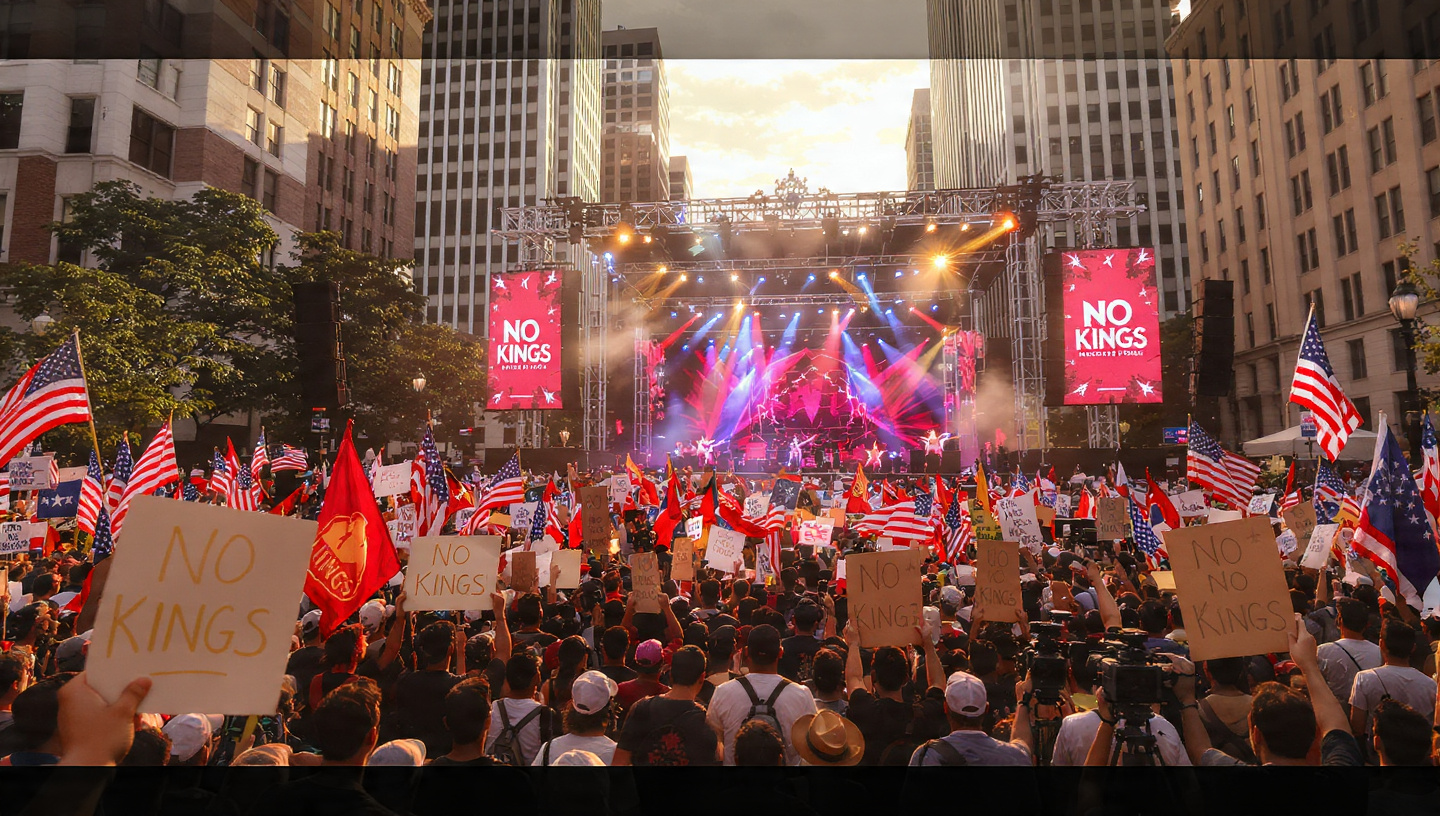
There are political events that dominate headlines for a day and then disappear. The No Kings protests have the potential to linger because they sit at the intersection of several durable forces: concern about democratic norms, frustration with Trump-era political style, the return of mass public demonstrations, and the merging of culture with activism.
Another reason the story has staying power is that it presents a visual shorthand for a larger debate. Even people who know little about specific speeches or local organizing can understand what a sign reading “No Kings” implies. That kind of symbolic efficiency is rare and powerful.
Personally, I think that is why so many people immediately understood the protests. The slogan does not require a long explanation. It activates a basic civic instinct. Americans may disagree on almost everything, but the idea that power should be constrained remains deeply rooted. When protest movements tap into that instinct, they can cut through polarization more effectively than policy-heavy messaging alone.
Whether the demonstrations mark the beginning of a sustained movement or a high-impact flashpoint will depend on what comes next. Can organizers keep the coalition broad? Can they maintain discipline without losing passion? Can they channel outrage into participation? Those are the questions that determine whether a protest becomes history or memory.
Conclusion: A Warning, a Rallying Cry, and a Test of Momentum
The No Kings protests were not merely another anti-Trump gathering. They emerged as a sharp expression of democratic anxiety, public anger, and cultural resistance. The large crowds showed that opposition to Donald Trump remains deeply felt and highly visible. The Minnesota rally, elevated by Bruce Springsteen’s appearance, added emotional weight and national reach to a movement already built on a powerful message.
What happens next is the real story. If the protests remain only symbolic, they will still matter as a snapshot of public sentiment. But if organizers turn this energy into sustained civic action, the movement could shape political narratives far beyond one weekend of demonstrations. That is the opportunity and the challenge.
For readers watching this unfold, now is the moment to pay attention not just to the size of the crowds, but to the clarity of the message and the structure that follows. Movements matter when they mobilize people, change language, and force a country to confront what kind of democracy it wants to be.
If you want to stay ahead of major political trends, track how protest energy develops at the local level, watch which slogans endure, and pay attention to the moments when culture and politics collide. That is often where the next chapter begins.


