The Middle East war took a dangerous turn on Saturday, with the conflict expanding in both geography and political consequence. What had already become a high-stakes confrontation between Israel and Iran moved into an even more volatile phase as Israeli airstrikes hit Tehran and the Iran-aligned Houthis entered the picture. In moments like this, headlines alone do not tell the full story. The deeper reality is that each strike, each alliance, and each public statement now carries the potential to redraw the security map of the entire region.
For ordinary readers trying to make sense of fast-moving events, the challenge is not just understanding what happened in a single day. It is understanding why Saturday mattered. The answer is simple but sobering: this was not merely another round of retaliation. It looked increasingly like a broadening regional conflict with military, diplomatic, economic, and humanitarian consequences that could extend far beyond Israel and Iran.
Saturday showed how quickly a conflict can evolve from direct confrontation into a multi-front crisis. When the Houthis joined the escalation, the message was unmistakable: Iran’s network of regional allies remains a major force multiplier. That development matters not only to military planners, but also to energy markets, shipping routes, investors, and families across the Middle East who fear what prolonged instability could bring next.
Why Saturday Marked a Turning Point
Many conflicts intensify gradually, but some days stand apart because they change the strategic picture. Saturday appeared to be one of those days. Israeli strikes on Tehran represented a dramatic increase in pressure, while the Houthis’ involvement suggested that the Iran Israel conflict was no longer confined to two main actors. Instead, it began to resemble a layered regional confrontation, where allied militias and proxy groups could widen the battlefield at any moment.
This matters because conflicts become harder to contain when multiple armed groups enter the equation. A two-sided war is difficult enough to manage diplomatically. A conflict involving state forces, regional allies, militia networks, missile threats, and maritime disruption becomes much more unpredictable. Analysts often warn that escalation is not only about firepower; it is also about the number of actors who can independently trigger the next crisis point.
There is also a psychological dimension. A strike on a capital city sends a stronger signal than a strike on a distant military outpost. It tells domestic audiences that no place feels completely insulated. It tells adversaries that deterrence has weakened. And it tells allies and rivals alike that the threshold for escalation is shifting in real time.
Israel’s Airstrikes on Tehran: Strategic Message and Risks
A demonstration of reach
Israeli airstrikes on Tehran carried both military and symbolic weight. On the military side, such operations suggest confidence in intelligence, targeting capability, and operational reach. On the symbolic side, they communicate that Israel is willing to hit high-value or sensitive areas deep inside Iran if it believes the threat warrants it. In strategic terms, that kind of action is designed to alter the adversary’s calculations.
But there is an unavoidable downside. Striking deeper into Iranian territory can also strengthen hardline voices within Iran who argue that restraint no longer serves national interests. This is one of the recurring tragedies of escalation: an action intended to restore deterrence can also harden resolve on the other side, making de-escalation politically harder.
The pressure on Israeli decision-makers
From Israel’s perspective, Saturday’s actions likely reflected a mix of military necessity, deterrence logic, and domestic political pressure. Leaders facing persistent threats often try to prove that attacks will carry immediate costs. Yet every such move is weighed against a difficult question: does it reduce future danger, or does it invite a broader response?
That is not an abstract debate. If a government believes it must act forcefully to prevent future attacks, delay may seem reckless. But if that force triggers new fronts, deeper missile exchanges, or proxy mobilization, the tactical gain may come with strategic pain. This is why each major strike in the Middle East war is judged not just on immediate battlefield effects, but on what it sets in motion next.
The Houthis Enter the Conflict

Why their involvement matters
The Houthis’ entry into the conflict was one of the most significant developments of the day. Even when operating far from Israel and Iran’s main centers of power, the group has shown the ability to influence regional security in outsized ways. Their participation reinforces a long-standing concern among analysts: Iran’s allies can create pressure on multiple fronts, stretching military resources and complicating response planning.
This matters because the Houthis are not simply another name in a long list of regional factions. Their actions have repeatedly affected international shipping, maritime insurance costs, and the broader perception of security in critical sea lanes. Once they become active in a larger conflict, the implications quickly extend beyond battlefield geography.
In practical terms, imagine a business waiting on vital goods moving through trade corridors connected to the Red Sea. Even the threat of disruption can raise costs, delay deliveries, and shake market confidence. That is why the Houthis’ role is important not only for military observers, but also for global commerce and energy logistics.
A signal to the region
The Houthis’ involvement also sends a political message. It reinforces the idea that a conflict involving Iran can activate aligned groups across the region. Whether those actions are tightly coordinated or merely driven by shared strategic goals, the effect is similar: adversaries must prepare for simultaneous pressure points rather than a single front.
For neighboring states, that creates a painful dilemma. They may want to avoid entering the conflict directly, but they cannot ignore the growing instability around them. The more the battlefield expands, the harder neutrality becomes.
What This Means for the Wider Middle East
The phrase regional escalation is often used so frequently that it can start to sound routine. Saturday was a reminder that it is anything but routine. A broader war in the Middle East would not remain confined to military targets. It could affect civilians, infrastructure, diplomacy, trade, tourism, and energy supplies. It could also increase the risk of miscalculation by actors who may interpret one strike, one warning, or one interception differently from their opponents.
Several risks now stand out:
- Multi-front warfare: The more groups involved, the harder it becomes to control escalation.
- Maritime disruption: Houthi activity raises concerns over shipping security and supply chains.
- Energy market volatility: Traders react quickly when conflict threatens major producers or transport corridors.
- Diplomatic paralysis: The deeper the violence, the harder it becomes to create space for negotiation.
- Civilian strain: Fear, displacement, and economic anxiety grow long before a conflict officially widens.
One of the most overlooked effects of war is how it changes everyday behavior. Families cancel travel. Companies postpone expansion. Investors become defensive. Humanitarian organizations shift resources in anticipation of broader need. In that sense, conflict spreads long before front lines do.
The Role of Deterrence, Retaliation, and Miscalculation
At the heart of the Israel Iran conflict is a brutal strategic pattern: each side often sees escalation as necessary for deterrence, while the other sees it as proof of aggression requiring response. That cycle is one of the hardest in international politics to break. Deterrence aims to prevent future attacks by showing strength. Retaliation aims to punish attacks and restore credibility. But when both sides rely on similar logic, conflict can spiral.
This is where miscalculation becomes especially dangerous. A strike intended as a limited warning may be interpreted as preparation for a larger campaign. A proxy attack meant to show solidarity may be seen as central coordination. A public statement crafted for domestic audiences may corner leaders into actions they would privately prefer to avoid.
Personally, this is the part of modern conflict that feels most alarming. Military capability matters, but perception often matters just as much. Wars do not escalate only because weapons are launched. They escalate because leaders, commanders, and allied groups interpret signals through fear, pressure, and political necessity.
How Markets and Global Politics May React
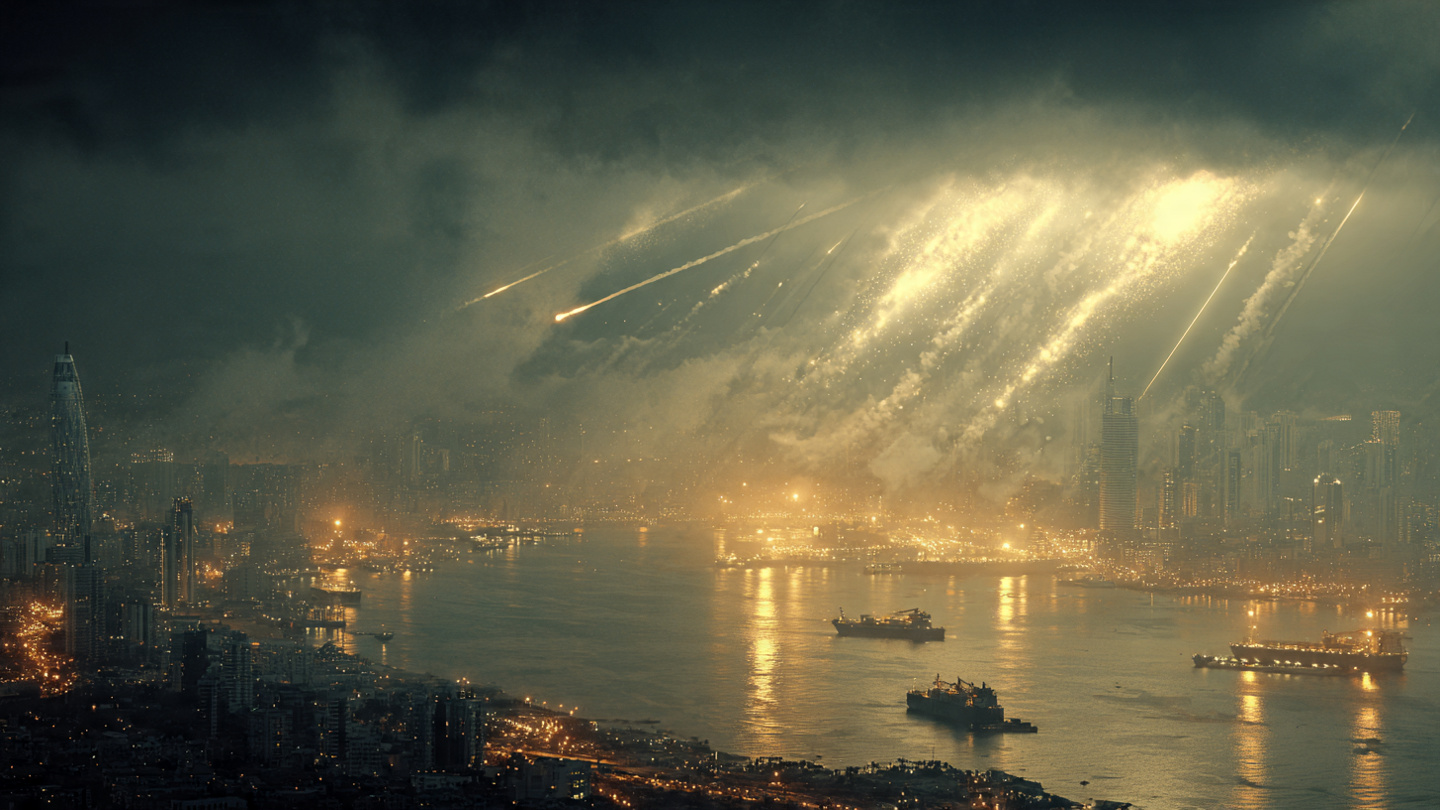
Whenever the Middle East war intensifies, the world pays attention for reasons that go far beyond geopolitics. Energy markets are especially sensitive to any sign that a wider conflict could threaten production facilities, shipping routes, or critical infrastructure. Even if physical supplies remain stable in the short term, perceived risk alone can move prices sharply.
Global powers are also forced into a more active posture. Allies of Israel may increase diplomatic support or security coordination. Countries with ties to Iran may call for restraint while also recalibrating their own regional strategies. Major powers often seek to prevent a full-scale war, but they also have their own interests to protect, which can complicate mediation efforts.
For businesses and investors, uncertainty becomes its own force. Risk premiums rise. Insurance costs change. Companies with regional exposure revisit contingency plans. This is why one day of escalation can generate ripple effects far outside the battlefield. In a connected world, even localized military action can affect boardrooms, fuel prices, and shipping schedules across continents.
What to Watch Next
Saturday’s events raised urgent questions about what comes next. While no one can predict the precise course of a rapidly evolving conflict, several indicators will help determine whether the crisis can still be contained or whether it moves toward a sustained regional confrontation.
- Iran’s response: The scale, timing, and method of any response will shape the next phase.
- Additional proxy involvement: If more Iran-aligned groups become active, the conflict could widen quickly.
- Israeli military posture: Continued deep strikes would indicate a readiness for prolonged escalation.
- Diplomatic messaging: Emergency talks, public warnings, and backchannel contacts could reveal whether de-escalation remains possible.
- Maritime security developments: Any threat to shipping lanes would intensify global concern immediately.
Readers should also pay attention to tone, not just action. In crises like this, language often signals intent before policy becomes visible. When officials begin emphasizing inevitability, endurance, or expanded mission goals, it usually suggests that decision-makers are preparing domestic audiences for a longer confrontation.
The Human Reality Behind the Headlines
It is easy for coverage of the Iran Israel conflict to become dominated by maps, missiles, alliances, and military terminology. Yet the human dimension remains central. Behind every escalation are civilians who fear what nightfall may bring, parents who explain sirens to children, workers who wonder whether borders will remain open, and families who see their future narrowed by forces they cannot control.
That human reality deserves emphasis because it is often the first casualty of strategic analysis. Military developments may dominate the news cycle, but the people living under the shadow of retaliation are the ones who carry the emotional and economic burden of every decision. When proxy groups join a conflict and major powers trade strikes, ordinary life becomes more fragile even in places not directly hit.
In practical terms, the difference between a contained confrontation and a broad regional war is measured not just in military terms, but in daily survival. Can schools stay open? Can medicine move? Can ports function? Can families trust that tomorrow will look remotely like today? These are the stakes that matter most.
Conclusion: A Dangerous Expansion With No Easy Off-Ramp
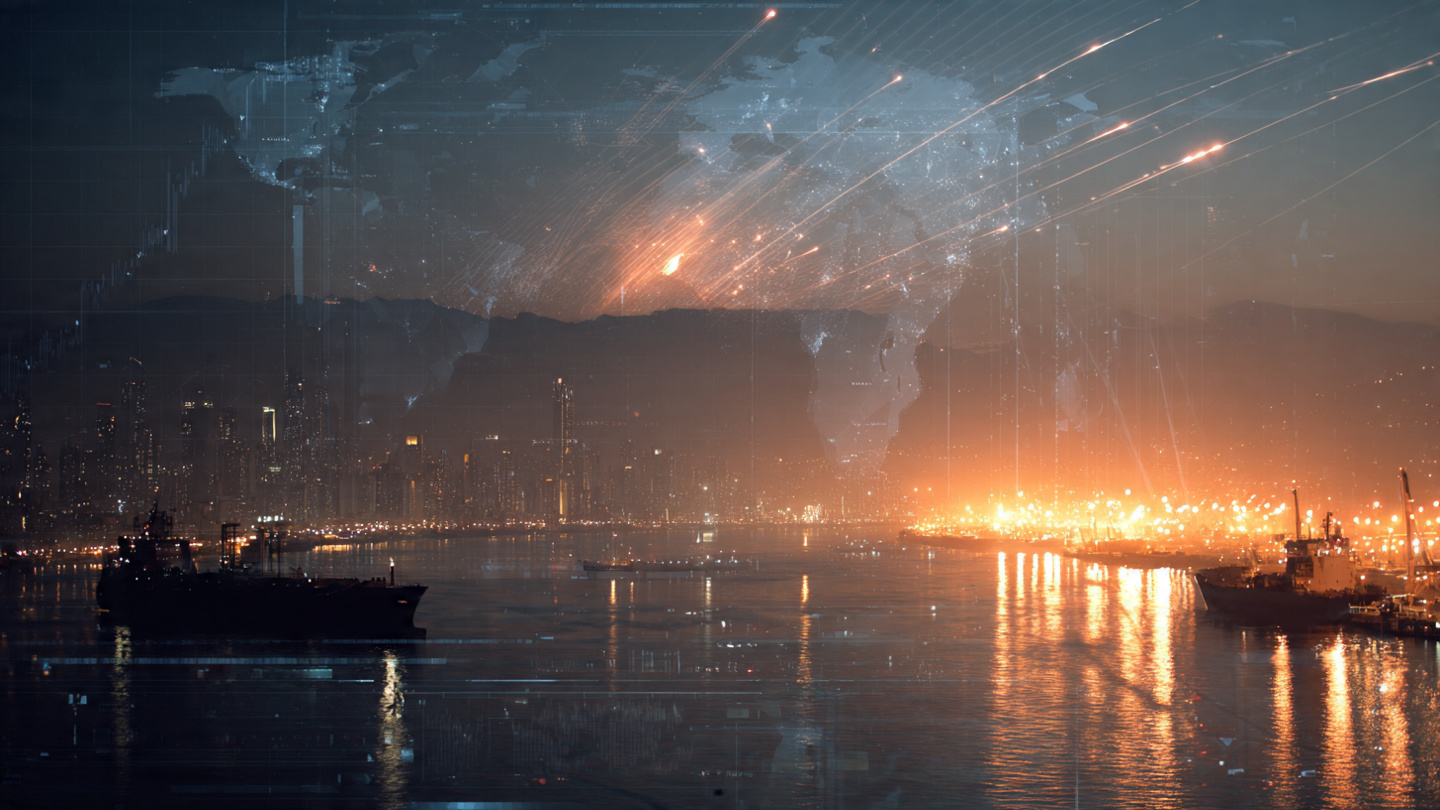
Saturday may be remembered as the day the Middle East war entered a more dangerous chapter. Israeli airstrikes on Tehran signaled a heightened willingness to project force deep into Iran, while the Houthis’ entry underscored the growing risk of a multi-front confrontation. Together, those developments point to a conflict that is becoming harder to contain, more costly to manage, and more threatening to the broader region.
The central lesson is clear: this is no longer a crisis that can be viewed through a narrow lens. It affects regional stability, global markets, diplomatic strategy, maritime security, and above all civilian lives. Every new layer of escalation reduces the margin for error. Every additional actor increases the chance that a tactical move will trigger strategic fallout.
If there is any path away from a deeper regional war, it will require urgent diplomacy, disciplined signaling, and a willingness by all sides to recognize that unchecked retaliation rarely stays limited for long. For readers trying to stay informed, the most important step is to follow developments with context, not just emotion. Watch who enters the conflict, how leaders frame their next moves, and whether diplomacy can keep pace with the battlefield. The coming days may determine whether Saturday was a severe warning or the start of something far worse.
Stay engaged, stay informed, and keep watching the broader picture. In moments like this, understanding the stakes is not just useful. It is essential.


