At first glance, Gangnam represents everything the world associates with modern Seoul: gleaming towers, designer storefronts, luxury apartments, private academies, and some of the most expensive real estate in South Korea. It is the district of aspiration, status, and staggering property values. Yet inside this symbol of wealth sits a very different reality - a cluster of fragile homes, narrow alleys, and low-income residents living under the constant threat of displacement. The existence of a Gangnam slum is not just a visual contradiction. It is a moral and economic one.
The conflict unfolding there captures the deeper tension at the heart of the Seoul housing crisis: who gets to stay in a city when land becomes more valuable than the people living on it? For hundreds of residents, redevelopment is not an abstract policy debate. It is a question of whether they will age in place, pass something meaningful to their children, or be pushed out of the area entirely. In a city where housing often defines social mobility, the struggle over this settlement reflects a larger battle over citizenship, belonging, and the right to remain visible in a rapidly commercialized urban landscape.
From my perspective, this is what makes the story so compelling. The issue is not simply poverty inside a wealthy district. Cities everywhere contain wealth gaps. What makes Gangnam uniquely revealing is that the contrast is compressed into one of the most symbolically powerful neighborhoods in Asia. Luxury and precarity are not separated by miles. They exist side by side, forcing Seoul to confront a question many global cities would prefer to avoid: when redevelopment arrives, is the goal to improve lives or merely to upgrade land values?
Why a Slum Exists in Gangnam at All
To understand the current standoff, it helps to understand how urban growth often works. Areas that later become prime real estate are not always born that way. Some begin as peripheral land, informal housing zones, or places where low-income residents settle because they have nowhere else to go. As infrastructure expands, schools improve, transportation links strengthen, and speculative investment floods in, the same land can transform from overlooked to highly coveted. That is the basic logic behind many redevelopment disputes, and it is central to redevelopment in Gangnam.
The Paradox of Prestige and Poverty
Gangnam's global image was built on success, but success in property markets often creates its own shadows. The more expensive an area becomes, the more intense the pressure on any low-cost enclave that remains. Informal settlements survive for years because they fall outside the polished image developers and local authorities want to sell. But once the surrounding district reaches a certain level of value, those settlements stop being ignored and start being treated as obstacles.
That is exactly why the Gangnam slum has become so politically charged. It is no longer just a neighborhood issue. It is a visible challenge to the branding of the district itself. In practical terms, that means residents are not only fighting for shelter. They are resisting a process in which their homes are redefined as a planning problem rather than a community.
How Land Value Changes Everything
In high-pressure housing markets, time can radically change the meaning of land. A patch of land that once housed vulnerable residents on the edge of the city can become incredibly valuable once urban expansion surrounds it. Suddenly, every square meter carries commercial promise. In this environment, low-income residents often face a painful paradox: they may have spent decades building lives in a place, but rising values make it harder, not easier, for them to stay.
This is one of the most important realities in the Seoul housing crisis. Housing is not just shelter. It is an asset, a status marker, and a gatekeeper to opportunity. When prices soar, those without strong legal protections or substantial wealth are left in a weak bargaining position. They may live on valuable land, but that does not mean they can benefit from its value.
Redevelopment, Eviction, and the Fight to Stay
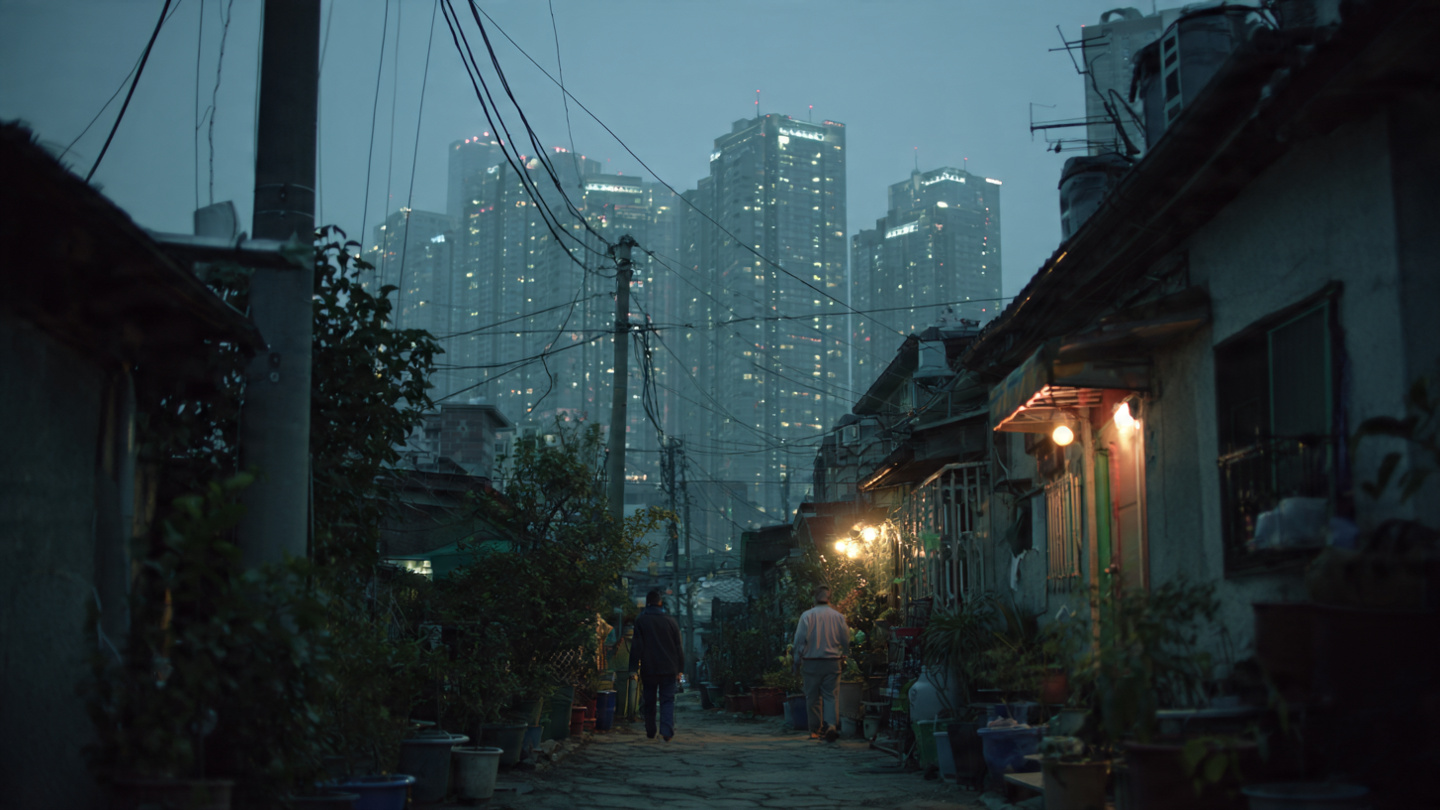
City officials and developers often present redevelopment as a path to cleaner, safer, more efficient urban living. In some cases, that argument has merit. Informal settlements can lack reliable infrastructure, fire safety, insulation, sanitation systems, and legal security. But once a redevelopment plan is announced, the core question becomes: redevelopment for whom? If the process produces high-end apartments while long-term residents are displaced to distant outskirts, then the project may improve buildings while worsening inequality.
Why Residents Are Defying Eviction
The residents resisting eviction are not simply opposing change. Many are demanding recognition, fair compensation, or the chance to secure some form of ownership in the place where they have lived for years. That distinction matters. Public debates often frame low-income communities as anti-development, when in reality many residents are asking for inclusive development. They want improvements without erasure.
The emotional intensity of the dispute becomes easier to understand when you consider what home means in a district like Gangnam. In a city with extreme housing pressure, even a modest dwelling in a prime district can represent access to schools, transit, healthcare, jobs, and social networks. Losing that home is not like changing addresses. It can mean losing access to the ecosystem that makes urban life viable.
The Legal and Financial Trap
Residents in informal or semi-formal housing areas often face a layered disadvantage. They may have occupancy claims but not full title. They may have invested their own labor into improving homes that are still treated as temporary structures. They may be offered compensation that sounds substantial in isolation but is nowhere near enough to purchase a new home in the same district. This is where the eviction dispute in Gangnam becomes especially painful: the market value of the area is so high that relocation within the neighborhood is out of reach for most low-income households.
In simple terms, a resident can be removed from some of the most valuable land in Seoul and still walk away with too little to remain anywhere nearby. That gap between paper compensation and real housing access is one of the defining injustices of modern redevelopment.
- Property values in Gangnam create enormous pressure to redevelop low-cost land.
- Long-term residents often seek ownership rights, better compensation, or guaranteed rehousing.
- Eviction risk rises when informal housing lacks strong legal protection.
- Relocation packages may fail to match the true cost of staying in the same district.
- Urban inequality in South Korea becomes more visible when wealth and precarity exist side by side.
What the Gangnam Slum Reveals About the Seoul Housing Crisis
The conflict is not an isolated anomaly. It is a concentrated expression of a citywide challenge. Seoul has long struggled with affordability, intense competition for homeownership, and the social importance attached to real estate. In this environment, housing policy is never just technical. It shapes class mobility, family planning, education choices, and retirement security.
Homeownership as Status and Survival
In South Korea, owning property can mean more than financial stability. It can also influence marriage prospects, perceived social standing, access to desirable neighborhoods, and long-term intergenerational wealth. That is why residents in contested areas often fight so hard for recognition. They understand that being excluded from property ownership in a premium district means more than losing a roof. It means losing a rare pathway into lasting economic security.
This is the deeper emotional engine behind the story. Outsiders may see a cluster of aging structures and assume redevelopment is inevitable. Residents may see the only chance they will ever have to convert years of fragile residence into a formal stake in one of Seoul's most valuable districts. Those are not small differences in perspective. They are two entirely different definitions of what justice looks like.
Who Benefits From Redevelopment?
Whenever major redevelopment is proposed, it helps to ask three practical questions. First, who captures the largest increase in land value? Second, who absorbs the greatest disruption? Third, who gets invited back once the project is complete? In many cities, the answers expose the imbalance immediately. Investors and developers gain the upside, residents bear the uncertainty, and the finished neighborhood becomes unaffordable to the very people who lived through the transition.
That pattern is one reason affordable housing in Seoul remains such an urgent issue. Without clear protections, redevelopment can function less like neighborhood improvement and more like social sorting. Prime districts become increasingly exclusive, while low-income residents are pushed farther from jobs, schools, and services. The city gets shinier, but also harsher.
The Human Stories Behind the Headlines
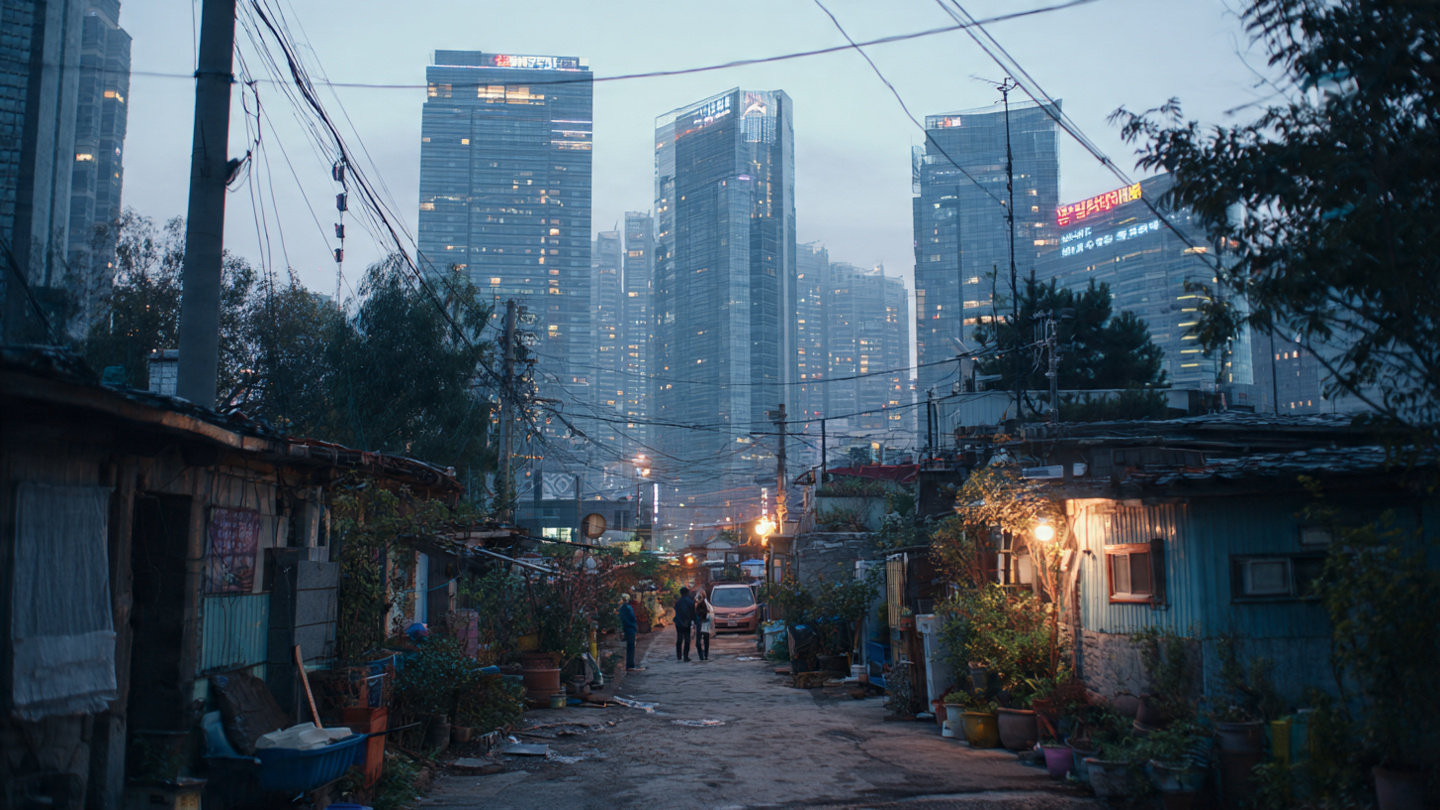
Statistics explain the scale of a housing problem, but they rarely communicate the texture of daily life. In settlements like the one in Gangnam, residents often include elderly people on fixed incomes, informal workers, people with disabilities, and families who cannot easily navigate the private rental market. For them, forced relocation is not a temporary inconvenience. It can trigger social isolation, longer commutes, higher living costs, and severe psychological stress.
Imagine an older resident who has spent decades building relationships with nearby shopkeepers, clinics, and neighbors. The physical home may be modest, but the surrounding network is a survival system. Remove that person from the district, and the loss is not only spatial. It is social, practical, and emotional. This is why discussions of urban redevelopment need to move beyond architecture and into the lived reality of community.
A Practical Example of What Displacement Means
Consider a household that receives compensation after eviction. On paper, the amount might seem meaningful. But then the actual math begins. Rent deposits elsewhere in Seoul are high. Transportation costs increase if the family moves farther from work. A child may need to leave a familiar school. An elderly parent may lose access to a nearby health center. The family may also lose income if the move disrupts local employment. What looked like a settlement becomes a chain reaction of new vulnerability.
That is why the debate should not be reduced to whether residents are sentimental about an old neighborhood. Many are making a rational argument: staying put, or being rehoused nearby, is more sustainable than being compensated into displacement.
Is There a Better Way to Redevelop?
Yes - but it requires political will and a different definition of success. If the only metric is maximizing land value, then low-income residents will almost always lose. If the goal is equitable urban renewal, cities must design projects that preserve community ties and share the benefits of redevelopment more fairly.
What Inclusive Redevelopment Could Look Like
A better model would begin by treating current residents as stakeholders rather than obstacles. That means transparent consultation, realistic compensation, on-site or nearby rehousing, phased redevelopment that avoids sudden displacement, and legal frameworks that recognize long-term occupancy. It also means setting aside a meaningful portion of redeveloped units for residents who would otherwise be priced out.
- Guaranteed local rehousing can prevent communities from being scattered across the city.
- Mixed-income development can reduce the tendency for luxury projects to replace working-class neighborhoods.
- Stronger tenure protections can give residents bargaining power before eviction notices appear.
- Resident participation can improve planning outcomes and reduce conflict.
- Public investment in affordable housing can make redevelopment compatible with social equity.
Lessons for Global Cities
What is happening in Gangnam resonates far beyond Seoul. From London to Mumbai, from New York to Sao Paulo, cities are wrestling with the same pressures: limited land, rising demand, global capital, and widening housing inequality. The details differ, but the underlying dilemma is familiar. When a place becomes desirable, do the people who endured its less glamorous years get a claim on the future, or are they simply removed once the neighborhood becomes profitable?
In that sense, the Gangnam slum is not an exception to urban modernity. It is one of its clearest expressions. It shows how cities can celebrate growth while quietly displacing the people who made daily life possible long before the cranes arrived.
Conclusion: A Defining Test of Urban Justice
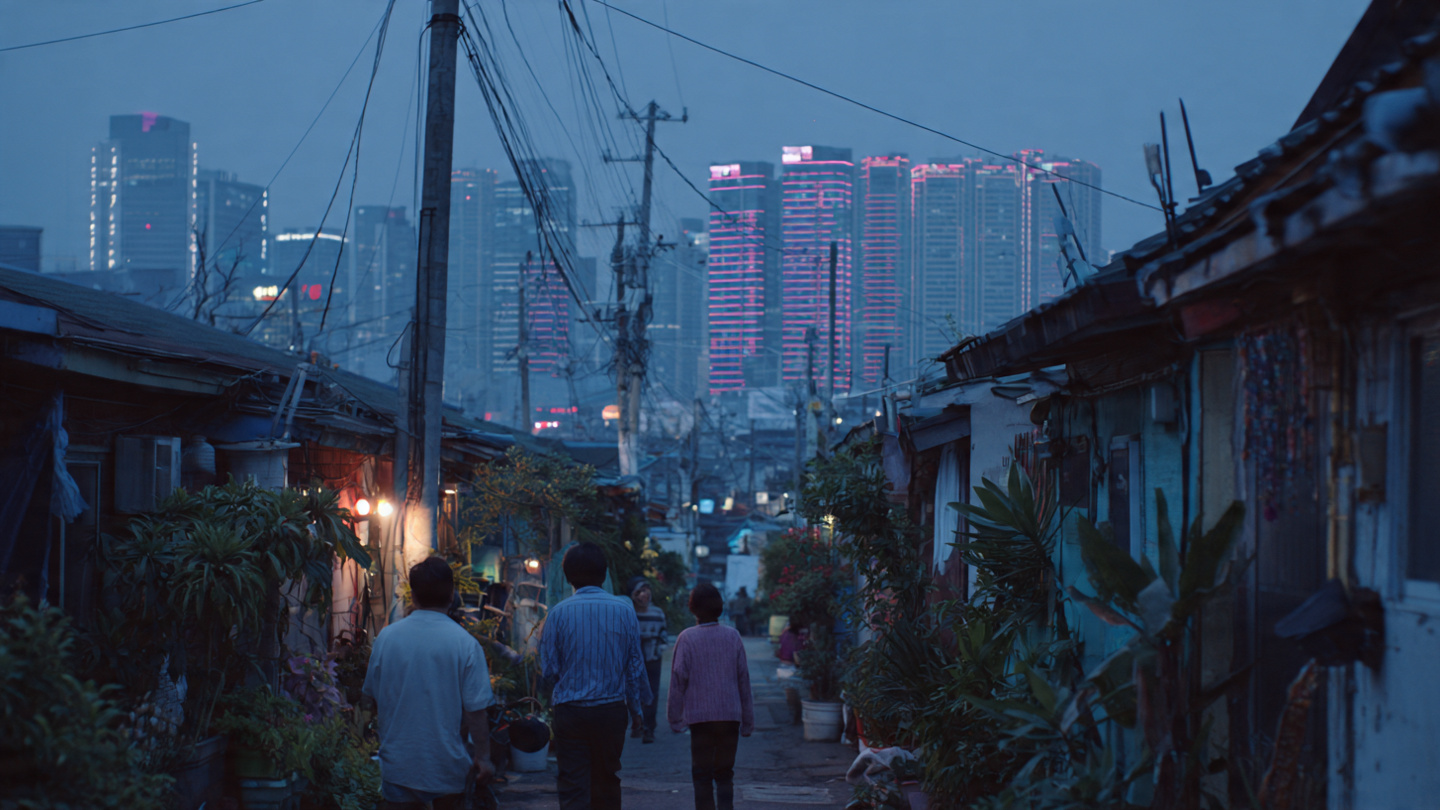
The battle over this settlement is about more than one patch of land in Seoul's richest district. It is a test of whether development can include dignity, whether housing policy can recognize human continuity, and whether prosperity can be shared rather than fenced off. The most important question is not whether Gangnam will change. Of course it will. The real question is whether its future will include the people who have lived on its margins for years.
For anyone following the Seoul housing crisis, this is the lesson worth remembering: a city reveals its values most clearly not in its luxury towers, but in how it treats those with the least power to stay. If policymakers want redevelopment to be credible, it must come with fairness. If citizens want a more humane city, they should demand housing systems that protect residents before speculation overwhelms them. And if global readers want to understand where urban inequality is heading next, they should keep watching Gangnam. The struggle there is local, but its warning is universal.
Call to action: pay closer attention to housing policy, local redevelopment plans, and resident protections in your own city. The future of urban life will not be decided only by architects and investors. It will be shaped by whether communities insist that progress include the right to remain.


