Winter in Ukraine was never supposed to become a front line. Yet as missiles and drones struck power plants, substations, heating networks, and water systems, the cold itself was transformed into a weapon. In neighborhoods across Kyiv and beyond, ordinary families found themselves fighting a second war after sunset: a war against freezing apartments, dead elevators, dark stairwells, spoiled food, silent radiators, and the creeping fear that the next strike would leave them with nothing at all.
What makes this story so unsettling is not only the military logic behind it, but the intimacy of the suffering. A battlefield is usually imagined as distant, loud, and clearly defined. But a weaponized winter enters kitchens, bedrooms, hospitals, and school corridors. It reaches the elderly first, then infants, then anyone dependent on electricity for heat, medicine, cooking, or communication. In that sense, Russia weaponized winter in Ukraine by targeting the systems that make modern urban life survivable in extreme cold.
If you have ever spent even one night without heat during a hard freeze, you already understand the basics. Now imagine that uncertainty lasting for weeks or months, while air raid sirens interrupt sleep and families ration flashlight batteries, drinking water, and phone charge. That is why the cold Ukrainian winter became more than weather. It became strategy.
How Winter Became a Tool of War
The phrase weaponized winter is not rhetorical flourish. It describes a deliberate method of pressure: hit civilian energy infrastructure during the harshest months of the year, reduce access to power and heat, and multiply hardship far from the front. The objective is broader than physical destruction. It is to exhaust civilians, strain emergency services, destabilize cities, and weaken morale.
Ukraine's urban infrastructure is especially vulnerable in winter because energy systems are deeply interconnected. Electricity powers far more than lights. It supports district heating pumps, water pressure, traffic systems, internet connectivity, supermarkets, clinics, and emergency response. When the grid fails, life does not simply become inconvenient. It begins to unravel in layers.
- Electricity outages shut down heating systems, elevators, refrigeration, and communications.
- Water disruptions quickly follow when pumping stations lose power.
- District heating failures leave entire apartment blocks dangerously cold.
- Healthcare systems are forced onto backup power, putting fragile patients at risk.
- Psychological pressure rises as civilians face darkness, uncertainty, and repeated alarms.
This is what made the campaign so effective as a form of coercion. Winter in Ukraine is not symbolic. It is material, physical, and unforgiving. Cold enters concrete walls, metal pipes, and human lungs. Once the temperature drops, every broken component becomes more serious, every repair more urgent, and every delay more dangerous.
Why Energy Infrastructure Became the Primary Target
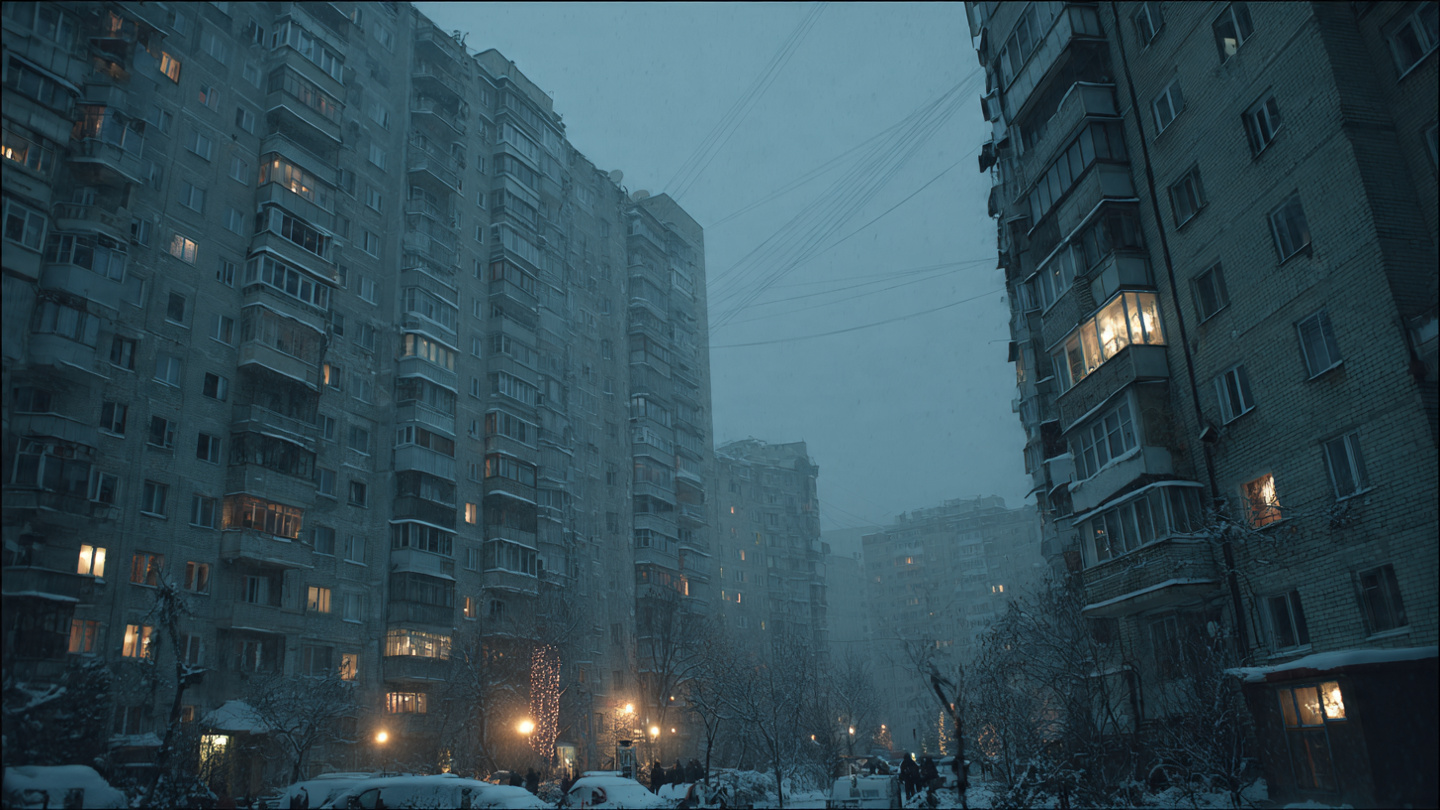
The logic behind attacking the grid
Military planners understand that energy is the bloodstream of a modern state. A missile strike on a substation can create consequences far beyond the immediate blast zone. By attacking power generation and transmission, Russia aimed to create cascading failures across civilian life. The calculation was coldly practical: one strike could disrupt millions of routines at once.
In wartime, infrastructure attacks are often described in technical language, but their effects are deeply human. A destroyed transformer is also an unheated neonatal ward. A damaged thermal plant is also a grandmother boiling snow or stored water on a camping stove. A blackout is also a child trying to do homework by flashlight in a stairwell because the apartment is too cold.
Why winter magnified every strike
The same attack that causes discomfort in mild weather can become life-threatening in January. During the coldest stretches, apartment buildings lose heat quickly, especially older Soviet-era blocks built around centralized systems. Once district heating falters, indoor temperatures can fall fast. Pipes freeze. Water systems crack. Repairs become slower and more hazardous for workers.
That timing matters. Striking during winter means civilians have fewer alternatives. They cannot simply open windows for ventilation or sleep in cars for warmth if fuel is scarce. Shelters become crowded. Local authorities must make impossible prioritization decisions. In practical terms, the cold amplifies damage without requiring additional firepower.
Inside the Civilian Experience of a Frozen City
To understand the full meaning of Russia weaponized winter in Ukraine, it helps to look beyond military maps and into a single residential district. Picture a Kyiv neighborhood of apartment towers, small groceries, pharmacies, schools, and playgrounds. On the surface, it is ordinary. But after a major strike, routine collapses.
Morning begins not with alarm clocks, but with checking whether power has returned. Elevators are dead, so residents on upper floors climb dark stairwells carrying bottled water. Elderly people become trapped by mobility limits. Parents rush to charge phones whenever electricity flickers back on. Shopkeepers sell out of candles, batteries, and portable stoves. ATM lines form because digital payment systems are unreliable. Water has to be stored in tubs and jugs before the next outage.
The emotional atmosphere changes too. People start thinking in backup plans. Can the soup be reheated? Is the pharmacy fridge still cold enough for insulin? Will the child wake up coughing because the room temperature dropped overnight? Has the phone battery been saved for emergency calls or spent on news updates?
These are not abstract concerns. They redefine the rhythm of life:
- Families sleep in layers of coats, hats, socks, and blankets.
- Neighbors share generators, extension cords, and boiled water.
- Parents improvise normalcy with games, candles, and hot tea.
- Workers adapt by timing tasks around blackout schedules.
- Communities form survival networks faster than formal systems can respond.
One of the most striking features of these conditions is how quickly people become logistical thinkers. A resident who never cared about substations suddenly understands transformer capacity, battery life, pipe insulation, and the location of the nearest warming center. War forces technical awareness onto civilians because survival depends on it.
The Psychological Impact of Cold, Darkness, and Uncertainty
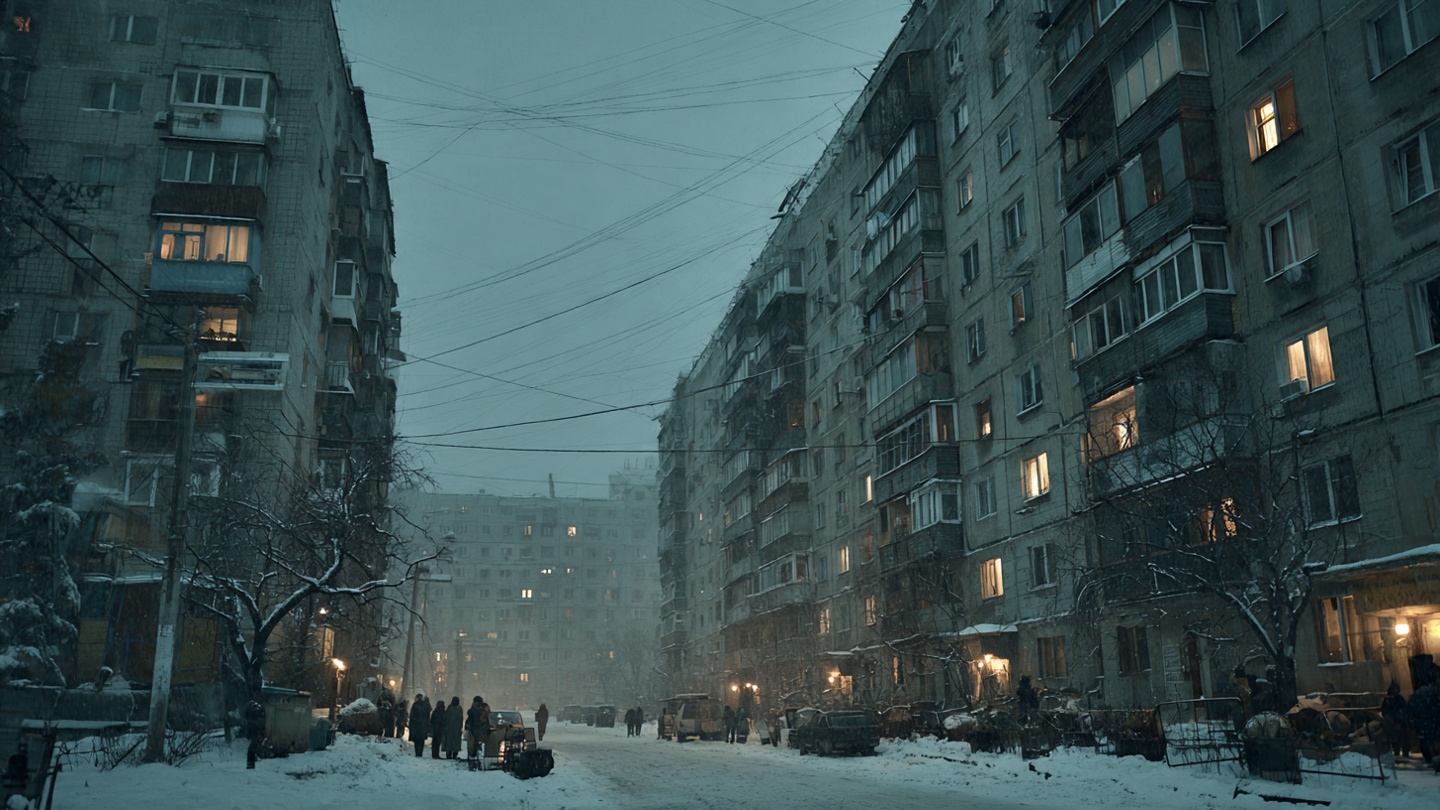
Physical hardship is only part of the strategy. The deeper objective of targeting civilian infrastructure in winter is psychological attrition. Darkness alters perception. Cold alters patience. Uncertainty alters behavior. A city that cannot predict when heat or electricity will return is easier to exhaust than a city facing a single isolated strike.
There is a particular stress that comes from repeated interruption. Not knowing whether an outage will last one hour or twenty makes planning almost impossible. People stop living forward and begin living interval to interval. Charge now. Cook now. Bathe now. Send messages now. That compressed survival mindset drains mental resilience over time.
Children absorb the tension in different ways. Some become unusually quiet. Others ask constant questions adults cannot answer. Elderly residents often suffer most because cold intensifies preexisting health conditions and isolation. For patients dependent on oxygen concentrators, refrigerated medications, or electrically powered medical devices, a blackout is not just frightening. It can be fatal.
In my view, this is where the moral clarity sharpens. When winter conditions are intentionally leveraged against apartment blocks, hospitals, and municipal utilities, the suffering cannot be dismissed as collateral inconvenience. It is a form of pressure designed to make civilian endurance itself part of the battlefield.
How Ukrainians Adapted Under Extreme Pressure
Resilience at the household level
One reason the strategy did not produce total collapse is that Ukrainian civilians adapted with remarkable speed. Homes turned into micro-shelters. Families prepared emergency kits with thermal clothing, power banks, candles, water reserves, canned food, flashlights, and small gas burners. People learned blackout routines the way previous generations learned weather patterns.
Practical adaptation became a civic skill. Residents charged every device whenever electricity returned. Meals were cooked in batches. Apartment corridors became information exchanges where neighbors shared outage updates and supplies. In many places, mutual aid mattered as much as formal public services.
Community-level responses
Local governments, volunteers, and civic groups also moved fast. Warming centers offered heat, internet access, charging stations, and basic medical support. Schools and municipal buildings were repurposed to provide refuge during the worst outages. Engineers worked under dangerous conditions to restore damaged power lines and substations.
These responses show an important truth: infrastructure resilience is not only about hardware. It is also about social trust, decentralized problem-solving, and the willingness of people to help one another in conditions that would otherwise produce panic.
- Warming hubs gave residents a place to recharge devices and bodies.
- Volunteer networks distributed generators, blankets, food, and medicine.
- Repair crews restored service under threat of renewed attack.
- Neighborhood coordination helped protect vulnerable residents.
- Public communication reduced confusion around scheduled outages.
That resilience deserves attention, but it should never be romanticized. Endurance is admirable, yet it comes at a cost. The ability to survive repeated winter blackouts does not make the tactic less brutal. It only shows how much civilians were forced to absorb.
The Broader Strategic Goal Behind Attacking Civilian Life
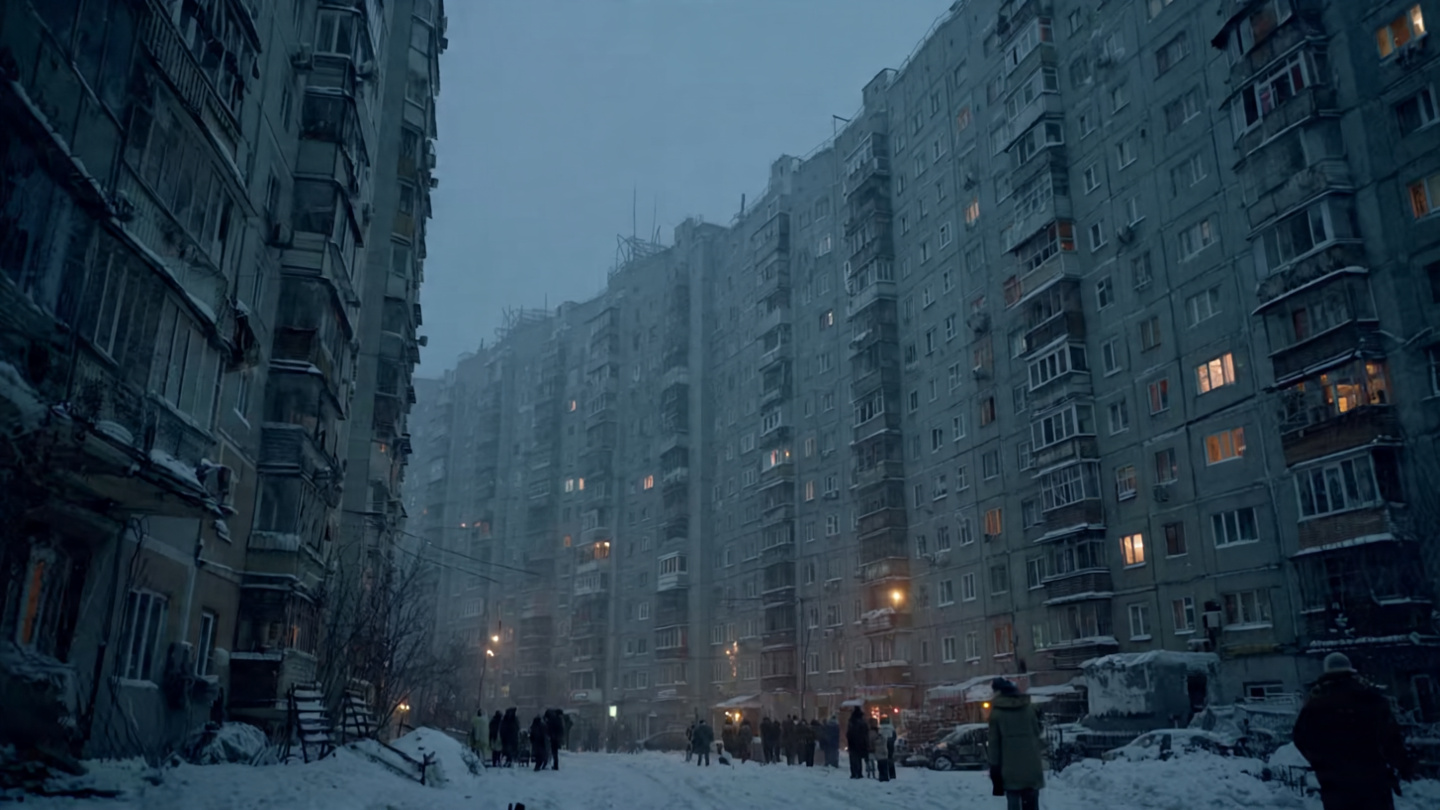
The broader purpose of these winter strikes was not simply to damage equipment. It was to create a cumulative atmosphere of fatigue. If homes are cold, productivity falls. If businesses lose power, the economy slows. If transport systems falter, cities become harder to manage. If families spend every day solving basic survival problems, political and social pressure rises.
That is why the attack pattern mattered so much. The infrastructure campaign reached beyond immediate military objectives and into the civic architecture of daily life. This is what made it a powerful form of coercion. Rather than confronting every Ukrainian defense position directly, it attempted to weaken the country through its households, hospitals, utilities, and morale.
From an SEO perspective, people often search terms like Russia weaponized winter in Ukraine, Ukraine energy infrastructure attacks, civilian suffering in Kyiv, and winter war tactics because they are trying to understand not just what happened, but how weather and infrastructure can be fused into a single strategy. The answer is grimly simple: destroy the systems that protect civilians from the season, and the season starts doing part of the work.
What the World Should Learn From Ukraine's Winter
Modern cities are more fragile than they appear
One lesson from Ukraine is that modern urban life depends on invisible systems few people think about until they fail. Heat, water, telecoms, transport, and healthcare all depend on energy continuity. Protecting civilians in war therefore requires more than air defense. It requires redundancy, backup generation, decentralized heat sources, emergency shelters, stockpiles, and rapid repair capacity.
Civilian infrastructure is strategic infrastructure
Another lesson is that power grids are not secondary targets in contemporary conflict. They are central. The line between military pressure and civilian survival becomes dangerously thin when a city relies on interconnected networks. International policymakers, urban planners, and emergency managers should treat this as a warning, not an exception.
There are practical takeaways worth noting:
- Grid decentralization can reduce the impact of single-point failures.
- Backup heating capacity should be prioritized in dense urban housing.
- Hospitals and care centers need stronger power redundancy.
- Clear public messaging is essential during rolling outages.
- Community preparedness saves lives before outside help arrives.
These lessons are relevant far beyond Ukraine. Any country with dense cities and cold winters should study how quickly everyday life can degrade when energy systems are repeatedly targeted.
Conclusion: When Winter Itself Is Turned Against Civilians
The story of Ukraine's hardest winter is not only about snow, low temperatures, or even damaged substations. It is about the deliberate conversion of climate into coercion. Russia weaponized winter in Ukraine by attacking the infrastructure that separates cold weather from humanitarian crisis. In doing so, it turned ordinary neighborhoods into survival zones and forced civilians to negotiate every day through darkness, uncertainty, and fear.
Yet this is also a story of stubborn civilian resilience. Kyiv neighborhoods, local workers, volunteers, doctors, utility crews, parents, and pensioners all demonstrated that a city under pressure can still hold together through preparation, cooperation, and grit. That endurance should be remembered. So should the cost.
If this subject matters to you, do not let it become just another headline about war and weather. Follow the reality of Ukraine winter attacks, support humanitarian relief, pay attention to energy security, and keep asking hard questions about the protection of civilians in modern conflict. The more clearly the world understands how winter was turned into a weapon, the harder it becomes to look away when it happens again.


