Tax season has always attracted fraud, but today’s tax scams feel different. They are cleaner, faster, and far more believable than the clumsy phishing emails many people learned to ignore years ago. A fake message can now sound like a real accountant, look like an official notice, and create just enough panic to push someone into acting before they think. That is exactly why so many people still get caught.
I have long believed that the most dangerous scams are not the ones packed with obvious mistakes. They are the ones that arrive at the exact moment you are busy, stressed, and expecting to hear about money. Tax season creates that perfect storm. People are waiting for refunds, searching for forms, replying to accountants, and worrying about deadlines. Fraudsters understand this better than most people realize, and they build their schemes around urgency, confusion, and trust.
If you want to protect yourself, it helps to stop thinking of tax fraud as one fake email from a stranger. Modern tax scams are often multi-step attacks. A criminal might start with a text, follow with an email, then send a convincing payment link or a forged document. In some cases, they impersonate tax agencies, payroll departments, bookkeepers, or even family members. The goal is always the same: steal money, tax refunds, login credentials, Social Security numbers, or enough personal data to commit identity theft.
This guide breaks down why tax scams are becoming harder to spot, what warning signs still matter, and how to respond before a bad situation becomes a financial disaster.
Why Tax Scams Feel More Believable Than Ever
Fraudsters have become better at copying the language, formatting, and emotional pressure used by real institutions. Years ago, many scam messages were easy to spot because they were full of spelling errors, random formatting, and generic threats. That is no longer something you can rely on.
Today, scam campaigns often use polished wording, realistic logos, official-sounding case numbers, and messages tailored to the recipient’s situation. If you are self-employed, you might receive a fake notice about underreported income. If you recently changed jobs, you could get a message about payroll tax corrections. If you are expecting a refund, you may see a text claiming your direct deposit failed and needs to be reverified.
The most important shift is personalization. Scams are more effective when they feel timely and relevant. Criminals gather information from data breaches, social media, public records, and past phishing attacks. Even a few details, such as your employer, phone number, home address, or the fact that you recently started a side business, can make a fake message feel authentic.
- Scammers use timing to strike when people are thinking about refunds, deadlines, and paperwork.
- Scammers use authority by imitating tax agencies, banks, payroll providers, and accountants.
- Scammers use pressure through threats of penalties, account suspension, or delayed refunds.
- Scammers use realism with cleaner writing, official branding, and accurate personal details.
The Most Common Tax Scam Tactics Right Now
1. Fake Tax Agency Notices
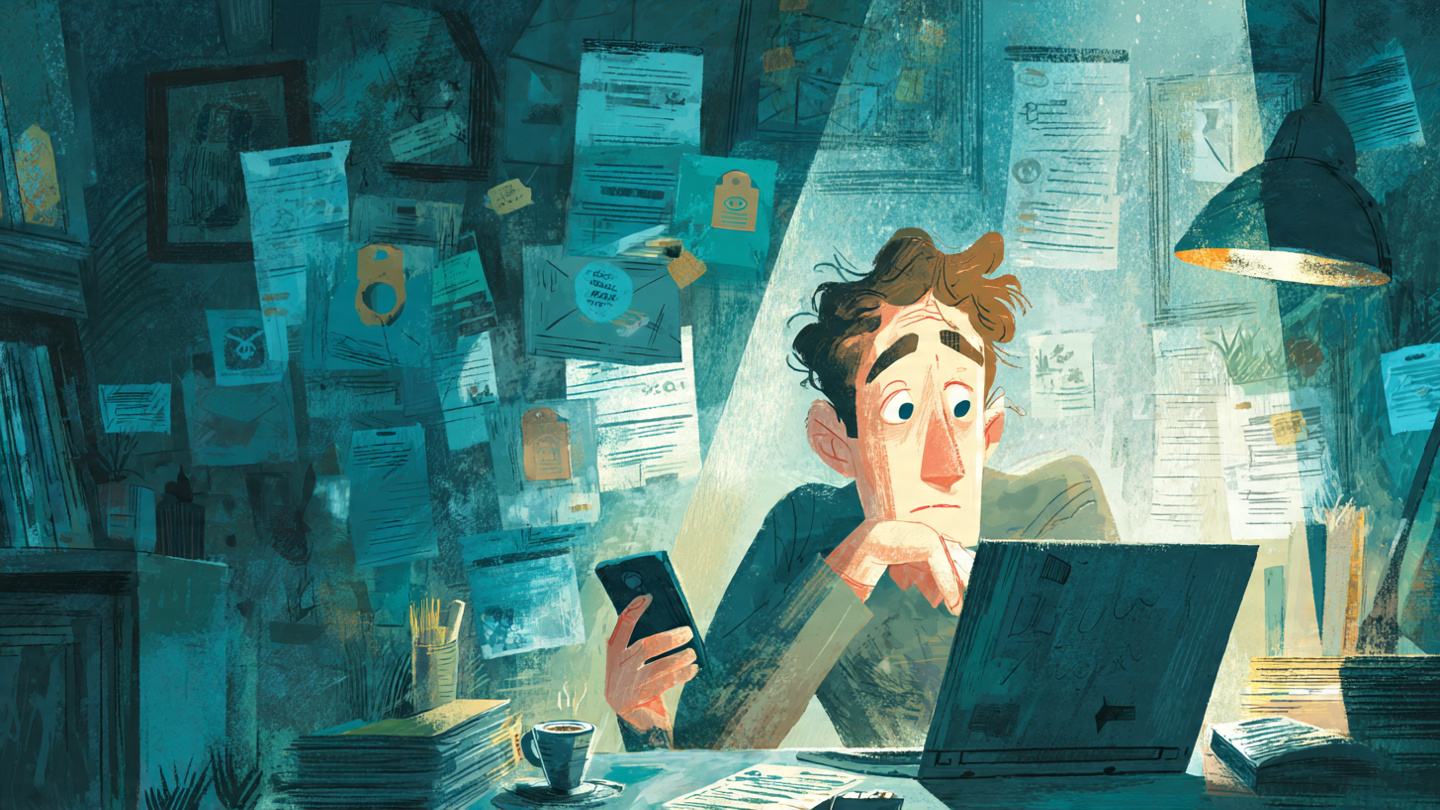
One of the oldest forms of tax fraud is still one of the most successful: messages pretending to come from a tax authority. These notices often claim you owe money, your refund is frozen, your identity needs verification, or legal action is about to begin.
What makes them dangerous is not just the message itself. It is the emotional reaction they create. A person who believes they are in trouble with a tax agency may click first and think later.
Red flag: Government tax agencies generally do not begin serious contact through aggressive texts, social media messages, or random email links demanding urgent action.
2. Refund Release Scams
These scams work because people want their money quickly. A message says your refund is ready but cannot be processed until you confirm your bank account, upload identification, or pay a small “release fee.” In reality, the criminal is collecting account details or payment credentials.
A practical example: someone receives a text saying, “Your tax refund transfer failed. Reconfirm your banking details within 24 hours to avoid further delay.” The link leads to a page that looks official, but it is designed to steal login information.
Red flag: A legitimate refund does not require a surprise fee to be unlocked.
3. Accountant or Payroll Impersonation
This tactic is especially dangerous for freelancers, small business owners, and employees in finance or HR. A scammer poses as an accountant, a payroll manager, or an executive asking for W-2 details, tax forms, employee records, or a payment related to filing.
Because the request appears to come from inside a trusted relationship, the victim may comply without verifying it. Businesses are especially vulnerable when processes are rushed during filing season.
Red flag: Any request for sensitive tax information or wire transfers should be verified through a separate channel, even if the sender appears familiar.
4. Phone Calls That Sound Official
Some tax scams begin with a phone call claiming to be from a revenue office, legal department, or collections team. The caller may use a spoofed number that resembles a real office. The script usually relies on fear: immediate payment is needed to avoid arrest, penalties, or account seizure.
In recent years, voice-based scams have become more polished. The caller may sound calm, informed, and professional rather than openly threatening. That alone can lower your defenses.
Red flag: Demands for instant payment by gift card, cryptocurrency, bank transfer, or peer-to-peer app are a major sign of fraud.
5. Fake Tax Preparation Help
During tax season, many people look online for fast filing support. Fraudsters take advantage by creating fake tax preparation websites, fake customer service lines, or ads offering unusually cheap filing. The victim either pays for a service that does not exist or hands over enough personal data for identity theft.
Sometimes the scam is even more damaging: the criminal files a fraudulent return in the victim’s name before the real taxpayer does.
Red flag: If a service has no credible business history, no verifiable address, and no trustworthy reviews outside its own site, proceed carefully.
Why Smart People Still Fall for Tax Fraud
There is a harmful myth that only careless people get scammed. In reality, many victims are organized, educated, and generally cautious. Fraud works because it targets human behavior, not intelligence.
Tax matters involve fear, deadlines, authority, and money. That combination can override normal skepticism. When a message says your refund is delayed or your filing contains an issue, your brain starts solving the problem before it fully evaluates whether the message is real.
I have seen this pattern repeatedly in consumer security: the stronger the emotional trigger, the lower the pause between message and action. That pause is exactly what criminals are trying to eliminate.
- Stress reduces scrutiny when people are already juggling forms, documents, and deadlines.
- Authority lowers resistance because official language makes people more likely to comply.
- Urgency disrupts judgment by making verification feel risky or time-consuming.
- Familiar details create trust even when the source is fake.
How to Spot the Warning Signs Before You Click
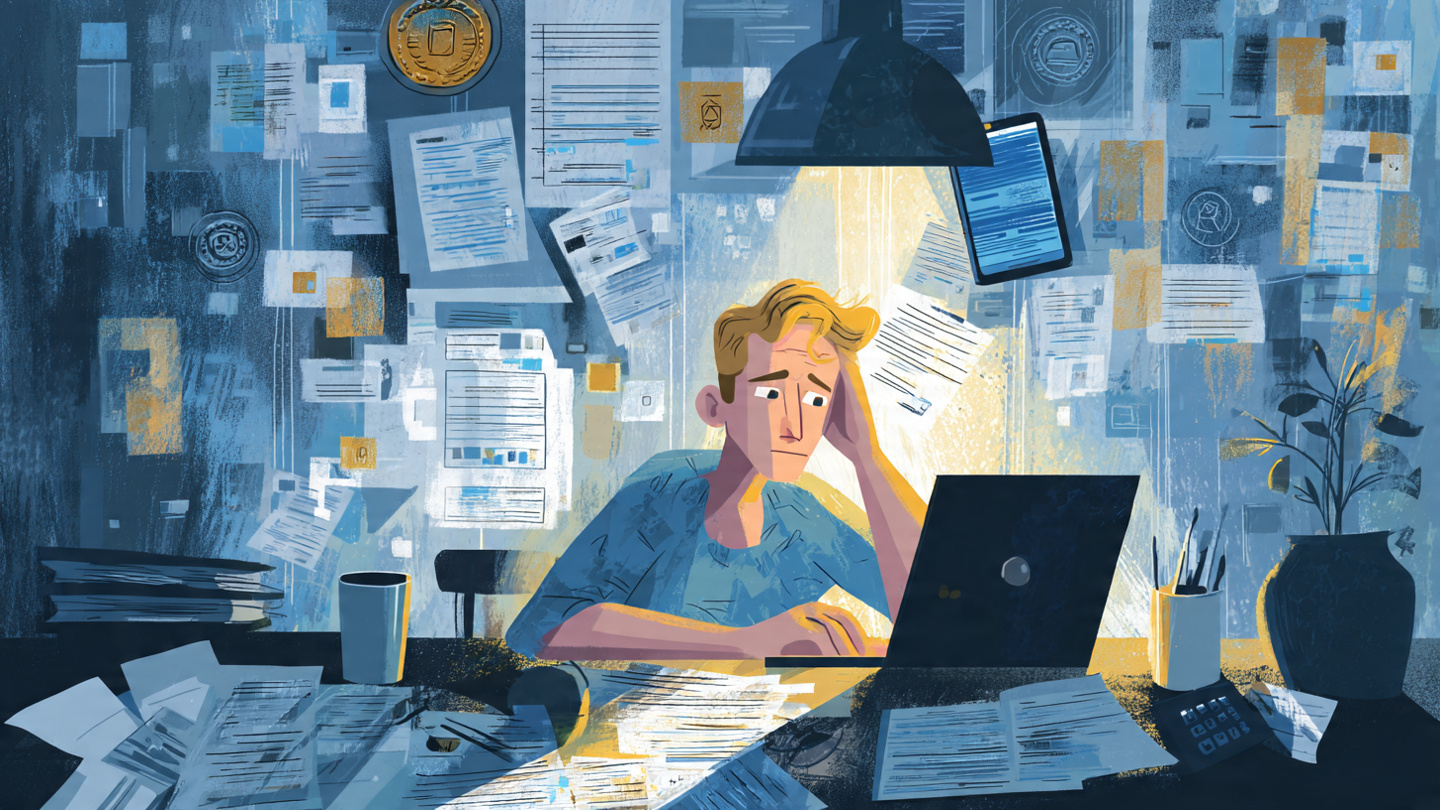
Even though tax scams are more sophisticated now, they still leave clues. The trick is knowing which clues matter most.
Unexpected Contact About Taxes
If you were not expecting a message, call, or portal request, slow down immediately. An unexpected alert about a refund, debt, or verification issue should never be treated as urgent until you confirm it independently.
Pressure to Act Now
Scammers thrive on countdown language: “within 24 hours,” “final notice,” “immediate suspension,” or “avoid legal action today.” Real institutions may communicate deadlines, but scam messages often turn them into emotional threats.
Requests for Sensitive Information
Be cautious if someone asks for Social Security numbers, tax transcripts, bank logins, copies of identification, or one-time passcodes. Even if the request seems reasonable, ask yourself whether this information is being requested through a verified and secure channel.
Payment Methods That Make No Sense
Tax agencies do not ask for payment through gift cards, prepaid debit cards, cryptocurrency, or informal transfer apps. When the payment method feels strange, assume the request is suspicious.
Links That Push You Into Logging In
A common phishing strategy is sending a direct link to “resolve” a tax issue. Instead of clicking, go to the official website by typing the address yourself or using a saved bookmark. That simple habit blocks many attacks.
Practical Ways to Protect Yourself During Tax Season
Protection does not require paranoia. It requires systems. The safest people are not the ones who trust no one; they are the ones who verify before they act.
Use Direct Navigation
If you get a message about taxes, refunds, or your account, do not click the embedded link. Visit the official website directly. Better yet, bookmark legitimate tax and financial sites before tax season begins.
Verify Through a Second Channel
If a message appears to come from your accountant, employer, payroll team, or bank, verify it using a phone number or email address you already know is real. Never rely on the contact details provided in the suspicious message itself.
File Early When Possible
Early filing can reduce the window for tax identity theft. When criminals submit a fake return first, victims often discover the fraud only after their legitimate filing is rejected.
Strengthen Account Security
Use unique passwords for tax software, email, and banking. Enable multi-factor authentication wherever available. Email is especially critical because many account recovery links and tax documents pass through it.
Monitor for Signs of Identity Theft
Watch for tax transcripts you did not request, notices about returns you did not file, or refund activity you do not recognize. Unusual account alerts, credit changes, or bills for unknown services can also point to broader identity theft.
- Do not click links in unexpected tax messages.
- Do not share personal data until you verify the requester independently.
- Do not rush payments because of threats or emotional pressure.
- Do save records of suspicious texts, emails, and voicemail messages.
- Do report incidents quickly to the relevant tax authority, bank, and credit bureaus if needed.
What To Do If You Think You Were Targeted

If you only received a suspicious message and did not engage, delete it after reporting it through the proper channel. But if you clicked, replied, sent money, or shared personal details, act immediately.
Step 1: Secure Your Accounts
Change passwords for email, tax software, and financial accounts. If the same password was reused elsewhere, change those too. Enable multi-factor authentication if it is not already active.
Step 2: Contact Financial Institutions
If you entered banking details or sent money, call your bank or card provider right away. Fast reporting can improve the chance of stopping or reversing fraudulent activity.
Step 3: Watch for Tax Identity Theft
If sensitive tax information was exposed, check for signs of fraudulent filing. You may need to contact the relevant tax authority and follow its identity theft procedures.
Step 4: Freeze or Monitor Credit
If your Social Security number or equivalent identity data was exposed, consider a credit freeze or fraud alert. This can help prevent criminals from opening new accounts in your name.
Step 5: Document Everything
Save screenshots, payment confirmations, phone numbers, and email headers when possible. This information can help investigators and may support disputes with your bank or service provider.
How Families and Small Businesses Can Reduce Risk
Households and small companies often assume they are too minor to be targeted. That is a mistake. Small businesses, in particular, may have weaker approval processes and fewer security checks, making them attractive targets.
Families should agree on a few simple rules during tax season: no one sends tax documents by text, no one responds to money demands without verification, and no one uses links from unexpected messages to access accounts.
Small businesses need an internal policy for handling tax documents and payment requests. Sensitive files should move through approved systems only, and any unusual request involving payroll, vendor changes, or employee tax records should require verbal confirmation.
- Create a verification rule for any tax-related request involving money or personal information.
- Limit access to employee records and filing credentials.
- Train staff seasonally before filing deadlines and refund periods.
- Review old accounts and remove access for former employees or vendors.
Conclusion: Caution Beats Panic Every Time
Tax scams are harder to spot today because they are designed to feel normal. They use believable language, realistic timing, and personal details to create trust. But the basic defense has not changed: pause, verify, and refuse to let urgency make your decisions.
The safest habit is simple: never respond to tax pressure in the same moment you receive it. Open a new browser tab, call a known number, log in through an official website, and confirm the situation on your terms. That short delay can protect your refund, your accounts, and your identity.
If this article made you rethink how you handle tax messages, use that momentum now. Review your passwords, secure your email, warn your family, and put a verification rule in place before the next suspicious message arrives. A few careful habits today can save months of stress later.
For more practical digital safety guidance, build a simple personal checklist and revisit it every tax season. The goal is not fear. The goal is confidence.


