Building a connected home used to sound like a luxury project for homeowners with unlimited budgets and a weekend to spare. That is no longer true. Thanks to aggressive seasonal discounts, easier setup tools, and a wider range of reliable devices, it is now possible to create a budget smart home that feels polished, practical, and genuinely useful. If you shop carefully, you can put together a complete setup for under $2,000 without sacrificing the essentials that matter most: security, convenience, energy savings, and daily comfort.
The smartest approach is not to buy everything at once simply because it is on sale. A good smart home works because the devices solve real problems. Maybe you want to check your front door from work, automate your lights when you are away, lower heating and cooling costs, or stop wondering whether you locked up before bed. Those are the upgrades that improve everyday life. In my experience, the best setups are not the flashiest ones. They are the ones that blend into your routine so smoothly that, after a week or two, you cannot imagine going back.
Amazon’s Big Spring Sale is one of the better times of year to build that foundation. Discounts often hit core categories like video doorbells, indoor and outdoor cameras, smart plugs, bulbs, thermostats, speakers, and robot vacuums. That combination makes it possible to cover nearly every room in the house while staying within a realistic budget. The key is choosing the right device mix and understanding where premium features are worth paying for and where you can save.
Why a Budget Smart Home Makes More Sense Than Ever
For many households, the goal is not to create a futuristic showpiece. It is to make the home feel easier to manage. A smart home setup on a budget can reduce small daily annoyances, improve security, and help control energy use with minimal effort. The economics are better now than they were even a few years ago because entry-level products have improved dramatically.
Basic smart bulbs now offer app control, schedules, and voice support. Affordable video doorbells provide motion detection and two-way audio. Smart plugs can automate lamps, coffee makers, fans, and holiday lights in minutes. Even robot vacuums have become far more accessible during large sale events. That means you do not have to choose between functionality and affordability in the same way you once did.
There is also a hidden financial benefit to shopping during a major promotion. Buying devices from one ecosystem during a sales event often helps you avoid the piecemeal cost creep that happens when you upgrade room by room. With a little planning, you can buy the essentials in one go, set a spending ceiling, and end up with a system that works together from day one.
- Security: video doorbells, cameras, smart locks, and sensors add peace of mind.
- Convenience: voice assistants, routines, and automated lights simplify daily tasks.
- Energy savings: thermostats, plugs, and lighting schedules can lower utility waste.
- Comfort: better control over temperature, lighting, and cleaning improves everyday living.
How to Prioritize Your Smart Home Budget
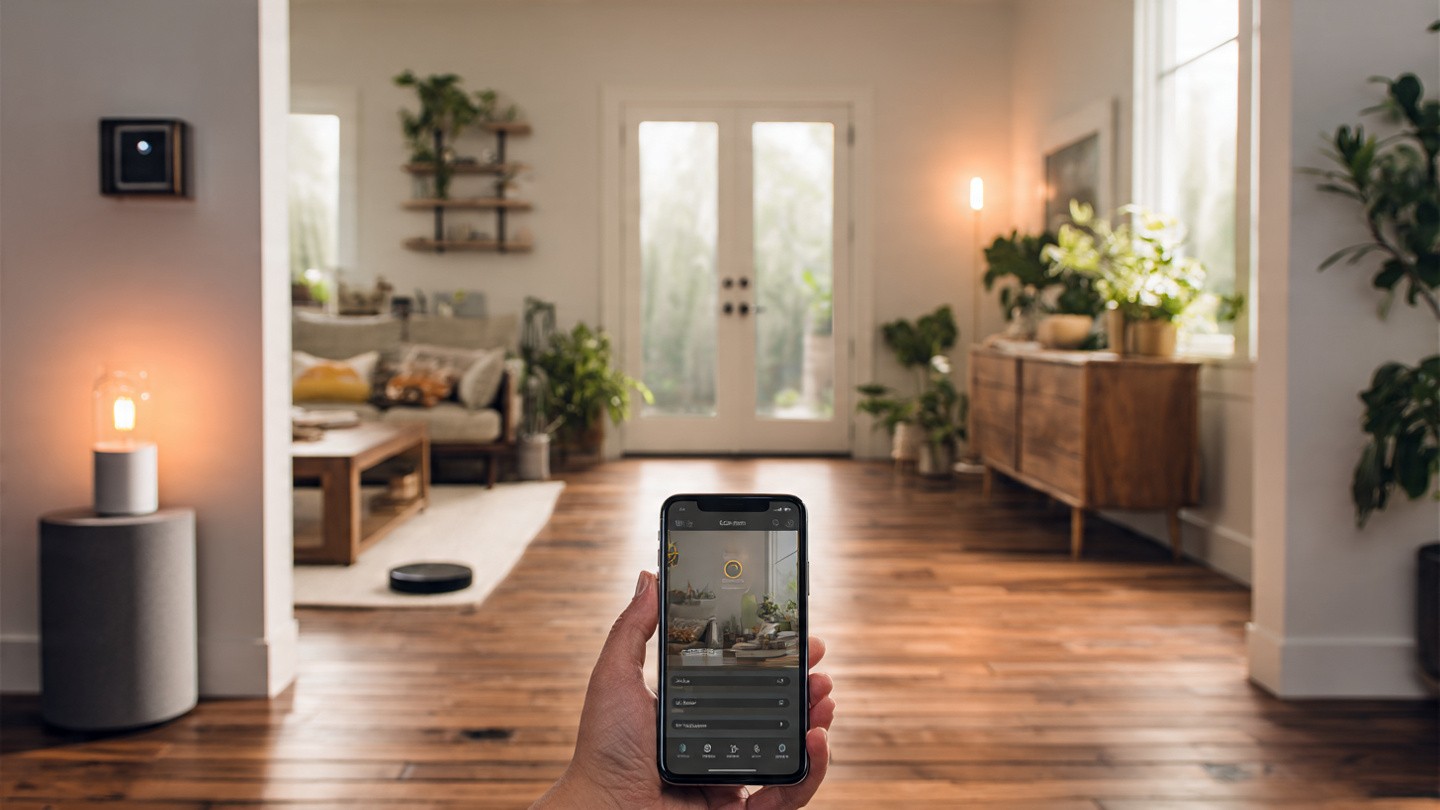
If your budget tops out at $2,000, the best strategy is to divide spending into a few high-impact categories. Most people get the biggest value from starting with home security, then adding lighting and control devices, then finishing with convenience upgrades like cleaning automation or entertainment enhancements.
A practical allocation might look something like this: spend the largest share on entry security, camera coverage, and one or two anchor devices such as a smart thermostat or smart lock. Then use lower-cost accessories like plugs and bulbs to extend automation throughout the home. This layered approach feels more complete than spending half the budget on one premium gadget.
1. Start With Smart Security
If I were building a smart home from scratch, I would begin at the front door. A video doorbell offers immediate value because it solves multiple problems at once. You can see deliveries, screen unexpected visitors, and check motion alerts when you are away. Pair that with one indoor camera for pets or entry monitoring and one outdoor camera for driveway or backyard coverage, and you already have a strong security baseline.
For many families, this category delivers the biggest emotional payoff. It is hard to put a price on the reassurance of checking your phone and seeing that a package arrived safely or confirming that the kids made it home. During a sale, these devices often see some of the deepest markdowns, especially if you are open to previous-generation models that still offer excellent performance.
2. Add Smart Lighting for Instant Impact
Smart lighting is where a home starts to feel truly modern. It is also one of the easiest categories to overbuy. Instead of replacing every bulb in the house, focus on the rooms where automation matters most: the entryway, living room, bedroom, kitchen, and exterior porch lights. Smart bulbs work well when you want color control or dimming, while smart switches make more sense for shared fixtures that multiple people use.
I often recommend starting with bulbs in lamps and low-traffic fixtures, then using smart plugs for simple on-and-off automation. This keeps the cost down while still letting you create useful routines, such as lights that turn on at sunset, dim before bed, or activate automatically when you arrive home.
3. Use Smart Plugs as Budget Multipliers
If there is one underrated category in the Amazon smart home deals lineup, it is smart plugs. They are inexpensive, fast to install, and surprisingly flexible. A smart plug can make a lamp feel smart, automate a fan during warm afternoons, turn off a curling iron remotely, or set a coffee maker to start with your morning routine. For a modest investment, you gain control over many everyday appliances without replacing them.
That is why smart plugs are often the best way to stretch your budget. Instead of buying only high-ticket devices, a handful of plugs lets you spread convenience throughout the home.
4. Choose One Smart Speaker or Display Ecosystem
A smart home becomes more intuitive when there is a simple way to control everything. For many buyers, that means choosing an Alexa-enabled speaker or smart display as the command center. Voice control is not essential, but it does make the experience faster and more natural, especially for timers, routines, weather checks, and room-by-room commands.
Small smart speakers are affordable and work well in bedrooms or kitchens. A smart display in the main living area adds visual controls, camera feeds, calendar widgets, and recipe support. The important thing is consistency. Sticking to one ecosystem helps avoid setup headaches and makes routines easier to manage.
A Sample Full Smart Home Setup Under $2,000
Here is what a balanced smart home for under $2,000 might include during a strong seasonal sale. Exact prices will vary, but the structure remains sound.
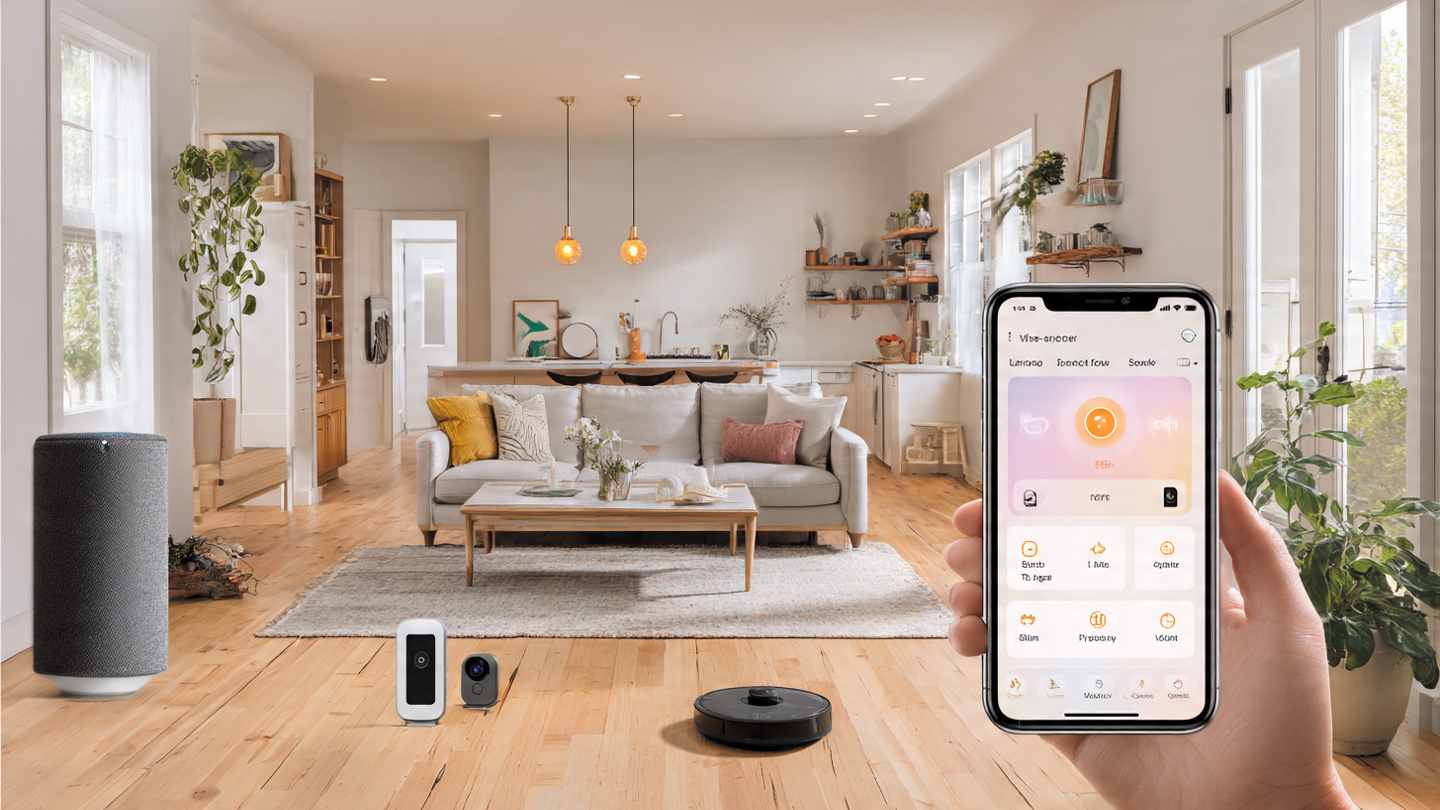
- Video doorbell: one reliable model with motion alerts and two-way audio.
- Indoor cameras: one or two for pets, nursery monitoring, or entry points.
- Outdoor camera: one weather-resistant unit for driveway, backyard, or garage.
- Smart lock: keyless entry for the front door with app access.
- Smart thermostat: automated heating and cooling control.
- Smart speakers or displays: two to three devices for voice control and routines.
- Smart bulbs: a starter pack for the living room, bedroom, and entryway.
- Smart plugs: four to six plugs for lamps, small appliances, and seasonal use.
- Robot vacuum: one midrange model for automated floor cleaning.
- Optional sensors: door, window, or motion sensors where needed.
This kind of package covers the major pillars of a connected home without crossing into unnecessary excess. It gives you visibility, automation, and convenience in the spaces where they matter most. More importantly, it leaves room for future expansion if you decide to add more rooms later.
Where to Spend More and Where to Save
Not every category deserves the same investment. Some products are used dozens of times a day, while others are nice to have but easy to postpone. If you want your dollars to work harder, spend more on devices that directly affect security, reliability, and energy use.
Worth the Extra Spend
A good smart lock, dependable doorbell camera, and capable thermostat are usually worth a little extra because they perform important functions every day. These are the devices you do not want failing at the wrong time. Better build quality, stronger app support, clearer video, and more dependable connectivity can justify the difference.
Easy Places to Save
You can usually save money on smart bulbs, plugs, and secondary speakers, especially when they are bundled. Previous-generation devices are also worth considering. In many cases, they offer nearly the same core experience as the newest model at a much lower sale price. The same is true for robot vacuums if you are comfortable skipping top-tier features like advanced object recognition.
Personally, I would rather buy one great doorbell camera and a practical set of plugs and bulbs than overspend on decorative tech features that look impressive for a week and then fade into the background.
Practical Tips for Shopping Amazon Big Spring Sale Deals
Sales events create urgency, which can lead to rushed decisions. The smartest shoppers stay disciplined. Before you buy, map your home room by room and decide what problem each device will solve. That simple step helps you avoid duplicate purchases and random add-ons.
- Set a hard budget: decide your total spend before browsing deals.
- Build around one ecosystem: compatibility matters more than novelty.
- Check subscription costs: some cameras and doorbells add monthly fees.
- Prioritize bundles: speaker packs, camera multipacks, and bulb kits often offer better value.
- Think installation first: battery-powered and plug-in devices are easier for renters.
- Read real-world reviews: look for comments on app reliability, alerts, and connectivity.
Another tip: do not ignore your internet setup. A smart home is only as smooth as the network behind it. If your Wi-Fi struggles in the garage, backyard, or upstairs hallway, even the best devices can feel unreliable. Sometimes the smartest purchase in the whole basket is a better mesh Wi-Fi system, especially if you plan to connect dozens of devices over time.
The Best Smart Home Upgrades for Different Households
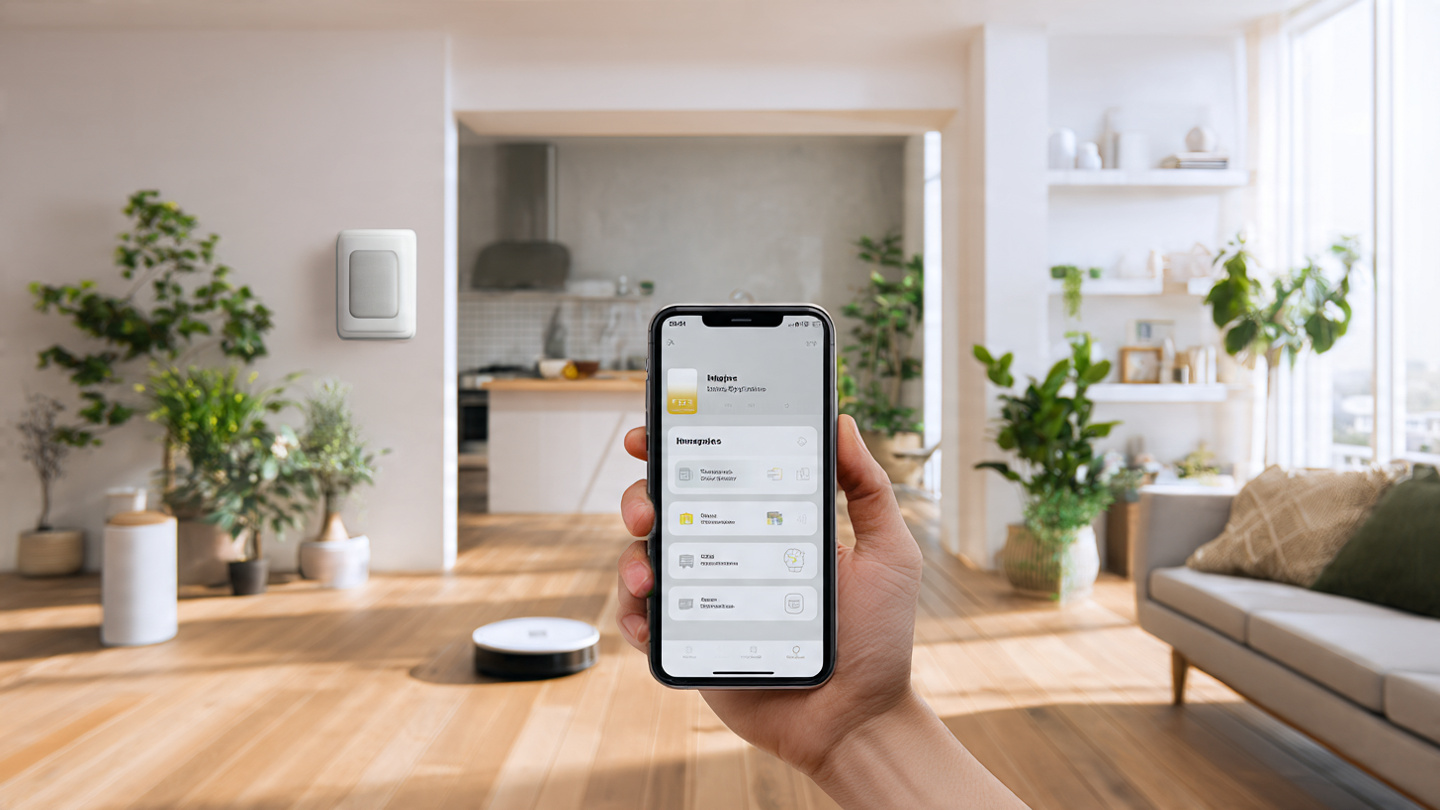
One reason smart home shopping can feel overwhelming is that every household has different priorities. A small apartment, a family home, and a pet owner’s routine all call for slightly different choices. The ideal setup is not universal.
For Renters
Stick with non-invasive devices: smart plugs, bulbs, battery video doorbells where permitted, indoor cameras, and compact speakers. These products are easy to install, easy to remove, and still deliver a meaningful upgrade.
For Families
Focus on security and automation. Doorbells, locks, cameras, and smart lighting routines help parents monitor entry points and simplify busy mornings and evenings. A display in the kitchen can also become a useful household hub for reminders, timers, and quick check-ins.
For Pet Owners
Indoor cameras, automatic routines, and robot vacuums are especially valuable. Being able to peek in during the day, turn on a fan remotely, or schedule cleaning around shedding season is more than a novelty. It becomes part of the household rhythm.
What a Smart Home Really Buys You
The biggest misconception about connected devices is that they are mostly about convenience. Convenience matters, but the deeper value is control. A good budget smart home setup gives you better awareness of what is happening in your home and more confidence that things are running the way you want, whether you are there or not.
That control can look different depending on the day. It might mean seeing a delivery before porch thieves do. It might mean turning off a forgotten lamp after leaving for dinner. It might mean your thermostat automatically easing back while you are at work and making the house comfortable before you return. These moments are small on their own, but together they create a home that feels more responsive and less demanding.
That is why spending under $2,000 can still feel like a major upgrade. You are not simply buying gadgets. You are buying time, reassurance, efficiency, and a little less friction in the parts of daily life that tend to repeat endlessly.
Conclusion: Build Smart, Not Just Cheap
The best Amazon Big Spring Sale strategy is not to chase the longest list of discounts. It is to build a system that works together, fits your lifestyle, and leaves room to grow. With the right mix of security devices, lighting, speakers, plugs, and one or two high-impact upgrades, a budget smart home can feel impressively complete for less than $2,000.
If you are ready to upgrade, start with the areas that affect your life most: the front door, the main living spaces, and the routines you repeat every day. Choose dependable devices, stay inside your budget, and resist the temptation to buy tech for tech’s sake. A smart home should make your home easier to live in, not harder to manage.
Now is a strong time to plan your setup, compare the best Amazon Big Spring Sale deals, and lock in the devices that will give you the biggest return in comfort and peace of mind. If you shop with purpose, your next smart home upgrade can be both affordable and genuinely transformative.


