There is something quietly radical about pressing play on a device that does only one thing well. In 2026, when every screen is fighting for your attention and every app wants another tap, a dedicated MP3 player feels less like a throwback and more like a smart modern choice. What used to seem outdated now solves a very current problem: people want their music back without dragging their entire digital life into every walk, workout, commute, or afternoon of focused work.
I have found that music feels different when it is separated from the endless churn of messages, emails, headlines, and algorithm-driven feeds. A dedicated music player turns listening into an intentional act again. It also preserves phone battery, supports higher-quality audio, and gives you a physical object built around sound instead of distraction. That is why the question is no longer whether MP3 players are obsolete. The real question is which kind of dedicated music player makes the most sense for your lifestyle in 2026.
Why an MP3 Player Is Relevant Again
For years, smartphones absorbed almost every gadget category. Camera, GPS, notebook, flashlight, wallet, and music player all collapsed into one device. That convenience was powerful, but it came with trade-offs. Today, many listeners are rediscovering that convenience is not always the same as quality, focus, or long-term enjoyment.
A modern portable music player solves several practical problems at once. It removes interruptions, extends your phone's battery life, often sounds better with wired headphones, and gives you a reliable offline library. In an era of streaming dependence and notification fatigue, those benefits matter more than ever.
- Distraction-free listening: no incoming messages, social media alerts, or app switching.
- Better battery management: save your phone for calls, navigation, and essential tasks.
- Offline reliability: keep your music even without signal, Wi-Fi, or data.
- Improved audio options: many players support hi-res audio, expandable storage, and wired output.
- More intentional habits: music becomes an experience instead of background noise between notifications.
The Biggest Reason: Phone-Free Listening Feels Better
Most people do not realize how much their phone changes the way they listen to music. You start a great album, then a message arrives. You pick up your device, answer one thing, glance at another app, and suddenly the track is still playing but you are no longer really hearing it. This pattern is incredibly common.
Using an MP3 player in 2026 creates separation. That separation is valuable. On a run, you can carry a smaller device and leave the phone behind. On a flight, you can avoid draining your main battery. At work, you can keep a playlist going without tempting yourself into endless doomscrolling. For students, travelers, commuters, and anyone trying to regain focus, this is not nostalgia. It is a productivity and mental clarity tool.
Personally, I notice the difference most during walking. When I listen on my phone, I often interrupt songs to check something. When I use a dedicated player, I simply walk and listen. Albums unfold properly. Playlists feel curated rather than disposable. The experience is calmer and oddly more premium, even if the device itself is simple.
Who Should Buy an MP3 Player in 2026?
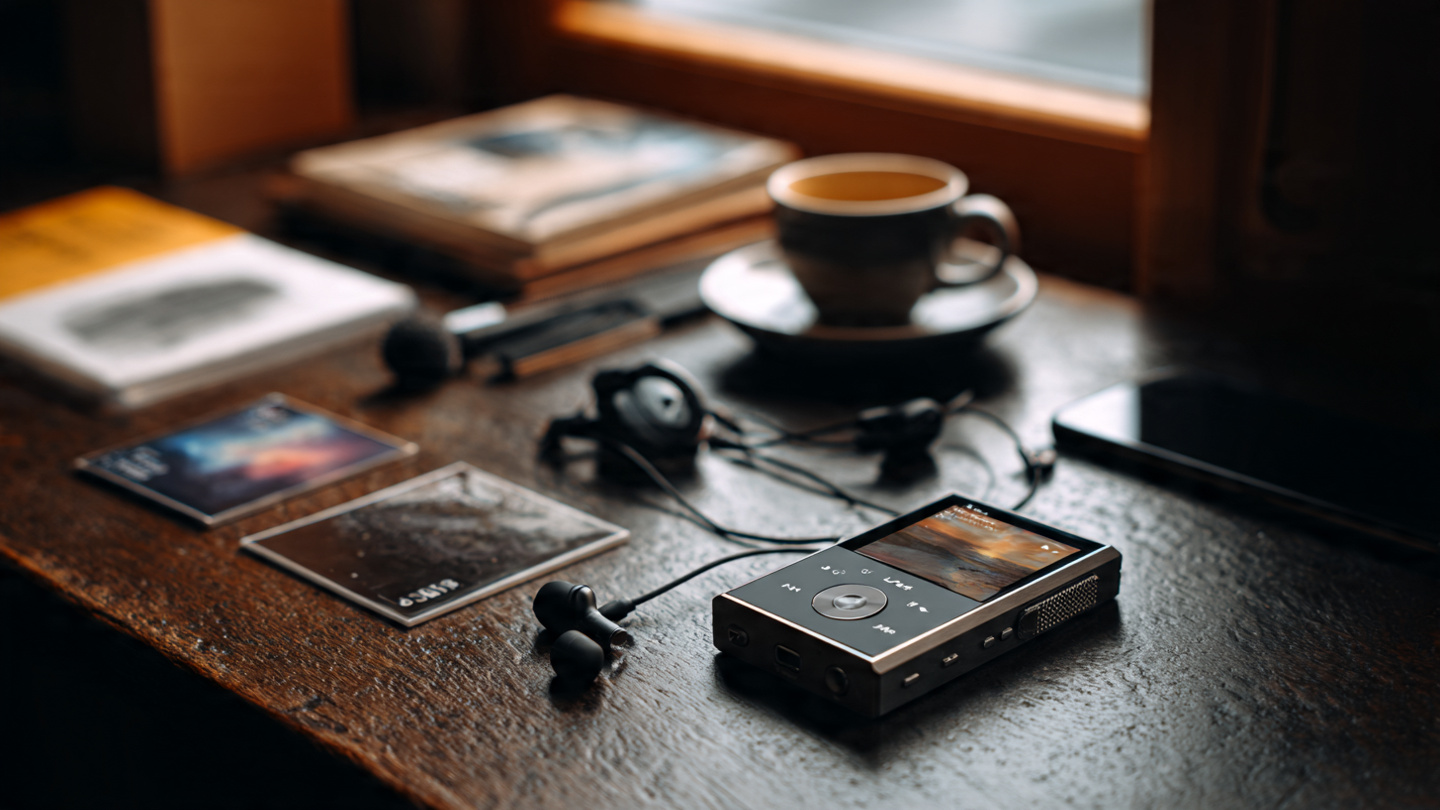
Not everyone needs one, but many people benefit from one more than they expect. The best candidates are not just audiophiles. In fact, some of the strongest use cases come from everyday routines.
Fitness-Focused Listeners
If you run, lift, hike, or cycle, a small digital audio player is lighter and less fragile than carrying a large smartphone. It is also easier to dedicate to workouts, especially if you prefer downloaded playlists and do not want your phone bouncing around in a pocket or armband.
Parents Buying First Music Devices
An MP3 player is a smart option for kids who want music without receiving a full smartphone. It allows entertainment and independence without opening the door to every app, browser, and distraction at once.
Students and Deep Work Professionals
If you are trying to study, write, code, or focus for long stretches, separating music from your phone can make concentration far easier. One device is for communication; the other is for atmosphere and flow.
Travelers and Commuters
Long travel days highlight one of the most practical advantages of a dedicated player: battery life. Preserving your phone charge for tickets, maps, calls, rideshares, and emergencies is simply good planning.
Audiophiles and Collectors
Many modern players support FLAC, high-resolution files, large microSD cards, balanced outputs, and better internal components than the average phone. If sound quality matters to you, this is still one of the clearest reasons to buy.
What to Look for in a Modern MP3 Player
The term MP3 player now covers a wide range of devices. Some are ultra-simple clip-on players for the gym. Others are premium Android-based machines built for serious listening. Choosing the right one depends less on hype and more on how you actually use music day to day.
Battery Life
Battery life is one of the strongest arguments for a dedicated music player. Some compact models can run for dozens of hours on a single charge. If your listening routine includes travel, workdays, or outdoor use, this should be high on your checklist.
Storage and Expandability
Streaming is convenient, but local music libraries are making a comeback. Look for a player with enough internal storage or, even better, a microSD slot. That matters especially if you plan to carry lossless files, large playlists, audiobooks, or podcasts.
Bluetooth and Wired Support
Many users want both. Bluetooth is ideal for wireless earbuds and gym use, while a headphone jack remains important for wired headphones and better reliability. If you use higher-end headphones, wired output can be a major advantage over modern phones.
Format Compatibility
At minimum, a player should handle MP3, AAC, and WAV. If you care about sound quality, support for FLAC, ALAC, DSD, or other hi-res formats may be worth paying for. A true hi-res audio player is not necessary for everyone, but it is a meaningful benefit for the right listener.
User Interface
The best hardware becomes frustrating if the interface is clunky. Some people want tactile buttons for blind operation in a pocket. Others want touchscreens and streaming apps. A good buying decision comes from matching the interface to your habits rather than chasing specs alone.
- For workouts: prioritize weight, clip design, battery life, and simple controls.
- For commuting: prioritize Bluetooth stability, storage, and quick navigation.
- For audiophile use: prioritize DAC quality, format support, wired output, and expandable storage.
- For kids or minimalists: prioritize durability, simplicity, and offline playback.
Best Types of MP3 Players to Buy in 2026
Rather than chasing a single perfect model, it is more useful to think in categories. The best MP3 player for 2026 depends on how and where you listen.
1. Compact Budget Players
These are ideal for people who want a cheap, lightweight device for basic playback. They often handle MP3 and a few common formats, include Bluetooth, and offer good battery life. They are excellent for the gym, commuting, or as a first dedicated player.
Best for: casual listeners, students, budget-conscious buyers, backup devices.
2. Clip-On Fitness Players
These are built for movement. They are small, often sweat-friendly, and easy to operate without looking. If your main goal is phone-free running or training, this category makes more sense than a premium player full of features you will never use.
Best for: runners, cyclists, walkers, gym users.
3. Mid-Range Music Players with Bluetooth and microSD
This is the sweet spot for most buyers. You get practical features such as expandable storage, better interfaces, and support for a broader range of file types without stepping into luxury pricing. For most people, this category offers the best balance between cost and capability.
Best for: everyday listeners who want offline music, flexibility, and better ergonomics than a phone.
4. Audiophile Digital Audio Players
These are premium devices with stronger amplification, better DACs, higher-end materials, and broad file support. Some run Android and support streaming services alongside local playback. They are not necessary for everyone, but they make sense for listeners using quality wired headphones or building serious digital libraries.
Best for: enthusiasts, collectors, high-resolution audio users.
Should You Buy One or Mod Your Own?
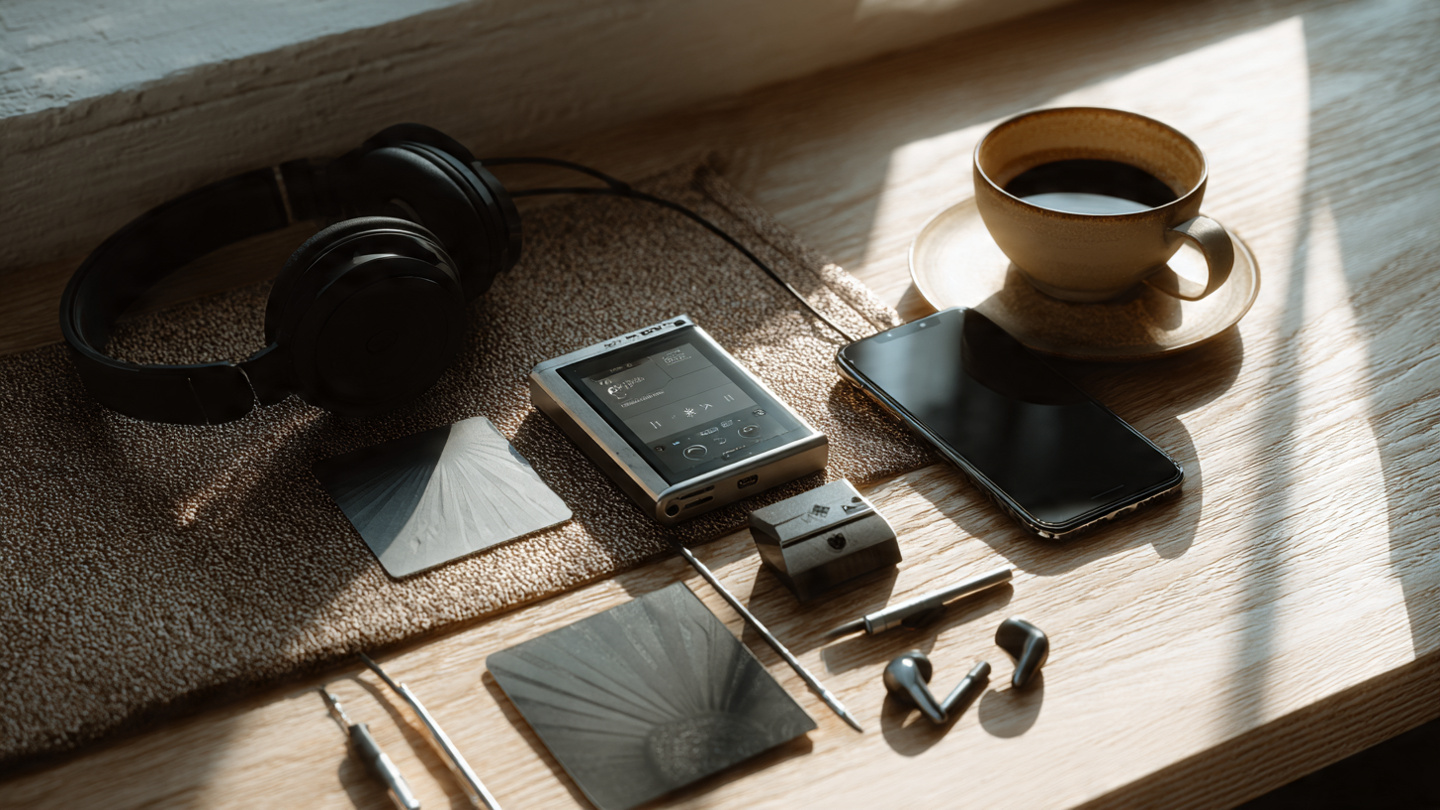
One of the most interesting parts of the modern MP3 player revival is the rise of modding culture. Some music lovers are restoring older devices, replacing batteries, upgrading storage, customizing firmware, or repurposing classic players into highly personal music machines. This approach has real appeal, especially if you love the tactile feel of older hardware.
There are two main paths here: buy a ready-made modern player, or build a more customized setup from a classic device. Neither is automatically better. It depends on your priorities.
Why Buy a New MP3 Player
- Convenience: no tinkering, no parts hunting, no setup headaches.
- Modern features: Bluetooth, USB-C, larger batteries, and support for more file formats.
- Warranty and reliability: easier support if something goes wrong.
Why Mod an Older Player
- Character: classic devices often have better tactile controls and iconic industrial design.
- Customization: swap storage, refresh batteries, and tailor the experience to your taste.
- Sustainability: keeping old hardware alive can be more satisfying and less wasteful.
If you enjoy projects, modding can be deeply rewarding. If you just want dependable phone-free listening next week, buying a modern unit is usually the better choice.
Streaming vs Local Files: The Shift Back to Ownership
Another reason dedicated players matter again is the growing interest in music ownership. Streaming is convenient, but it can also be unstable. Albums disappear. Versions change. Regional licensing affects access. Your favorite tracks exist only as long as platforms keep them there. A dedicated player encourages a more stable relationship with music because it works best when you actually keep your own library.
That does not mean abandoning streaming entirely. Many listeners now use a hybrid model: stream for discovery, then buy or download favorite albums for permanent offline use. This approach combines convenience with control, and it makes a lot of sense in 2026.
If you are serious about maintaining a library, organize your files well, use consistent metadata, and back everything up. A carefully managed local collection paired with a good portable player can be far more satisfying than relying entirely on cloud access.
Common Mistakes to Avoid Before You Buy
Buying the wrong music player usually comes down to buying features you do not need or ignoring the practical details that matter most.
- Do not overpay for audio specs if you only use budget Bluetooth earbuds.
- Do not ignore storage if you plan to carry large offline libraries or lossless files.
- Do not assume touchscreen means better; physical buttons can be far more useful on the move.
- Do not overlook battery life; it is one of the main reasons to own a separate player.
- Do not forget your use case; gym, commuting, travel, and desk listening all demand different strengths.
A good rule is simple: buy for the way you listen on your most ordinary day, not for the fantasy version of yourself with a studio-grade headphone collection and endless time to organize files.
The Real Value of a Dedicated Music Player
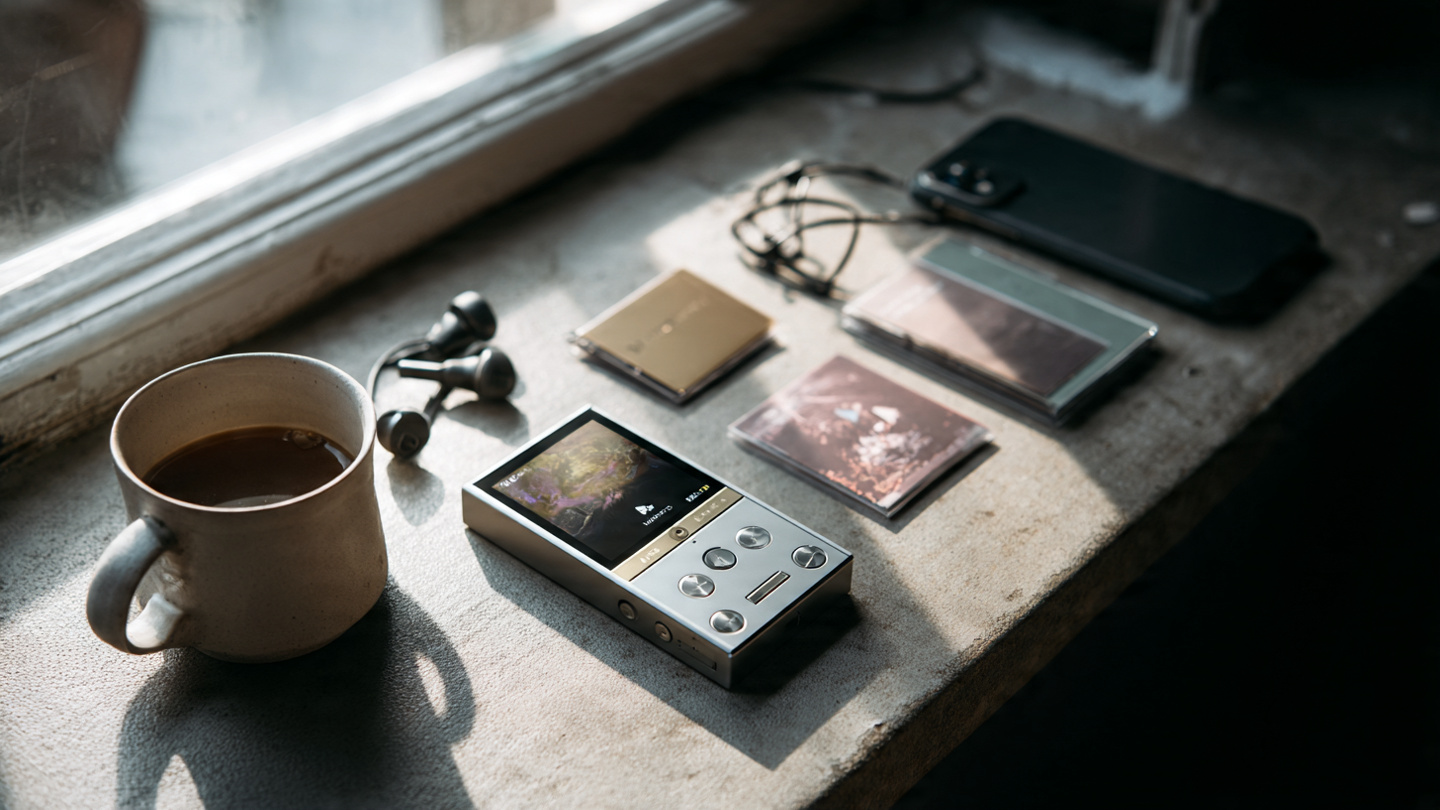
The value of an MP3 player is not just technical. It is emotional and behavioral. It helps restore a healthier boundary between music and everything else. That matters more now than it did ten years ago. In 2026, we do not need fewer ways to hear songs. We need better ways to experience them.
A dedicated music player will not replace your smartphone, and it does not need to. Its purpose is narrower and, because of that, more meaningful. It gives you a device made for listening first. That single purpose is exactly what makes it useful in a world where every other device is trying to do too much.
If you want fewer interruptions, better battery life, stronger offline access, and a more intentional relationship with music, this category is worth revisiting. Whether you choose a simple budget player, a workout-friendly clip model, a flexible mid-range option, or a premium hi-res machine, the right device can quietly improve your daily routine in ways that go far beyond nostalgia.
Conclusion
The case for buying an MP3 player in 2026 is stronger than many people expect. It is not about going backward. It is about choosing a better tool for a specific job. When music is separated from notifications, battery anxiety, and endless multitasking, listening becomes richer, calmer, and more personal. That is a meaningful upgrade in everyday life.
If you have been feeling burned out by all-in-one devices, this may be the perfect time to try a dedicated player again. Start by defining your use case, set a realistic budget, and decide whether you want simplicity, fitness convenience, or high-end sound quality. Then choose the device that supports your habits instead of competing for your attention. Your music deserves that kind of space.
Ready to make listening feel special again? Pick the type of MP3 player that matches your routine, build an offline library you actually love, and turn music back into something you experience fully instead of something that plays behind the noise.


