The arrival of top regional diplomats in Islamabad marks more than another round of official meetings. It is a high-stakes moment for a region already under immense strain, where every diplomatic signal is being watched for clues about whether the Iran war can be contained, de-escalated, or pushed toward a political solution. Pakistan, long positioned at the crossroads of South Asia, the Middle East, and the broader Muslim world, now finds itself hosting a conversation that could influence the next phase of regional diplomacy.
At a time when military escalation can spread faster than political consensus, Islamabad is attempting something both difficult and necessary: creating space for dialogue among powers that hold influence across the region. The expected participation of the foreign ministers of Saudi Arabia, Turkey, and Egypt gives these talks unusual weight. Together, these states carry political legitimacy, strategic reach, and diplomatic channels that can matter in moments of crisis.
From my perspective, the significance of these talks is not just who is attending, but why they are coming now. In conflicts like this, timing is everything. Once rhetoric hardens and alliances lock in, diplomacy becomes far more expensive and much less effective. That is why Pakistan’s effort deserves close attention. It may not deliver an immediate breakthrough, but it could shape the framework for what comes next.
Why Islamabad Matters in This Diplomatic Moment
Pakistan occupies a uniquely sensitive position in regional politics. It maintains ties with Gulf states, has long-standing relationships with Turkey, and has an interest in stable relations with Iran. Unlike powers seen as directly aligned with one side of a conflict, Pakistan can present itself as a state with enough credibility to host meaningful dialogue without appearing overly partisan.
This balancing role is difficult, but it is also precisely why Islamabad matters. Pakistan understands that prolonged instability in the Middle East does not stay confined there. The economic, political, and security effects travel quickly through energy markets, labor flows, trade routes, remittances, migration pressures, and domestic public opinion across Muslim-majority countries.
In practical terms, the stakes for Pakistan are immediate:
- Energy security can be disrupted by any wider regional war.
- Trade and transport corridors become more vulnerable during instability.
- Domestic political pressure rises when regional conflicts inflame public sentiment.
- Border security concerns intensify if tensions spill across neighboring areas.
- Diplomatic credibility is on the line as Pakistan seeks a role in conflict mediation.
For Islamabad, these talks are therefore not symbolic hospitality. They are part of a broader strategic effort to prevent a wider regional fracture.
The Diplomatic Weight of Saudi Arabia, Turkey, and Egypt
Saudi Arabia: Influence, leverage, and regional gravity
Saudi Arabia’s presence is especially important because of its central role in Middle Eastern politics. Riyadh’s diplomatic weight extends through the Gulf, Arab institutions, and global energy markets. Any meaningful effort to reduce tensions around the Iran war talks will almost certainly require Saudi engagement, whether directly or indirectly.
Saudi policymakers are likely weighing multiple concerns at once. On one hand, they want to avoid a broader regional confrontation that could destabilize energy markets and derail economic modernization goals. On the other, they remain deeply attentive to the strategic balance with Iran and the wider question of influence across the region. That makes Saudi diplomacy both cautious and consequential.
Turkey: A power that often bridges hard and soft diplomacy
Turkey brings a different kind of influence. Ankara has repeatedly demonstrated an ability to stay active in crises where other states hesitate, using a combination of political outreach, security relationships, and public diplomacy. Turkey’s foreign policy can be assertive, but it is also flexible. That combination gives it room to communicate with multiple sides, even amid sharp disagreements.
In this context, Turkey’s role may be to help keep channels open where trust is limited. Countries in conflict rarely move from confrontation to compromise in one step. More often, progress begins with backchannel assurances, confidence-building gestures, and narrowly defined agreements. Turkey has often shown comfort operating in exactly that kind of environment.
Egypt: Institutional legitimacy and Arab diplomatic standing
Egypt adds another layer of regional legitimacy. Cairo remains one of the Arab world’s most influential political centers, especially in questions involving regional order, collective diplomacy, and conflict management. Egypt’s participation signals that these talks are not simply bilateral consultations dressed up as multilateral engagement. Instead, they carry the potential to become part of a wider diplomatic track.
Egypt also understands the long-term costs of sustained regional conflict: weakened state institutions, humanitarian deterioration, and economic uncertainty that can outlast the war itself. Its presence in Islamabad reinforces the idea that de-escalation is not only desirable but urgent.
What Pakistan Hopes to Achieve
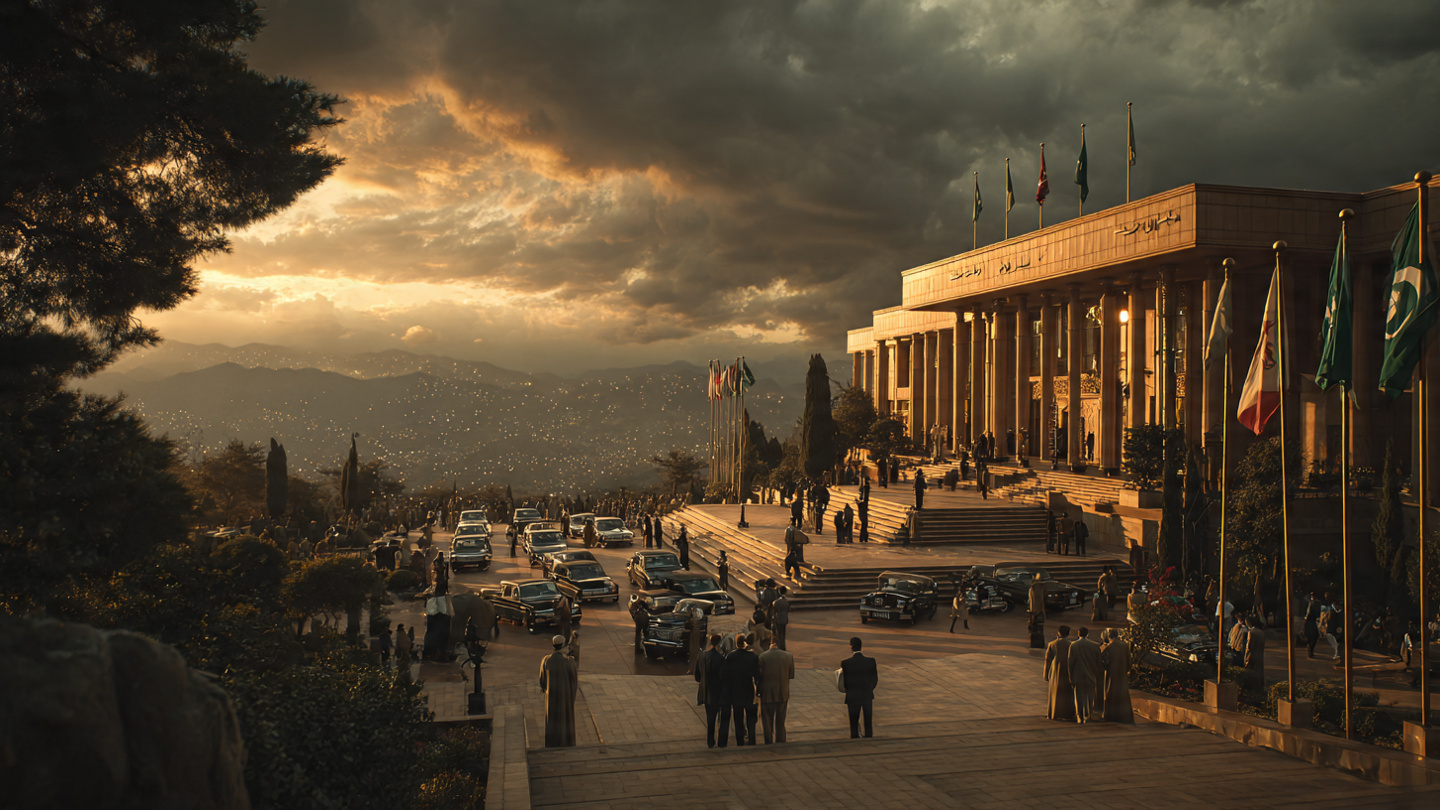
Pakistan is unlikely to expect a dramatic, headline-ready settlement from a single round of meetings. Serious diplomacy rarely works that way. More realistically, Islamabad is aiming for several near-term outcomes that could help lower the temperature.
- Build consensus around the need to prioritize dialogue over military escalation.
- Coordinate messaging among regional capitals to discourage further confrontation.
- Encourage restraint from parties that might otherwise widen the conflict.
- Create a platform for sustained consultation beyond this weekend’s discussions.
- Position Pakistan as a credible diplomatic facilitator in future negotiations.
That may sound modest, but in war diplomacy, modest gains are often the foundation of larger breakthroughs. A joint understanding on language, timing, or red lines can prevent miscalculation. A private assurance can matter more than a public speech. Even agreement on humanitarian access or communication channels can begin to shift momentum.
Why the Iran War Has Alarmed the Region
The concern surrounding the Iran war is not limited to the battlefield itself. Regional actors are worried about contagion. Modern conflicts do not remain neatly bounded. They spread through proxies, maritime routes, cyber pressure, oil markets, armed groups, sectarian narratives, and domestic political reactions.
If this war deepens or expands, the consequences could be severe across multiple fronts:
- Oil and gas markets could become more volatile, raising global prices.
- Shipping lanes may face disruption, affecting international trade.
- Proxy confrontations could intensify in neighboring states.
- Refugee and humanitarian burdens may rise sharply.
- Diplomatic polarization could divide regional organizations and alliances.
One practical example illustrates the danger clearly. When military tensions rise in or around the Gulf, insurance costs for shipping can increase almost immediately. That may seem technical, but it affects food imports, fuel prices, manufacturing costs, and household expenses far beyond the conflict zone. This is why regional diplomacy matters even to people far from the negotiating table.
The Real Challenge: Turning Meetings Into Momentum
High-level visits can generate headlines, but diplomacy is judged by what happens after the cameras leave. The core challenge for Pakistan and its guests is converting symbolic engagement into durable momentum. That requires political discipline, strategic patience, and a willingness to focus on areas of overlap rather than impossible early demands.
Shared interests still exist
Despite their differences, the countries involved share important concerns. None of them benefits from a full-scale regional war. None wants permanent disruption to trade, energy flows, and domestic economic planning. None can comfortably ignore the political fallout that major conflict produces across the Muslim world.
Those shared interests do not erase rivalries, but they do create a diplomatic opening. In many international crises, progress begins not with trust, but with mutual fear of the alternative.
Public positions versus private diplomacy
Another challenge is the gap between public rhetoric and private negotiation. Governments often issue firm public statements to satisfy domestic audiences or preserve deterrence. Behind closed doors, however, they may be far more flexible. Islamabad’s role may be especially valuable here: it can provide a setting where public posturing does not entirely block practical discussion.
This is a crucial point that readers often overlook. The absence of a dramatic public announcement does not mean talks have failed. In diplomacy, success can look quiet at first. It may appear as a delayed escalation, a softened statement, a reopened communication line, or a meeting that leads to another meeting. These are not glamorous outcomes, but they are often the real architecture of peace efforts.
Pakistan’s Diplomatic Balancing Act
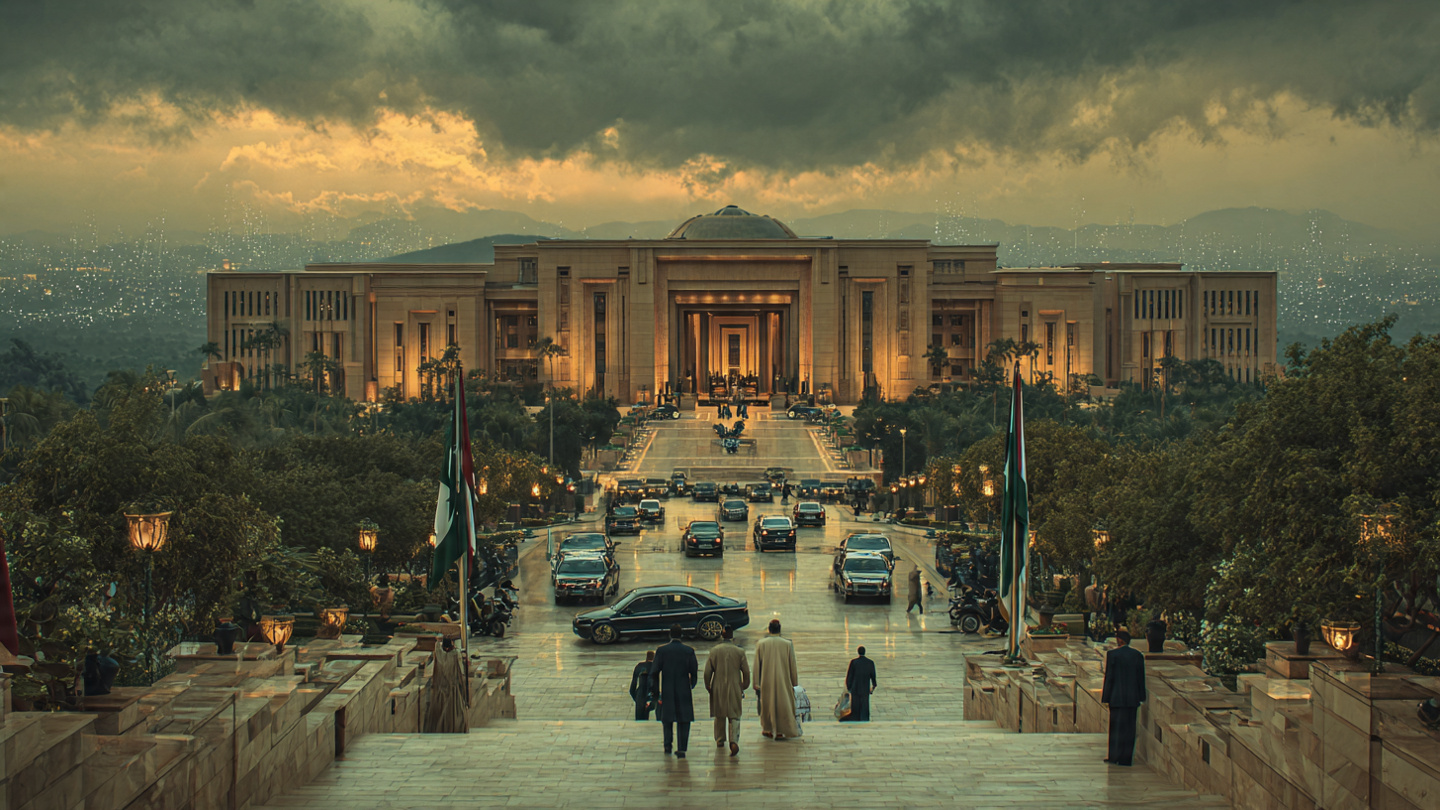
Hosting such talks also requires Pakistan to navigate its own balancing act carefully. The country has deep and valuable ties with Saudi Arabia, strong relations with Turkey, and a geographic and strategic interest in stable dealings with Iran. That triangle creates both opportunity and pressure.
Pakistan must show enough independence to be trusted as a facilitator while preserving its bilateral partnerships. It must support diplomacy without appearing naive about security risks. And it must engage regional powers while ensuring its own national interests remain protected.
This is not easy diplomacy. It is diplomacy under pressure, where every phrase is scrutinized and every gesture interpreted. But it is also the kind of diplomacy that can elevate a country’s international standing if handled well.
What Success Could Look Like
Success in Islamabad should not be measured only by whether a dramatic agreement is announced. A more realistic framework would include several indicators:
- A unified call for restraint from participating states.
- An agreement to continue consultations at the ministerial or technical level.
- Support for humanitarian measures where needed.
- Backchannel communication among states with conflicting interests.
- A diplomatic roadmap for broader regional engagement.
Even incremental progress would matter. If these meetings help prevent an additional front from opening, reduce inflammatory rhetoric, or establish a contact mechanism among key states, they will have served an important purpose.
Why Global Audiences Should Pay Attention
It is tempting to view these talks as a regional matter, but that would be a mistake. The Middle East remains tightly connected to the global economy and international security architecture. Escalation affects commodity prices, investment confidence, migration flows, and geopolitical alignment well beyond the region.
For businesses, investors, policymakers, and ordinary households, diplomatic developments in Islamabad may carry wider significance than they first appear to. If the meetings support de-escalation, markets may read that as a sign of reduced immediate risk. If they fail and tensions intensify, the economic and political aftershocks could spread quickly.
That is why regional diplomacy is not abstract. It touches inflation, trade reliability, energy affordability, and political stability in very concrete ways.
Conclusion: A Critical Test for Diplomacy
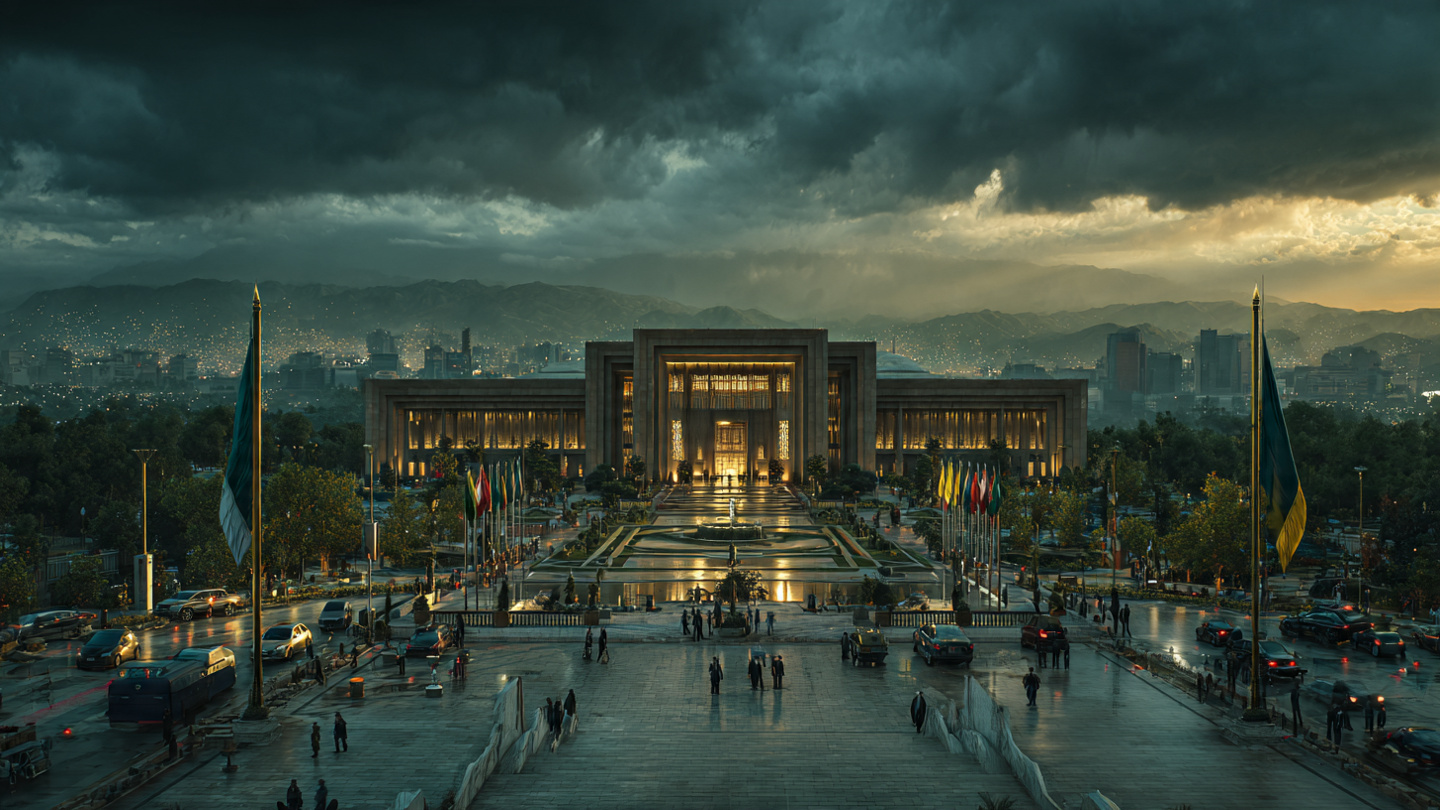
Pakistan’s decision to host senior diplomats from Saudi Arabia, Turkey, and Egypt comes at a moment when the region urgently needs strategic calm rather than emotional escalation. The talks in Islamabad may not produce instant peace, but they represent something the region cannot afford to lose: the belief that dialogue still matters.
Pakistan Iran war talks now stand as an important test of whether regional powers can act before a crisis becomes unmanageable. Islamabad is offering a diplomatic table at a time when too many actors are tempted by the language of pressure and retaliation. That alone makes these meetings significant.
The coming days will show whether this effort can translate concern into coordination and coordination into real influence. For now, the message is clear: diplomacy has not disappeared, and in moments like this, even a narrow opening is worth protecting.
If you follow international affairs, this is the moment to watch closely. The decisions made in Islamabad could shape not only the trajectory of the Iran war, but the broader future of regional stability. Stay informed, follow the diplomatic signals, and pay attention to the quieter developments behind the headlines, because that is often where the real story begins.


