Fear can spread faster than facts in a city under pressure. In Jos, a place long marked by tension, diversity, and recurring unrest, one brutal attack on a bar set off a chain reaction that authorities struggled to contain. By the time a 48-hour curfew was imposed, the damage had already deepened: lives were lost, neighborhoods were on edge, and families were left wondering how quickly ordinary evenings can turn into scenes of grief.
The latest violence in Jos is not just another headline about unrest in Nigeria. It reflects a broader security crisis in which isolated attacks can quickly ignite revenge killings, fear-driven rumors, and wider instability. In volatile areas such as Plateau State, even a single incident can reopen old wounds tied to ethnic, religious, political, and communal distrust.
What makes this moment especially troubling is that the curfew itself tells a larger story. Governments do not shut down movement for 48 hours unless the threat of escalation is serious. The decision signals both urgency and vulnerability: urgency because officials needed to stop the violence from spreading, and vulnerability because the state was responding to a situation already spiraling beyond normal policing measures.
In my view, this is where the real issue lies. A curfew may calm the streets for a night or two, but it does not remove the anger, trauma, or structural tensions underneath. To understand why the Jos curfew matters, it helps to look beyond the immediate death toll and ask what this violence reveals about security, governance, and community trust in central Nigeria.
What Happened in Jos?
The immediate trigger was an attack on a bar in Jos, a city in Plateau State that has repeatedly experienced communal violence over the years. The raid reportedly led to revenge attacks, and the death toll rose to at least 22 people. Authorities responded by imposing a 48-hour curfew in an effort to restore order and prevent further bloodshed.
At a basic level, the sequence appears brutally familiar: an attack occurs, communities react in fear and anger, retaliation follows, and security forces move in with emergency restrictions. Yet the deeper problem is not simply the violence itself, but the speed at which the situation escalated. That rapid shift from attack to reprisal shows just how fragile the local security environment remains.
- Location: Jos, Plateau State, Nigeria
- Trigger: Attack on a bar in the city
- Aftermath: Revenge attacks spread across affected areas
- Reported deaths: At least 22 people killed
- Government response: A 48-hour curfew to contain violence
For residents, a curfew is more than a policy decision. It changes daily life instantly. Shops close, transport stalls, schools and workplaces are disrupted, and emergency movement becomes difficult. A parent trying to buy food, a worker trying to get home, or a patient needing treatment all become part of a larger crisis. That is why curfews can feel both necessary and deeply costly at the same time.
Why Jos Remains Vulnerable to Violence
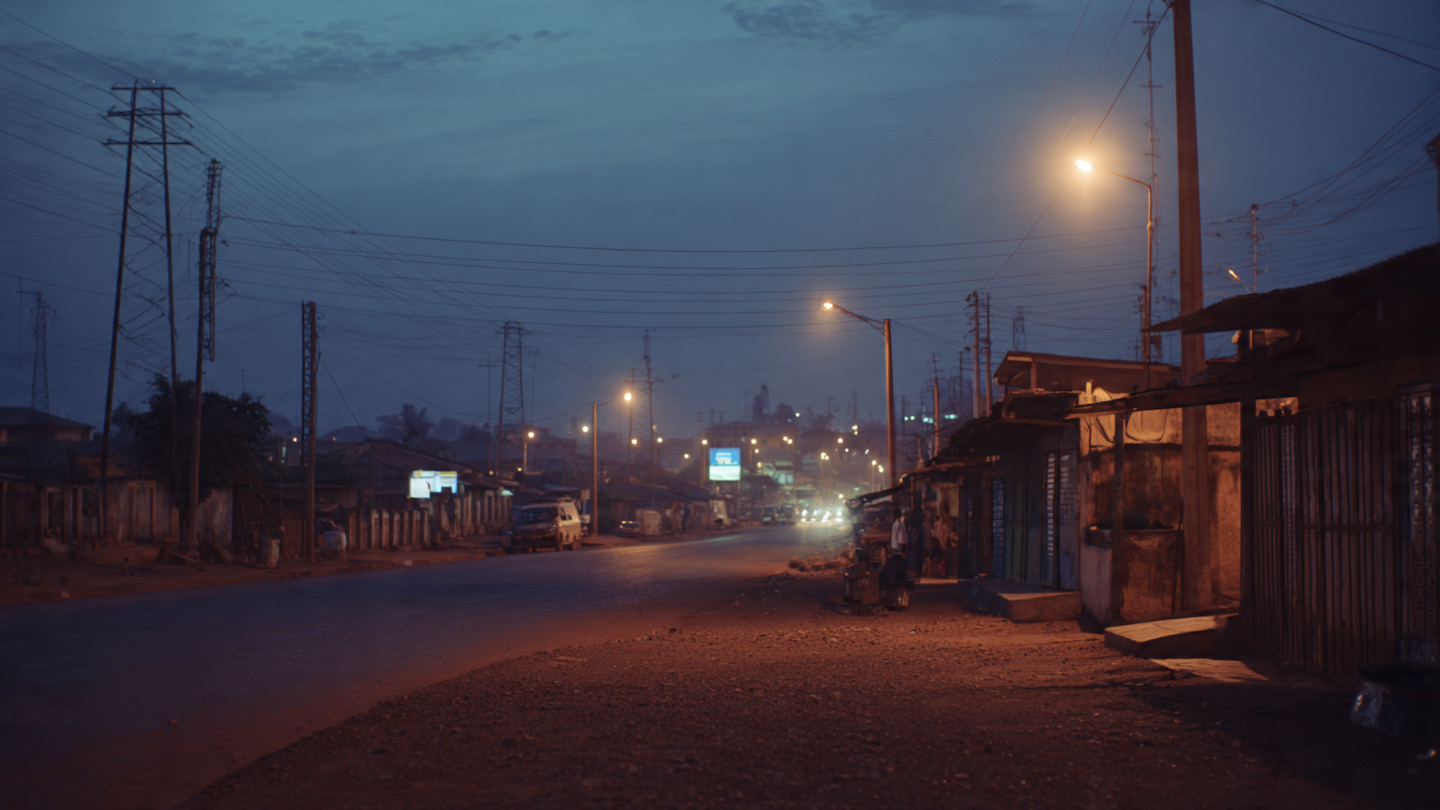
Jos occupies a sensitive place in Nigeria’s conflict landscape. Plateau State sits in the country’s Middle Belt, an area often described as a meeting point between different ethnic groups, faith communities, and economic interests. That complexity can be a strength in peaceful times, but under stress it can become combustible.
Over the years, Jos has seen repeated episodes of unrest rooted in overlapping disputes. These are rarely caused by one factor alone. Instead, they grow out of a mix of historical grievances, identity politics, competition over land and resources, and the persistent perception that one group is under threat from another.
When violence erupts in such a setting, it is rarely interpreted as a standalone crime. People often read it through the lens of previous attacks, rumors, and collective memory. That is one reason Nigeria violence in places like Jos can escalate so rapidly. A local incident is not always treated as local. It is folded into a larger story of who belongs, who is protected, and who may strike next.
The Role of Retaliation
Retaliation is often the force that transforms a contained attack into a broader security emergency. In tense environments, communities may believe that if they do not respond quickly, they will appear weak or become more vulnerable. This logic is destructive, but it remains powerful.
That appears to be part of what happened after the bar attack. Revenge attacks widened the crisis, pushing the death toll higher and forcing authorities to intervene with a citywide restriction on movement. Once retaliatory violence begins, it becomes much harder for officials to separate fact from rumor and much harder for civilians to know where safety lies.
Trust Deficits and Security Gaps
Another recurring problem is the lack of trust between citizens and security institutions. In many conflict-prone areas, residents may feel that police and other agencies arrive too late, enforce rules unevenly, or fail to prevent repeat violence. Whether those perceptions are fully accurate or not, they shape behavior in dangerous ways.
If people do not believe the state can protect them, they may turn to self-defense groups, vigilante responses, or retaliatory action. That makes every new incident more explosive. The Jos curfew should therefore be seen not only as a security tool, but also as a sign of the deeper challenge of maintaining public confidence.
What a 48-Hour Curfew Actually Means
From a security standpoint, imposing a curfew is a blunt but familiar strategy. It reduces movement, limits crowds, and gives law enforcement a chance to regain control. In theory, it can interrupt the cycle of mobilization that fuels further attacks. If potential attackers cannot move easily, gather openly, or target vulnerable areas at night, the immediate risk may fall.
But curfews are not magic solutions. They come with trade-offs, especially in urban areas where many people depend on daily income and public mobility. In a city like Jos, two days of restricted movement can hurt informal workers, small traders, transport operators, and families living paycheck to paycheck.
- Security benefit: Slows revenge attacks and reduces crowd movement
- Operational value: Gives authorities time to deploy forces and assess threats
- Economic cost: Interrupts local trade and informal livelihoods
- Social strain: Increases fear, isolation, and uncertainty for residents
- Long-term limit: Cannot resolve root causes of communal conflict
In practical terms, think of a curfew as a tourniquet rather than a cure. It can stop immediate bleeding, but it does not heal the wound underneath. Once the restriction is lifted, the city still has to deal with trauma, suspicion, and the possibility of renewed violence if underlying grievances remain unaddressed.
This is why the success of the Jos curfew should not be judged only by whether the streets became quieter for 48 hours. The better question is what comes next: arrests, dialogue, intelligence-led policing, victim support, and credible reassurance that the cycle will not simply restart.
The Human Cost Behind the Numbers
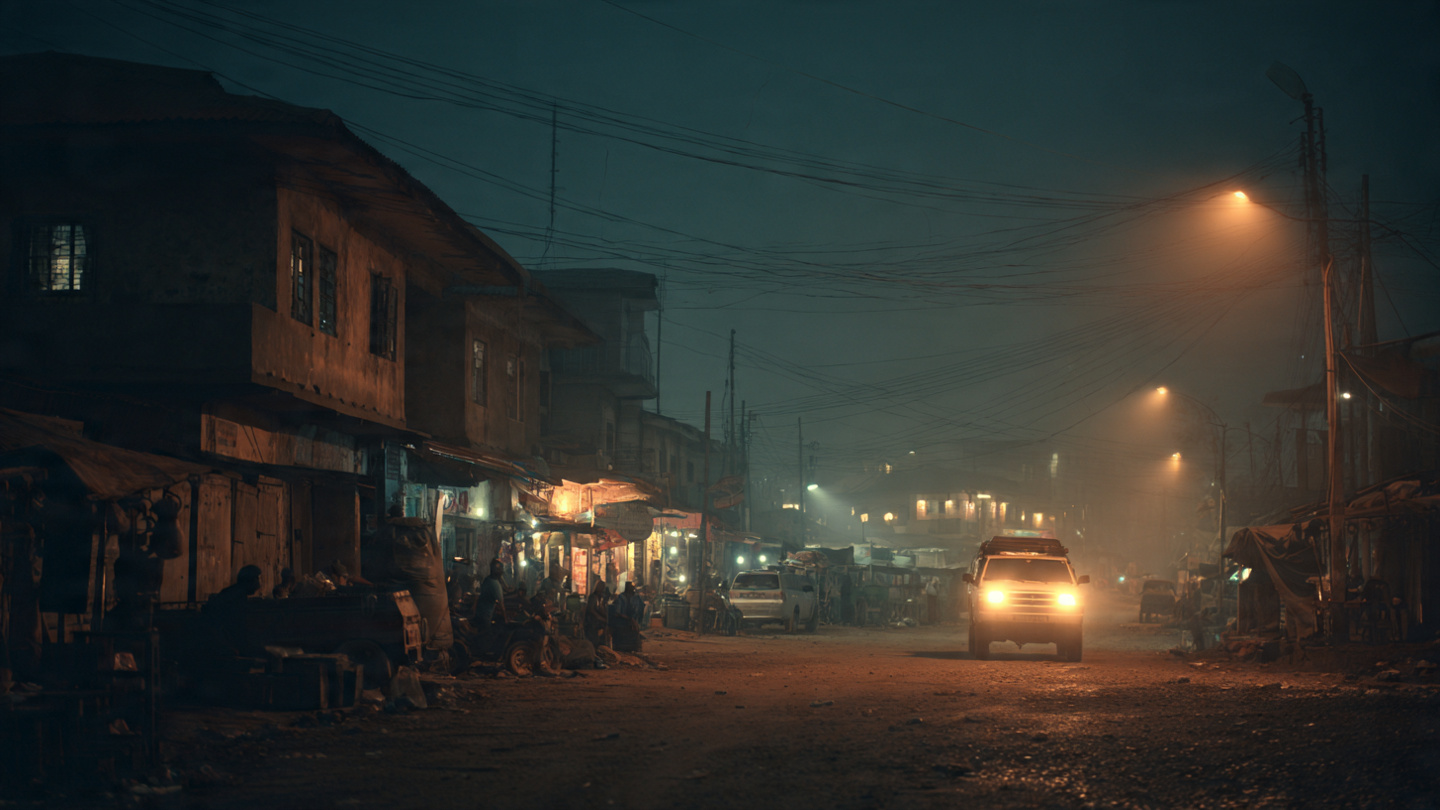
Reports of 22 deaths can easily become just another statistic in the global news cycle. But each number represents a person with a family, a neighborhood, and a place in the community. Some victims may have been direct targets, while others were likely caught in the wider chaos of revenge and panic.
One of the hardest truths about communal violence is that it reshapes daily life long after the headlines fade. Children absorb fear. Business owners lose customers. Residents begin avoiding certain streets, districts, or social spaces. Trust does not disappear all at once; it erodes through repeated shocks.
Anyone who has followed conflict-prone cities around the world knows this pattern. A restaurant, market, worship center, or social venue gets attacked, and people do not just mourn the dead. They start changing how they live. They limit movement, reduce contact with neighbors from other communities, and retreat into smaller circles of safety. That social withdrawal can quietly deepen division over time.
In Jos, the attack on a bar is significant in another way. Bars are social spaces. They are places where people gather, relax, and step briefly away from routine pressures. An attack in such a setting sends a powerful message of insecurity: even informal spaces of normal life can become vulnerable. That is psychologically damaging for a city already carrying layers of historical tension.
Plateau State and the Bigger Nigeria Security Crisis
To understand why international observers should pay attention, it helps to place Jos within the wider Nigeria security crisis. The country faces multiple forms of violence across different regions, including insurgency, banditry, kidnappings, farmer-herder conflict, and communal clashes. While these threats vary in motive and geography, they share one dangerous effect: they strain state capacity and leave civilians feeling exposed.
Plateau State has often occupied a troubling middle ground in this national picture. It is neither defined by a single conflict type nor insulated from wider instability. Instead, it experiences recurring flare-ups that are shaped by local grievances but amplified by broader national fragility.
That matters because repeated violence has cumulative effects. Every new incident reinforces a sense that peace is temporary and that calm can collapse without warning. Investors become cautious. Tourism suffers. Young people grow up in a climate where insecurity feels normal. Political leaders then face pressure to deliver fast responses, even when long-term solutions require patience and institutional reform.
Why This Matters Beyond Jos
Events in Jos carry lessons for other cities facing communal tension. When local grievances are left unresolved, security responses become reactive rather than preventive. Authorities spend more time imposing restrictions after violence than building trust before it erupts. That is a costly cycle for any society.
There is also a communications challenge. In moments of unrest, misinformation can spread through word of mouth, messaging apps, and social media at an alarming pace. Rumors about who attacked first, who is moving where, or who is being targeted can push frightened residents into dangerous decisions. Effective crisis communication is therefore as important as troop deployment.
If there is one practical lesson here, it is this: communities under stress need reliable information almost as much as they need visible security. Silence leaves space for panic. Mixed messaging leaves space for manipulation. Credible, timely updates can save lives.
What Authorities Need to Do Next

The curfew may create a short breathing space, but the deeper response must go further. The path toward stability in Jos cannot rely on emergency restrictions alone. It requires coordinated action that addresses both immediate security needs and the longer-term causes of repeated violence.
- Conduct transparent investigations into the bar attack and subsequent revenge killings
- Identify and prosecute perpetrators so communities see accountability, not impunity
- Strengthen local intelligence to detect retaliatory mobilization before it turns deadly
- Support victims and displaced families through medical, financial, and psychological assistance
- Rebuild community dialogue between affected groups to reduce the risk of renewed violence
These steps are not abstract policy talking points. They are practical foundations for restoring trust. When people see arrests, credible investigations, and clear public communication, they are less likely to assume that justice must be pursued privately or violently.
In my opinion, one of the most overlooked parts of post-crisis recovery is dignity. Victims need more than sympathy. They need to feel that the state recognizes their loss, values their safety, and will not simply move on once media attention fades. Without that sense of dignity, anger can harden into future instability.
Can Jos Break the Cycle?
That is the central question. Can Jos move beyond the pattern in which one attack triggers retaliation, emergency restrictions, and then a return to fragile calm? The answer depends on whether leaders treat this moment as an isolated disturbance or as another warning in a longer chain of unresolved tension.
Breaking the cycle requires patience and honesty. It means acknowledging that security is not only about armed presence. It is also about fair institutions, trusted communication, and shared civic belonging. Cities do not become stable merely because violence is temporarily suppressed. They become stable when residents believe they have equal protection and equal stake in the future.
There is no easy formula for that. But there is a clear starting point: stop normalizing these eruptions as inevitable. They are recurring, but they are not unavoidable. Every prevented reprisal, every credible investigation, and every successful local peace effort matters.
Jos has the social and cultural depth to be more than a symbol of recurring unrest. It can also be a test case for how fragile communities recover when authorities move beyond crisis management and toward durable peacebuilding. That will require leadership, local cooperation, and sustained public attention.
Conclusion
The 48-hour curfew imposed after the bar attack in Jos is a stark reminder of how quickly violence can spread in already fragile environments. With at least 22 people reported dead, the crisis is not only about one incident or one security order. It is about the deeper vulnerabilities that allow fear, retaliation, and mistrust to turn a city into a flashpoint.
Jos curfew, Nigeria violence, and the broader instability in Plateau State are part of a story that demands more than temporary restrictions. It demands accountability, prevention, community trust, and long-term political will. The immediate priority is calm. The lasting priority must be peace that is credible, inclusive, and enforceable.
If there is any meaningful takeaway from this tragedy, it is that silence and short-term fixes are not enough. Citizens need protection. Victims need justice. Communities need leadership that responds before revenge becomes routine. The world should keep watching Jos, not out of distant curiosity, but because what happens there says something urgent about the cost of unresolved conflict and the value of acting before another crisis erupts.
Call to action: Follow developments closely, support credible reporting on conflict-affected communities, and push for policies that prioritize prevention, accountability, and civilian protection in Nigeria’s most vulnerable regions.


