When fuel prices spike, the effects move faster than many governments can respond. Within days, household budgets tighten, small businesses start recalculating delivery costs, and commuters feel the hit every time they pull into a petrol station. In Australia, that pressure became impossible to ignore as Victoria and Tasmania waived transit fares, offering temporary free public transport to ease the burden on residents facing a sudden surge in transport costs.
At first glance, free fares may sound like a simple political gesture. In reality, the decision reveals something much bigger: how deeply global energy shocks can reach into local economies, and how quickly public transport becomes part of a wider cost-of-living strategy. The move also raises a crucial question for policymakers, businesses, and everyday commuters alike: when fuel prices soar, should public transport be treated as a market service, or as essential economic infrastructure?
From my perspective, this is where the story becomes especially compelling. Transport policy can often feel abstract until it lands in your daily routine. But anyone who has had to choose between driving to work, paying school-run costs, or cutting back on groceries knows the impact is intensely personal. That is why the fare waivers in Victoria and Tasmania matter beyond state borders. They offer a real-time case study in how governments respond under pressure, and whether short-term relief can translate into long-term resilience.
Why Victoria and Tasmania Waived Transit Fares
The immediate trigger was clear: rising fuel prices were pushing up the cost of everyday life. For workers commuting long distances, families juggling multiple trips, and regional residents with limited alternatives, petrol price increases can quickly erode disposable income. By removing public transport fares temporarily, both states aimed to make one major expense more manageable.
That response is politically intuitive and economically visible. Unlike tax changes or delayed subsidies, free public transport delivers an instant message to the public: help is available now. It also encourages people to shift away from private vehicles at exactly the moment when driving becomes more expensive.
In practical terms, these fare waivers sought to do several things at once:
- Reduce commuter costs during a period of acute fuel price pressure.
- Encourage public transport use instead of private car travel.
- Signal government responsiveness in the face of global economic disruption.
- Ease inflationary pressure on households already stretched by broader living expenses.
- Demonstrate social support for workers, students, and vulnerable residents.
For governments, this kind of measure also has a strategic communication advantage. People understand free fares immediately. There is no complex eligibility test, no confusing rebate form, and no delay in feeling the benefit. That simplicity matters when public frustration is growing.
The Oil Shock Behind the Decision
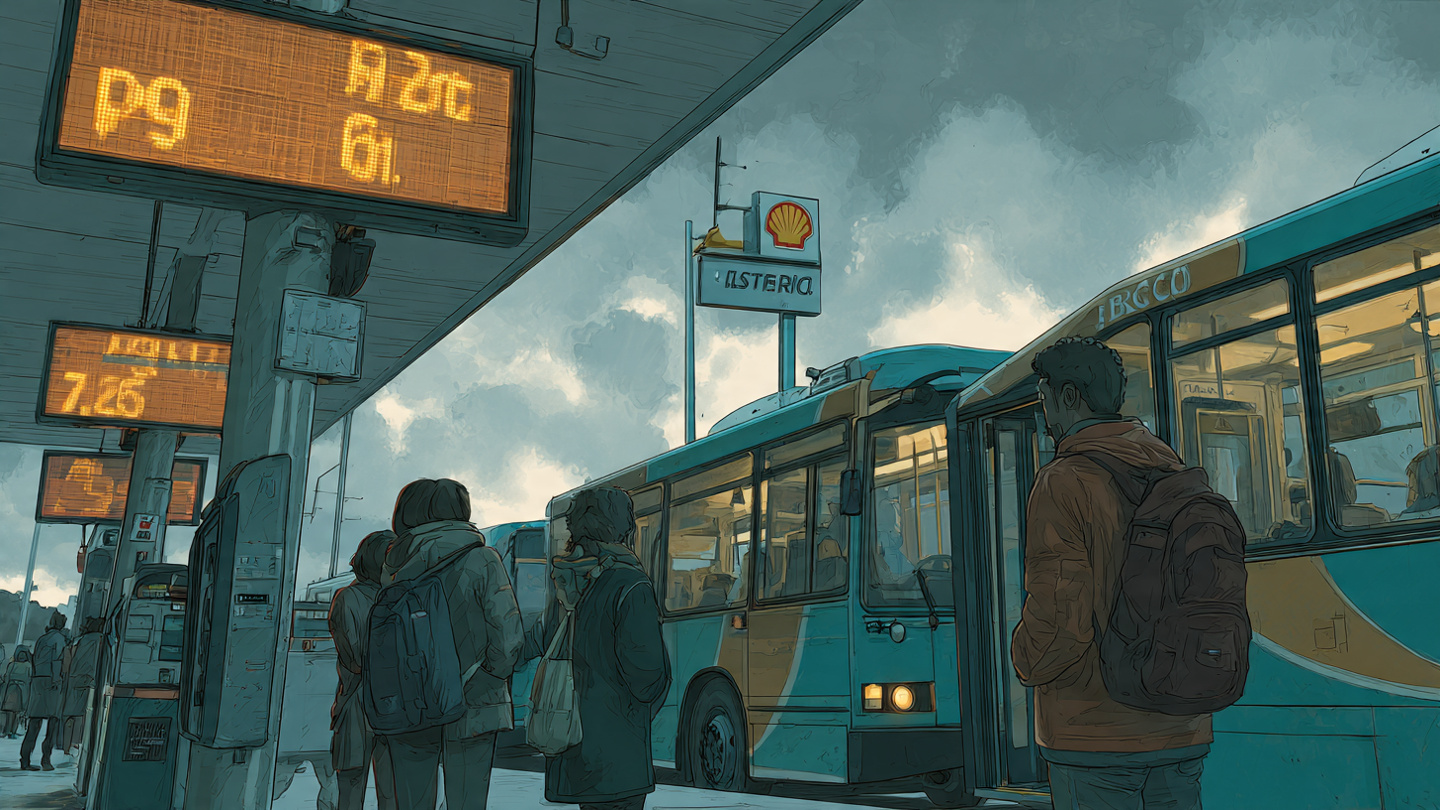
The policy change did not emerge in isolation. It reflects the broader reality of an oil shock rippling through international markets. When geopolitical conflict disrupts expectations around supply, energy markets react quickly. That volatility then moves downstream into transport, logistics, retail pricing, and consumer sentiment.
Australia, despite its own energy resources, is not insulated from these swings. Global crude prices influence domestic fuel costs, and households experience the consequences almost immediately. This is especially true in car-dependent regions, where public transport alternatives may be limited, less frequent, or not well integrated.
The significance of the decision in Victoria and Tasmania lies in how it shows the reach of global events into local policy. What begins as an international crisis can end up shaping the cost of getting to work in Melbourne or catching a bus in Hobart. That chain of impact is worth noting because it reminds us that transport affordability is not just a local planning issue. It is tied to energy security, inflation management, and economic confidence.
How Energy Volatility Hits Everyday Life
Fuel price shocks tend to create a layered effect. The first cost is obvious: more money spent at the pump. The second cost is indirect but often just as painful. Delivery expenses rise, business margins tighten, and prices for food, services, and goods may start creeping upward.
For ordinary residents, the pressure can look like this:
- A worker commuting five days a week suddenly pays significantly more each month just to get to the office.
- A parent driving children to school, sport, and appointments sees transport become one of the fastest-growing household expenses.
- A small business owner absorbs higher distribution costs or passes them on to customers.
- A casual worker with variable income has fewer options to smooth those extra costs.
That is why public transport relief becomes so important during a fuel crisis. Even temporary fare-free travel can create breathing room, particularly for people already close to the edge of affordability.
Why Free Public Transport Resonates So Strongly
There is a practical reason fare waivers attract attention: they directly touch daily behavior. Most economic measures operate in the background. Free buses, trains, or trams are visible, immediate, and easy to use. In a period of uncertainty, that matters.
Beyond the financial relief, free public transport carries symbolic weight. It suggests that mobility should not become a luxury during a crisis. It also reinforces the idea that public transport is a public good, especially when private vehicle use becomes more expensive through no fault of individual commuters.
I think this explains why such measures often receive a warmer public response than broader fiscal interventions. People do not just hear about them in headlines; they feel them on the platform, at the station gate, and in their weekly budgets.
The Human Side of Fare Relief
Consider a practical example. A hospitality worker living in outer Melbourne may already be dealing with rising rent, food bills, and unstable shifts. If petrol jumps sharply, driving becomes harder to justify. If transit fares are waived, the public transport option becomes more attractive and more accessible at the same time. For that worker, the savings may not be life-changing in isolation, but they can be enough to cover groceries, utilities, or a school expense.
In Tasmania, where travel patterns can differ and access challenges are more regional, the effect may be less about mode switching and more about preserving mobility. For older residents, students, and lower-income households, free transit can mean maintaining routines that might otherwise be cut back.
That is the strength of this policy: it connects macroeconomics with lived experience.
The Economic Logic and the Trade-Offs
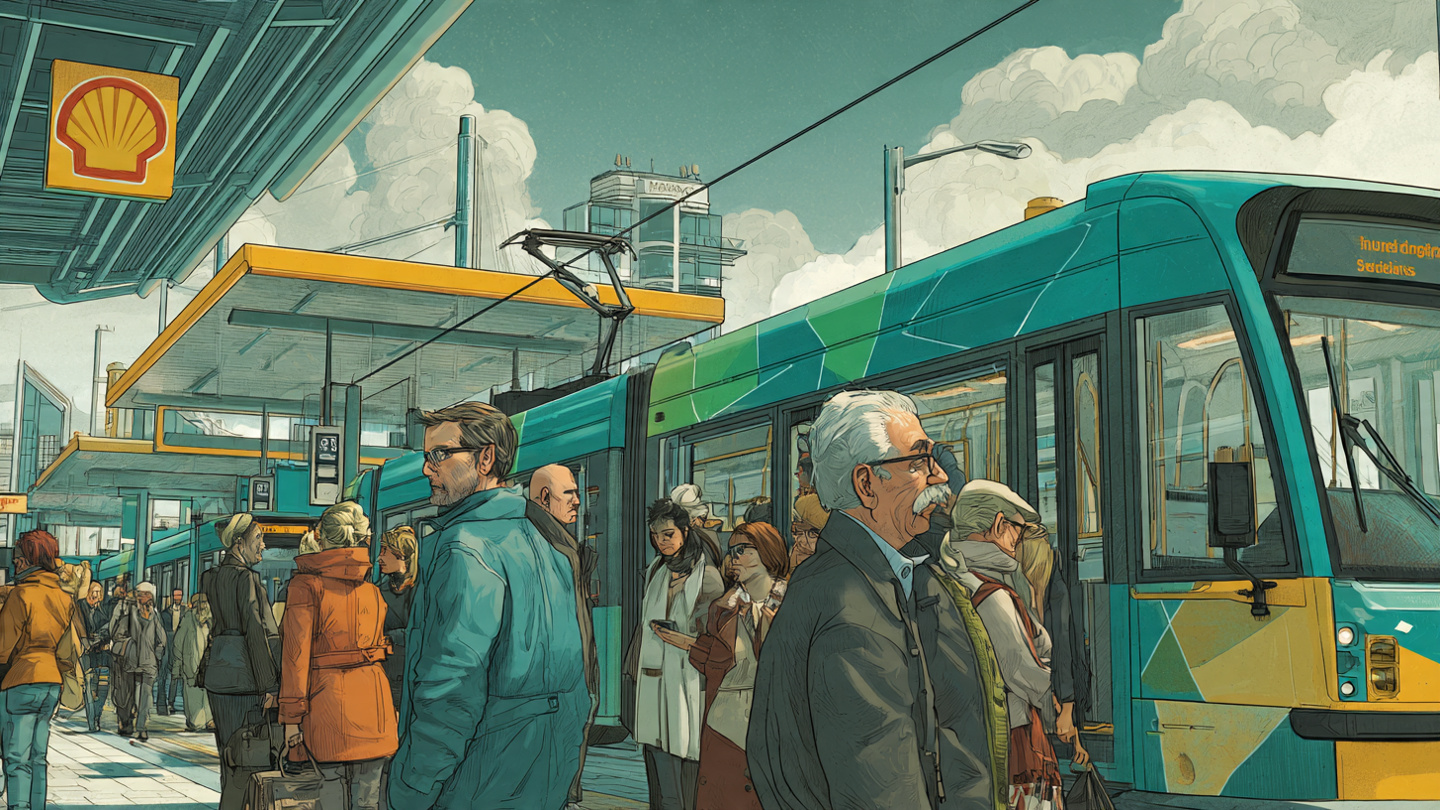
Still, fare waivers are not free. Someone pays, and in this case it is the public budget. Governments must weigh immediate relief against lost ticket revenue, operational capacity, and the possibility that demand rises faster than services can handle.
There are also structural questions. If a transit system is already under strain, free fares can increase crowding without improving service quality. If routes are limited, the policy may benefit urban residents more than regional communities. And if the measure is too short-lived, households may appreciate the relief without changing travel habits in any lasting way.
These trade-offs do not mean the decision is misguided. Rather, they show that temporary free public transport works best when framed as emergency relief, not as a full substitute for long-term transport reform.
Key Benefits and Limits of Fare Waivers
- Benefit: Immediate cost relief for commuters and frequent public transport users.
- Benefit: Strong public visibility and fast implementation compared with complex rebate systems.
- Benefit: Potential reduction in car use when petrol prices are unusually high.
- Limit: Lost revenue may strain already pressured transport budgets.
- Limit: Benefits may be uneven where transit access is weak or fragmented.
- Limit: Temporary measures do not solve deeper affordability or network issues.
From a business perspective, the most important point is this: fare waivers can stabilize consumer confidence at the margin. When households save on transport, even temporarily, they may be more willing to maintain spending elsewhere. That matters in a fragile economic environment.
What This Means for Public Transport Policy in Australia
The decisions in Victoria and Tasmania may be temporary, but they feed into a broader conversation about the role of public transport in Australia. Should fares be treated primarily as a revenue source, or as a tool for access, productivity, and economic resilience?
There is growing evidence internationally that lower-cost public transport can deliver benefits beyond ridership numbers. It can improve labor mobility, support city-center activity, reduce congestion, and lessen dependence on volatile fuel markets. In moments of crisis, those advantages become even more visible.
However, lasting progress requires more than suspending fares. It demands:
- Better service frequency and reliability.
- Improved regional and suburban coverage.
- Integrated ticketing and simpler fare structures.
- Investment in low-emission fleets and long-term operating capacity.
- Clear policy frameworks linking transport affordability with cost-of-living goals.
If governments want these emergency measures to leave a meaningful legacy, the next step is to turn short-term relief into long-term system strength.
The Broader Cost-of-Living Picture

Transport is rarely just about transport. It is tied to work, education, healthcare, childcare, and community participation. When commuting costs rise sharply, the impact flows into every part of social and economic life. That is why policies like fare waivers resonate far beyond train stations and bus routes.
In a cost-of-living crisis, mobility becomes a stress point. People may turn down shifts, delay appointments, consolidate errands, or rethink where they can afford to live and work. Over time, those choices can reduce economic participation and deepen inequality.
By waiving transit fares, Victoria and Tasmania effectively acknowledged that mobility is not optional. It is one of the foundations of economic functioning. That recognition matters, because it frames public transport not as a discretionary subsidy, but as an instrument of social stability.
Why Households Notice Transport Relief Immediately
Many expenses are fixed or slow-moving. Rent changes less often. Mortgage repayments may be locked in for a period. But transport costs are frequent and highly visible. People buy fuel weekly. They tap transit cards daily. That makes any relief especially noticeable.
In my view, this is one reason transport policy often has outsized emotional impact compared with its budget share. It is tied to routine. When a government lowers that daily friction, even briefly, people experience it as tangible support rather than abstract policy.
Could Other Regions Follow the Same Path?
That depends on political priorities, network readiness, and fiscal capacity. Some governments may prefer fuel tax reductions or targeted cash rebates. Others may view free public transport as more efficient, especially in urban areas with established networks.
There is no universal model. A dense city with strong rail and tram systems can extract more value from fare waivers than a sparsely populated region with limited service coverage. Yet the underlying lesson is transferable: during energy-driven price shocks, transport affordability becomes a front-line policy issue.
Other jurisdictions watching Victoria and Tasmania will likely study several indicators:
- Whether ridership increased significantly during the fare-free period.
- How much households actually saved.
- Whether road congestion eased.
- How the budget impact compared with alternative relief measures.
- Whether public satisfaction improved.
If the results are positive, temporary fare waivers may become a more common emergency response tool in future fuel crises.
Conclusion: A Short-Term Fix With Long-Term Implications
The decision by Victoria and Tasmania to waive transit fares is more than a temporary response to rising fuel prices. It is a clear sign that global energy shocks now translate quickly into local political action, especially when households are already under pressure. Free public transport cannot solve every problem created by an oil shock, but it can provide immediate, visible relief at a moment when it matters most.
More importantly, it reframes public transport as a critical economic buffer. In times of volatility, affordable mobility helps workers stay connected to jobs, families maintain routines, and communities absorb external shocks with a little more stability. That is not a minor policy benefit. It is central to how modern economies function.
If there is one takeaway here, it is this: governments that treat transport affordability seriously are not just helping commuters. They are protecting productivity, confidence, and social cohesion during uncertain times.
Call to action: If you are tracking cost-of-living trends, public policy, or transport strategy, keep a close eye on what happens next in Victoria and Tasmania. These temporary fare waivers may prove to be more than emergency relief. They could become a blueprint for how governments respond when fuel markets turn volatile and everyday mobility is suddenly at risk. For more analysis on public transport, consumer economics, and policy shifts shaping Australia, stay engaged and follow the developments closely.


