When a major political figure publicly raises the possibility of targeting Kharg Island and other Iranian energy sites, the consequences extend far beyond diplomatic rhetoric. This is not simply a regional security story. It is a business story, a supply chain story, and a cost-of-living story that could touch fuel prices, shipping insurance, investor confidence, and the broader direction of global oil markets.
Kharg Island sits at the heart of Iran’s oil export system. Any threat involving this strategic energy hub immediately captures the attention of traders, refiners, shipping companies, and governments. From my perspective, this is the kind of development that reminds us how fragile energy stability can be. A single statement, if taken seriously by markets, can trigger price reactions long before any physical disruption occurs.
That is why the discussion matters. The issue is not only whether an attack or invasion would happen. The issue is what the threat itself signals about future risk in the Persian Gulf, the resilience of global supply chains, and the willingness of markets to price in geopolitical shock.
Why Kharg Island Matters So Much
Kharg Island is widely recognized as Iran’s main oil export hub. That status gives it enormous strategic value. In practical terms, it functions as a critical artery through which a large share of Iran’s crude shipments move toward international buyers.
Energy infrastructure is never just industrial hardware. It is a pressure point. Ports, storage terminals, loading facilities, and shipping routes all shape a country’s economic leverage. When a hub like Kharg Island faces threats, the concern is immediate because damage there could disrupt not only physical exports but also commercial confidence.
For businesses and market watchers, several realities make Kharg Island especially sensitive:
- Export concentration: A major share of Iranian oil exports depends on infrastructure linked to the island.
- Market symbolism: Threats to a flagship energy asset can move prices even without direct military action.
- Regional spillover: Any escalation near the Persian Gulf raises risks for nearby shipping lanes and energy facilities.
- Insurance exposure: Maritime insurers often respond quickly to instability, increasing costs for tankers and cargo.
- Investor anxiety: Energy companies, traders, and funds tend to price in uncertainty before facts on the ground change.
To put it simply, Kharg Island matters because it is both a real export engine and a psychological trigger for the oil market.
The Bigger Message Behind the Threat
Statements about destroying or seizing strategic energy assets are rarely interpreted in isolation. They feed into a larger geopolitical narrative involving U.S.-Iran tensions, Persian Gulf security, sanctions enforcement, military deterrence, and energy competition. Even if no immediate operation follows, the message itself can alter expectations.
Markets are forward-looking. Traders do not wait for pipelines to shut down or ports to close before reacting. They ask a more urgent question: what is the probability of disruption tomorrow, next week, or next month? That probability, even if modest, can add a geopolitical premium to oil prices.
From a business perspective, this is where headlines become expensive. A stronger threat environment can affect:
- Benchmark crude pricing
- Refining margins
- Freight rates for oil tankers
- War-risk insurance premiums
- Currency volatility in energy-importing countries
- Procurement costs for manufacturers and airlines
I think this is where readers should pay close attention. Many people hear about military rhetoric and assume it belongs only in foreign policy circles. In reality, energy geopolitics can show up in the monthly household budget, the price of airline tickets, and the cost of transporting food and industrial goods.
How Global Oil Markets Could React
Short-Term Price Shock
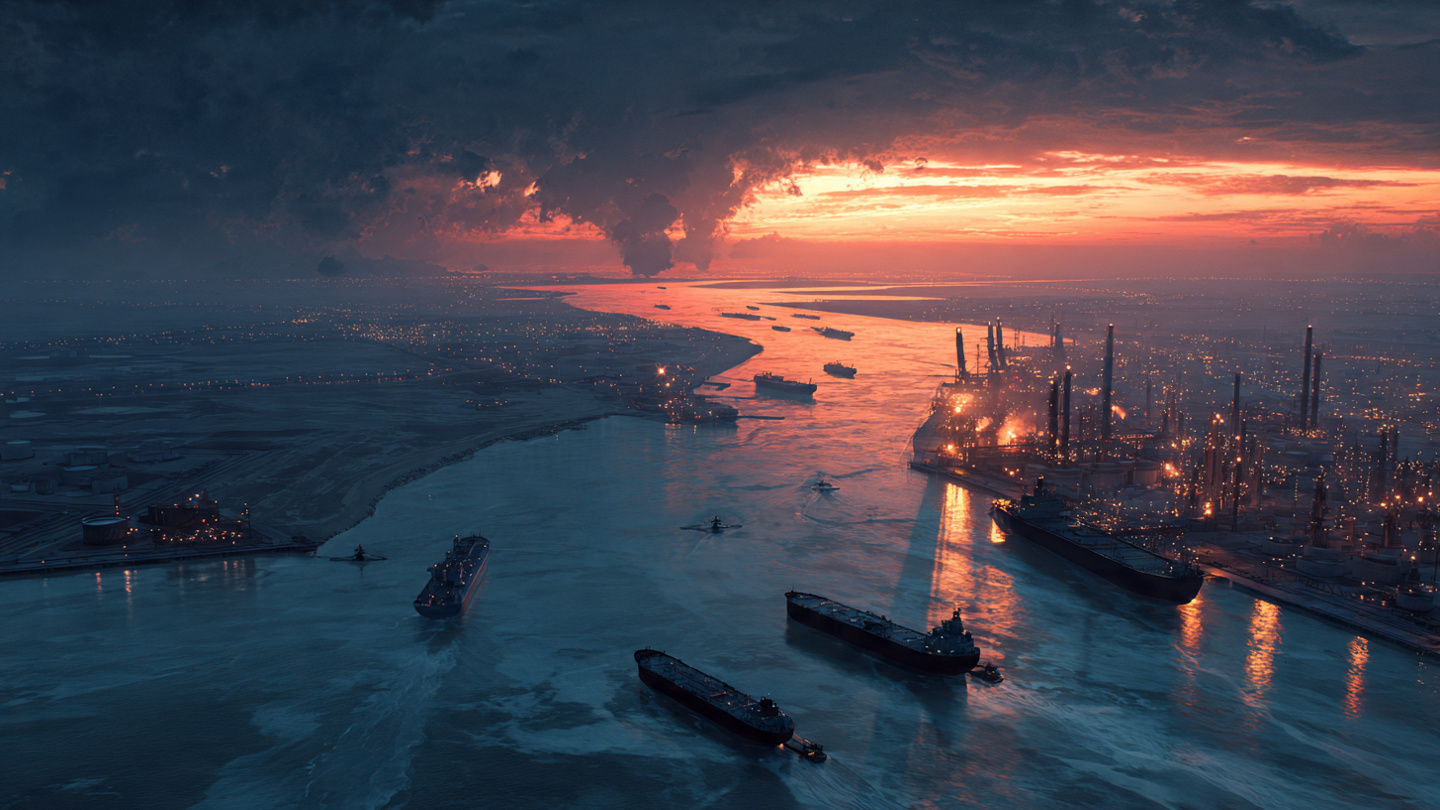
The first and most immediate impact would likely be on oil futures. If traders view the threat to Iranian energy sites as credible, prices could rise on fear alone. This is especially true when supply conditions are already tight or when inventories are not abundant enough to reassure buyers.
In markets, fear often moves faster than fact. Even a limited risk premium can be meaningful if it lands during a period of seasonal demand strength or ongoing geopolitical stress elsewhere.
Shipping Disruption Risk
The Persian Gulf remains one of the most important energy corridors in the world. If tensions surrounding Kharg Island escalate, tanker operators may face route adjustments, delays, or rising compliance burdens. A disruption does not have to be total to be costly. Sometimes the mere perception of danger is enough to increase charter rates and insurance costs.
A useful practical example is how maritime risk works in real life. If insurers classify a route as more dangerous, transport becomes more expensive. That added expense can work its way through the energy chain, affecting refiners, wholesalers, and ultimately consumers.
Supply Rebalancing
If Iranian exports were threatened or interrupted, other producers could attempt to fill part of the gap. However, supply replacement is rarely seamless. Spare capacity, political coordination, shipping logistics, and refinery compatibility all matter.
Not every barrel can instantly replace another barrel. Crude quality differs, contracts differ, and buyers often need time to adjust sourcing plans. That is one reason why threats to major export hubs can create outsized market stress.
What This Means for Iran’s Economy
For Iran, any credible threat to Kharg Island strikes at a central pillar of economic survival. Oil exports are deeply connected to state revenue, foreign exchange access, and broader financial stability. Even under sanctions and pressure, export infrastructure remains strategically vital.
If the risk around Kharg Island intensifies, Iran could face multiple layers of strain:
- Revenue pressure: Lower export volumes can reduce state income.
- Buyer hesitation: Customers may seek safer or less politically exposed suppliers.
- Logistics costs: Shipping and handling could become more expensive.
- Currency stress: Economic uncertainty may weigh on financial confidence.
- Repair and resilience costs: Hardening infrastructure against threats is expensive.
In my view, this is why energy infrastructure is often seen as both an economic engine and a strategic vulnerability. The more central a site becomes, the more tempting and consequential it is as a target.
Why Businesses Outside the Energy Sector Should Care
It is easy to assume this story matters only to oil traders and governments. That would be a mistake. Energy costs ripple through nearly every sector. When risk rises in the Persian Gulf, the impact can broaden quickly.
Consider a manufacturer that depends on steady shipping and fuel prices. A sudden increase in crude costs may affect plastics, transport contracts, and electricity expenses. Or consider an airline already dealing with thin margins. Higher fuel costs can force route changes, price increases, or reduced expansion plans.
Here are a few sectors that closely watch developments like this:
- Airlines: Jet fuel costs are highly sensitive to crude market movements.
- Shipping and logistics: Freight economics shift quickly when marine fuel and insurance costs rise.
- Chemicals and manufacturing: Petrochemical inputs and transport charges can climb.
- Retail: Distribution expenses often rise when fuel becomes more expensive.
- Agriculture: Fertilizer, machinery operation, and transport all carry energy exposure.
A practical way to think about it is this: when energy risk goes up, no supply chain remains entirely untouched.
The Strategic Importance of the Persian Gulf
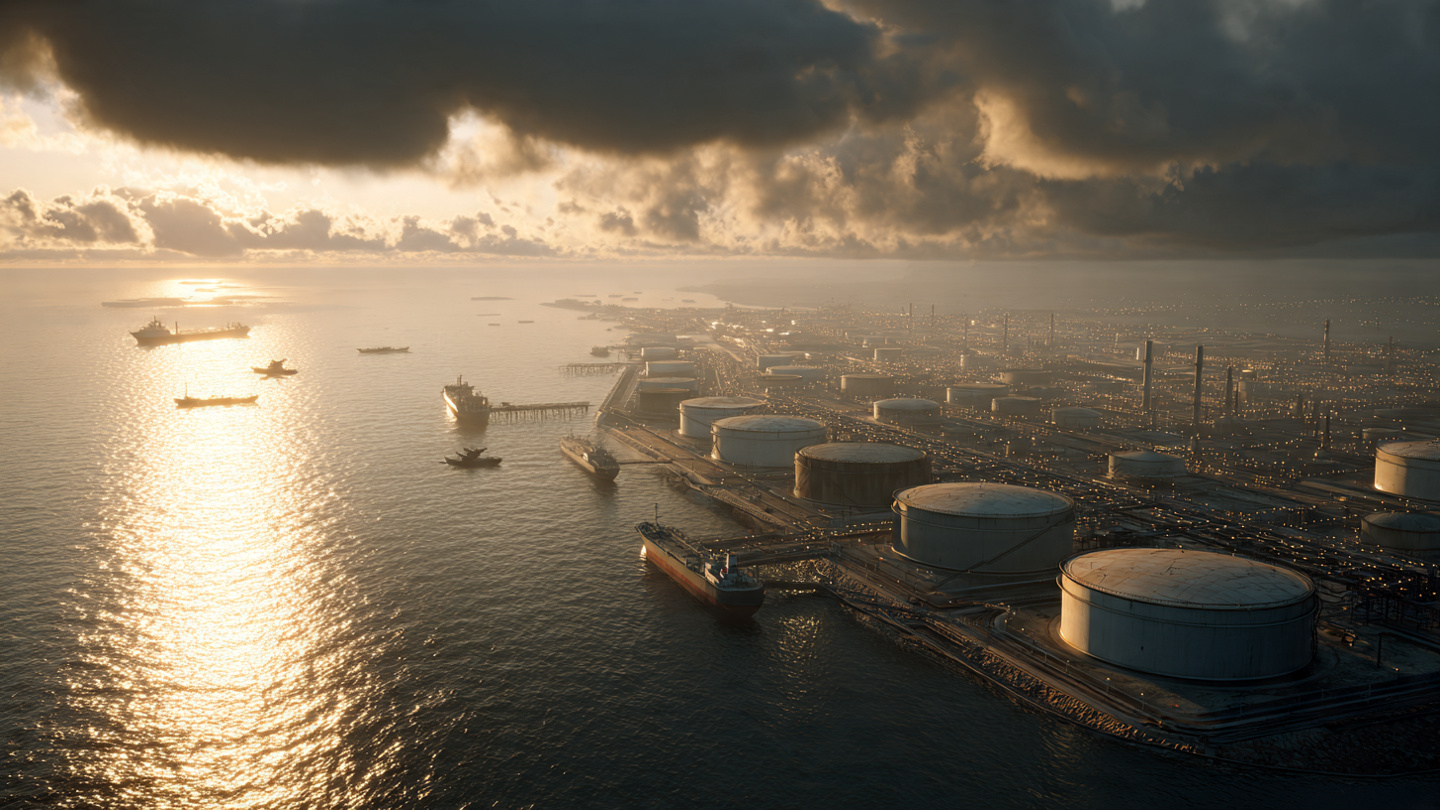
The Persian Gulf remains one of the most critical regions for the movement of oil and gas. This gives every major threat in the area a larger international dimension. Governments monitor the region not only for military reasons, but also for inflation risk, trade stability, and financial market confidence.
Threats involving Kharg Island carry symbolic weight because they raise deeper concerns about whether the region’s energy architecture could become more vulnerable. If one major export node is seen as exposed, market participants begin asking wider questions about nearby terminals, sea lanes, and critical infrastructure.
This is why geopolitical language can have real economic force. Markets do not need a catastrophe to react. They need only enough uncertainty to reassess risk.
Could Other Producers Offset the Damage?
One common response to concerns about Iranian supply is that other oil-producing countries might compensate. There is some truth to that, but the reality is more complicated. Spare capacity is finite, and political willingness to deploy it is never guaranteed. Timing also matters. Markets can spike long before replacement barrels arrive.
Several factors shape whether disruption can be contained:
- Available spare production capacity
- OPEC and allied producer coordination
- Shipping access and tanker availability
- Refinery ability to process alternative crude grades
- Strategic petroleum reserve policy decisions
In short, replacement is possible in theory but messy in practice. This is one reason headlines about Kharg Island are taken seriously by analysts. The market knows that flexibility exists, but it also knows that flexibility has limits.
What Investors and Policymakers Are Likely Watching
Risk Premiums in Energy Prices
Investors are likely tracking whether the situation creates a sustained geopolitical premium in oil. Temporary spikes happen often, but a prolonged rise can influence inflation expectations, interest rate assumptions, and broader market sentiment.
Shipping and Insurance Signals
Sometimes the clearest early warning signs do not come from politicians. They come from insurers, tanker rates, and security advisories. If the private sector begins pricing the region as materially riskier, that is often a strong signal that fear is entering the real economy.
Diplomatic and Military Posture
Markets also watch whether rhetoric is matched by asset movement, coalition messaging, sanctions activity, or defensive regional deployments. A strong statement by itself can fade. A statement followed by visible preparation often has a much deeper impact.
The Human Side of Energy Conflict
Behind every discussion of terminals, exports, and strategy are ordinary people. Energy disruptions can affect workers, coastal communities, small businesses, and households already stretched by inflation. That is worth remembering, especially when debates become abstract.
Personally, I think this is where responsible analysis matters most. It is easy to frame energy threats as a contest of power. It is harder, but more honest, to acknowledge the downstream effects on real families. If oil prices surge, transportation becomes costlier. If supply chains tighten, consumer goods can become less affordable. If regional tension rises, uncertainty spreads far beyond the battlefield or negotiation room.
What Happens Next?
The most important question is whether the threat remains rhetorical or evolves into a larger strategic confrontation. That distinction will shape oil prices, diplomatic responses, and corporate planning. Businesses with energy exposure should be watching for changes in regional security posture, tanker market indicators, and official policy statements.
For readers trying to understand the bigger picture, the core takeaway is straightforward: a threat against Kharg Island is not a narrow regional event. It is a potential stress test for global oil markets, shipping security, and economic confidence.
It also serves as a reminder that the world’s energy system remains deeply interconnected. A strategic flashpoint in one part of the Middle East can influence boardrooms, commodity exchanges, fuel stations, and household budgets across continents.
Conclusion
The threat to destroy Kharg Island and other key Iranian energy sites highlights just how vulnerable the global economy remains to geopolitical shocks. Kharg Island is more than an island. It is a vital export hub, a strategic symbol, and a pressure point in one of the world’s most important energy corridors.
If tensions rise, the effects could spread quickly through oil prices, shipping costs, insurance premiums, and inflation-sensitive industries. Even without direct conflict, the possibility of disruption can shape behavior in markets and governments alike. That is why this story deserves attention not only from foreign policy observers, but from investors, executives, and everyday consumers as well.
The smartest response is informed vigilance. Watch the signals, follow the market reaction, and understand that energy security is never just about barrels of crude. It is about resilience, affordability, and the stability of the wider global economy.
Want to stay ahead of major energy and market shifts? Follow ongoing analysis of Persian Gulf security, oil price volatility, and supply chain risk so you can make smarter business and investment decisions before the next shock hits.


