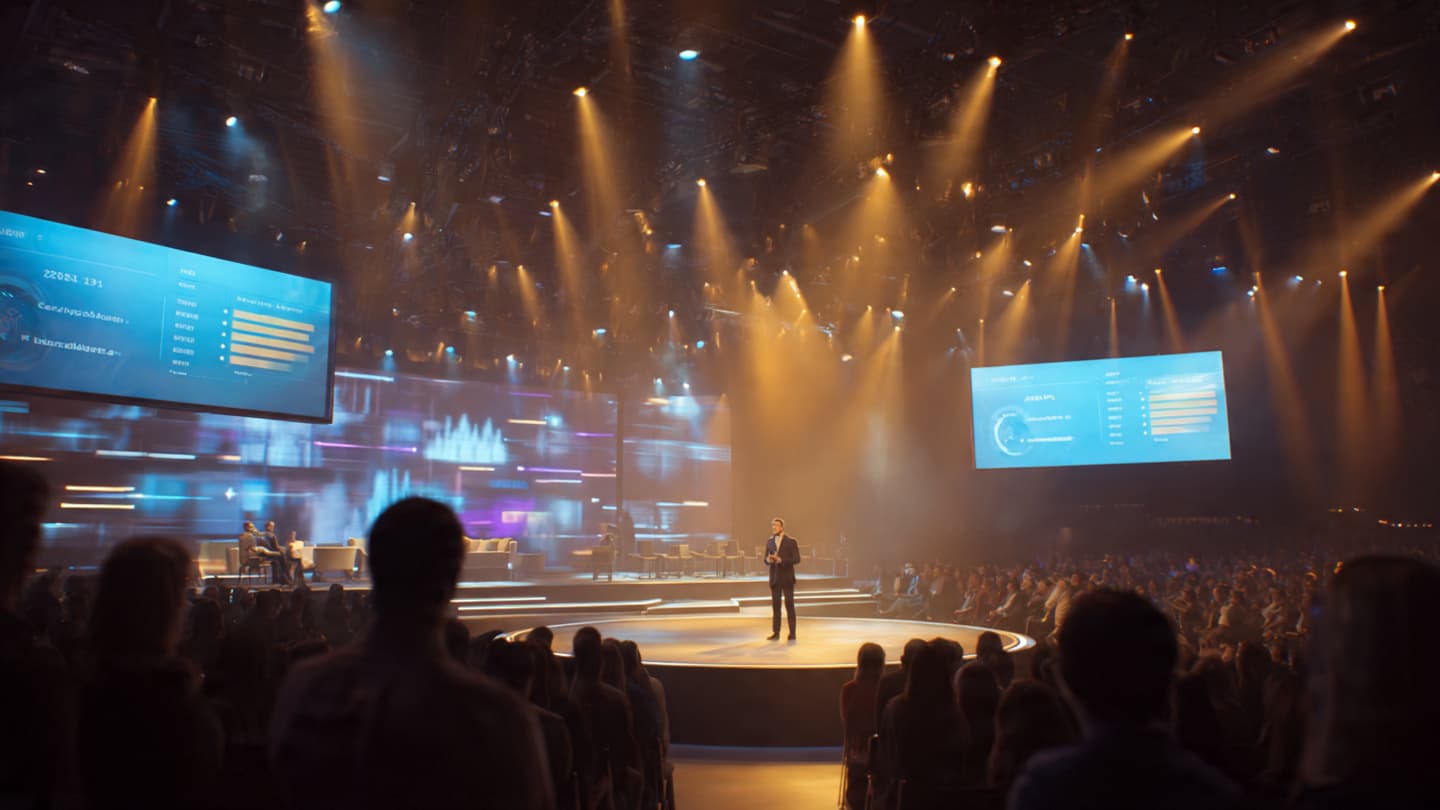
The battle for attention is no longer just a fight between television networks and streaming platforms. It is now a full-scale competition between traditional entertainment giants and individual creators who can command audiences larger than many cable channels. That is why recent comments from YouTube CEO Neal Mohan matter so much. His argument was simple but bold: the future of top-tier video talent is not tied to Hollywood studios, giant production lots, or expensive filming locations. In many cases, the most successful YouTube creators can build global media brands without ever needing to leave home.
That statement captures a deeper shift in the media business. A bedroom setup, a lean team, a smart content strategy, and a direct relationship with viewers can now outperform legacy systems that once controlled distribution. For anyone watching the rise of the creator economy, this is more than a soundbite. It is a clear signal that YouTube sees itself not just as a video platform, but as the operating system for modern entertainment entrepreneurship.
From my perspective, this is exactly why YouTube remains so difficult to disrupt. Other companies can offer big budgets, flashy deals, and prestige projects. But YouTube offers something many creators value even more: ownership, flexibility, speed, and scale. Those advantages are hard to replace, even for a giant like Netflix.
The Bigger Meaning Behind Neal Mohan’s Claim
When Neal Mohan says the best YouTubers may never leave home, he is pointing to a structural advantage that YouTube has cultivated for years. The platform is built around a model where creators can produce, publish, test, monetize, and grow content on their own terms. That independence is not a side benefit. It is the core product.
In traditional entertainment, talent often moves through a long chain of gatekeepers: agents, executives, producers, development teams, legal departments, and marketing divisions. On YouTube, the path from idea to audience is dramatically shorter. A creator can film in the morning, edit in the afternoon, publish in the evening, and start analyzing performance data the same day.
That speed changes everything. It allows creators to respond to trends, sharpen their voice, and build loyalty in real time. Instead of waiting months for audience feedback, they get instant signals through watch time, comments, shares, and subscriber growth. That feedback loop is one of YouTube’s most powerful competitive moats.
Why this matters in the streaming wars
Streaming companies such as Netflix are increasingly interested in internet-native talent because audiences are changing. Younger viewers often care less about whether content came from a studio and more about whether it feels authentic, entertaining, and worth their time. That creates an obvious temptation for premium platforms to recruit successful online creators.
But recruitment and retention are two different things. A creator may enjoy experimenting with a polished streaming project, yet still prefer YouTube as their primary home base. Why? Because YouTube lets them maintain direct control over their brand, audience relationship, publishing schedule, and monetization mix.
- YouTube creators own an active audience connection through subscribers and community engagement.
- Monetization can come from ads, memberships, shopping, sponsorships, and premium content.
- Creative freedom is often broader than what exists inside traditional commissioning structures.
- Production costs can stay lower while profit margins remain attractive.
- Global reach is built into the platform from day one.
That combination makes YouTube less like a stepping stone and more like a permanent headquarters for digital-first talent.
Why Top YouTube Creators Prefer Staying Independent
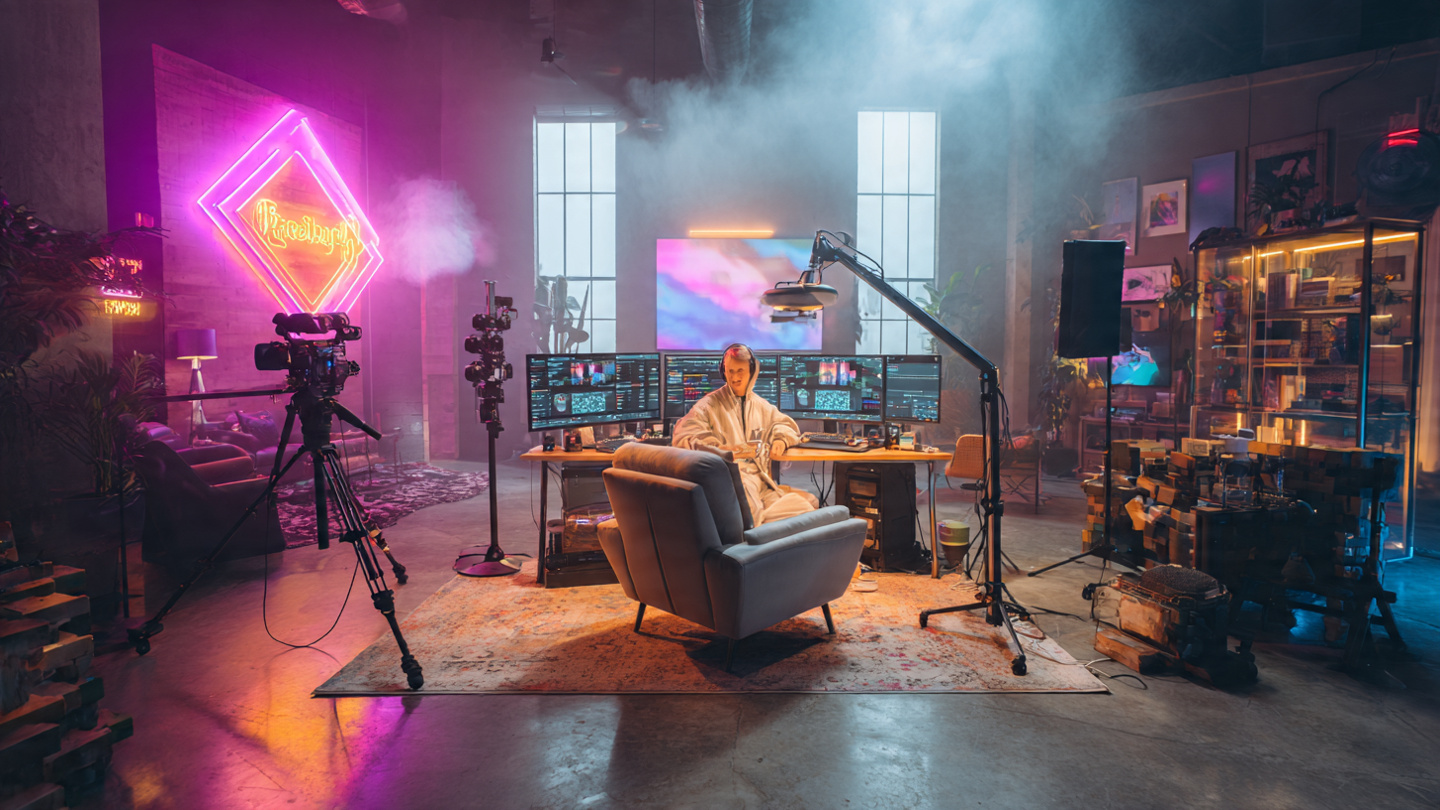
The assumption behind many media conversations is that creators ultimately want to “graduate” into television or streaming. That assumption increasingly feels outdated. For a growing number of high-performing creators, YouTube is not the minor leagues. It is the main stage.
Consider the practical reality. A creator with millions of subscribers already has brand recognition, repeat viewership, built-in distribution, and multiple income streams. If that creator leaves to work exclusively with a streaming service, they may gain a higher budget, but they also risk losing some of the qualities that made them successful in the first place.
Control is worth more than prestige
One of the least discussed truths in media is that control has become a premium asset. On YouTube, creators can decide what to make, when to release it, how long it should be, what tone it should carry, and how directly they want to interact with fans. They can test formats quickly, kill weak ideas fast, and double down on what works.
That freedom is difficult to replicate in traditional media environments, where content development is often slower, more expensive, and more constrained. For creators who built their brand on spontaneity, relatability, and responsiveness, too much institutional structure can actually weaken the product.
I think this is where many outsiders misunderstand the psychology of digital talent. Yes, money matters. But autonomy matters too. A creator who has spent years building a self-sustaining media business may not want to trade independence for a one-off prestige deal, even if the headline number looks attractive.
The home studio is now a media company
The phrase “never leave their home” is memorable because it speaks to how dramatically production economics have changed. A modern creator can operate from a home studio equipped with high-end cameras, lighting, editing software, remote collaboration tools, and analytics dashboards. What once required a full production facility can now be managed from a spare room.
This shift does not mean content quality has declined. In many cases, it has improved. Creators have become remarkably sophisticated in storytelling, packaging, sound design, visual branding, and audience retention strategies. Some channels now rival established media companies in professionalism while retaining the intimacy that audiences love.
That is a powerful combination: studio-quality execution with creator-led authenticity.
YouTube’s Real Advantage Over Netflix
Netflix is one of the most influential entertainment brands in the world, and its interest in creator-led content makes strategic sense. But YouTube still holds several advantages that are uniquely difficult to copy.
Always-on audience relationships
Netflix releases shows. YouTube creators build ongoing communities. That difference matters. A hit series on a streaming platform may generate excitement for a few weeks. A successful YouTube channel can maintain a constant rhythm of communication through uploads, comments, livestreams, shorts, and community posts.
This creates a much deeper sense of familiarity. Viewers do not just consume content; they develop habits around a creator’s presence. Over time, that habit becomes a durable competitive advantage.
Data, iteration, and speed
YouTube gives creators continuous access to performance data. They can study click-through rates, audience retention, watch duration, traffic sources, and demographic trends, then adjust quickly. Traditional entertainment rarely works at that pace.
That means YouTube creators are not simply entertainers. They are operators. They learn to read audience signals, improve thumbnails and titles, experiment with narrative hooks, and optimize publishing cadence. In business terms, this is a highly efficient content laboratory.
Multiple monetization lanes
A streaming platform usually pays creators through negotiated contracts or licensing arrangements. YouTube, by contrast, offers a more diversified economic model. Creators can earn from ad revenue, brand partnerships, product sales, fan funding, memberships, affiliate income, and more.
This matters because diversified income reduces dependency. A creator with several strong revenue channels can make smarter long-term decisions and avoid becoming overly reliant on a single platform deal.
- Ad revenue rewards scale and consistency.
- Sponsorships often become more valuable when audiences are highly engaged.
- Merchandise and products turn audience trust into brand equity.
- Memberships and fan support deepen community and recurring revenue.
- Shopping features increasingly connect entertainment with commerce.
This is why the best creators often think like founders, not just performers.
The Rise of the Creator-First Media Model
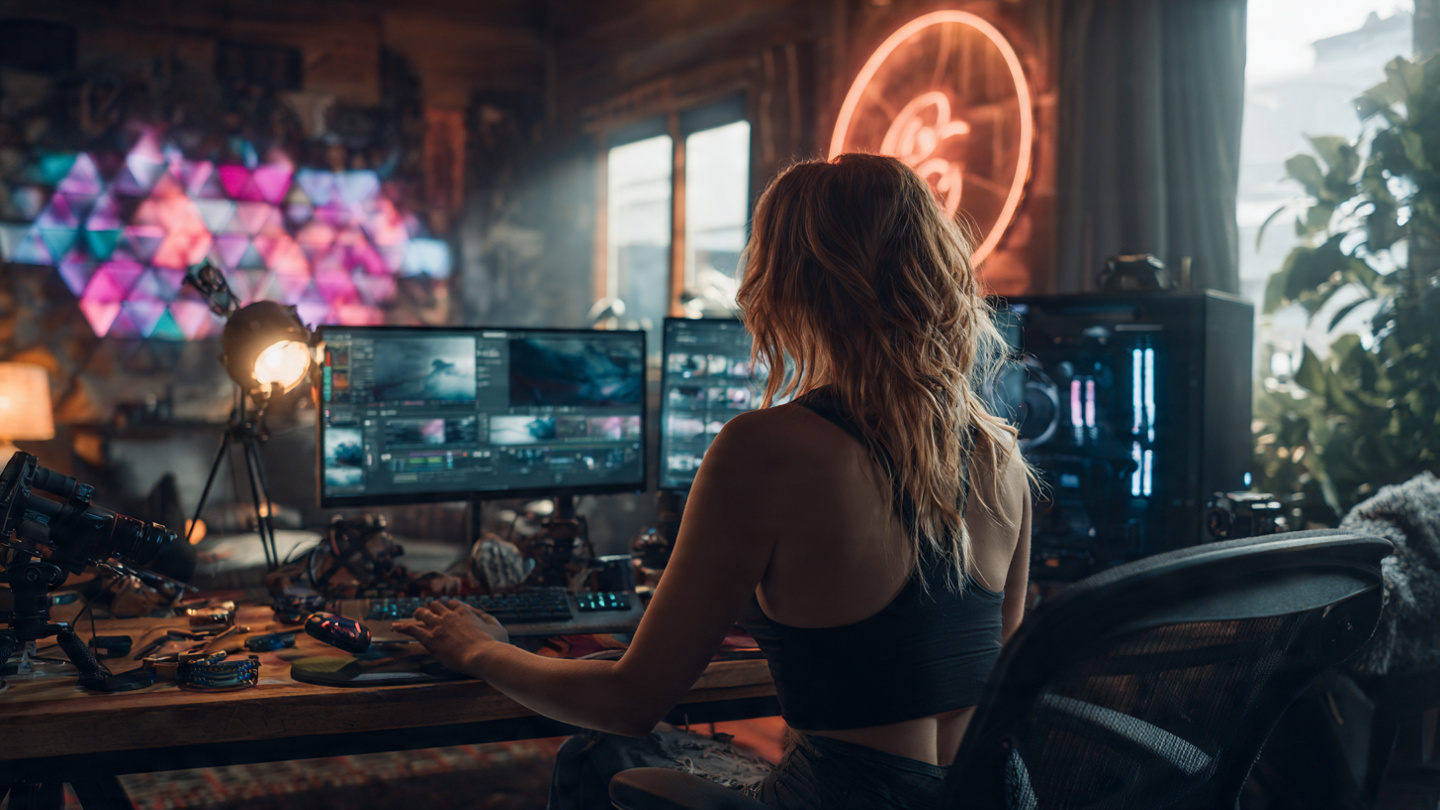
We are now watching the emergence of a new media hierarchy. At the top are not only studios and distributors, but also individual creators who own attention at scale. That ownership changes the negotiating balance.
In the old model, distribution was scarce. Today, distribution is abundant, but trust is scarce. That is why creators matter so much. They have already earned trust from their viewers. And in a crowded content market, trust often beats polish.
A creator-first media model has several defining features:
- Direct audience ownership through loyal subscriber communities.
- Fast content cycles that allow rapid adaptation.
- Brand extension opportunities into products, events, courses, and licensing.
- Lean production systems that keep teams agile.
- Global scalability without the traditional overhead of international distribution.
This is the deeper context behind Mohan’s confidence. YouTube is not merely hoping creators stay. It has built an ecosystem where staying often makes the most business sense.
Examples of how this plays out
Take a creator who specializes in long-form challenges, documentaries, or educational explainers. On a traditional platform, they may need approval for every concept, face a lengthy production schedule, and release only occasionally. On YouTube, they can build a repeatable format, refine it weekly, and grow a loyal audience that returns consistently.
Or imagine a lifestyle creator who launches a product line. On YouTube, the content and the commerce engine can work together. Videos build emotional connection, the audience learns the story behind the brand, and shopping opportunities emerge naturally. That is a tighter business loop than most streaming platforms can offer.
As someone who follows digital media closely, I find this especially compelling: the smartest creators are no longer choosing between art and business. They are combining both. Their channel is not just a publication. It is a brand platform, a testing ground, and a revenue engine.
What This Means for Netflix and Other Platforms
Netflix and similar companies are unlikely to stop working with digital creators. In fact, they will probably increase those efforts. Creator partnerships can bring fresh formats, younger audiences, and built-in fan bases. But those platforms may need to rethink how they structure deals if they want lasting relationships.
The old approach of simply offering money and visibility may not be enough. Top creators already have visibility. What they want is leverage, flexibility, and strategic upside.
What creators will likely demand
- Non-exclusive arrangements that let them keep building on YouTube.
- Creative input over format, tone, and release strategy.
- Access to audience data rather than opaque performance reporting.
- Stronger brand ownership and licensing rights.
- Cross-platform freedom to maintain their community elsewhere.
If streaming services ignore those expectations, they may continue to attract creators for experiments but struggle to keep them long term.
This is not really a story about one company defeating another. It is a story about how media power is decentralizing. Legacy platforms still matter. Big-budget storytelling still matters. But the terms of influence have changed. Creators with direct audience trust now enter negotiations from a much stronger position.
Why Audiences Are Driving This Shift
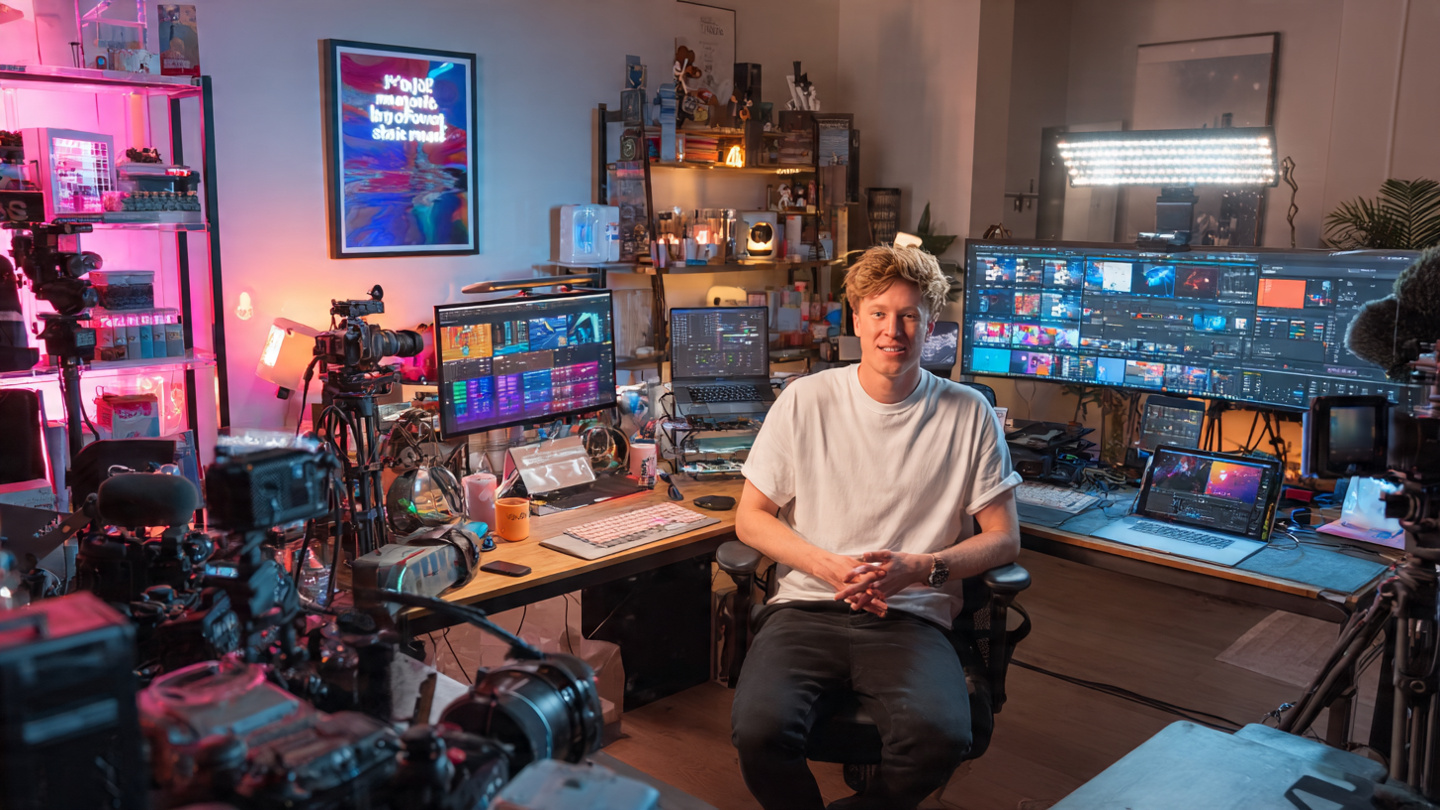
Ultimately, viewers are the reason this transformation is happening. Audiences increasingly reward content that feels personal, immediate, and distinct. They do not necessarily want everything to look like a conventional TV series. In many cases, they prefer the texture of creator-led storytelling because it feels more human.
That does not mean audiences reject polish. It means they want polish without losing personality. The strongest YouTube creators understand this balance extremely well. They know how to scale production while preserving the voice that made viewers care in the first place.
And that may be the most important lesson in all of this: technology changes quickly, but audience psychology changes slowly. People still gravitate toward trust, consistency, and connection. YouTube remains powerful because it aligns with those instincts.
Conclusion: The Future Belongs to Creators Who Own Their Audience
Neal Mohan’s comment about the best YouTubers never leaving home may sound provocative, but it reflects a very real business truth. The center of gravity in digital entertainment is shifting toward creators who can build audience loyalty, operate efficiently, and monetize across multiple channels without surrendering control.
YouTube’s advantage is not just its size. It is the ecosystem it offers: direct distribution, real-time data, global reach, flexible monetization, and an unmatched ability for creators to turn attention into durable businesses. That is why top talent may explore streaming opportunities without ever abandoning the platform that made them powerful.
For brands, investors, media executives, and creators themselves, the takeaway is clear. The future of entertainment will not belong only to companies with the biggest budgets. It will belong to those who best understand how to build trust at scale.
If you are watching the next phase of the creator economy, now is the time to pay attention. Follow where audiences are building habits, where creators retain leverage, and where media ownership is being redefined in real time. The winners may not come from traditional studios at all. They may be building the future from a home office, one upload at a time.
Want to stay ahead of the creator economy and streaming trends? Keep tracking how YouTube creators, digital platforms, and entertainment brands are reshaping the business of attention. The next major shift is already underway.