When a political statement touches the Strait of Hormuz, the world pays attention. That narrow waterway is not just another map label. It is one of the most important arteries in global energy trade, a pressure point where geopolitics, shipping risk, and oil prices meet in real time. So when President Trump said Iran had agreed to allow 20 more oil ships through the strait and framed it as a sign of respect, the comment immediately raised bigger questions: Was this a tactical breakthrough, a political message, or a signal meant for energy markets?
The answer matters because the Strait of Hormuz influences far more than headlines. It shapes tanker insurance costs, refinery planning, investor sentiment, and the daily economic expectations of businesses and consumers around the world. Add in remarks about regime change in Iran, and the story becomes even more consequential. In my view, moments like this show how energy markets do not move on supply and demand alone. They move on perception, credibility, and fear of what could happen next.
This is why the latest claims deserve a deeper look. Whether the statement reflects a formal understanding, a temporary de-escalation, or political positioning, the implications for global oil trade are significant. Investors want clarity. Shipping companies want predictability. Consumers simply want stable prices. Right now, none of those groups can afford to ignore what happens in and around Hormuz.
Why the Strait of Hormuz Matters So Much
The Strait of Hormuz sits between the Persian Gulf and the Gulf of Oman, serving as a critical corridor for crude oil, refined products, and liquefied natural gas. It is one of the most strategically sensitive waterways in the world because a large share of globally traded oil passes through it. That means even small disruptions can trigger oversized reactions.
For anyone outside energy or shipping, the scale of this importance can be hard to grasp. Think of Hormuz as a highway bottleneck for the global economy. If traffic flows smoothly, markets stay relatively calm. If there is a threat of delay, inspection, confrontation, or closure, the consequences spread quickly from oil traders to shipping firms, airlines, manufacturers, and households paying for fuel.
- Oil transit hub: A major share of seaborne crude exports from Gulf producers moves through the strait.
- Market sensitivity: Even rumors of disruption can move benchmark oil prices.
- Shipping exposure: Tanker operators face higher security costs, route uncertainty, and insurance premiums.
- Global ripple effect: Price spikes can feed inflation, transport costs, and consumer anxiety.
That is why claims about more vessels being allowed through are not a minor diplomatic footnote. They go directly to the heart of market stability.
What Trump's Statement Signals to Markets
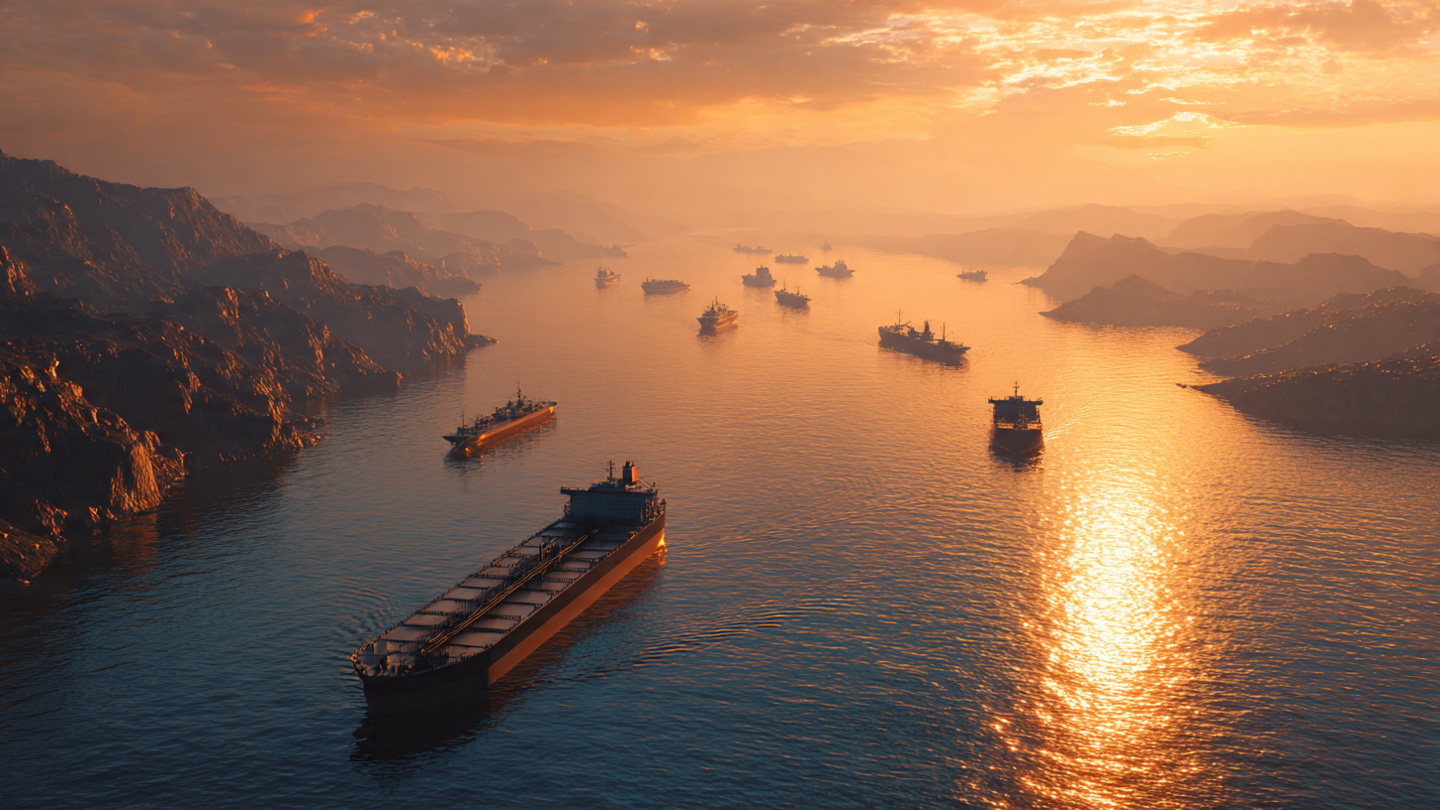
The most immediate effect of Trump's statement is psychological. Markets are forward-looking, which means they respond not only to confirmed events but also to signals about future conditions. If traders believe there is a reduced chance of confrontation between the United States and Iran, they may price in lower risk. If they think the remarks are unverified or politically motivated, volatility can increase instead.
There are two layers to this message. The first is the operational claim that 20 additional oil ships would be permitted through the strait. The second is the symbolic framing that this reflected a sign of respect. In political terms, that language suggests leverage. In market terms, it introduces uncertainty over whether the arrangement is durable, informal, conditional, or even fully acknowledged by all sides.
From my perspective, that ambiguity is the real story. Energy markets can handle bad news more easily than unclear news. A confirmed disruption can be priced. A tentative pause can be managed. But a public claim without transparent operational detail often leaves traders guessing, and guessing tends to increase premiums across the system.
Why language matters as much as logistics
Presidential rhetoric can move markets because it shapes expectations about military posture, sanctions enforcement, and diplomatic room for maneuver. A statement that sounds conciliatory on shipping can lower immediate fears, but remarks suggesting the United States has already achieved regime change in Iran can pull the market in the opposite direction. One message hints at de-escalation. The other hints at intensified confrontation.
That contradiction is precisely why analysts, shipowners, and commodity desks would be cautious. They are not listening only for what is said. They are listening for consistency.
The Oil Market Impact: Prices, Premiums, and Positioning
Whenever the Strait of Hormuz becomes the center of political messaging, the oil market starts recalculating risk. This does not always mean an immediate price spike, but it often means a reassessment of what traders call the geopolitical risk premium. That premium reflects the possibility that supply may be disrupted, delayed, or made more expensive to transport.
If more ships truly pass safely through the strait, some short-term fears could ease. That could support smoother export flows from Gulf producers and reduce stress for refineries waiting on cargoes. However, if the policy environment remains unstable, the relief may be limited. Markets are less interested in one-off passage than in repeatable, credible security conditions.
- Crude prices: Traders may reduce or increase risk premiums depending on whether the development appears stable.
- Freight rates: Tanker charter costs can rise if operators fear sudden route disruptions.
- Insurance costs: War risk premiums often react quickly to tensions in chokepoints.
- Refinery strategy: Buyers may diversify sourcing or build inventory to hedge uncertainty.
A practical example helps here. Imagine a refinery in Asia relying on Gulf crude deliveries. If shipping through Hormuz appears safer, procurement teams may stick to normal buying patterns. But if political messaging remains volatile, they may seek alternate barrels from West Africa, the Americas, or elsewhere, even at a premium, simply to reduce risk. That behavior affects global trade flows well beyond the Middle East.
Iran, Leverage, and the Politics of Maritime Passage
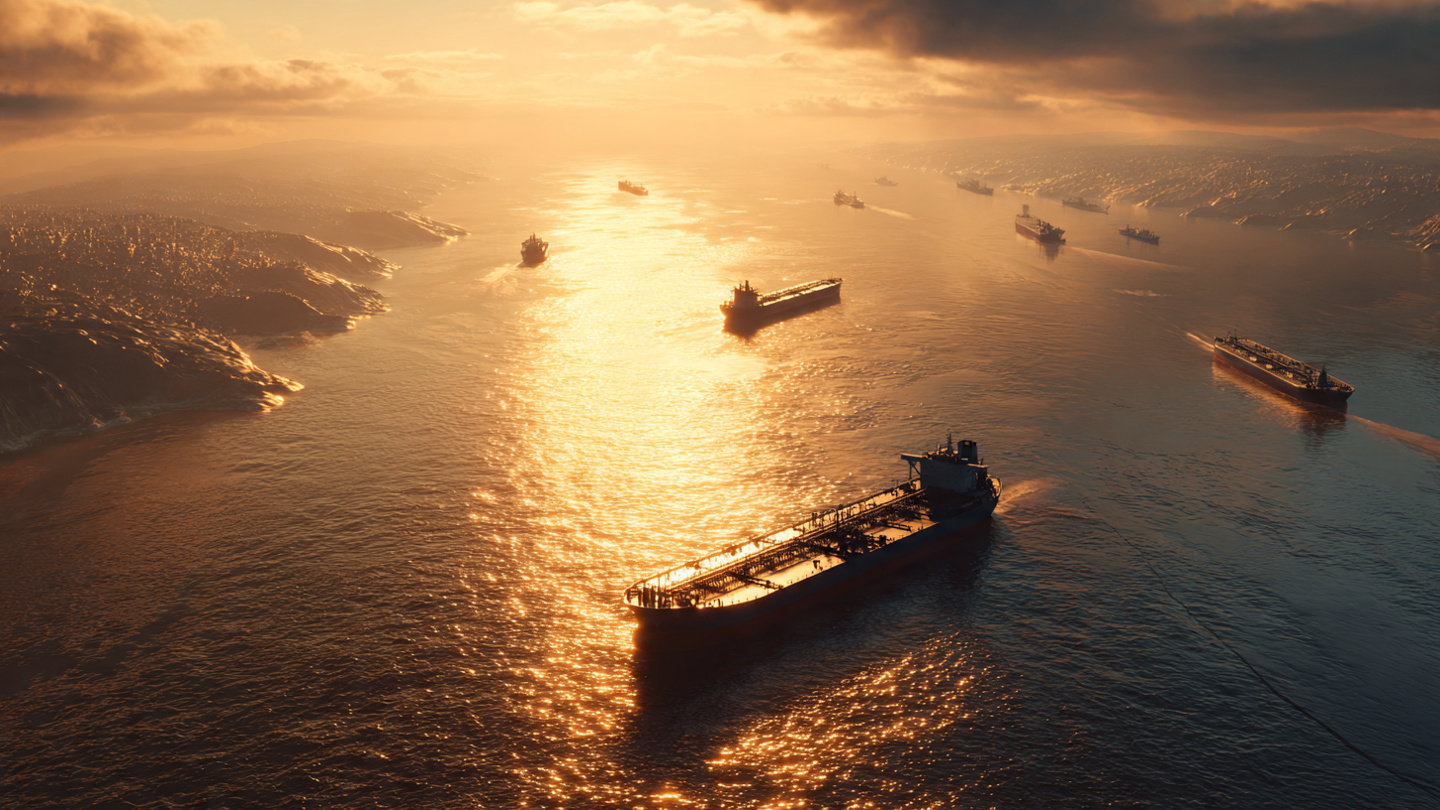
Iran has long understood the strategic value of the Strait of Hormuz. Control is not absolute in a legal sense, but influence over the security environment gives Tehran a form of leverage. It can signal restraint, issue warnings, or escalate pressure indirectly through posture and messaging. That reality makes every public claim about access politically loaded.
If Iran did in fact allow additional ships to pass without interference, that could be interpreted in several ways. It may suggest tactical de-escalation. It may be an effort to avoid broader confrontation. It may also be designed to influence international opinion by projecting control and pragmatism at the same time.
For Washington, presenting such movement as a sign of respect serves a different purpose. It reinforces a narrative of pressure producing results. But that framing can also create complications. Diplomacy usually works best when each side can present outcomes to domestic audiences without appearing publicly humiliated. When one side claims symbolic victory too aggressively, the other side may feel compelled to push back.
Why informal understandings can be fragile
In high-tension regions, maritime de-escalation is often less about grand agreements and more about practical restraint. Ships move. Navies watch. Signals are sent. Rules are tested. That means apparent progress can be real yet still vulnerable. One incident, one seizure, one missile launch, or one conflicting statement can undo market confidence within hours.
This is why businesses that depend on energy transport rarely celebrate too early. They know that shipping lanes in the Middle East can remain commercially open while still being strategically unstable.
The Regime Change Remark and Why It Changes the Story
The comment that the United States had already achieved regime change in Iran adds a much sharper edge to the discussion. Whatever the exact intent behind that claim, the phrase regime change carries heavy historical and strategic weight. It suggests a maximalist posture, not a narrow maritime understanding. That matters because markets do not isolate shipping access from broader confrontation risk.
If investors believe U.S.-Iran tensions are moving from deterrence toward deeper political destabilization, they may assume that any shipping accommodation is temporary. In other words, the more dramatic the political objective sounds, the less durable a shipping breakthrough may appear.
There is also a credibility question. Markets try to determine whether public statements are literal descriptions, negotiating tactics, or political messaging aimed at domestic audiences. If participants suspect the comments are more rhetorical than operational, they may react with caution rather than relief.
Personally, I think this is where many readers miss the bigger issue. Oil markets do not just price barrels. They price confidence in the political environment surrounding those barrels. And confidence becomes extremely difficult to maintain when softening signals and hardline signals arrive in the same breath.
Who Gains and Who Loses From a Calmer Hormuz
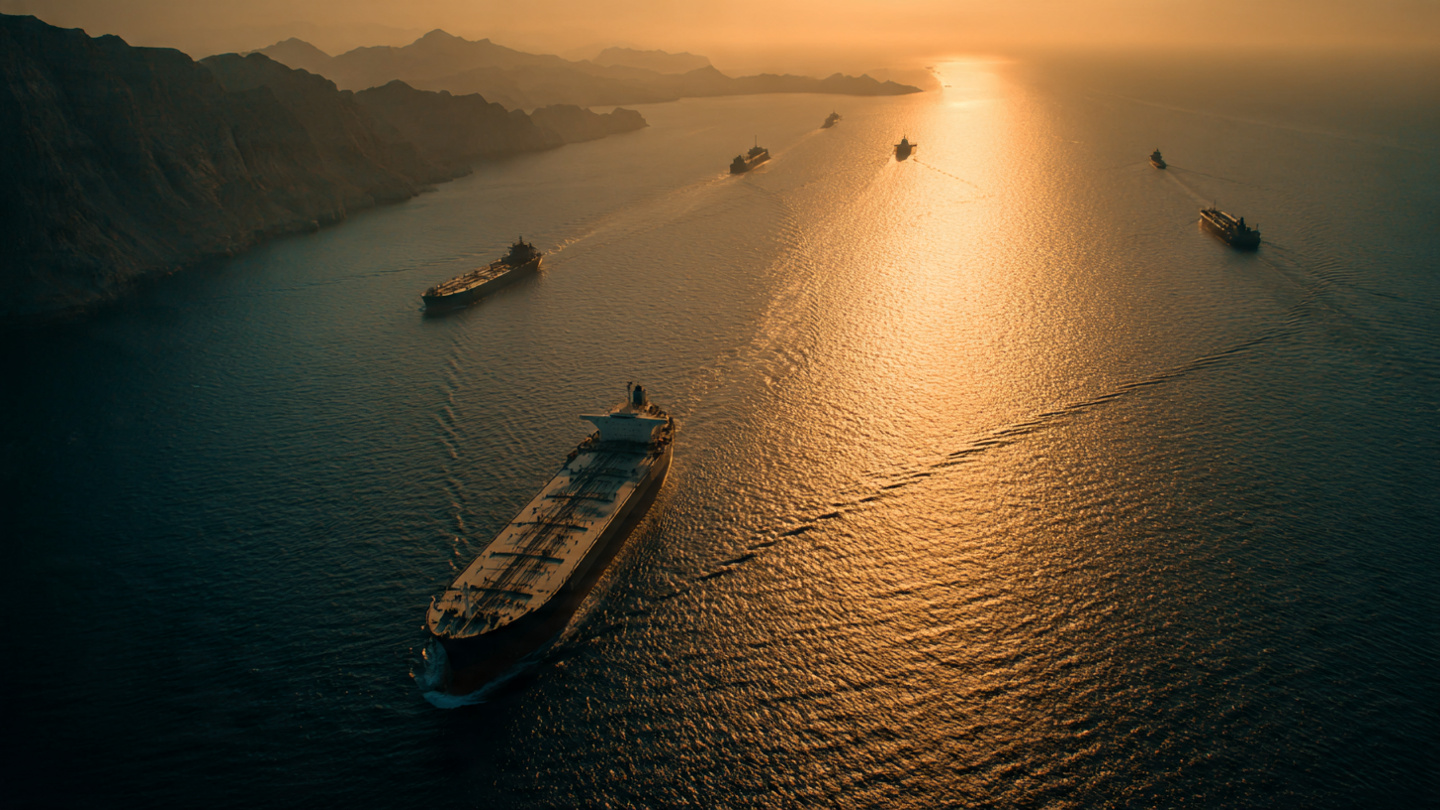
If the shipping environment through Hormuz becomes more stable, even temporarily, the benefits would be broad. Gulf exporters gain smoother access to customers. Asian importers get more predictable delivery windows. Shipping firms can plan routes with less risk. Consumers globally may feel some relief if energy prices stabilize rather than spike.
Still, the benefits are uneven. Some producers outside the Gulf can profit when Middle East risk pushes prices higher. Likewise, traders positioned for volatility may gain from sudden swings. That is why market reactions are rarely simple celebrations of peace or panic over danger. Different players have different exposures.
- Winners from stability: Import-dependent economies, airlines, refiners, logistics firms, and consumers.
- Potential beneficiaries of volatility: Some non-Gulf producers, opportunistic traders, and firms hedged for price swings.
- Most exposed to uncertainty: Tanker operators, insurers, and businesses with tight energy margins.
This dynamic also explains why investors monitor not only oil futures but tanker rates, sovereign statements, and insurer guidance. The real signal is often found in how the wider ecosystem responds, not just in the headline price of crude.
What Businesses and Investors Should Watch Next
The next phase is less about one statement and more about what follows it. If passage through the Strait of Hormuz becomes measurably smoother over several days or weeks, markets may begin to lower some of the embedded risk premium. If new tensions emerge, then the latest remarks may be remembered as a brief pause rather than a turning point.
Here are the indicators that matter most:
- Tanker traffic patterns: Are voyages increasing, and are delays or reroutings falling?
- Insurance pricing: Do war risk premiums ease or stay elevated?
- Official confirmation: Do governments or shipping authorities validate the operational claims?
- Military posture: Are naval deployments, threats, or interceptions increasing?
- Oil market reaction: Are price moves sustained, or do they fade as skepticism returns?
For business leaders, the lesson is straightforward. Do not read this story only as political theater. It has direct implications for procurement costs, inflation planning, and supply chain resilience. For investors, the main question is whether this is a credible de-escalation signal or simply a volatile headline event.
Readers who follow energy markets closely know that some of the biggest moves begin with uncertainty rather than certainty. The companies that manage those periods best are usually the ones that prepare before conditions become fully clear.
Conclusion: A Narrow Strait With Outsized Power
The latest comments about Iran, additional oil ships, and the Strait of Hormuz remind us of a basic truth: a narrow waterway can exert enormous influence over the global economy. Whether Trump's claim reflects a meaningful opening or a temporary political message, it has already done one important thing. It has put global oil trade and Middle East shipping security back at the center of market attention.
The core issue is not just whether 20 more ships pass safely. It is whether the broader environment becomes more predictable, less confrontational, and more credible to the industries that depend on it. Stable energy markets are built on trust in passage, trust in policy, and trust that rhetoric will not suddenly become action.
If you want to understand where oil prices, tanker risk, and business sentiment may head next, keep your focus on Hormuz. Watch the shipping data. Watch the policy signals. And above all, watch whether words are followed by consistent behavior. That is where the real market story begins.
Call to action: If you track oil, trade, or macroeconomic risk, now is the time to follow developments in the Strait of Hormuz closely. A single political statement can move markets for a day. A sustained shift in maritime security can reshape the business outlook for months.


