The Kuwaiti oil tanker attack near Dubai is more than a breaking-news headline. It is a sharp reminder of how quickly maritime violence can threaten trade, energy prices, environmental safety, and regional confidence all at once. When a tanker carrying strategic cargo is reportedly set ablaze and its hull is damaged off one of the world’s most important shipping corridors, the consequences stretch far beyond the vessel itself.
From my perspective, incidents like this always reveal two realities at the same time. First, global commerce still depends on physical chokepoints, exposed sea lanes, and human crews operating in unpredictable conditions. Second, markets often react not only to what has happened, but to what might happen next: a wider security escalation, tighter insurance rules, slower shipping traffic, or the possibility of an oil spill affecting sensitive coastal waters.
That is why this story matters to investors, shipping operators, policymakers, and ordinary consumers alike. A fire at sea is dramatic. A damaged hull is dangerous. But the bigger issue is what this attack says about the fragility of energy logistics in the Gulf.
Why the Tanker Attack Near Dubai Matters
The waters off Dubai sit close to one of the busiest and most strategically important maritime regions in the world. Tankers moving through the Gulf and nearby routes carry enormous volumes of crude oil, refined fuels, and petrochemical products. Any attack in this zone instantly raises concern across the shipping industry.
A tanker attack off Dubai matters for several reasons. The first is simple geography. The Gulf is tied to critical export infrastructure, refining networks, and global energy demand. The second is economic psychology. Markets do not need a full-scale disruption to become nervous; they only need a credible sign that future disruption is possible. The third is environmental risk. Once the hull of an oil tanker is damaged, even a limited breach can create a major cleanup challenge.
- Energy security: Tanker routes in the Gulf are essential to global crude supply.
- Freight risk: Maritime attacks can increase insurance costs and reroute ships.
- Environmental danger: Hull damage can trigger an oil spill or fuel leakage.
- Market volatility: Oil prices often react quickly to regional security threats.
- Operational disruption: Port schedules, inspections, and naval monitoring may intensify.
Even if the vessel remains afloat and the fire is contained, the event sends a message to every charterer, ship owner, insurer, and government official watching Gulf shipping traffic.
What We Know About the Incident
The Reported Attack and Fire
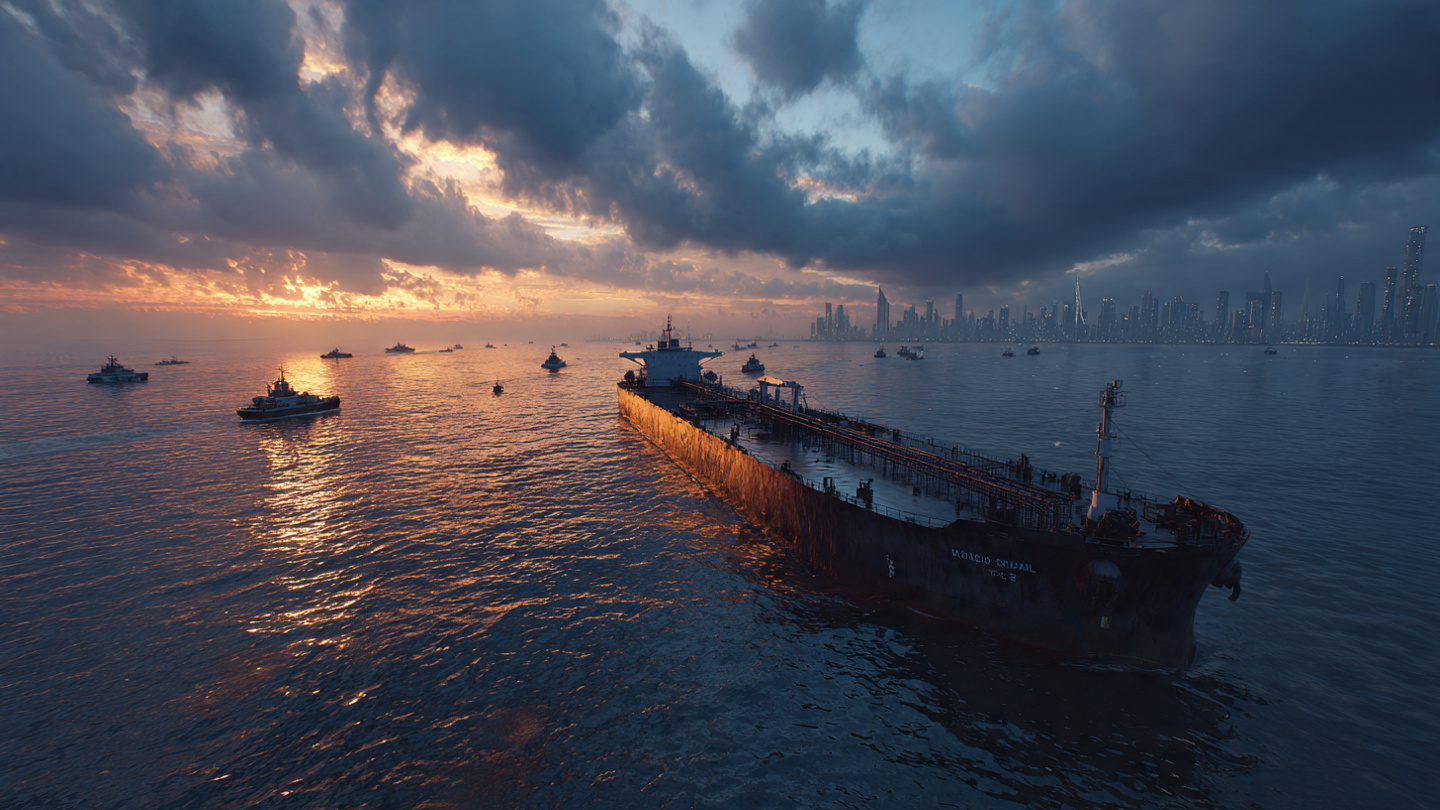
According to the available account, the vessel was attacked off the coast of Dubai and subsequently set ablaze. The owner stated that the hull was damaged, raising concern that the structural integrity of the tanker may have been compromised. In maritime terms, that detail is critical. Fire damage alone is serious, but hull damage introduces the possibility of cargo loss, instability, contamination, and an unfolding environmental hazard.
For shipping professionals, the phrase “damage to the hull” is never minor. It points to the part of the ship that separates hazardous cargo from open water. If that barrier is weakened, response teams must act quickly to inspect the extent of the breach, stabilize the ship, reduce fire risk, and prevent leakage.
The Oil Spill Concern
The owner’s warning that the incident could cause an oil spill is what transforms the event from a security story into a broader business and environmental emergency. Oil spills do not need to be massive to be costly. A relatively localized leak can disrupt marine life, trigger expensive containment efforts, delay nearby operations, and create reputational damage for multiple stakeholders.
In practical terms, once spill risk enters the picture, several urgent questions follow:
- Was the cargo tank breached, or only the outer hull?
- How much fuel or crude was onboard at the time of the attack?
- Are weather and sea conditions favorable for containment?
- How close is the vessel to major shipping lanes or coastal assets?
- What emergency response capacity is available nearby?
Those questions shape how serious the aftermath could become.
The Gulf’s Strategic Importance to Global Energy Markets
To understand why this incident commands such attention, it helps to step back and look at the wider energy system. The Gulf is not just another shipping zone. It is one of the most vital arteries in the global oil trade. Tankers moving in and out of the region connect producers to refineries and consumers across Asia, Europe, and beyond.
When security deteriorates in this region, the effects can be immediate. Traders may price in a geopolitical premium. Shipping companies may review voyage planning. Insurers may raise war-risk assessments. Governments may issue maritime advisories or increase naval patrols. What begins as a single event can ripple outward into supply chain calculations around the world.
I have long believed that one of the least appreciated aspects of global business is how much depends on invisible continuity. Consumers see prices at the pump. Investors watch crude benchmarks. But behind those numbers is a continuous chain of marine transit, risk assessment, fuel transfer, inspections, and route security. Break one link, and the entire system becomes more expensive and less predictable.
Why Dubai’s Nearby Waters Draw Global Attention
Dubai’s coastal position places it near heavily traveled commercial sea lanes. While the emirate itself is associated with logistics, finance, and trade, the surrounding maritime environment also sits within a broader regional security framework. An incident involving a Kuwaiti oil tanker near this area can therefore affect confidence at multiple levels, from ship scheduling to commodity pricing.
This is particularly true when markets are already sensitive to geopolitical uncertainty. In that environment, a single maritime attack can reinforce fears about escalation, retaliation, or copycat disruptions.
Business Fallout: Shipping, Insurance, and Oil Prices
Shipping Costs Could Rise
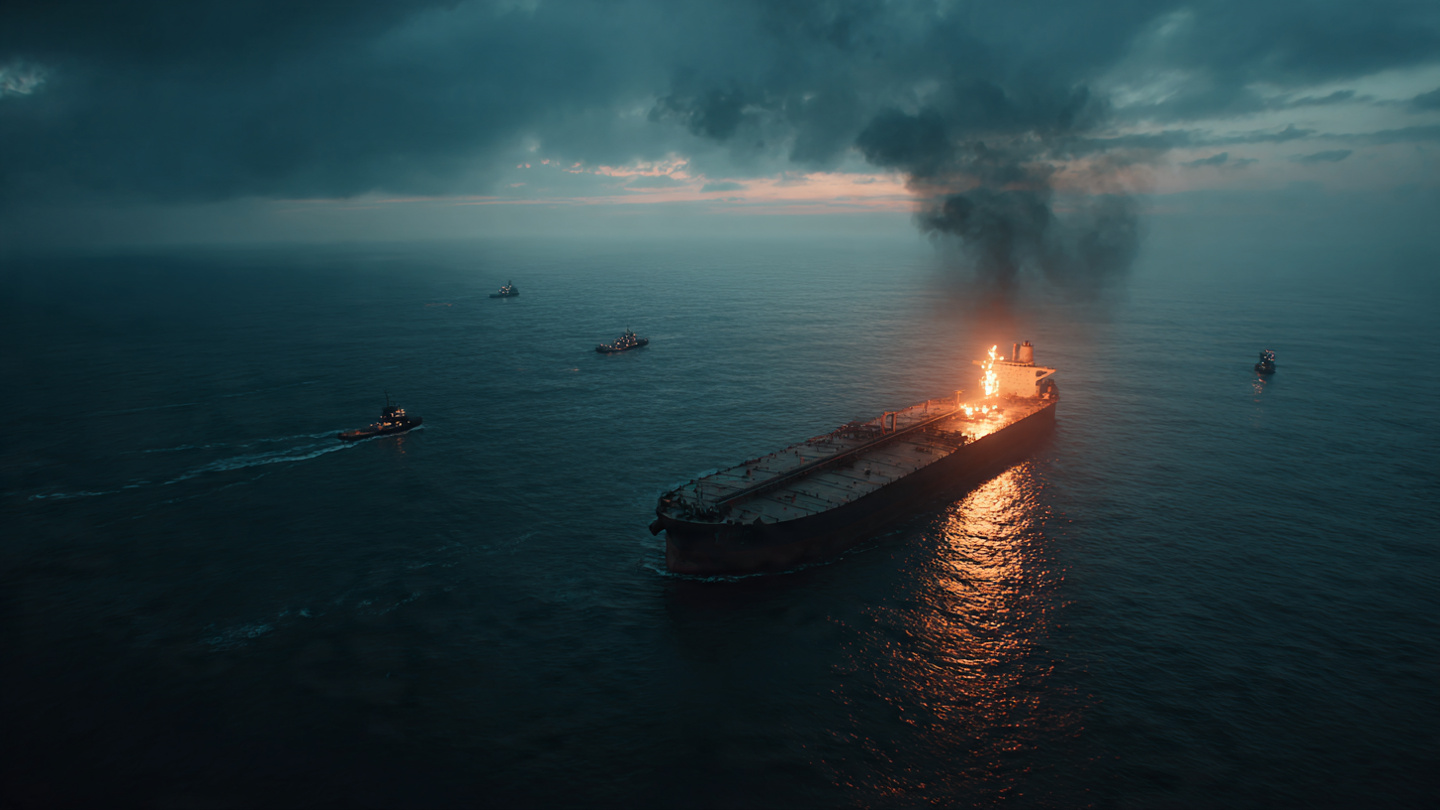
Whenever a tanker is attacked in a sensitive region, shipping operators immediately review exposure. Even before formal policy changes occur, the commercial tone shifts. Captains may receive new route instructions. Operators may delay departures pending further security guidance. Charterers may favor vessels with stronger onboard protection or specific transit protocols.
These reactions increase cost, and cost eventually moves through the market.
- Higher insurance premiums for vessels crossing the area
- Longer transit times if ships reroute or wait for escorts
- Added compliance costs for inspections and risk documentation
- Potential freight surcharges passed on to cargo buyers
In the energy business, shipping efficiency matters almost as much as production volume. A cargo delayed at sea can affect refinery timing, storage planning, and contract performance downstream.
Oil Markets May Price in Risk Fast
Oil prices do not need an actual supply shortage to move upward. Perceived risk is often enough. If traders believe attacks on tankers could continue, crude benchmarks may rise on the expectation of future disruption. That is especially likely when the threat touches a region closely linked to seaborne oil exports.
At the same time, not every attack produces a lasting price spike. Market reaction depends on scale, clarity, and follow-through. If authorities contain the situation quickly, confirm limited damage, and reassure commercial traffic, the price impact may fade. But if the attack becomes part of a pattern, then the market may begin treating Gulf transit risk as a more durable factor.
Environmental Stakes: The Cost of a Damaged Hull
The environmental dimension deserves as much attention as the security angle. A damaged tanker hull can place marine ecosystems, fisheries, tourism zones, and port operations under threat. Oil disperses unevenly, and cleanup becomes more complicated when currents, weather, and vessel stability remain uncertain.
The public often imagines oil spills only in catastrophic terms, but even limited releases can have meaningful consequences. Shoreline contamination, disruption to fish habitats, and damage to local marine species can impose economic costs long after headlines fade.
From a business standpoint, environmental incidents also create a cascade of liabilities:
- Emergency containment and salvage expenses
- Potential fines and legal claims
- Cleanup contracts and long-term monitoring costs
- Losses tied to delayed cargo delivery
- Reputational damage for owners and operators
That is why the mention of possible hull-related leakage is not a side note. It is central to understanding the seriousness of the incident.
Why Early Response Is Critical
If there is one practical lesson from maritime emergencies, it is that timing shapes outcomes. Rapid containment, accurate damage assessment, and coordinated emergency response can reduce both financial and ecological harm. The first hours after an attack are often decisive. Crews must contain fire risks, protect personnel, communicate with authorities, and preserve the vessel’s buoyancy and cargo integrity.
In cases involving possible spills, every delay matters. Response teams need to know whether they are dealing with a surface leak, internal structural weakness, or a broader casualty risk requiring towage, cargo transfer, or exclusion zones.
Regional Security and the Wider Geopolitical Signal
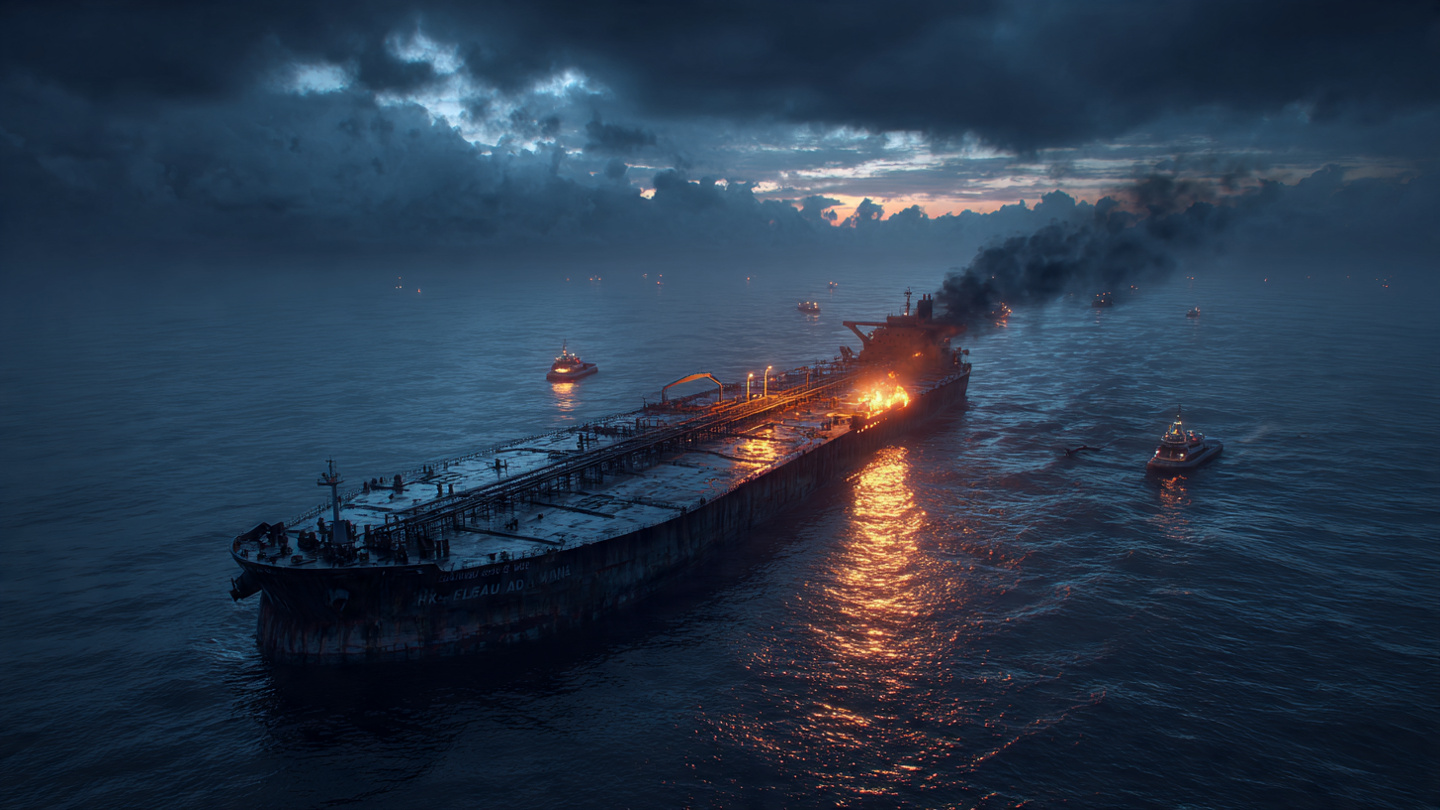
An attack on a tanker in Gulf waters is rarely interpreted in isolation. It immediately raises wider geopolitical questions. Was this a targeted strike, opportunistic sabotage, piracy-style violence, or part of a deliberate strategy to intimidate shipping? Until those questions are answered, uncertainty itself becomes part of the threat.
Regional governments, naval forces, and commercial stakeholders are likely to intensify monitoring. That may include more visible patrols, revised security advisories, and stronger coordination between public authorities and private shipping firms. These measures can help restore confidence, but they also underline the seriousness of the event.
For businesses exposed to Gulf trade, this is the moment to review risk concentration. Overreliance on a narrow corridor, weak contingency planning, or limited insurance flexibility can become costly very quickly when the maritime environment hardens.
What Companies Should Be Watching Now
Companies with exposure to energy logistics, marine insurance, port operations, or commodity trading should closely monitor:
- Official findings on the cause and method of attack
- Updates on vessel stability and spill prevention
- Changes in insurance advisories and war-risk pricing
- Any signs of repeated incidents in nearby waters
- Government or naval responses affecting transit rules
These indicators will reveal whether the event remains a serious but isolated incident or marks a more disruptive shift in regional maritime security.
What This Means for Readers Beyond the Shipping Industry
It is easy to see a story like this as distant, technical, or relevant only to oil executives and naval analysts. In reality, maritime disruptions can touch everyday life faster than many people expect. Higher shipping costs can feed into fuel prices. Market instability can influence inflation expectations. Environmental incidents can affect fisheries, coastal economies, and tourism. In other words, what happens to one tanker at sea can eventually show up in household budgets and broader economic sentiment.
This is one reason I think stories about shipping security deserve more public attention. We live in an economy that feels digital, instant, and abstract, but its foundations are still deeply physical. Steel hulls, narrow waterways, volatile regions, and skilled crews remain at the heart of global trade.
Conclusion: A Warning Sign the Market Cannot Ignore
The Kuwaiti oil tanker attack near Dubai is not simply a dramatic regional incident. It is a warning sign about the vulnerability of the world’s energy arteries, the cost of maritime insecurity, and the environmental stakes attached to every damaged tanker hull. Whether the immediate fallout remains contained or expands into a larger security concern, the message is already clear: critical shipping routes remain exposed, and the consequences of disruption can move quickly across markets and coastlines.
For investors, this means watching energy and shipping indicators more closely. For businesses, it means strengthening contingency planning. For policymakers, it means recognizing that maritime security and environmental protection are inseparable. And for readers trying to make sense of events like this, it means understanding that global trade is only as resilient as the routes that carry it.
Stay alert to developments in Gulf shipping, energy markets, and maritime security. The next update may determine whether this remains an isolated attack or becomes part of a much larger story with global economic consequences.


