Dubai has long sold a powerful idea to the world: come here, work hard, live well, and stay insulated from the chaos that often defines the wider Middle East. For millions of expats, entrepreneurs, investors, and tourists, that promise has felt real. The skyline rises. Flights arrive on time. Restaurants stay full. Deals close at midnight. Even when the region trembles, Dubai has traditionally projected one message with unusual discipline: life goes on.
But war changes the emotional temperature of a place, even when bombs are not falling on its streets. It changes how travelers book holidays, how global companies assess risk, how foreign workers talk to their families back home, and how investors price confidence. The question is no longer whether Dubai can keep operating during regional conflict. It usually can. The deeper question is whether the Dubai Dream, the carefully cultivated image of prosperity, safety, and upward mobility, can retain its shine when the region around it feels increasingly unstable.
From a personal perspective, that is what makes Dubai so fascinating. Few cities are better at turning uncertainty into momentum. Yet few cities are also so dependent on perception. In Dubai, confidence is not just a mood; it is part of the economic model. That is why war in the region matters even when the city remains outwardly calm.
The Promise Behind the Dubai Dream
The rise of Dubai was never just about luxury hotels or record-breaking towers. At its core, the city offered a bargain that appealed to global ambition. In exchange for long working hours, high living costs, and a fast-paced culture, residents gained access to something many could not find at home: security, tax efficiency, career mobility, and lifestyle convenience.
For professionals from Europe, South Asia, Africa, and the wider Arab world, Dubai became a place where effort could be converted into visible progress. For tourists, it was marketed as a polished, sun-soaked destination with premium infrastructure and minimal friction. For companies, it became a strategic bridge between East and West, linking capital, logistics, aviation, finance, and real estate in one highly connected hub.
Why the City Became a Magnet for Global Talent
Dubai did not become a global city by accident. It understood earlier than many competitors that mobility would define modern wealth. It built airports before others grasped the scale of international travel demand. It created free zones that appealed to foreign businesses. It invested heavily in hospitality, property, and branding. Most importantly, it convinced outsiders that it was a safe haven in a volatile region.
That last point matters more than ever today. Dubai was never marketed as a place detached from the Middle East. It was marketed as the best possible version of it: dynamic, cosmopolitan, and buffered from instability. This reputation allowed it to attract people who wanted access to the region without wanting to absorb all its risks.
How War Challenges Dubai's Carefully Built Image
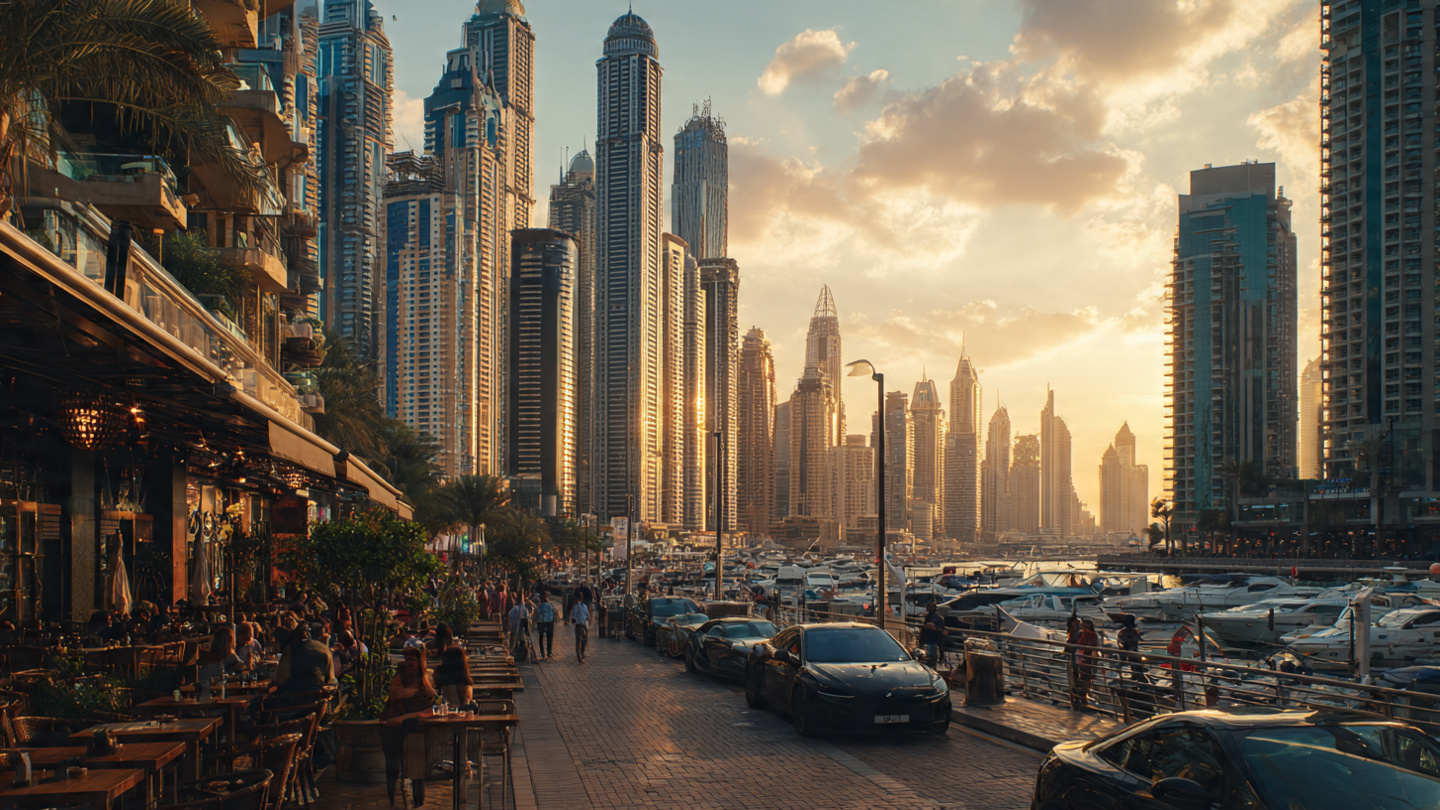
Regional conflict does not need to directly disrupt Dubai's streets to affect its standing. Modern cities compete as much on narrative as on infrastructure. A city can remain functional while still becoming harder to sell to cautious travelers, multinational employers, and anxious families.
That is the central tension facing Dubai during war in the region. On the ground, offices may still be open and beach clubs may still be busy. In global headlines, however, nuance often disappears. Distant audiences see maps, missiles, retaliation, and military escalation. Geography becomes compressed. To someone booking a family holiday from London, Mumbai, or New York, the distinction between one Middle Eastern city and another may suddenly feel less precise than it should.
Perception Can Hurt Before Reality Does
Dubai's economy is unusually exposed to sentiment. Tourism depends on confidence. Real estate depends on expectations. Financial flows depend on trust. Premium consumption depends on the belief that the future is stable enough to justify spending now.
This does not mean Dubai is fragile. In fact, one of the city's strengths is that it is designed to absorb shocks better than many assume. But a reputation built on exceptional stability can become more sensitive to headlines than a reputation built on resilience alone. When the core brand is safety and seamlessness, even small cracks in perception matter.
There is also a psychological layer. Residents may continue their routines while quietly recalculating risk. A parent may wonder how long to stay. A startup founder may postpone hiring. A tourist may switch from a two-week holiday to a shorter trip. A property buyer may wait one more quarter before signing. None of these decisions creates instant panic, but together they shape the city's economic weather.
What Residents Often Mean When They Say Life Goes On
One of the most striking features of Dubai is its operational normalcy. Even during tense geopolitical periods, daily life can look remarkably unchanged. Malls are active. Schools are open. New restaurants launch. Traffic remains relentless. Social calendars stay full. To outsiders, this can appear surreal. To residents, it can feel both reassuring and slightly unreal.
Routine Is Part of the City's Survival Strategy
In practical terms, many Dubai residents respond to regional conflict by doubling down on routine. They go to work, renew leases, take weekend trips, and keep spending within reason. This is not necessarily denial. Often, it is a rational adaptation. In a city built on momentum, stopping can feel more dangerous than continuing.
There is also a distinctly expatriate mindset at play. Many residents in Dubai are used to evaluating opportunity against uncertainty. They have moved countries before. They understand trade-offs. They may feel concern, but concern does not automatically translate into departure. For many, the calculation remains simple: if jobs are stable, infrastructure is secure, and the city itself remains calm, staying still makes sense.
Private Anxiety Can Exist Alongside Public Confidence
That said, the phrase life goes on can hide a more complicated reality. Conversations in private often sound different from public optimism. People check flight routes more carefully. They watch oil prices. They follow diplomatic statements. Some quietly move savings. Others create backup plans, just in case. This is especially true for residents with children, elderly parents abroad, or businesses tied to tourism and trade.
In that sense, Dubai during regional war can feel like two cities at once. There is the visible city of brunches, launches, and uninterrupted services. Then there is the invisible city of risk management, contingency planning, and low-level emotional fatigue. Both are real, and understanding both is essential to understanding the future of the Dubai Dream.
Why Dubai's Economy Often Keeps Moving
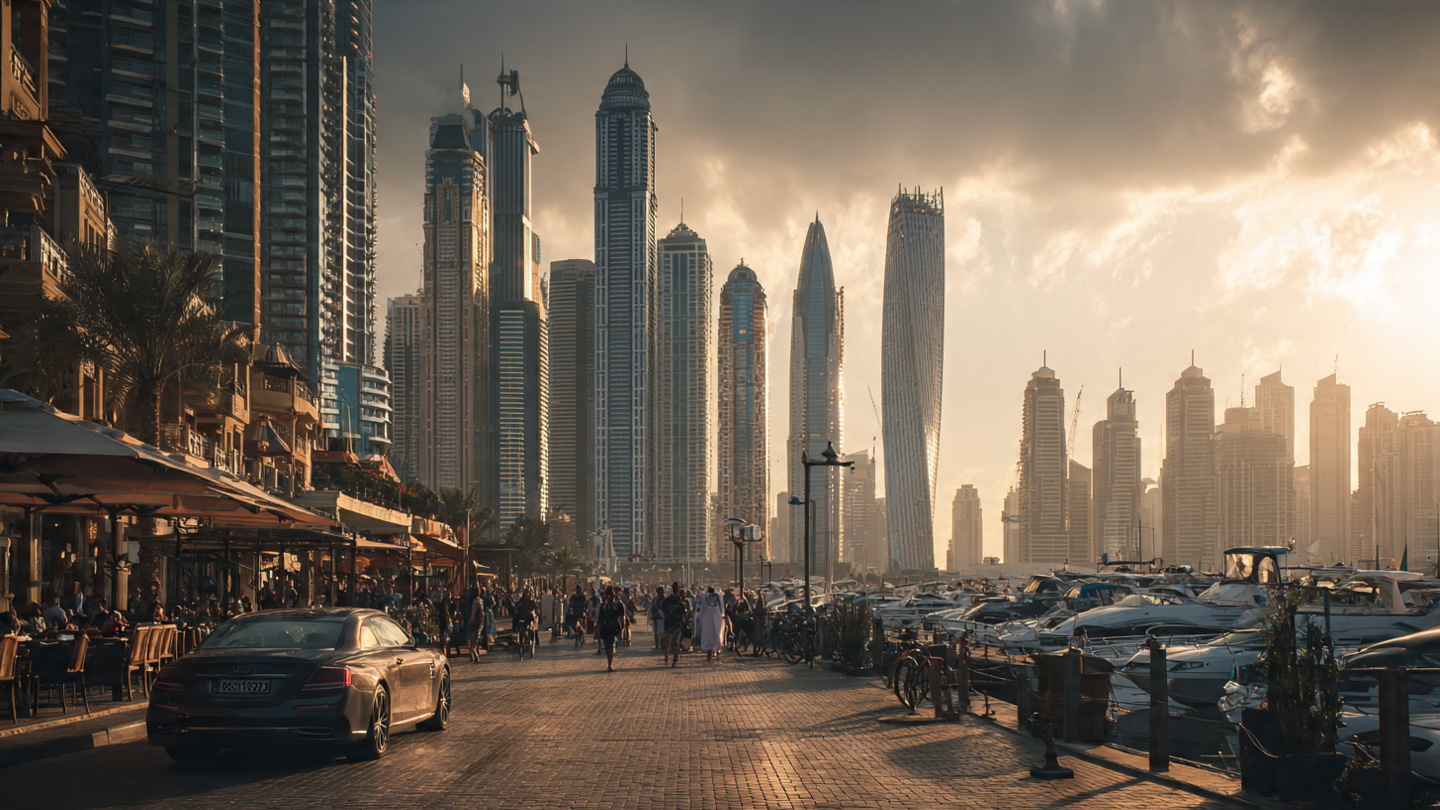
For all the concerns, there are hard reasons Dubai has remained resilient through past regional tensions. The city is not supported by one industry alone. Its strength lies in diversification, speed, and institutional habit. It knows how to keep commerce flowing.
The Engines That Support Resilience
Several sectors help Dubai withstand geopolitical shocks better than many observers expect:
- Tourism and hospitality continue to attract visitors seeking luxury, sunshine, and convenience, especially when global travel demand remains strong.
- Aviation and logistics give Dubai outsized strategic value, connecting trade routes across Europe, Asia, and Africa.
- Real estate often benefits from capital seeking politically stable jurisdictions with premium assets and international appeal.
- Financial services draw regional and global money looking for efficiency, legal structure, and access to fast-moving markets.
- Professional migration keeps feeding the labor market as skilled workers choose Dubai for tax advantages and career growth.
These pillars matter because they create a reinforcing cycle. Tourists boost retail and hospitality. Strong aviation supports business travel. Business travel supports investment. Investment supports property demand. Property demand supports construction, services, and consumer spending. In short, Dubai is more than a postcard economy. It is a deeply networked commercial ecosystem.
There is another advantage: the city's leadership has spent years refining the art of confidence management. Messaging, policy adjustments, visa reforms, and business incentives can be deployed quickly to reassure residents and investors. That speed is one reason Dubai often looks steadier than many slower, more bureaucratic competitors.
The Hidden Costs of Living Near Conflict
Resilience, however, should not be confused with immunity. Even if Dubai avoids direct disruption, war in the region can still create meaningful pressure points.
Rising Costs, Cautious Consumers, and Delayed Decisions
One obvious pressure is cost. Regional conflict can affect energy markets, shipping routes, and insurance premiums. Businesses that rely on imports, travel, or international supply chains may face higher expenses. Those costs eventually filter into consumer prices, business margins, and hiring decisions.
Another issue is timing. In an uncertain climate, people still spend, invest, and travel, but often more selectively. Someone who planned to upgrade apartments may renew instead. A company that intended to expand headcount may wait until the next quarter. A tourist may choose a shorter stay with a tighter budget. These shifts are subtle, yet economically significant.
There is also reputational drag. Dubai thrives when it is seen as frictionless. War introduces friction, even if mostly psychological. It gives competitors an opening. Other cities can position themselves as lower-risk alternatives for capital, conferences, talent, or family relocation. Dubai does not lose its appeal overnight, but it may have to work harder to maintain the same premium.
The Emotional Economy Matters Too
Economic analysis often overlooks emotional endurance. Yet in a city full of expatriates, emotion can influence labor mobility. If talented workers begin to feel that the region's risk is becoming too heavy a burden, some will leave, and others may decline job offers in the first place. That does not produce immediate collapse, but it can soften momentum at the edges.
This is particularly relevant for families and mid-career professionals. Single workers may accept uncertainty more readily if the income upside is strong. Families tend to make slower, more cautious decisions. Their threshold for long-term confidence is different. If enough of them start asking whether Dubai is still the ideal place to build the next decade of life, the city will need more than glittering skylines to answer them.
Can the Dubai Dream Still Survive?
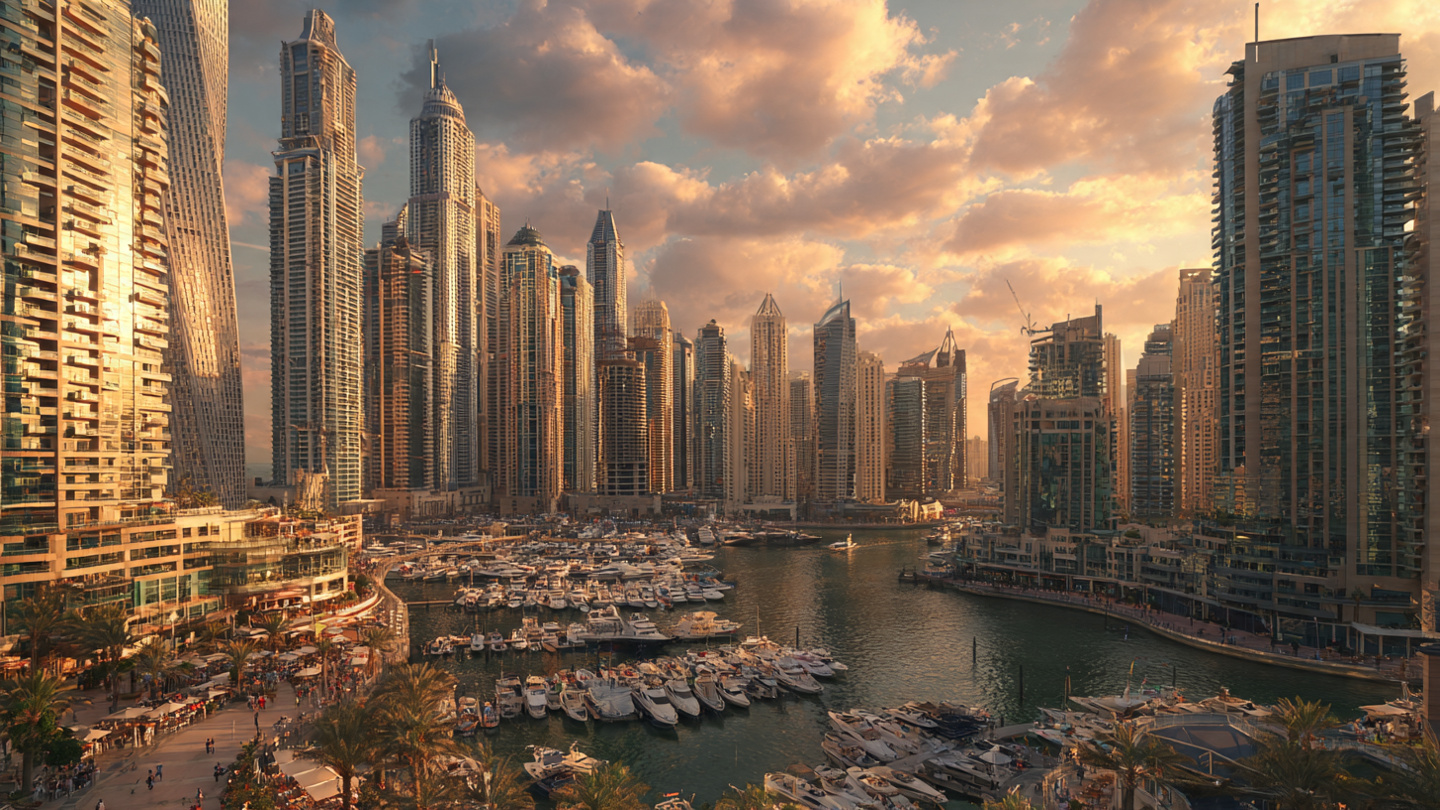
The honest answer is yes, but not automatically. The Dubai Dream survives when the city continues to deliver what people came for: predictability, opportunity, mobility, and quality of life. If those fundamentals remain intact, war in the region may bruise confidence without breaking it. But survival depends on more than keeping shopping malls open and airports busy. It depends on preserving trust.
What Still Works in Dubai's Favor
- Institutional competence keeps services functioning and helps the city project calm under pressure.
- Global connectivity gives Dubai a role in trade and finance that is difficult to replace quickly.
- Brand strength remains powerful, especially among repeat visitors, investors, and long-term expats.
- Policy flexibility allows authorities and businesses to adapt faster than many regional peers.
- Habitual resilience means residents and companies are already practiced in operating amid uncertainty.
What Could Still Undermine the Dream
- Escalating regional conflict could compress geography in the minds of travelers and markets.
- Sustained fear could weaken tourism demand, conference traffic, and discretionary spending.
- Higher operating costs could pressure businesses, especially smaller firms with thin margins.
- Talent hesitation could make it harder to attract families and long-term professionals.
- Perception gaps could widen if global audiences stop believing Dubai is insulated from regional volatility.
In other words, the Dubai Dream is not a myth, but it is not permanent either. It is a living contract between the city and the people who choose it. As long as Dubai keeps honoring that contract better than rival destinations do, it will remain compelling. If that contract weakens, even modestly, the change will show up first in sentiment, then in numbers.
What It Means for Expats, Investors, and Travelers
For anyone watching Dubai closely, this is the practical takeaway: avoid extremes. It is too simplistic to say the city is unaffected, and it is equally misleading to suggest the dream is over. The reality is more nuanced and more useful. Dubai is still functioning as a major business and lifestyle hub, but people are judging it through a sharper lens.
Expats should focus on job stability, savings discipline, and realistic contingency planning. Investors should watch demand quality, not just headline growth. Travelers should distinguish between regional anxiety and actual on-the-ground conditions. Businesses should pay close attention to consumer sentiment, not merely foot traffic.
The city has repeatedly shown that it can absorb tension and keep moving. What matters now is whether it can keep doing so while preserving the sense of confidence that made it exceptional in the first place.
Conclusion: The Dream Endures, but It Must Keep Earning Belief
The Dubai Dream can survive war in the region, but survival in this case does not mean standing still. It means adapting faster than fear spreads. It means proving, day after day, that stability is not just a slogan but a lived experience. For residents, that proof appears in functioning systems, secure routines, and economic opportunity. For outsiders, it appears in confidence, credibility, and consistency.
Dubai has always been more than a city of spectacle. At its best, it is a city of disciplined reinvention. That is why so many residents still believe life goes on. Not because the risks are imaginary, but because the city has built a culture around outlasting them.
If you are evaluating Dubai today, look beyond the headlines and beyond the marketing. Study the signals that matter: business activity, migration patterns, travel confidence, housing behavior, and the mood of the people who actually live there. That is where the future of the Dubai Dream will be decided. If this topic matters to you, keep following the shifts shaping Dubai's economy, expat life, and regional outlook, because the next chapter will be written not only by conflict, but by how the city responds to it.


