Hook: Few economic shocks are felt as quickly as a jump at the fuel pump. One week, commuting, food deliveries, and electricity bills seem manageable; the next, households are recalculating every trip, every purchase, and every monthly payment. Rising oil prices do not stay confined to energy markets. They spill into transport, food, manufacturing, inflation, and public confidence. That is why governments rarely stay on the sidelines for long.
Across the world, policymakers are using a mix of short-term relief and longer-term strategy to soften the blow. Some countries are capping prices, others are cutting taxes, subsidizing fuel, or expanding public transport. In more severe cases, governments are rationing supply or prioritizing key sectors. I have always found energy policy fascinating because it reveals something essential about a country: what it protects first, who gets support fastest, and how prepared leaders are when global markets turn volatile.
This matters not only to economists and investors but also to ordinary readers trying to understand why bus fares, groceries, and utility bills keep moving in the wrong direction. The real question is not just how countries are responding to rising oil prices, but which responses work, which only delay the pain, and what households and businesses should watch next.
Why Rising Oil Prices Hit So Hard
Oil remains deeply embedded in the modern economy. Even in countries making progress on clean energy, petroleum still plays a central role in transportation, logistics, aviation, shipping, petrochemicals, and agriculture. When crude prices climb sharply, the effects move through supply chains with surprising speed.
For consumers, the most visible impact is at petrol and diesel stations. But the secondary effects are often more damaging. Inflation rises as transport costs increase. Businesses face higher distribution expenses. Airlines raise fares. Farmers pay more for fuel and fertilizer. Retailers pass along added costs. In low-income households, where energy and transport take up a larger share of monthly spending, the squeeze becomes immediate.
Governments intervene because fuel price spikes can quickly become political crises. Public frustration grows when people believe market forces are outpacing wages, or when price rises appear sudden and unfair. That pressure explains why countries often act fast, even if their policies are imperfect.
- Direct impact: higher petrol, diesel, and heating costs for households
- Indirect impact: more expensive food, freight, flights, and manufactured goods
- Policy pressure: central banks, finance ministries, and transport agencies all face rising demands
- Social risk: lower-income communities feel the burden first and most intensely
The Main Ways Governments Respond
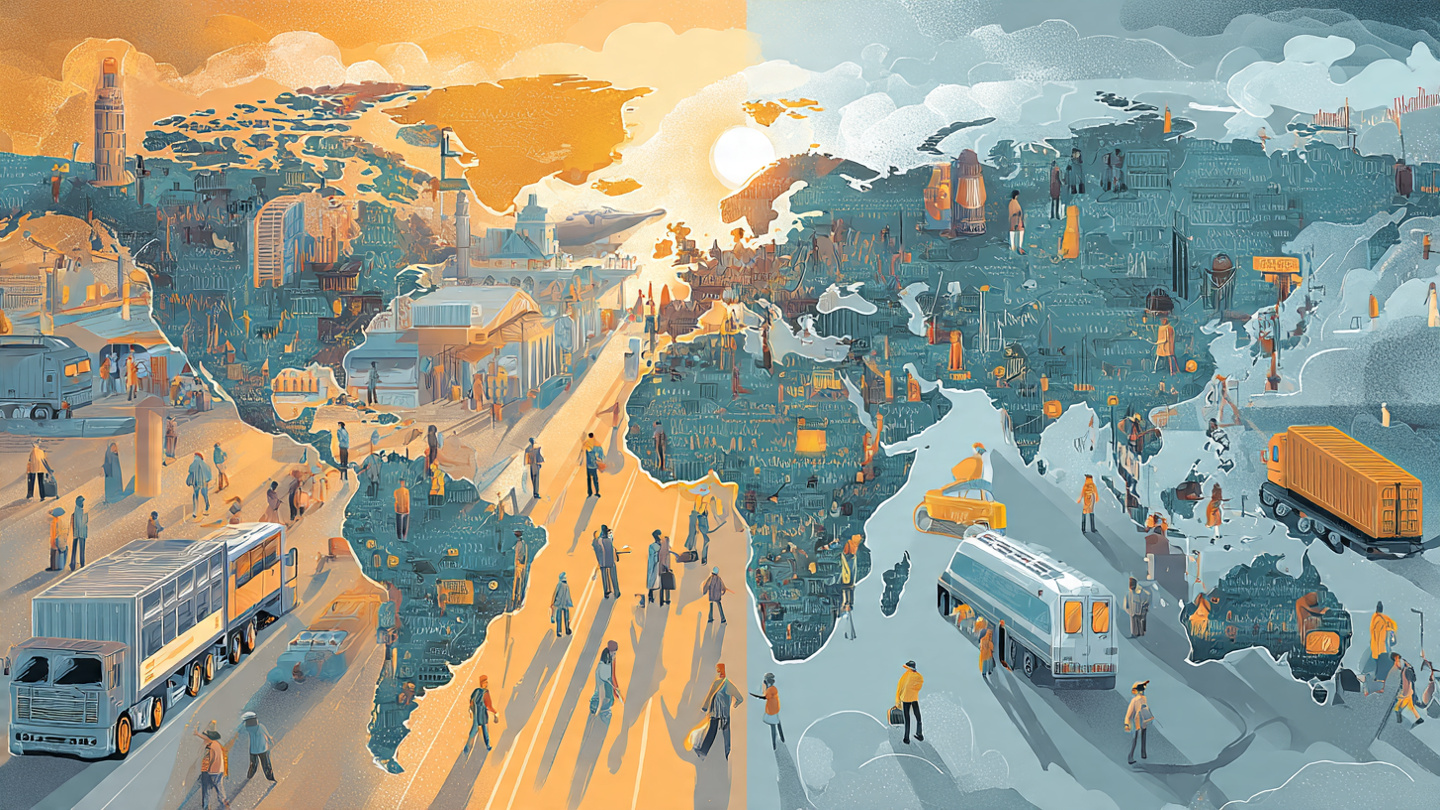
Although each country has its own political and fiscal constraints, most responses to an oil price shock fall into a few recognizable categories. The difference lies in scale, timing, and who benefits most.
Fuel Subsidies and Price Controls
One of the most common responses is to subsidize fuel directly or cap the retail price consumers pay. This is politically attractive because it creates immediate relief and sends a clear message that the government is stepping in. Countries that already manage domestic fuel prices often lean on this model first.
The advantage is obvious: motorists, transport operators, and small businesses feel the benefit quickly. The downside is that subsidies are expensive and can distort demand. When governments artificially suppress prices for too long, they strain public finances and may encourage overconsumption at exactly the wrong time.
In some economies, broad fuel subsidies also help wealthier households more than poorer ones, simply because higher-income consumers often drive more and own multiple vehicles. That is why many economists prefer targeted support over universal price suppression.
Tax Cuts on Fuel
Another popular move is reducing fuel taxes or suspending certain duties temporarily. This can lower retail prices without imposing a formal price cap. It is often presented as a flexible measure that can be reversed when markets stabilize.
Tax cuts are easier to explain politically than complex subsidy systems, but they have trade-offs too. They reduce government revenue just when states may need more money for social support, transport subsidies, or inflation relief. And if global oil prices keep climbing, tax cuts may only soften a fraction of the increase.
From a practical standpoint, this is like trying to absorb a wave with a smaller bucket. It helps, but it rarely solves the full problem when global markets remain tight.
Free or Discounted Public Transport
Some governments and city administrations respond by making buses, trains, or metro systems cheaper, or in rare cases temporarily free. This approach has two benefits: it eases pressure on household budgets and nudges people away from private car dependence.
This is one of the more strategic tools available because it addresses both affordability and energy consumption. Lower fares can encourage commuters to shift habits, especially in urban areas where public transit is already functional. Of course, the model works best in places with reliable networks. Free buses sound generous, but if routes are sparse or overcrowded, the policy will not meaningfully reduce fuel demand.
I tend to view transit support as one of the smartest forms of crisis relief because it can leave a useful legacy. A subsidy on petrol disappears with the next price move. Better public transport can keep paying off for years.
Cash Transfers and Targeted Support
Rather than lowering fuel prices for everyone, some governments send direct cash payments to vulnerable households, low-income workers, farmers, or transport operators. This targeted model is increasingly attractive because it can protect those most in need without subsidizing unnecessary consumption.
Targeted support is fiscally more efficient, but it requires administrative capacity. Governments must know who qualifies, how to deliver funds quickly, and how to prevent delays or fraud. In countries with strong digital payment systems, this can be highly effective. In others, implementation becomes the biggest challenge.
Fuel Rationing and Priority Allocation
When shortages threaten supply stability, some states go beyond price measures and restrict access. Fuel rationing may involve purchase limits, digital quotas, or priority channels for public transport, emergency services, food supply chains, and essential industries.
Rationing is usually a sign that authorities are dealing with both price stress and physical supply risk. It is disruptive, but it can prevent panic buying and ensure hospitals, ambulances, and freight systems keep operating. In crisis conditions, this may be the least bad option rather than a preferred one.
How Different Countries Are Approaching the Problem
There is no universal blueprint for managing an oil shock. Responses depend on whether a country is an energy importer or exporter, how much fiscal room it has, and how politically sensitive fuel prices are.
Import-Dependent Economies
Countries that rely heavily on imported oil are often the most vulnerable. Their governments tend to move quickly with tax cuts, subsidies, and exchange-rate support to limit imported inflation. In many cases, they also increase support for public transport and essential goods distribution.
For example, a government facing surging diesel prices may subsidize freight operators to prevent a sudden spike in food prices. Another may reduce fuel excise taxes while expanding bus routes for urban workers. These policies are often designed to protect social stability as much as economic activity.
Energy Exporters
Oil-producing countries face a different reality. Higher crude prices may boost state revenue, but domestic consumers still feel inflation if local prices are not controlled. Some exporters use windfall earnings to cushion households with generous subsidies. Others take the opportunity to reform their systems, reducing blanket subsidies while expanding targeted welfare support.
This is a delicate balancing act. If leaders protect consumers too aggressively, they risk entrenching costly expectations. If they move too fast toward market pricing, they may trigger public backlash despite stronger national revenues.
Advanced Economies
Wealthier countries often have more tools available, from strategic petroleum reserves to temporary tax relief and direct cash support. Some also use the moment to accelerate energy transition plans, investing in electric vehicles, charging networks, and home efficiency upgrades.
What stands out in advanced economies is the attempt to combine emergency relief with structural reform. Policymakers know oil price shocks may return, so they increasingly frame support around resilience, not just relief.
Developing Economies
Developing nations often face the toughest choices. Their populations are more exposed to food and transport inflation, yet public budgets are tighter. A large fuel subsidy may calm social anger in the short run but create severe fiscal pressure later. If governments borrow heavily to fund energy relief, the long-term cost can be steep.
In these settings, targeted aid, rationing, and public transport support may be more sustainable than universal subsidies, but those tools require administrative strength that not every country has. This is where policy design often collides with institutional reality.
- Importers often prioritize tax cuts, subsidies, and inflation control
- Exporters may use oil revenue to fund relief while managing domestic expectations
- Advanced economies tend to pair short-term support with clean energy investment
- Developing economies face the hardest fiscal trade-offs and implementation hurdles
Which Policies Work Best?
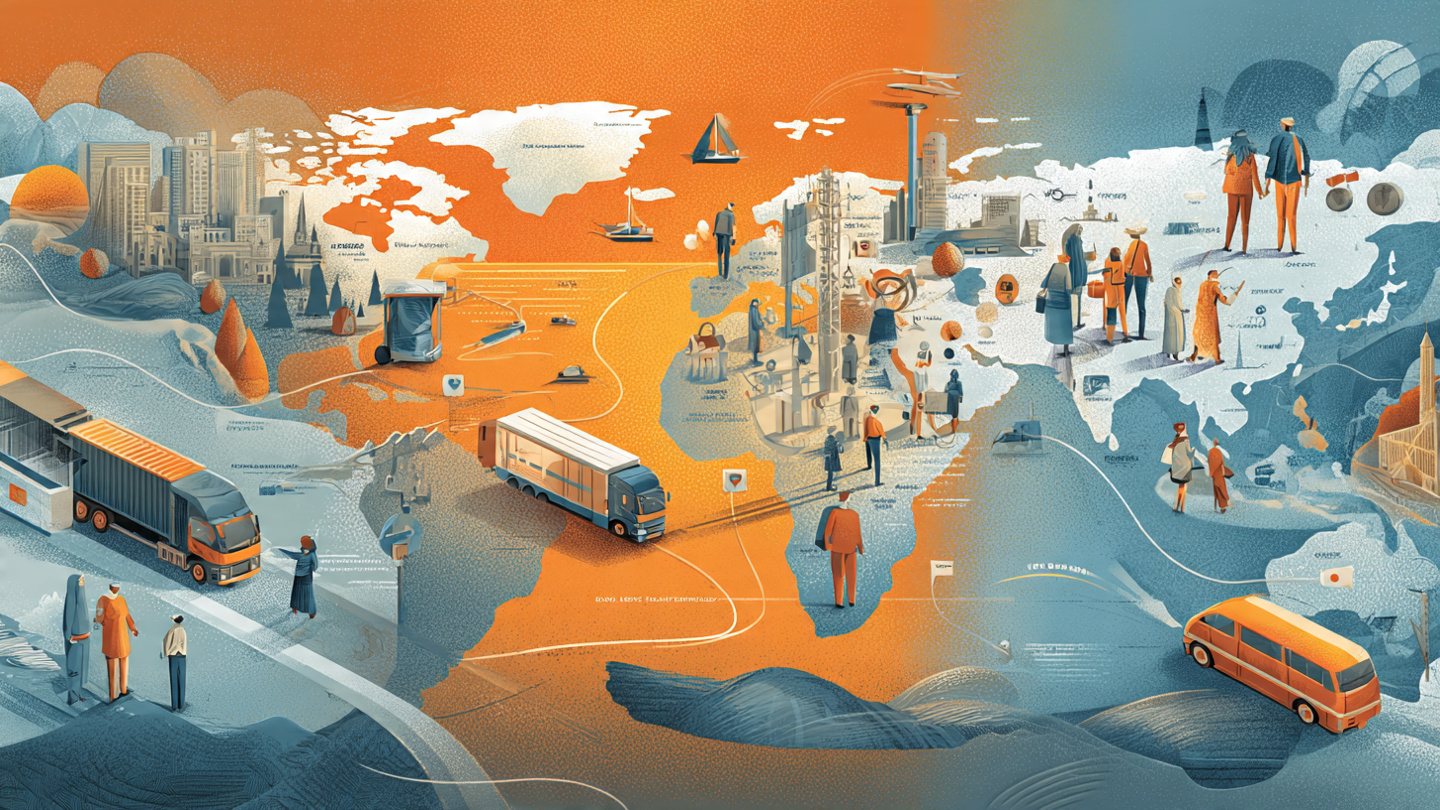
The most effective response usually depends on the duration of the shock. If prices rise sharply for a few weeks, temporary tax relief or one-off support payments may be enough. But if elevated prices persist for months, governments need a more selective and sustainable approach.
Broad fuel subsidies are politically powerful but economically blunt. They help quickly, yet they are costly and often poorly targeted. Public transport support, by contrast, may deliver smaller immediate headlines but can reduce dependence on expensive fuel over time. Direct cash transfers are often the most efficient way to protect vulnerable households, provided the system can deliver them fast.
From my perspective, the strongest policy mix usually includes three layers:
- Immediate relief for households and essential sectors facing acute pressure
- Targeted protection for low-income groups rather than universal fuel support
- Long-term resilience through transit, efficiency, and energy diversification
That layered approach recognizes a basic truth: governments cannot permanently subsidize volatility away. They can only buy time, cushion the impact, and build systems that are less exposed next time.
The Hidden Risks of Short-Term Fixes
Every intervention carries trade-offs. A policy that lowers prices today may create a larger budget problem tomorrow. A tax cut may reduce pump prices while limiting funds for health, transport, or social welfare. A price cap may suppress inflation data temporarily while increasing pressure elsewhere in the supply chain.
There is also the issue of behavior. If consumers are fully shielded from higher oil prices, the incentive to save energy or shift to more efficient transport weakens. This is why some governments now try to communicate relief measures carefully, framing them as temporary protection rather than permanent entitlement.
Businesses face similar uncertainty. Logistics firms, airlines, and manufacturers often struggle to plan when governments frequently adjust subsidies, taxes, or pricing rules. Stability matters almost as much as generosity. Predictable policy helps companies decide whether to invest in fuel-efficient fleets, hedging, or alternative energy systems.
What Households and Businesses Should Watch Next
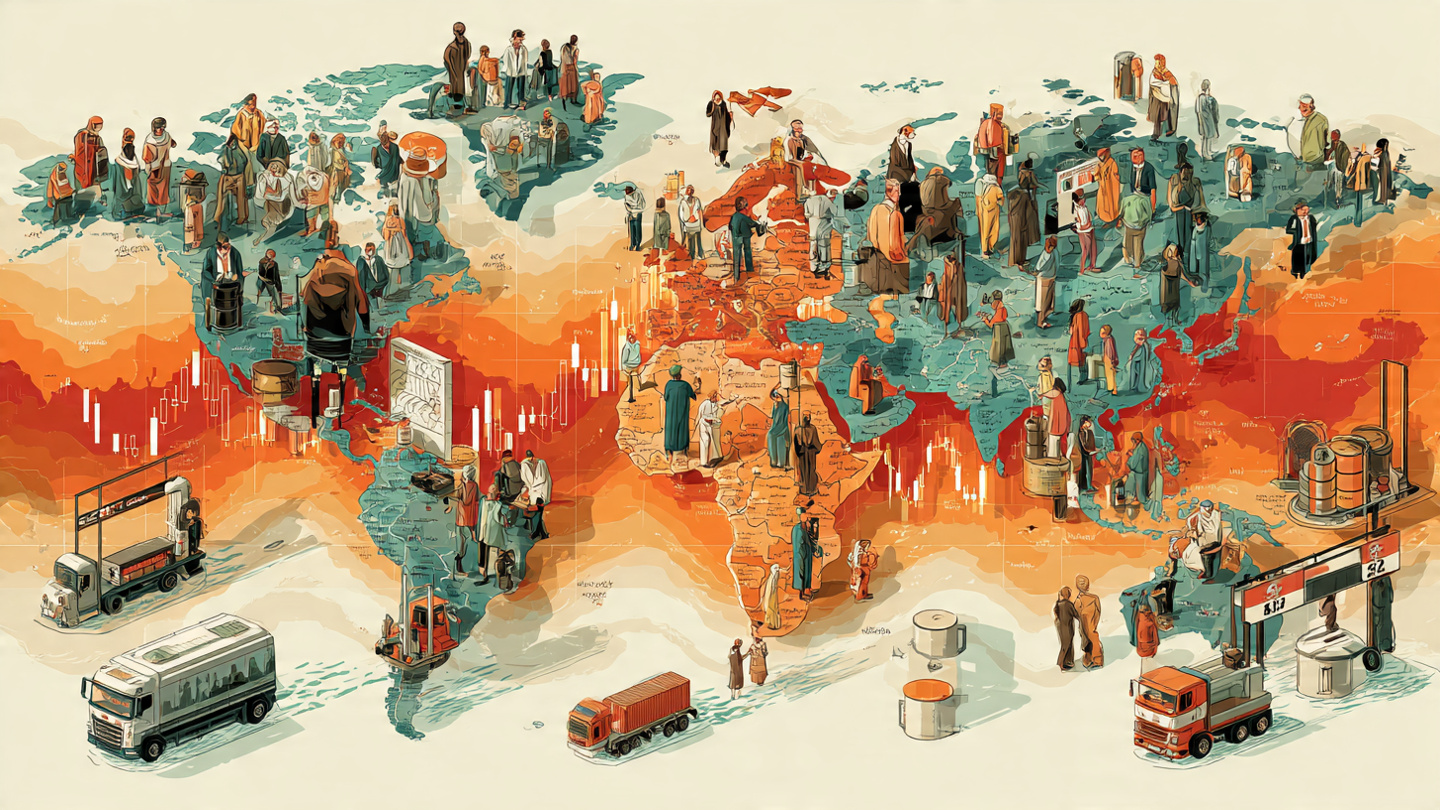
For readers trying to make sense of fast-changing conditions, a few signals matter more than daily headlines. First, watch whether governments are announcing temporary or open-ended measures. Temporary support suggests leaders expect markets to cool. Longer commitments may imply concern about a prolonged period of high energy costs.
Second, pay attention to whether support is broad or targeted. Broad subsidies usually signal political urgency. Targeted payments suggest a more fiscally disciplined approach. Third, look at public transport and energy transition funding. Those decisions reveal whether policymakers are thinking beyond the current spike.
For businesses, practical preparation matters. A small delivery company, for instance, may need to review fuel surcharges, route efficiency, or fleet composition. A household may reassess commuting patterns, heating usage, or public transit alternatives. These are not dramatic changes, but during prolonged periods of energy volatility, small adjustments compound.
Conclusion: Relief Matters, but Resilience Matters More
How countries are responding to rising oil prices tells a larger story about economic resilience. The immediate measures, from fuel subsidies to free buses and fuel rationing, are designed to reduce pain and preserve stability. In the short term, they can be necessary and even effective. But the deeper lesson is clear: the countries that weather oil shocks best are the ones that use crisis relief as a bridge to structural change.
That means stronger public transport, smarter targeting of social support, better energy efficiency, and a serious commitment to reducing overdependence on volatile fossil fuel markets. Temporary relief can calm the moment. Long-term planning can change the outcome.
If you want to stay ahead of the next energy shock, do not just watch fuel prices. Watch policy. The most important story is not how high oil goes this month, but whether governments are using this pressure to build more durable, affordable, and resilient economies. Explore more energy market analysis and stay informed about the policies shaping inflation, transport, and household costs worldwide.


