Big technology stories often start with a product launch or a splashy partnership. This one starts with something more consequential: infrastructure. Mistral has secured $830 million in debt financing to build a data center near Paris, with operations expected to begin by the second quarter of 2026. On the surface, that sounds like a straightforward expansion plan. In reality, it is a signal that Europe’s next phase of digital competition will be shaped not only by software, but by who controls the machines, power, space, and supply chains behind modern computing.
That matters for founders, investors, enterprise buyers, policymakers, and anyone watching how Europe positions itself in a market long dominated by larger foreign cloud and infrastructure players. In my view, this move is not just about capacity. It is about independence, speed, economics, and the growing realization that strategic compute has become as important as office space once was for industrial growth.
Why Mistral's financing matters now
Debt financing of this size tells the market two things at once. First, lenders believe there is enough future demand to support a large, capital-heavy buildout. Second, Mistral appears confident that owning or controlling dedicated infrastructure will create a competitive advantage strong enough to justify the long payback cycle that comes with a data center project.
For years, many fast-growing technology firms preferred to rent capacity rather than build it. That approach is flexible, but it comes with trade-offs: higher long-term operating costs, dependence on third-party availability, and limited control over deployment schedules. By moving closer to the metal, Mistral is effectively betting that scarce compute capacity will remain valuable and that customers will increasingly care where workloads run, how quickly they can scale, and which legal jurisdiction governs their data.
The timing also makes sense. Demand for advanced computing infrastructure has surged across sectors, from financial services and pharmaceuticals to defense, retail, and industrial automation. Companies no longer view large-scale computation as a niche function. They see it as a core operating layer. When that shift happens, infrastructure stops being a background utility and starts becoming a strategic asset.
What stands out in the deal
- Financing size: $830 million is large enough to signal serious long-term infrastructure intent.
- Location: A site near Paris places the project inside one of Europe’s most important digital and commercial corridors.
- Timeline: A target of Q2 2026 creates urgency while still allowing time for phased construction and equipment deployment.
- Structure: Debt, rather than pure equity, suggests confidence in predictable future demand and monetization.
The strategic value of a Paris-area data center
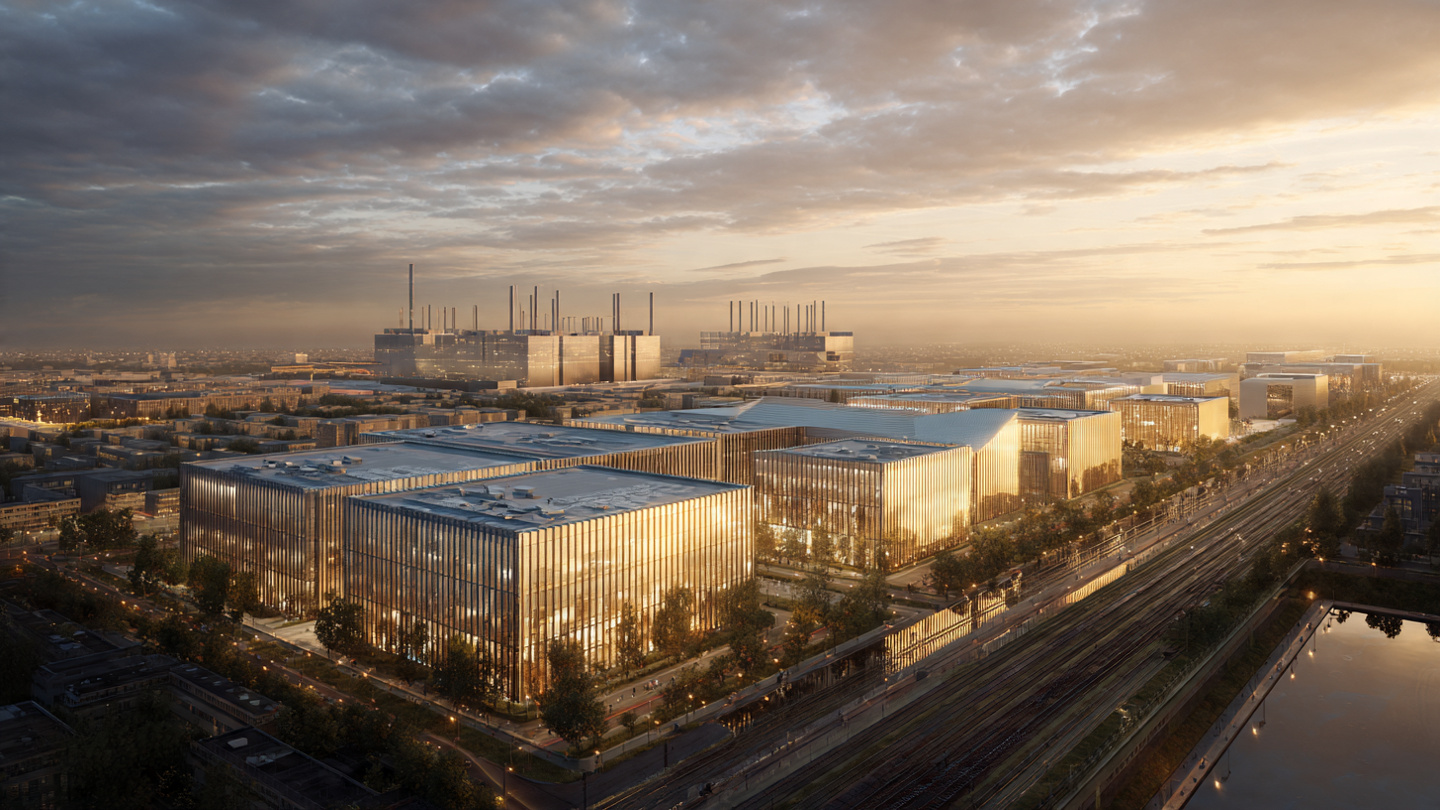
Paris is not an accidental choice. The region offers a mix of connectivity, talent, enterprise demand, and political relevance that few locations in Europe can match. A large facility near the French capital can serve domestic customers, support regional expansion, and reinforce France’s ambition to become a leading hub for high-performance digital infrastructure.
There is also a strong symbolic dimension. Europe has spent years discussing digital sovereignty, local control, and resilience. But those goals only become credible when companies build the physical backbone required to deliver them. A new data center near Paris gives Mistral a chance to align itself with that agenda in a concrete way.
From a business perspective, proximity matters. Lower latency can improve user experiences and enterprise performance for customers located in France and neighboring markets. Local hosting can simplify procurement for regulated sectors. And being physically closer to major customers can help with support, implementation, and trust. In infrastructure, geography still shapes outcomes, even in a cloud-first world.
Why France is a compelling base
- Connectivity: Strong links to European network routes and enterprise hubs.
- Talent pool: Access to engineers, operators, and research communities.
- Policy support: A favorable backdrop for strategic digital investments.
- Market access: Close proximity to large companies with rising compute needs.
What debt financing says about Mistral's business model
Choosing debt over a purely equity-funded path deserves careful attention. Debt can be attractive when a company wants to preserve ownership, avoid excessive dilution, and finance assets that are expected to generate recurring economic value over time. In other words, this is the kind of move that suggests management sees the data center not as an experiment, but as an engine.
Of course, debt brings pressure. Interest costs do not wait for perfect market conditions. Construction delays, power constraints, equipment shortages, or softer-than-expected customer demand could make the project more difficult to manage. That is why this financing decision reads as both ambitious and disciplined. It aims to build a durable asset without giving away more equity than necessary.
For readers outside finance, a practical comparison helps. Imagine a logistics company deciding whether to rent warehouse space indefinitely or finance its own distribution hub. Renting is faster and flexible, but ownership can create lower long-term costs, tighter operational control, and stronger margins if demand is reliable. Mistral’s decision follows a similar logic, only with far more technical complexity and much bigger capital stakes.
Potential advantages of this approach
- Greater control: More influence over deployment schedules, performance tuning, and capacity allocation.
- Margin protection: Less dependence on third-party infrastructure pricing over time.
- Strategic positioning: Stronger appeal to customers seeking local, dedicated capacity.
- Ownership discipline: Reduced equity dilution can preserve long-term upside.
How the project could affect the European technology landscape
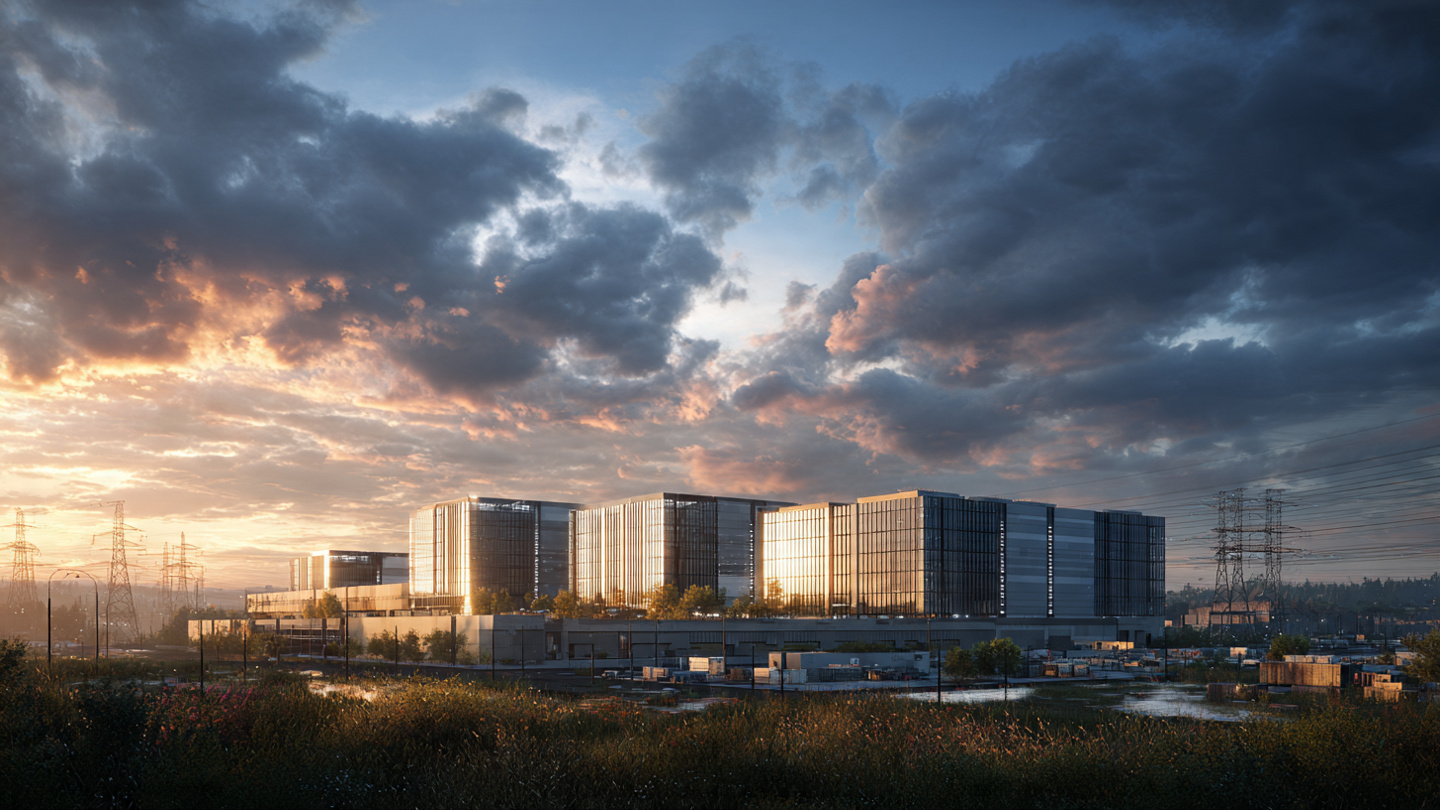
Europe’s infrastructure gap has become harder to ignore. Enterprises want local options. Regulators want stronger resilience. Startups want access to compute without waiting in line or paying premium rates dictated by foreign hyperscalers. A major new facility from Mistral will not solve every bottleneck, but it could change the conversation by proving that regional champions are willing to invest at industrial scale.
That matters because infrastructure tends to create second-order effects. A single large data center can influence software development patterns, enterprise procurement decisions, hardware demand, energy planning, and investment sentiment. Once capacity comes online, it can attract partners, specialized service providers, and adjacent businesses that want to operate nearby.
I think this is where the story becomes bigger than one company. If the project stays on schedule and performs well, it may encourage more lenders to back European computing infrastructure. It may also push rivals to accelerate their own buildouts, expand regional capacity, or sharpen their value proposition around sovereignty, compliance, and performance. Competition then improves the market for customers.
For example, a bank deciding where to place sensitive workloads might now have a stronger reason to consider a France-based infrastructure partner. A healthcare company working with large imaging datasets may prefer local compute options to reduce data movement complexity. A manufacturing group rolling out predictive systems across multiple European sites may value regional proximity and regulatory clarity as much as raw processing power.
Likely ripple effects
- More local competition: Regional providers may invest more aggressively in advanced infrastructure.
- Stronger customer choice: Enterprises gain additional options beyond dominant global platforms.
- Capital market validation: Successful execution could unlock more debt for similar projects.
- Ecosystem growth: Hardware, networking, cooling, and support services could benefit.
The operational challenges behind the headline
Raising money is the visible part of the story. Delivering a functioning data center by Q2 2026 is the hard part. These projects involve a complicated chain of approvals, engineering decisions, vendor negotiations, and utility coordination. It is one thing to announce a site. It is another to secure land, power, cooling systems, network connectivity, specialist equipment, construction crews, and ongoing operations without costly delay.
Power availability will be one of the biggest variables. Large computing campuses require stable, scalable electricity access, and energy planning can become a decisive bottleneck. Cooling is another major issue, especially as computing density rises. Operators increasingly need smarter thermal design, efficient airflow strategies, and a careful balance between performance and sustainability.
Then there is hardware procurement. Global demand for advanced chips, networking gear, and supporting components remains intense. Lead times can shift. Pricing can fluctuate. Integration can take longer than expected. Even highly funded companies face real execution risk when multiple infrastructure constraints hit at once.
That is why the 2026 target is significant. It is ambitious enough to matter, but not so aggressive that it appears detached from construction reality. If Mistral can stay close to that timeline, it will send a strong message about operational credibility, not just financial firepower.
Key execution risks to watch
- Energy access: Delays in securing sufficient power could slow deployment.
- Supply chain pressure: Hardware lead times may affect commissioning schedules.
- Construction complexity: Specialized facilities demand precision across every phase.
- Utilization risk: Capacity must be matched with sustained customer demand.
What this means for customers and investors
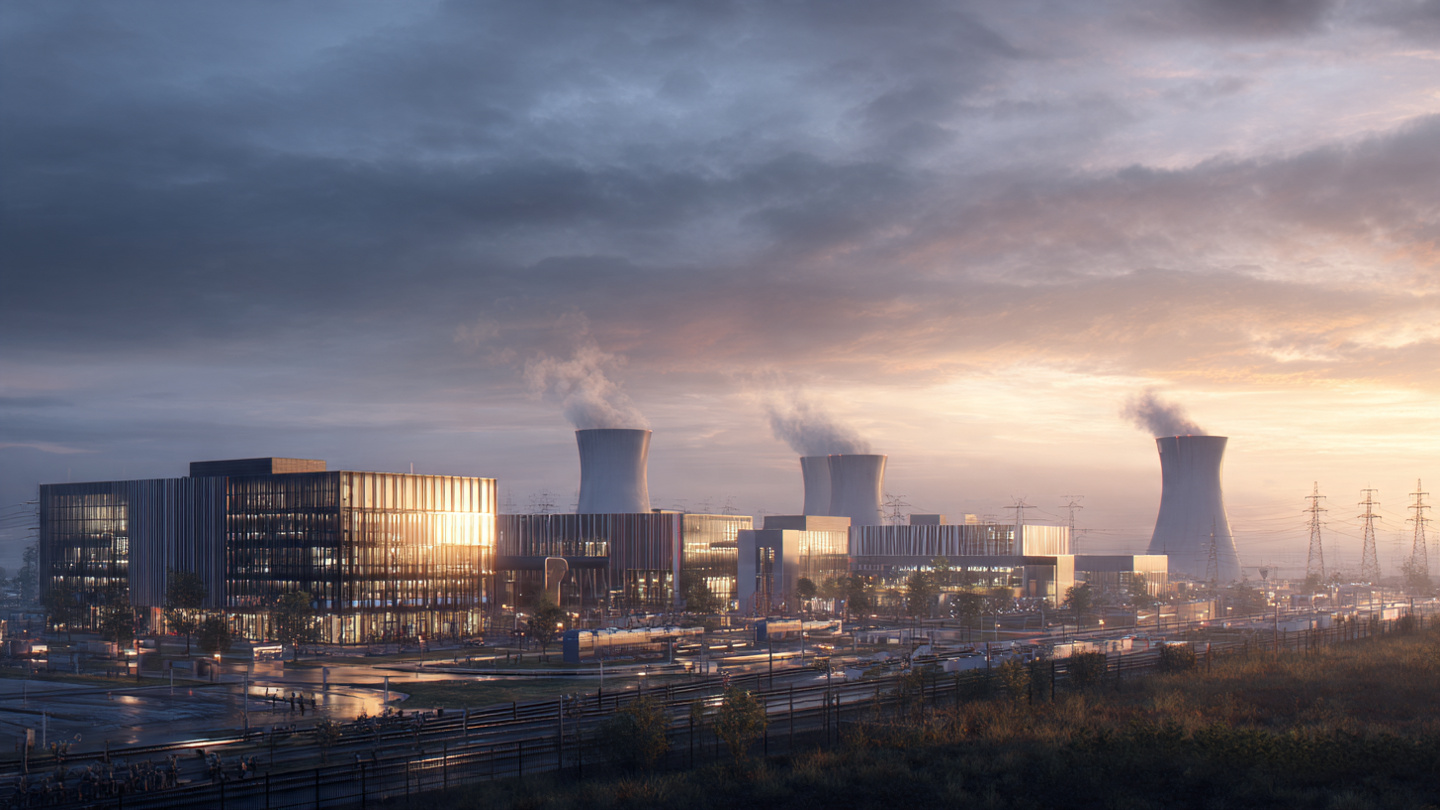
For enterprise customers, the project suggests a future with more regional infrastructure choice and potentially better alignment between compliance needs and technical performance. Buyers should pay attention not only to price, but also to service structure, deployment flexibility, support responsiveness, and contractual certainty around location and uptime.
For investors, the story is more nuanced. Infrastructure projects can create durable moats, but they also demand patience and flawless execution. The upside comes from control, scale, and strategic relevance. The downside comes from cost overruns, underutilization, and financing pressure if market conditions change. In short, this is not a lightweight growth tactic. It is a foundational bet.
My personal read is that the market is entering a phase where serious infrastructure ownership will separate the merely visible companies from the genuinely durable ones. Brand awareness can open doors, but capacity, reliability, and economics keep them open. If Mistral delivers on this Paris-area build, it strengthens its case as a long-term infrastructure player rather than just a fast-rising software name.
Why the 2026 milestone could be pivotal
By the second quarter of 2026, the market should have a much clearer answer to several important questions. Can a European player finance and deploy large-scale computing infrastructure quickly enough to matter? Will enterprise demand remain strong enough to justify dedicated regional capacity? And can infrastructure ownership improve economics in a market where access, trust, and performance are becoming deeply intertwined?
If the answer is yes, Mistral’s move may be remembered as a turning point. Not because it was the biggest project in the world, but because it captured a strategic shift: Europe deciding that control over critical computing infrastructure is too important to outsource entirely.
Conclusion
Mistral’s $830 million debt raise for a new data center near Paris is more than a funding milestone. It is a statement about where value is moving in modern technology. Infrastructure is no longer an invisible layer hidden behind software headlines. It is the arena where cost, resilience, sovereignty, speed, and market power increasingly intersect.
If the facility begins operations by Q2 2026, Mistral will gain more than extra capacity. It will gain leverage: leverage with customers, leverage in pricing, leverage in execution, and leverage in how it defines its place in Europe’s digital future. For anyone following European technology, this is a development worth watching closely.
If you track the business of infrastructure, cloud capacity, and digital sovereignty, now is the time to watch project timelines, energy strategy, customer wins, and regional policy signals. Those details will reveal whether this bold financing move becomes a strong competitive moat or simply an expensive promise.
Want to stay ahead of major infrastructure shifts? Follow developments in European data centers, cloud expansion, and strategic computing investment, because the companies building the backbone today are likely to shape the market leaders of tomorrow.


