For years, major social platforms have presented themselves as digital town squares, neutral hosts, or technology providers doing their best in an impossible environment. That narrative is now under pressure. A legal finding that Meta and YouTube were negligent does more than create headlines. It raises a bigger question that affects parents, creators, advertisers, regulators, and everyday users alike: what happens when the world’s most powerful platforms are no longer treated as untouchable?
In my view, this is one of those moments that feels technical on the surface but could become deeply cultural in impact. Court decisions do not instantly redesign algorithms or make teenagers safer overnight. But they can redraw the boundaries of responsibility. Once negligence enters the conversation, the debate shifts from whether harm exists to whether companies could have reasonably prevented it.
That distinction matters. It is the difference between saying, “bad things happen online,” and asking, “what did the platform know, what choices did it make, and what should it have done differently?” For Meta and YouTube, the consequences could reach far beyond one case. For the rest of the industry, this may be an early warning sign.
Why This Legal Negligence Finding Matters
A negligence ruling against global platforms is significant because it challenges a long-standing assumption in the tech industry: that scale and complexity make meaningful accountability almost impossible. Courts have often been cautious about second-guessing product design, recommendation systems, moderation practices, and user-generated content decisions. When that caution starts to weaken, the legal and business landscape changes.
Platform liability is no longer just a policy issue debated in Washington, Brussels, or state legislatures. It becomes a real operational risk. Investors pay attention. Boards pay attention. Product teams pay attention. And importantly, other plaintiffs and law firms pay attention too.
- Legal impact: A negligence finding can encourage similar lawsuits against other platforms.
- Business impact: Companies may need to invest more heavily in safety systems, moderation, and age protections.
- Policy impact: Regulators may use the ruling as evidence that self-regulation has not gone far enough.
- Cultural impact: Users may start expecting platforms to prevent foreseeable harm, not just react to bad publicity.
This is where things get especially important for Meta and YouTube. These are not niche apps. They sit at the center of modern digital life. Their design decisions influence how billions of people consume information, entertainment, advertising, and community. A court finding of negligence suggests that the design of those systems is not merely innovative or engaging, but potentially harmful in ways that were foreseeable.
What Legal Negligence Means in the Social Media Context
Negligence does not necessarily mean a company intended harm. It generally means a company failed to exercise reasonable care despite a foreseeable risk. In the context of social media negligence, that can include product choices, recommendation systems, age verification failures, weak safeguards, or business practices that prioritize growth and engagement over user safety.
That is why this issue strikes such a nerve. Social platforms do not simply host content in a passive way. They rank it, recommend it, amplify it, and optimize it. Those decisions are not random. They are built into the architecture of the product.
The Core Question Courts May Explore More Aggressively
If a platform knew certain content patterns, engagement loops, or product features could expose users to serious harm, did it take reasonable steps to reduce that risk?
That framing is powerful because it moves the focus away from abstract immunity arguments and toward product responsibility. In practical terms, that could involve questions like:
- Did the company understand how its recommendation engine promoted harmful content?
- Did internal research show known risks to minors or vulnerable users?
- Were warning signs ignored because growth metrics mattered more?
- Were safer alternatives available but not adopted?
For many critics of Big Tech, this is the heart of the matter. The issue is not whether every bad outcome can be prevented. It is whether platforms made reasonable choices once risks became clear.
How This Could Change Meta and YouTube Internally
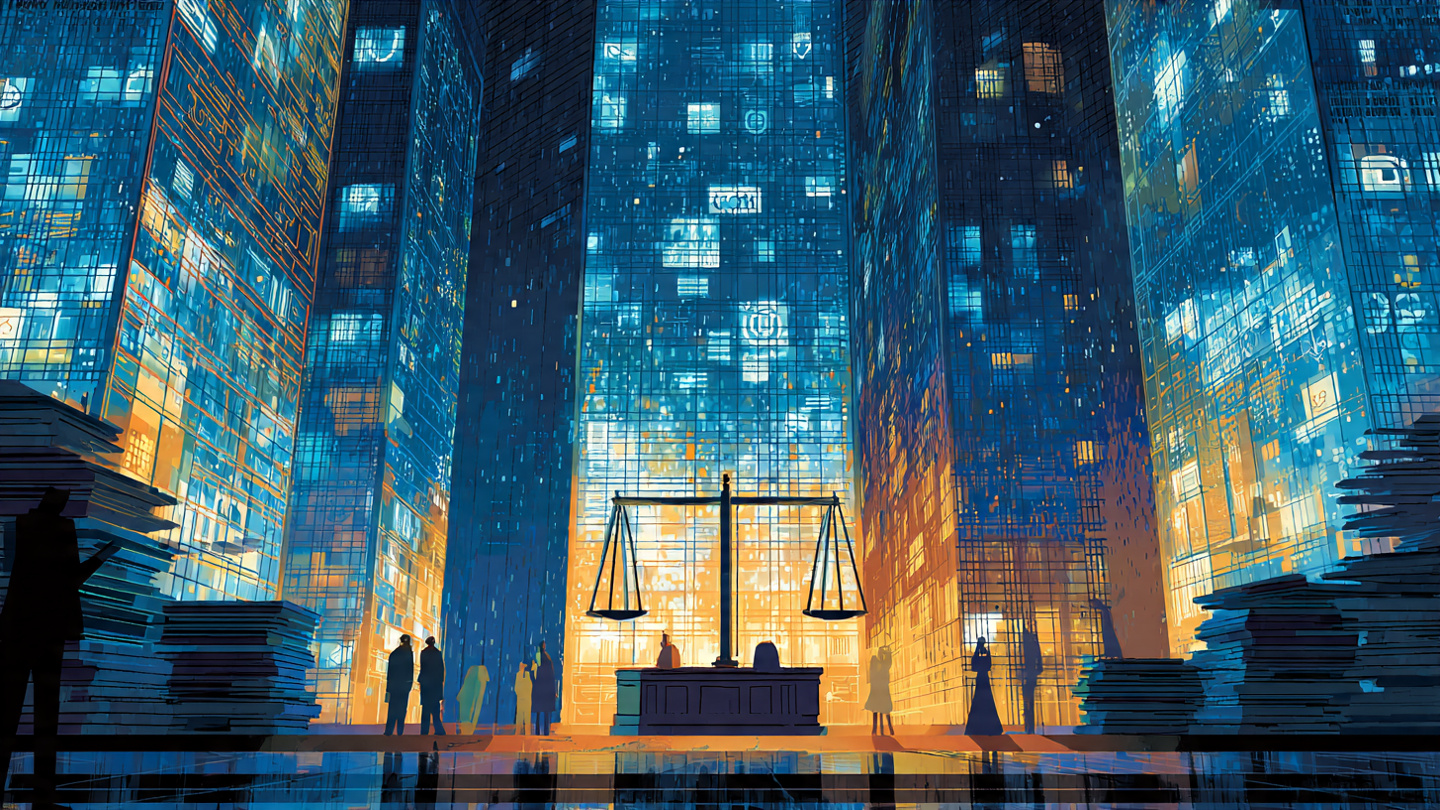
The most immediate effects may not be visible to users at first. Major companies rarely pivot overnight because of one decision, especially if appeals are likely. But behind the scenes, legal negligence findings can trigger a cascade of internal changes.
1. Product Design Reviews Could Get Tougher
Expect deeper scrutiny of high-engagement features, especially those tied to vulnerable users. Autoplay, endless recommendation loops, emotionally charged content ranking, and frictionless resharing may all face renewed legal review. Teams could be asked to document not just why a feature drives engagement, but how it manages safety risk.
As someone who watches tech strategy closely, I think this is where the real shift happens. Public statements are easy. Internal risk memos are not. Once litigation risk touches product design, innovation starts looking different.
2. Safety Investments May Rise
Meta and YouTube already spend heavily on trust and safety, but negligence pressure can force more targeted spending. That may include improved age estimation, stronger parental controls, more transparent moderation appeals, and more aggressive intervention around harmful recommendation pathways.
3. Executives and Boards May Demand Better Documentation
Companies can no longer assume that internal debates about safety stay internal forever. Emails, research, and presentations can all surface in litigation. That tends to change decision-making behavior. It can also make companies more cautious about dismissing their own internal warnings.
4. Public Messaging Will Likely Shift
Expect less emphasis on “we are just a platform” and more emphasis on “we are committed to safety by design.” That is not just PR language. It is a legal positioning strategy. If courts increasingly expect duty of care, platforms will work harder to show they acted responsibly.
Will This Lead to Major Industry Reform or Minimal Change?
The honest answer is: either outcome is possible. Landmark rulings can trigger sweeping reform, but they can also get narrowed on appeal, buried in procedural delays, or absorbed as the cost of doing business. Much depends on what comes next.
Scenario One: Big Changes Across the Industry
If similar rulings appear in other courts, the negligence theory could gain real momentum. That would put pressure on the entire social media ecosystem, including platforms beyond Meta and YouTube. Companies may decide it is cheaper to redesign risky features than to keep defending them.
Possible reforms in this scenario include:
- Safer default settings for minors and new users.
- More transparent algorithms and recommendation disclosures.
- Independent audits of online safety practices.
- Greater age-appropriate design standards across platforms.
- Clearer escalation systems for self-harm, exploitation, and dangerous trend detection.
This kind of reform would not eliminate harmful content, but it could reduce the automated amplification of that content. And that distinction is crucial.
Scenario Two: Limited Practical Change
There is also a real chance that Meta and YouTube adapt only at the margins. Large platforms are skilled at managing legal turbulence. They can appeal, settle, lobby, and incrementally update policies without transforming the core business model.
Why would change be limited?
- Appeals could narrow the scope of the negligence finding.
- Legal standards may remain inconsistent across jurisdictions.
- Platforms may argue that aggressive intervention creates free speech concerns.
- Revenue incentives still favor engagement-heavy design.
- Users often resist changes that make platforms feel less seamless or entertaining.
That is why this moment is important but not self-executing. A court decision opens the door. It does not walk the industry through it.
The Pressure on Section 230 and Platform Immunity Debates
Any major conversation about Meta and YouTube legal negligence quickly touches the broader issue of platform immunity. In the United States, Section 230 has long shielded online services from many forms of liability tied to user content. But courts and lawmakers have increasingly examined the difference between hosting speech and actively shaping user experience through algorithms.
This matters because recommendation systems are not neutral in the ordinary sense. They decide what gets surfaced, repeated, and rewarded. If a negligence theory gains traction around those systems, the legal focus may increasingly land on product design rather than the existence of harmful content alone.
That would be a major shift. It would mean platforms are judged less like passive bulletin boards and more like companies whose design choices have measurable consequences.
What This Means for Parents, Users, and Creators
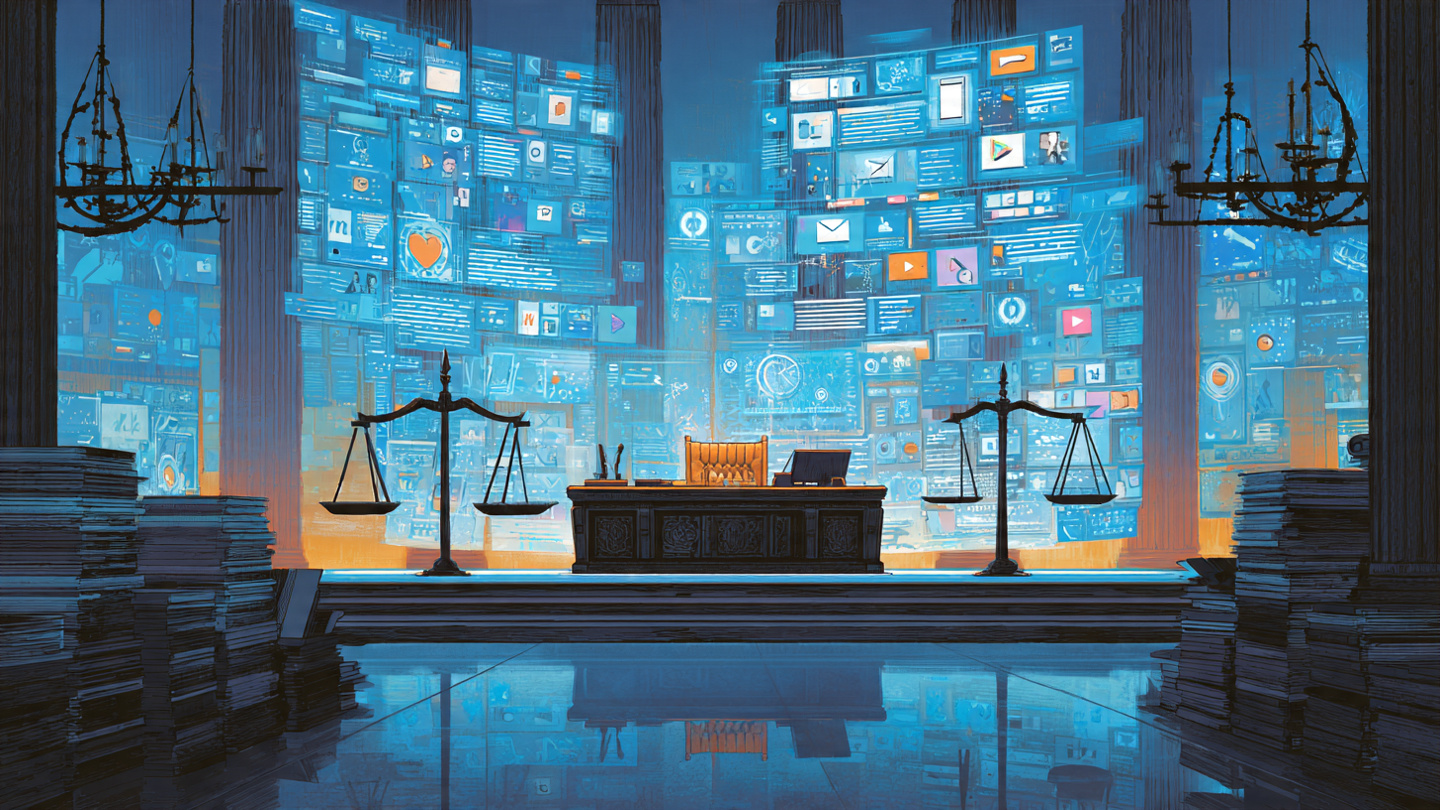
It is easy to see this as a fight between plaintiffs and giant corporations, but the ripple effects touch ordinary people directly.
For Parents
Parents may gain stronger arguments when demanding better child safety tools, more transparent reporting, and default protections for younger users. If negligence becomes part of the legal standard, platforms will find it harder to frame harmful outcomes as purely matters of personal responsibility.
For Users
Users could eventually see a different social media experience, especially around high-risk recommendation patterns. That may include more friction, more warnings, or reduced exposure to rabbit-hole content. Some users will welcome that. Others may see it as overreach. But safety changes often feel inconvenient before they feel normal.
For Creators and Publishers
Content creators should pay close attention. If platforms change how they rank, recommend, or suppress certain categories of content, traffic patterns could shift. A creator who depends on sensational hooks, emotionally loaded topics, or algorithmic intensity may feel the effects first. Meanwhile, brands and publishers focused on trust could benefit if platforms start rewarding lower-risk content environments.
What Advertisers and Investors Should Watch
There is a business layer to all of this that should not be overlooked. Advertisers care about brand safety, and investors care about regulatory exposure. A negligence finding can reshape both.
- Advertisers may demand stricter placement controls and stronger evidence that harmful content is not being algorithmically amplified near their campaigns.
- Institutional investors may ask harder questions about litigation reserves, governance oversight, and long-term product risk.
- Boards may want clearer proof that safety metrics matter alongside engagement and revenue goals.
In practical terms, this could increase the cost of operating at scale. The era of “move fast and fix it later” has already weakened. A negligence finding pushes it further toward “document everything and justify every risk.”
The Most Likely Next Steps
So what happens now? The most likely answer is a mix of legal maneuvering and strategic adaptation.
Expect Appeals and Narrowing Arguments
Meta and YouTube are unlikely to accept a damaging negligence precedent without a fight. Appeals are a probable next step, and legal teams will try to narrow the meaning and reach of the finding.
Expect Policy Announcements
Companies under legal pressure often respond with new safety features, updated youth protections, expanded transparency reports, or fresh partnerships with researchers and nonprofits. Some of those steps will be genuine. Some will be defensive. Most will be both.
Expect Regulators to Cite the Case
Even if the ruling does not immediately transform the law everywhere, regulators and lawmakers can use it to support tougher standards. A court finding can serve as a narrative anchor: proof that concerns about online harm are not speculative.
Expect More Lawsuits
This may be the most consequential outcome of all. One successful negligence theory can inspire many more. The legal pressure on social media companies often builds case by case, not in one dramatic sweep.
The Bigger Cultural Shift: From Engagement at All Costs to Duty of Care

If there is one idea worth watching, it is this: the internet may be moving toward a duty of care model. Not perfectly. Not evenly. But gradually.
For a long time, social media companies enjoyed the benefits of scale without fully accepting the responsibilities of influence. That era may be ending. Courts, lawmakers, and the public are increasingly less persuaded by the idea that recommendation systems are simply mirrors reflecting human behavior. More people now see them as engines that shape behavior.
I think that is why this moment resonates beyond the courtroom. Most users already understand, intuitively, that platforms do more than host. They steer attention. They reinforce impulses. They can pull people deeper into content loops that are profitable for the platform and damaging for the user. A legal negligence finding gives formal language to what many people have felt for years.
Conclusion
The finding that Meta and YouTube were legally negligent could become a turning point for platform liability, online safety, and the future of content moderation. Or it could become one more high-profile moment that produces modest policy updates and years of legal wrangling. Right now, both possibilities remain open.
What is clear is that the conversation has changed. The central issue is no longer just whether harmful content exists online. It is whether powerful platforms have a responsibility to prevent foreseeable harm when their own systems amplify risk. That is a much harder question for the industry to avoid.
If you care about the future of social media, this is the moment to watch closely. The next phase will be shaped not only by courts, but by regulators, advertisers, parents, creators, and users who decide what kind of internet they are willing to accept. The pressure for accountability is no longer theoretical. It is operational, legal, and increasingly public.
Want to stay ahead of the biggest shifts in technology policy and platform accountability? Follow the latest developments, track how Meta and YouTube respond, and pay attention to the product changes that happen quietly before they become industry standard.


