The cockpit is quiet, but the mission is anything but routine. High above the Middle East, an RAF tanker moves through dark air with the steady discipline of a flying command post, supporting fighter jets tasked with defending the region against Iranian drones. There is no cinematic chaos inside the aircraft, no dramatic shouting, no visible panic. Instead, there is focus, process, and precision. That is what makes the scene so compelling. In modern warfare, calm often hides the most consequential work.
To understand this mission, you have to look beyond the fast jets that usually dominate the headlines. The real story begins with the aircraft that keeps them in the sky. The RAF Voyager is not merely a support platform. It is an operational enabler, a force multiplier, and, in many ways, the hidden backbone of air defence operations across long distances. Without it, combat aircraft would have far less endurance, less flexibility, and less ability to respond when threats emerge with little warning.
From a human perspective, that is what stands out most. The mission is built on trust: trust between tanker crew and fighter pilots, trust in the aircraft systems, and trust in the training that turns a dangerous environment into a sequence of disciplined actions. For anyone interested in air power, military aviation, or defence technology, stepping inside this environment reveals a truth that often gets missed: the most important military advantage is not always speed or firepower, but sustained operational reach.
Why This RAF Tanker Mission Matters
The mission profile is straightforward in concept but demanding in execution. Fighter aircraft are launched to protect airspace and intercept threats, including one-way attack drones and other hostile aerial systems. To remain on station long enough to be effective, those jets need fuel. That is where the Voyager refuelling mission becomes central.
The threat from Iranian drones has reshaped the way many regional air operations are planned. Drones can be relatively cheap, launched in numbers, and used to test the response time of even well-prepared forces. That means defensive sorties are no longer just about speed. They are about persistence. A fighter may be able to launch quickly, but unless it can stay in the air long enough to patrol, intercept, and, if necessary, respond to multiple alerts, the defensive picture remains fragile.
Air-to-air refuelling changes that equation. It extends patrol time, reduces the need for repeated takeoffs and landings, and gives commanders more options when threats appear in different sectors. In practical terms, the tanker turns a limited sortie into a flexible shield.
- Extended endurance: fighter jets can remain on station far longer than they could with internal fuel alone.
- Faster response: aircraft already airborne can redirect to emerging threats without returning to base.
- Operational depth: missions can cover wider areas across the Middle East.
- Strategic resilience: commanders gain time and choice in a fast-moving drone defence scenario.
Inside the RAF Voyager: The Aircraft Behind the Operation
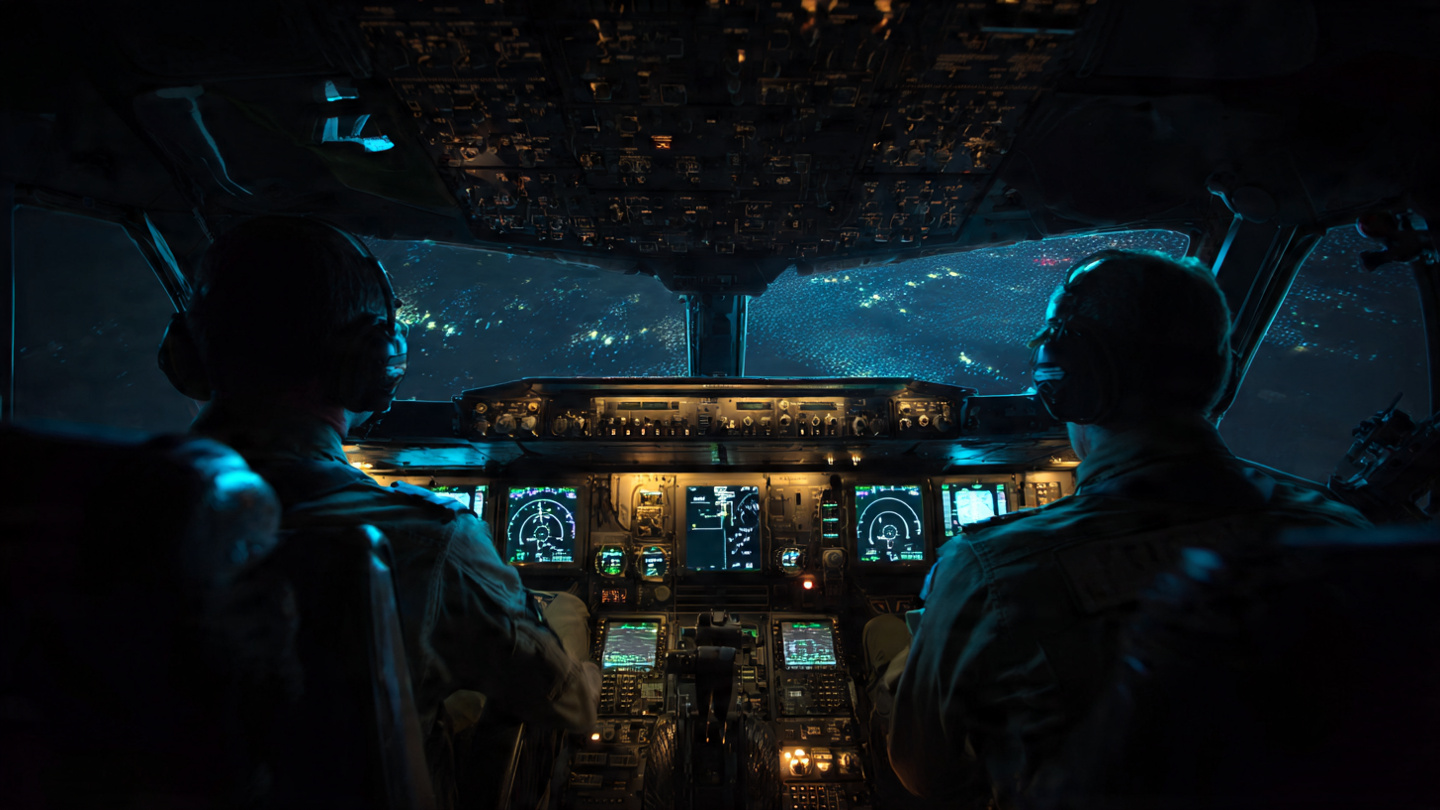
The RAF Voyager is based on the Airbus A330 platform, but its military role gives it a very different significance. It combines long-range transport capability with a critical tanker function, allowing it to support fighters, move personnel, and contribute to wider expeditionary operations. In a region where distance, heat, and unpredictability shape every mission, versatility matters.
Inside the aircraft, the atmosphere is more businesslike than dramatic. Screens, checklists, communications, and timing define the rhythm of the sortie. The pilots manage navigation and flight safety. The crew coordinate with allied assets, monitor the mission picture, and prepare for each refuelling event. Every stage requires attention because the margin for error narrows when multiple aircraft operate in close proximity at high altitude.
One of the most striking features of tanker operations is how normal they can appear from the inside. That normality is deceptive. It is the result of repeated training, standardised procedures, and confidence built over years. In a defensive mission against drones, those quiet routines are exactly what make the operation effective.
The Cockpit Perspective
Seen from the cockpit, the mission is a blend of routine flying and constant anticipation. A crew may spend long periods in disciplined monitoring, then shift suddenly into a high-concentration phase as a fighter approaches to take fuel. The airspace may be busy. Communications may be compressed. Weather, routing, and tactical updates can all change the shape of the sortie.
This is where the human element becomes impossible to ignore. Even with advanced systems and strong procedures, it is people who sustain the mission. They interpret the information, manage the tempo, and make sure the aircraft remains exactly where it needs to be when the fighter arrives. That level of consistency is easy to admire from the outside, but it feels even more impressive when you picture the responsibility carried by the crew in real time.
How Air-to-Air Refuelling Supports Drone Defence
To many readers, air-to-air refuelling may sound like a technical add-on to a combat mission. In reality, it is often the deciding factor in whether defensive air power can be sustained. If hostile drones are expected over long periods, aircraft must either rotate rapidly from base or remain airborne through tanker support. The second option is usually more efficient and more tactically useful.
Consider a practical example. A fighter launched to investigate a possible drone track may only have a limited window before fuel becomes a constraint. If the drone network is more complex than first expected, or if multiple alerts appear across a broad area, the pilot needs options. Refuelling in the air transforms the mission from a single pass into a prolonged defensive presence. That means more time to identify targets, coordinate with command, and respond proportionately.
It also helps reduce the strategic burden on air bases. Instead of launching new aircraft every time a patrol window closes, commanders can sustain existing aircraft and preserve readiness for additional contingencies. In a tense regional environment, that flexibility is invaluable.
The Refuelling Sequence
The process itself is a remarkable exercise in controlled precision. A fighter joins with the tanker, stabilises in position, and then receives fuel through the established refuelling system. The distances involved are small, the speed is significant, and both crews must operate with complete discipline. Even though the manoeuvre is well-practised, it never becomes casual.
What matters here is not simply the transfer of fuel, but the transfer of opportunity. Every successful refuelling gives the receiving aircraft more time, more range, and more usefulness in the battlespace. That is why tanker missions sit at the centre of sustained Middle East air operations.
- Tactical value: keeps defensive fighters near likely threat corridors.
- Mission continuity: reduces gaps in air cover during prolonged alerts.
- Deterrence effect: signals that allied aircraft can remain present for as long as required.
- Resource efficiency: lowers the pressure for constant relaunch cycles from base.
The Iranian Drone Threat and the New Air Defence Reality
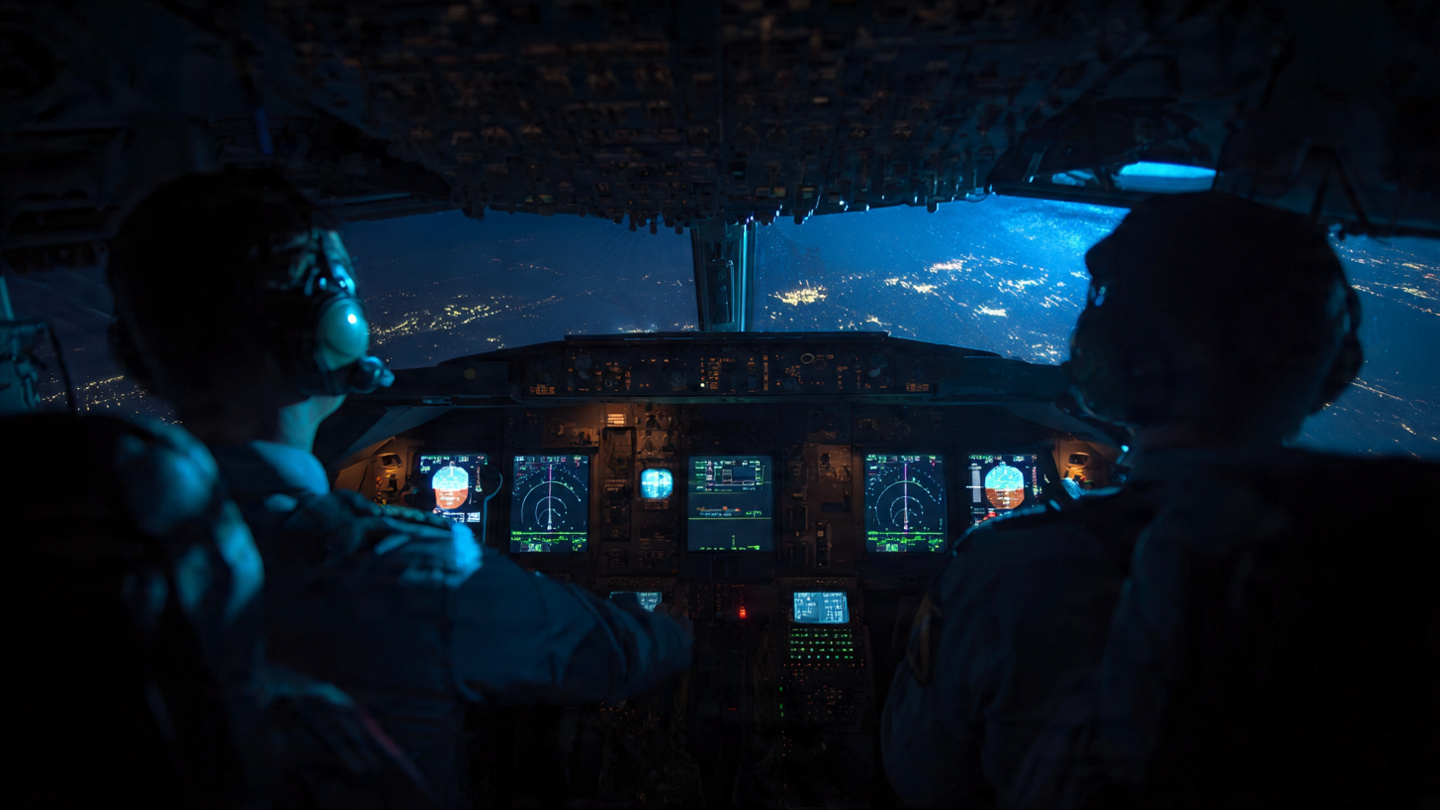
The rise of Iranian drones has changed air defence planning across the region. These systems are part of a broader shift in warfare, where lower-cost unmanned platforms can create outsized strategic pressure. They can be used to probe defences, threaten infrastructure, exhaust air defence resources, and complicate military decision-making. They do not need to match the sophistication of modern fighter aircraft to be dangerous. They only need to create enough uncertainty, enough saturation, or enough delay.
That is why tanker-supported patrols matter. In the past, defensive operations could focus more narrowly on conventional threats such as manned aircraft or missiles. Today, commanders must also plan for distributed, persistent, and sometimes ambiguous aerial threats. Drones can be launched from various locations, travel long distances, and present a moving challenge for sensors and interceptors.
The answer is not one system, but a layered network. Ground-based air defence, intelligence assets, radar coverage, naval capabilities, and combat air patrols all play a part. The tanker sits inside that network as the mechanism that keeps the air component viable for extended periods. It is not the loudest part of the system, but it is one of the most important.
What This Mission Reveals About Modern Military Aviation
One of the clearest lessons from an RAF tanker mission is that modern military aviation depends on integration more than individual platforms. The age of the heroic standalone aircraft is over. Today, effectiveness comes from linked systems, allied coordination, data sharing, logistics, and endurance. The aircraft that drops the weapon or conducts the intercept is only one visible part of a much larger architecture.
The Voyager embodies that change. It is a reminder that support aircraft are not secondary to the mission. They are part of the mission. In strategic terms, tankers extend influence. In operational terms, they create time. In human terms, they give pilots options when options matter most.
There is also a broader lesson for readers outside military circles. We often think of defence through the lens of hardware alone: jets, missiles, drones, radar. But capability is really about systems that work together under pressure. A tanker mission shows that preparation, interoperability, and reliability can be just as decisive as advanced weaponry.
Key Takeaways from the Sortie
- Persistence wins: the ability to stay airborne is a strategic advantage in drone defence.
- Support aircraft are essential: tanker crews enable the combat mission rather than simply assisting it.
- Precision under pressure matters: every refuelling event depends on disciplined teamwork.
- Drone threats reshape planning: low-cost unmanned systems force high-end militaries to adapt continuously.
- Air power is networked: success comes from coordination across platforms and allied forces.
The Human Side of a High-Stakes Flight
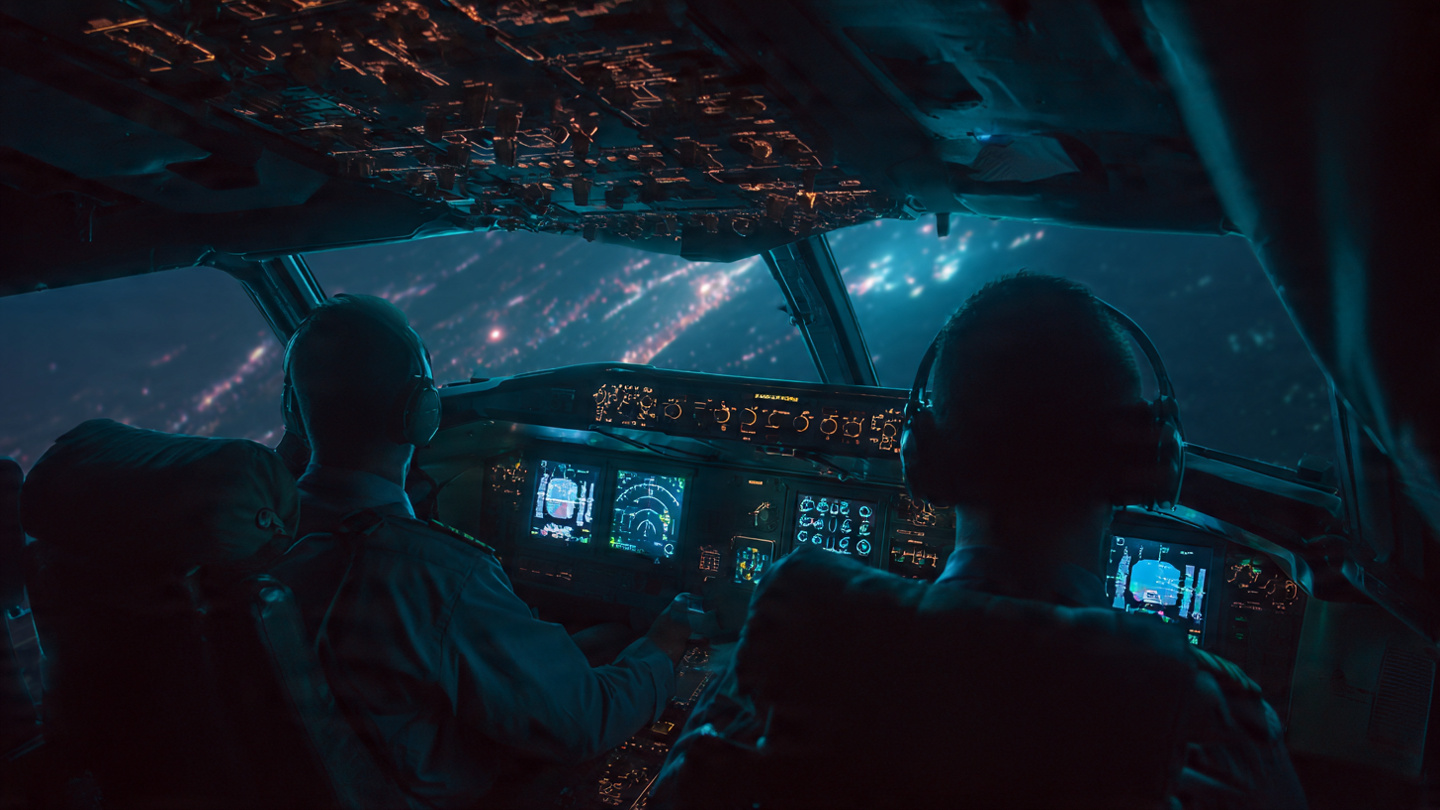
It is easy to focus on the aircraft and the strategic implications, but the human dimension deserves equal attention. These missions can be long, repetitive, and mentally demanding. Crew members are expected to maintain concentration while operating in a region where threat conditions can change quickly. They must manage technical tasks while staying alert to the bigger picture.
That is what gives the RAF tanker story its emotional force. The aircraft is doing something extraordinary while appearing almost ordinary. The crew are not performing for an audience. They are doing the kind of work that rarely produces dramatic footage, yet often determines whether the wider defensive effort succeeds.
For me, that is the most powerful takeaway. The real drama of modern air operations is not always visible in explosions or high-speed interceptions. Sometimes it is found in the professionalism required to keep a mission stable, safe, and sustainable hour after hour. That kind of excellence is less glamorous, but arguably more impressive.
Conclusion: The Quiet Aircraft That Keeps Defence Alive
An RAF tanker on a defensive mission against Iranian drones offers a rare window into how air power actually works when the stakes are high. The Voyager is not just flying through the background of events in the Middle East. It is helping shape them. By enabling fighter aircraft to remain airborne, responsive, and effective, it becomes a central part of the region's protective air shield.
The mission also highlights a larger truth about 21st-century conflict: endurance, coordination, and adaptability now matter as much as raw speed or striking power. In the age of drones, the side that can sustain operations, share information, and maintain pressure often holds the advantage. Tanker crews help make that possible.
If you follow defence technology, military aviation, or the evolving challenge of drone warfare, this is the kind of mission worth understanding. It reveals how strategy becomes practice, how equipment becomes capability, and how quiet professionalism supports security in one of the world's most volatile regions.
Want deeper analysis of defence aviation, air power, and the technologies reshaping modern conflict? Keep following for more expert coverage on the aircraft, systems, and people behind today's most important military operations.


