There is something instantly refreshing about a phone that does not wobble every time it touches a table. In a market where oversized camera modules have become a visual flex, the Google Pixel 10a takes a different path. It sits flat, feels balanced in the hand, and quietly reminds you that thoughtful design can matter more than flashy hardware tricks.
That one detail alone will make some buyers smile. But the real question is bigger: does the Pixel 10a do enough to stand out in the crowded budget smartphone category? The answer is more nuanced than a simple yes or no. This is not the kind of phone that tries to overwhelm you with spec-sheet fireworks. Instead, it leans into consistency, practicality, and the kind of day-to-day experience many people actually care about.
From its understated design to its software intelligence, the Pixel 10a feels aimed at buyers who want a phone that simply works well. If you value clean Android, reliable photos, and long-term usability over gimmicks, this device deserves a close look.
A Flat Design That Feels Surprisingly Premium
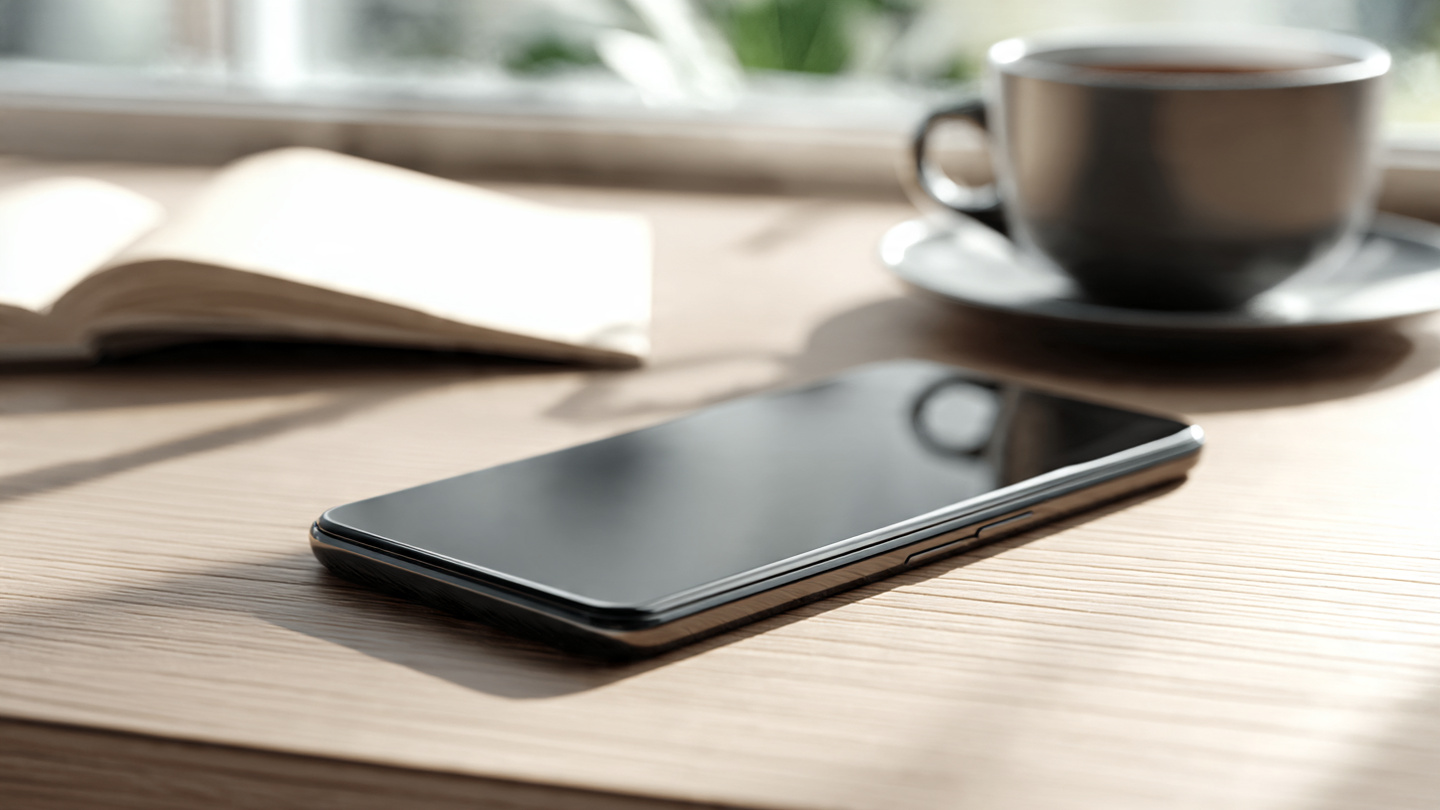
The biggest talking point around the Pixel 10a is also the simplest: there is no camera bump. That may sound minor until you live with it. Most modern smartphones rock side to side when placed on a desk, especially when you are typing, scrolling, or tapping through emails. The Pixel 10a avoids that annoyance entirely.
This choice gives the phone a practical edge that many premium devices have abandoned. It also creates a cleaner visual profile. Instead of screaming for attention, the back panel looks neat and composed, which helps the device feel more intentional than cheap.
From a usability perspective, a flat back has real benefits:
- It stays steady on tables, desks, and kitchen counters.
- It feels more secure when used without a case.
- It slips into pockets more comfortably than phones with oversized camera islands.
- It signals a design philosophy centered on everyday function.
Personally, I think this is one of those features people underestimate until they use it. The smartphone market often pushes buyers to care about visual drama, but subtle comfort matters more over time. A phone you use dozens of times a day should feel stable, predictable, and easy to live with.
What the Pixel 10a Gets Right
Clean Android Experience
One of the strongest reasons to consider a Pixel phone has always been software, and the Pixel 10a keeps that tradition alive. You get a streamlined Android experience that feels polished rather than overloaded. There is less clutter, fewer duplicate apps, and a clearer sense that the software is working with you instead of demanding your attention.
For users tired of bloated interfaces, this is a major selling point. The Pixel 10a offers the kind of smartphone experience that feels easy from day one. Menus are straightforward, navigation is intuitive, and Google’s software features remain some of the most useful in the industry.
That matters because a budget phone is not just about saving money. It is about minimizing compromise where it counts most.
Reliable Camera Performance
The lack of a camera bump does not mean the Pixel 10a forgets about photography. In fact, Google’s reputation in mobile imaging continues to carry serious weight. Pixel A-series devices have built a loyal following by producing photos that often outperform expectations, especially in mixed lighting and casual real-world use.
The camera system here may not represent a giant leap forward, but it still offers the type of consistency many people want. That includes fast point-and-shoot convenience, strong image processing, natural color handling, and dependable performance in everyday scenarios.
Think about the moments most people actually capture:
- Family photos in imperfect indoor lighting.
- Food shots at a dim restaurant.
- Quick pet photos before the moment disappears.
- Travel snapshots taken without time to adjust settings.
In those situations, the Pixel 10a is likely to perform better than many rivals in the same price bracket. It does not need to dominate the megapixel race to deliver satisfying results.
Balanced Everyday Performance
The Pixel 10a appears designed around realistic usage rather than benchmark bragging rights. For browsing, streaming, messaging, maps, social media, and photography, it should feel more than capable. That is exactly where most users spend the majority of their time.
There is a tendency in smartphone coverage to treat midrange and budget devices as disappointing unless they mimic flagships. I see it differently. A phone should be judged by whether it supports the owner’s routine smoothly, not whether it wins hypothetical power-user contests.
For students, casual users, parents, commuters, and anyone upgrading from an older device, the Pixel 10a checks many of the right boxes:
- Responsive software for daily tasks.
- Dependable camera quality.
- Comfortable physical design.
- Access to Google’s broader ecosystem.
Where the Pixel 10a Feels Conservative

For all its strengths, the Pixel 10a does not sound like a dramatic reinvention. That is important to acknowledge. If you were hoping for sweeping hardware upgrades, radical innovation, or a major leap beyond its predecessor, this phone may feel restrained.
And that restraint cuts both ways.
On one hand, a measured update can be smart. It keeps costs under control, avoids unnecessary complexity, and refines what already works. On the other hand, buyers comparing several budget Android phones may wonder whether the Pixel 10a pushes hard enough to stay ahead.
That tension is at the center of this device. Its appeal does not come from headline-grabbing change. It comes from focus.
Still, some shoppers may reasonably want more, such as:
- A noticeably faster processor jump.
- Major battery life improvements.
- More ambitious display upgrades.
- New camera hardware rather than mostly software-led refinement.
If your purchase decision depends on visible annual progress, the Pixel 10a may look too familiar. If you care more about user experience than marketing spectacle, its approach makes more sense.
Why the No-Bump Camera Design Matters More Than It Sounds
It is easy to dismiss the flat-back design as a niche detail, but it actually says something broader about the Pixel 10a’s identity. This phone is not trying to imitate ultra-premium models that prioritize visual dominance over practicality. It is built around the idea that a smartphone should fit naturally into daily life.
That philosophy affects how you interact with the device. A phone that lies flat is easier to use on a desk during work. It feels less awkward when taking notes next to a laptop. It avoids the clunky top-heavy feeling some camera-heavy phones create. Even something as mundane as placing it beside your bed or on a café table becomes a little cleaner and less annoying.
These are not glamorous examples, but they are real. And in consumer tech, real-life convenience often matters more than launch-day hype.
I would go a step further: the flat camera design makes the Pixel 10a feel more honest. It does not pretend to be something it is not. It embraces the idea that value can come from refinement, not just expansion.
Who Should Buy the Google Pixel 10a?
Best for Practical Buyers
The Google Pixel 10a makes the most sense for buyers who want reliability over novelty. It is ideal for people who care about software support, camera quality, and everyday comfort more than bleeding-edge hardware.
This includes:
- People upgrading from an older Pixel or aging Android phone.
- Students who need a dependable device without flagship pricing.
- Professionals who want a clean secondary phone.
- Users who prioritize photography and simplicity.
Less Ideal for Spec Chasers
If you are the type of buyer who compares refresh rates, chip generations, gaming power, and hardware jumps line by line, the Pixel 10a may not fully satisfy you. Its strengths are easier to appreciate over weeks and months than in a quick comparison chart.
That is not a flaw so much as a positioning choice. The Pixel 10a is for people who want a good phone, not necessarily the most exciting phone.
Pixel 10a vs the Budget Smartphone Competition
The budget smartphone market is more competitive than ever. Brands across Android keep pushing stronger displays, larger batteries, and increasingly polished designs into lower price tiers. That means Google cannot rely on the Pixel name alone.
So where does the Pixel 10a carve out its edge?
- Software: Google’s clean Android experience remains a major differentiator.
- Camera trust: Pixel phones still carry strong credibility for casual mobile photography.
- Design usability: The flat-back construction is a practical win many competitors ignore.
- Long-term appeal: Buyers often choose Pixels because the overall experience ages well.
Some competing phones may offer one standout specification at a lower price, such as faster charging or a more aggressive display setup. But those advantages do not always translate into better daily ownership. The Pixel 10a seems built around delivering fewer frustrations rather than more talking points.
Is the Pixel 10a Exciting? Maybe Not. Is It Smart? Absolutely.
There is a difference between a phone that generates buzz and a phone that earns trust. The Pixel 10a feels much closer to the second category. It may not redefine what a midrange device can be, but it appears to understand what many users actually need: solid photos, stable design, clean software, and dependable performance.
In that sense, its restraint is part of its appeal. Not every release has to be revolutionary. Sometimes the smartest product is the one that avoids overreaching and focuses on being genuinely pleasant to use.
The smartphone industry often trains consumers to expect visible change every year. Bigger lenses, brighter colors, thinner bodies, more camera rings, more branding. But the Pixel 10a quietly argues for a different kind of progress: reducing friction.
And honestly, that is a compelling idea.
Final Verdict
The Google Pixel 10a may not arrive with a dramatic list of upgrades, but it gets one important thing very right: it respects the user. The flat design solves a real annoyance. The camera should remain strong where it matters most. The software experience continues to be one of the cleanest reasons to choose a Pixel. And the overall package looks tailored to people who want value without chaos.
That does not mean it is the perfect budget smartphone for everyone. Shoppers seeking aggressive innovation or flagship-level hardware leaps may want something more ambitious. But for buyers who prioritize balance, usability, and a phone that feels thoughtfully designed rather than overdesigned, the Pixel 10a looks like a very smart option.
Sometimes the best compliment you can give a phone is simple: it makes daily life easier. The Pixel 10a seems built to do exactly that.
Should You Consider Buying It?

If you are shopping for a new Google Pixel phone and want a model that combines practicality, camera reliability, and clean software, the Pixel 10a deserves a place on your shortlist. It is especially appealing if small design details matter to you, because living with a flat, stable phone can be more satisfying than most people expect.
Before you buy, compare pricing, trade-in offers, and regional availability. But if your goal is to find a phone that feels sensible, polished, and easy to recommend, this one has a strong case.
Take a closer look at the Pixel 10a, compare it with other budget Android phones, and decide whether a smarter, flatter design is exactly the upgrade you have been waiting for.


